
 Shutterstock
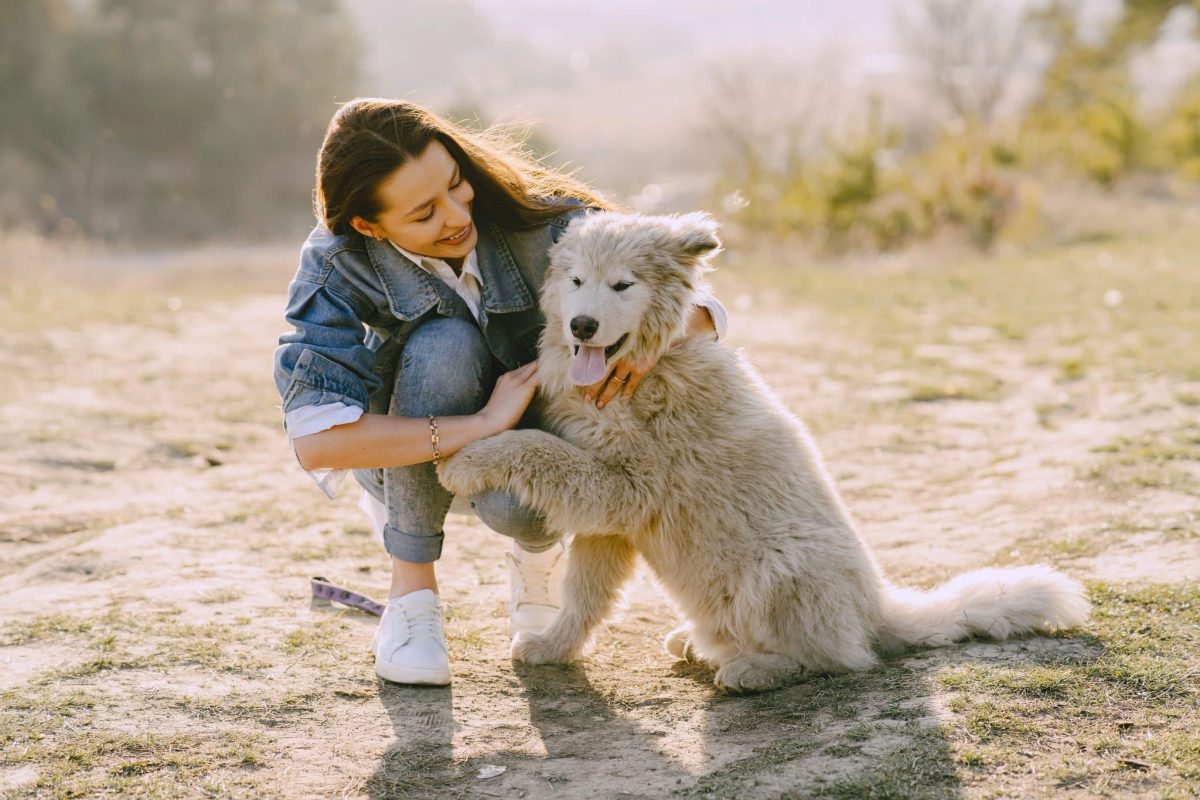
Dogs have been our companions for thousands of years, yet they still surprise us with their incredible senses, intelligence, and behavior. From powerful noses and sharp hearing to recognizing familiar people, dogs experience the world in ways humans can barely imagine. Even simple actions like sniffing, wagging, sleeping, or tilting their heads can reveal fascinating abilities. These everyday behaviors reflect canine communication, learning, memory, and social bonds. Understanding them gives true dog lovers a deeper appreciation for how intelligent, observant, adaptable, and wonderfully unique dogs truly are today.
A Dog’s Nose Is Astonishingly Powerful
 Shutterstock
A dog’s nose can detect information that humans simply cannot, making smell one of the most important ways dogs experience their surroundings. Dogs have far more scent receptors than people and use their noses to identify individuals, investigate places, find food, and follow trails. When a dog spends several minutes sniffing during a walk, it may be gathering detailed information about what happened nearby. To humans, the ground may seem completely ordinary, but to a dog, it can contain countless scent clues about animals, people, food, and changes in the environment.
Dogs Can Detect Changes in Scents Over Time
 Shutterstock
Dogs can detect how scents change and spread through an environment, giving them information that is almost impossible for humans to experience. As odors weaken, move, and mix with other smells, they create different scent patterns that dogs can investigate. This ability helps explain how specially trained dogs can follow scent trails or locate specific substances. What seems like an empty area to a person may contain countless scent clues for a dog. Their powerful noses essentially turn ordinary surroundings into a constantly changing map of information.
Dogs Recognize People Through Multiple Signals
 Shutterstock
Dogs recognize familiar people through combinations of scent, voice, appearance, movement, and routine. A dog may recognize its owner’s footsteps or voice before seeing the person, especially after experiencing those signals repeatedly. Over time, dogs build a collection of familiar details associated with the people in their lives. This explains why a dog can become excited before its owner even enters the room. Recognition is not based on one signal alone, but on several pieces of familiar information working together.
Dogs Can Learn Human Words and Signals
 Shutterstock
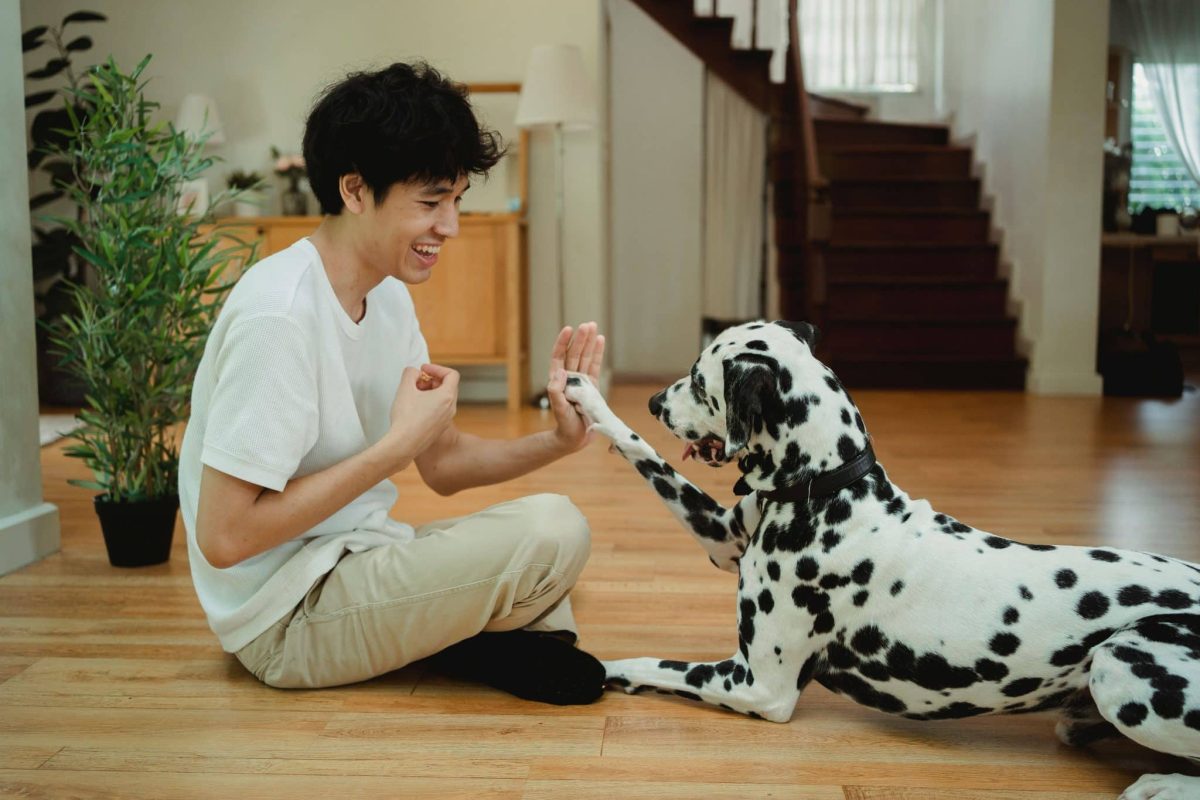
Dogs can learn words, gestures, facial expressions, and tones through repeated associations and everyday interaction. They may learn that certain words predict specific objects, activities, or behaviors, especially when people use those words consistently. Dogs also pay close attention to body language and context, helping them understand what people are communicating. Their understanding is different from human language comprehension, but their ability to connect sounds with actions and outcomes is still impressive. This is why many dogs seem to know exactly what is about to happen when they hear familiar words.
Dogs Notice Tiny Changes in Human Behavior
 Shutterstock
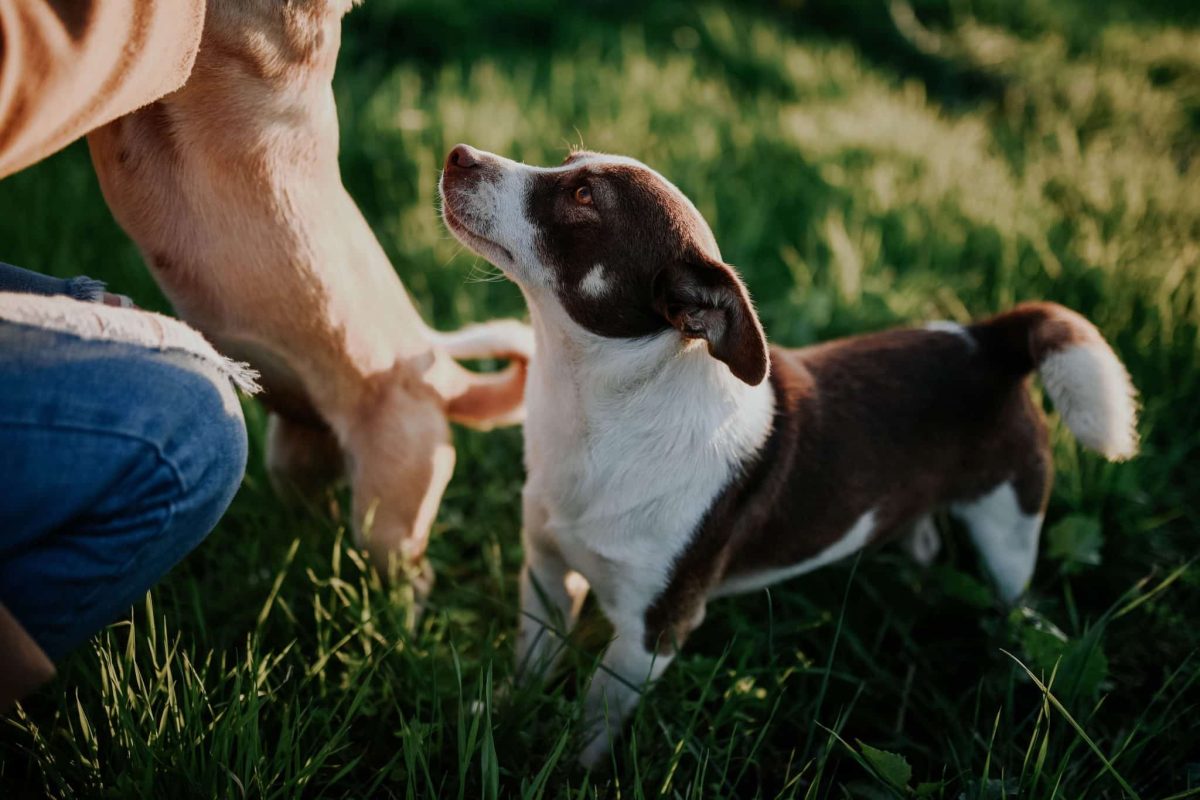
Dogs are excellent observers and can notice changes in posture, movement, voice, facial expressions, routines, and other environmental cues. They learn what these changes usually predict and can sometimes react before an event actually happens. A dog may know that a walk is coming simply by watching its owner’s routine or recognize that someone is preparing to leave the house. What seems like mysterious intuition is often a combination of careful observation, memory, and learned associations. Dogs are constantly paying attention to details that people may not even realize they are showing.
Dogs Can Have Paw Preferences
 Shutterstock
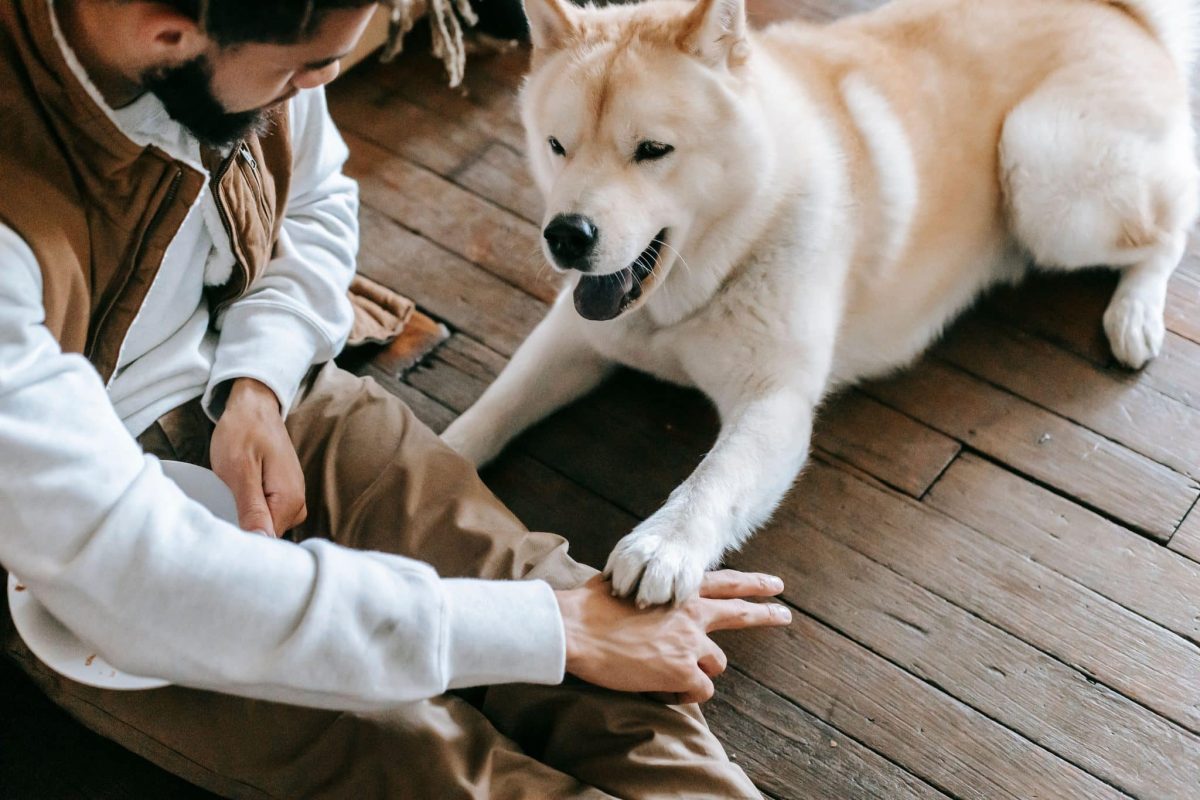
Some dogs show a preference for using one paw more than the other, similar to how humans may favor one hand. Scientists have studied this behavior as part of canine lateralization, although not every dog has a strong or consistent preference. A dog’s preferred paw can sometimes depend on the activity being performed. While this may seem like a tiny detail, it highlights the individuality of canine behavior. Dogs can have subtle physical and behavioral preferences that become noticeable only when someone takes the time to observe them closely.
Dogs Can Dream While They Sleep
 Shutterstock
Dogs experience sleep stages associated with dreaming, and owners may notice twitching paws, moving whiskers, facial movements, or tiny sounds during sleep. We cannot know exactly what a dog is dreaming about, but these behaviors are consistent with activity during particular sleep stages. Puppies can sometimes appear especially active while sleeping as their developing brains process new experiences. So when a sleeping dog suddenly moves its paws as though it is running, it may simply be experiencing normal dream-related activity. Those adorable little movements are another reminder that dogs have active minds even while resting.
A Wagging Tail Does Not Always Mean Happiness
 Shutterstock
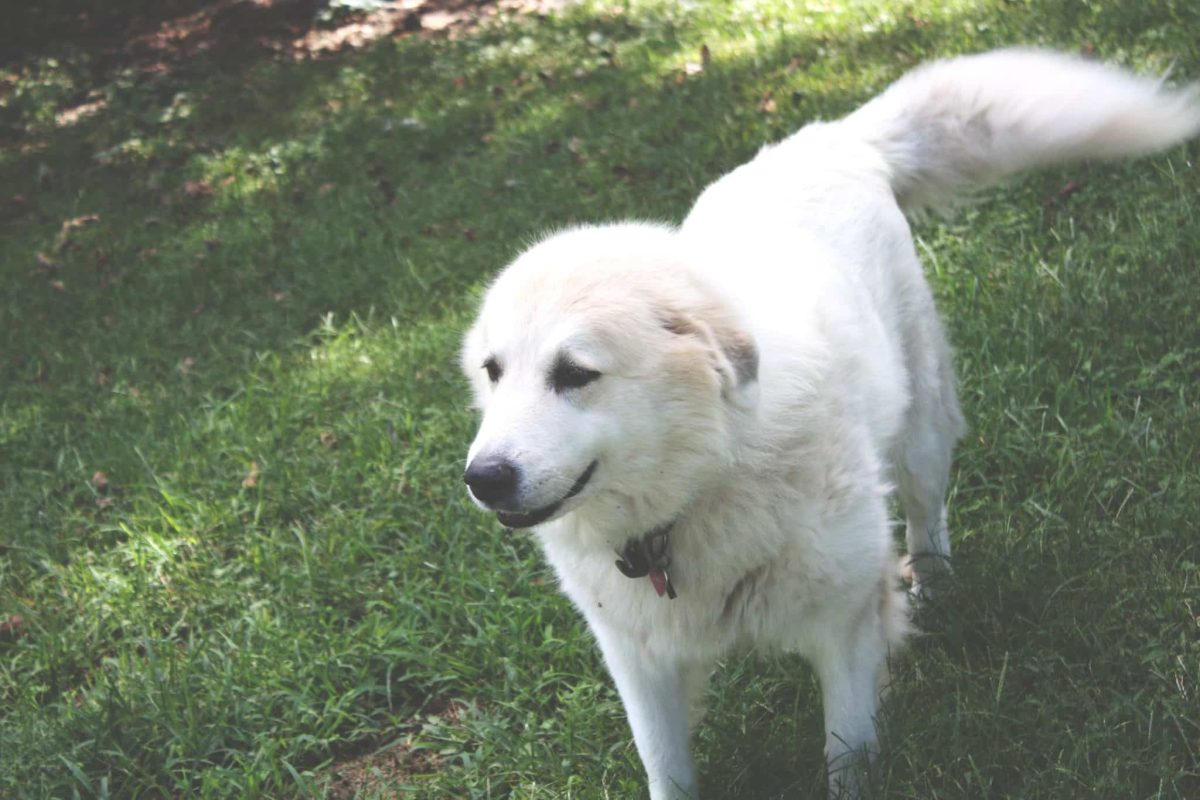
A wagging tail does not automatically mean a dog is happy, despite how commonly this behavior is interpreted. The position, speed, stiffness, and movement of the tail should be considered alongside the dog’s ears, eyes, facial expression, posture, and surroundings. A relaxed dog may wag during friendly interaction, while an excited, uncertain, or highly aroused dog may also wag. Looking at the entire body provides a much clearer picture of what a dog may be communicating. Learning to recognize these differences can help people understand canine behavior and respond appropriately.
Dogs Communicate With Their Entire Bodies
 Shutterstock
Dogs communicate through their ears, eyes, mouths, tails, posture, and movements, making canine body language surprisingly detailed. A dog may turn its head away, lower its body, lick its lips, yawn, freeze, shift its weight, or change its facial expression depending on the situation. These signals should always be considered within context because the same behavior can have different meanings. Learning to notice the entire body rather than focusing on one movement can help owners recognize when their dogs are relaxed, excited, uncertain, or uncomfortable. Good observation can make everyday interactions safer and more rewarding.
Dogs Are Incredible Associative Learners
 Shutterstock
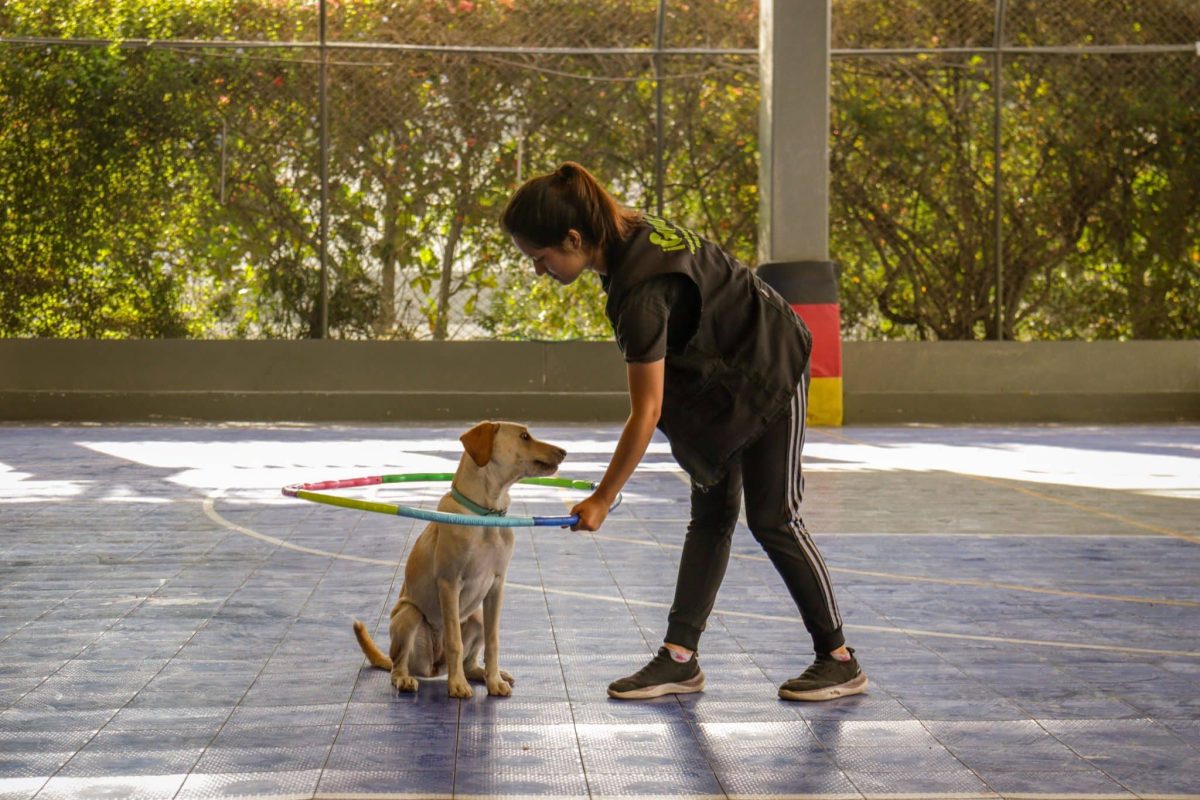
Dogs are excellent at connecting events with outcomes, which allows them to learn quickly from repeated experiences. A sound that regularly happens before dinner can eventually make a dog excited as soon as it hears that sound. Seeing a leash may create anticipation because the dog has learned that the leash usually predicts a walk. This type of learning happens during formal training but also throughout everyday life. Dogs constantly build associations with sounds, objects, people, locations, and routines, sometimes without their owners deliberately teaching them anything.
Early Experiences Can Shape a Dog’s Behavior
 Shutterstock
A puppy’s early experiences can influence how comfortable it becomes with new situations and unfamiliar surroundings. Positive, age-appropriate exposure to different sounds, environments, surfaces, people, and animals can support confidence and adaptability. Socialization should be gradual and positive rather than overwhelming, with experiences suited to the puppy’s health, age, and individual temperament. Early experiences do not completely determine a dog’s adult personality because dogs can continue learning throughout life. However, thoughtful early experiences can provide an important foundation for future confidence and comfortable interactions.
Dogs Learn Even When You Are Not Training Them
 Shutterstock
Dogs learn constantly, even when no formal training is happening. They notice household routines and discover which behaviors lead to attention, food, play, or other rewards. A dog may learn that standing near the kitchen predicts food or that a particular sound means someone is arriving. These lessons can develop naturally through repetition. This is why everyday consistency matters so much when living with a dog. Owners may unintentionally reinforce certain behaviors simply because the dog has learned that a particular action produces something it wants.
Dogs Hear Sounds Humans Cannot
 Shutterstock
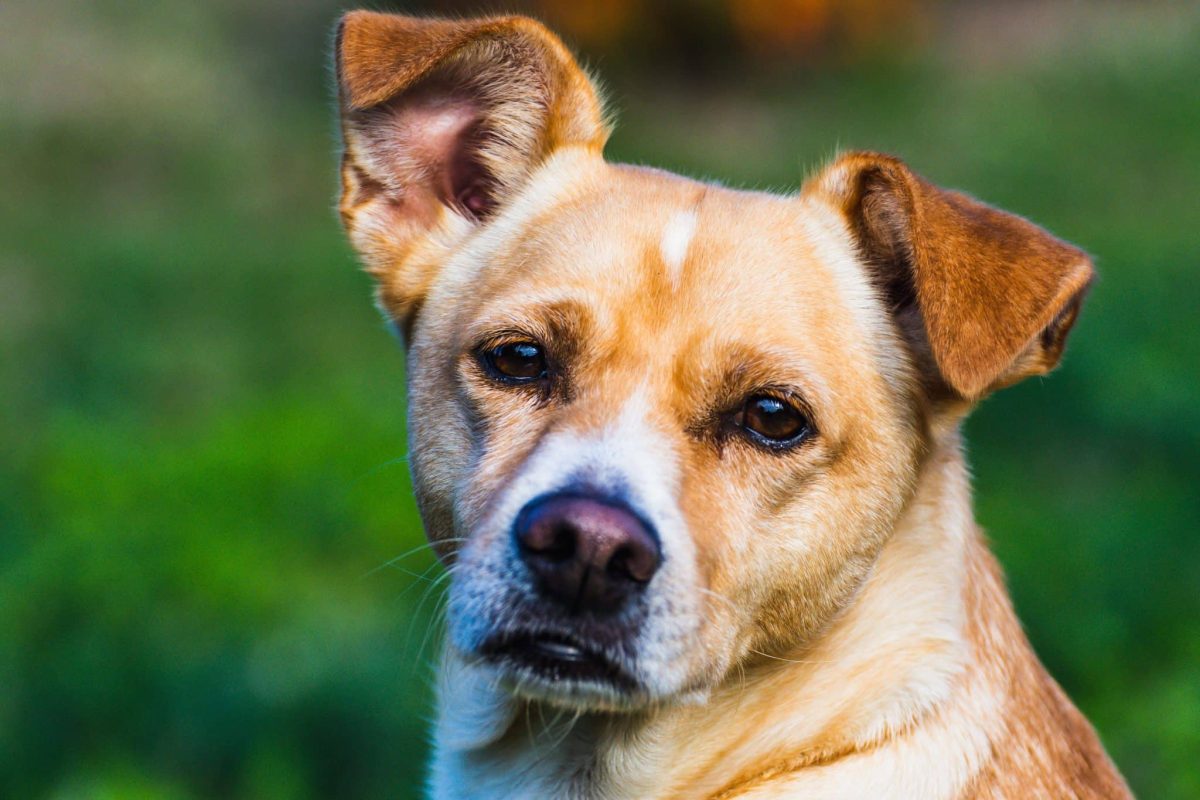
Dogs have a remarkable sense of hearing and can detect higher-frequency sounds than humans can hear. Their movable ears also help them gather information about where sounds originate, allowing them to respond to noises their owners may not notice. A dog suddenly looking toward an apparently empty area may have detected something outside the human hearing range. Their ears also play an important role in communication because ear position can change with attention, excitement, uncertainty, or relaxation. This powerful sense gives dogs a very different auditory experience of the world.
Dogs Can Form Deep Social Bonds
 Shutterstock
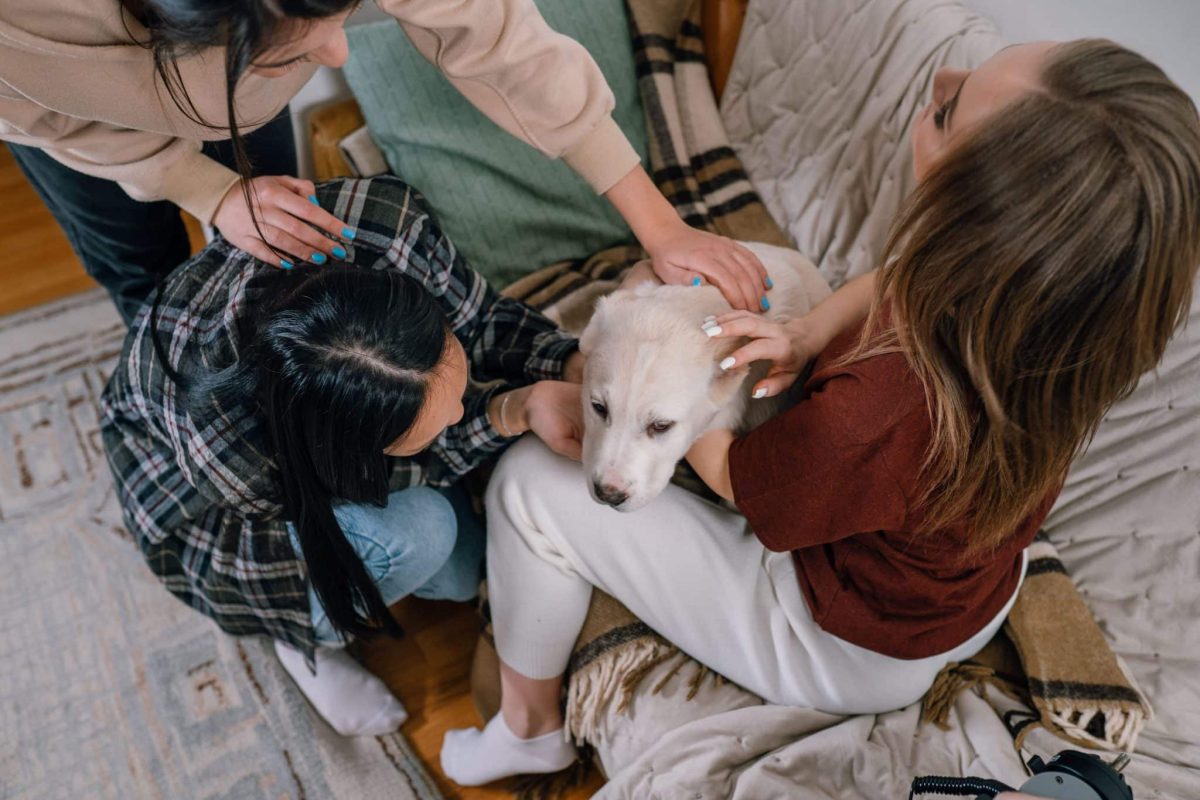
Dogs are highly social animals capable of forming strong relationships with people and other animals. Shared routines, play, training, affection, companionship, and reliable care can all strengthen these social bonds. Their relationships with humans are not simply based on receiving food. Dogs can become deeply connected to people who provide safety, attention, consistency, and meaningful interaction. Their ability to adapt to human households while maintaining their natural social instincts is one of the reasons dogs have become such successful companions. For many families, this bond becomes an important part of everyday life.
Every Dog Has Its Own Personality
 Shutterstock
Every dog has an individual personality influenced by genetics, experiences, environment, age, and learning history. One dog may be cautious around unfamiliar situations while another confidently investigates everything it encounters. Some dogs are energetic and playful, while others prefer quiet companionship. Breed tendencies can offer useful information, but they never completely define an individual dog. Each dog develops its own preferences, habits, experiences, and relationships throughout life. This individuality is one of the most enjoyable parts of living with a dog because getting to know its personality can feel like discovering a completely unique character.
Who Let The Genius Dog Out
 Shutterstock
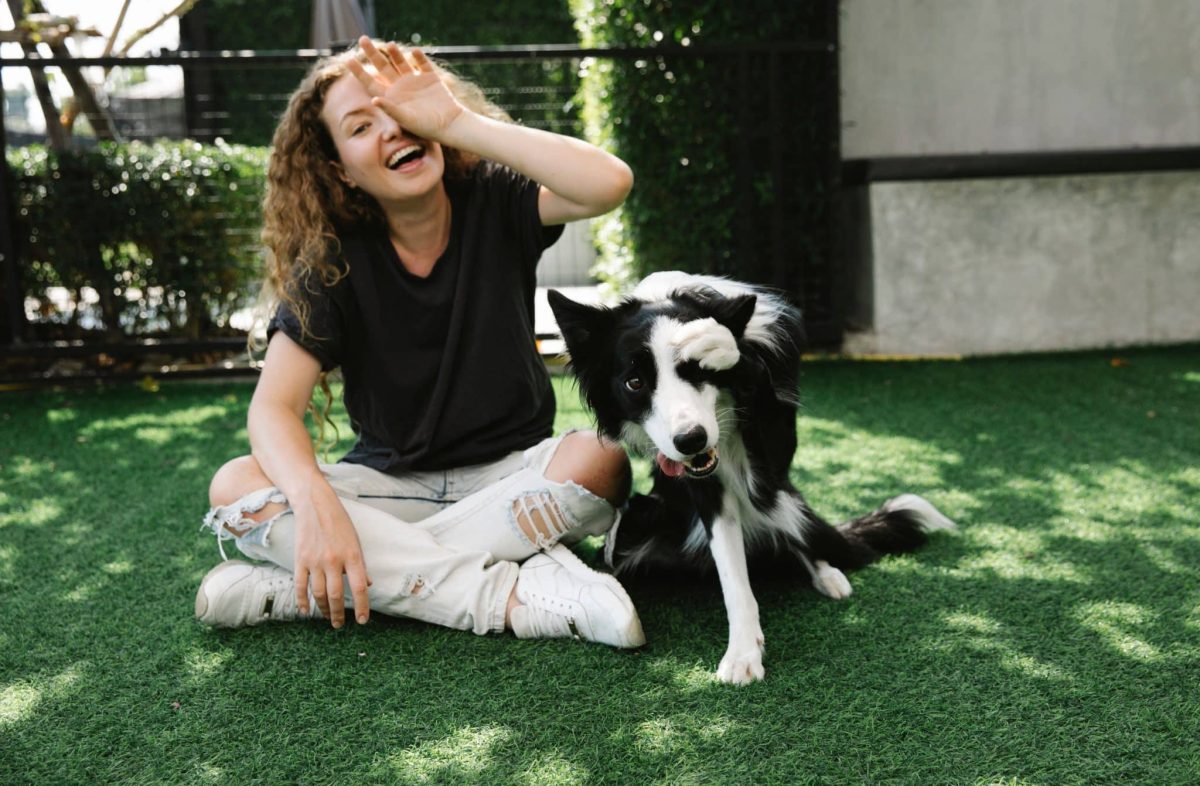
Dogs can smell information we cannot detect, hear sounds beyond our range, learn from everyday experiences, recognize familiar people, and communicate through subtle body language. Yet these remarkable animals can spend minutes investigating one smell, chasing their tails, or becoming fascinated by ordinary things. That blend of intelligence and humor makes dogs truly special. The more we understand their senses, learning, communication, and personalities, the more fascinating their everyday behavior becomes. Behind every wag, sniff, head tilt, and sleepy twitch is a perceptive animal constantly experiencing its world.
This content was created with AI assistance and edited by the iHeartDogs team.
 Toledo, United States.