
 Shutterstock
Dogs communicate in ways that go far beyond barks and tail wags. Their body language is a rich tapestry of subtle signals that, when understood, can deepen the bond between you and your furry friend. While many pet owners are familiar with obvious cues like a wagging tail or a playful bow, there are numerous lesser-known behaviors that reveal a dog’s emotions and intentions. By tuning into these signals, you can better respond to your dog’s needs, ensuring they feel safe, understood, and loved.
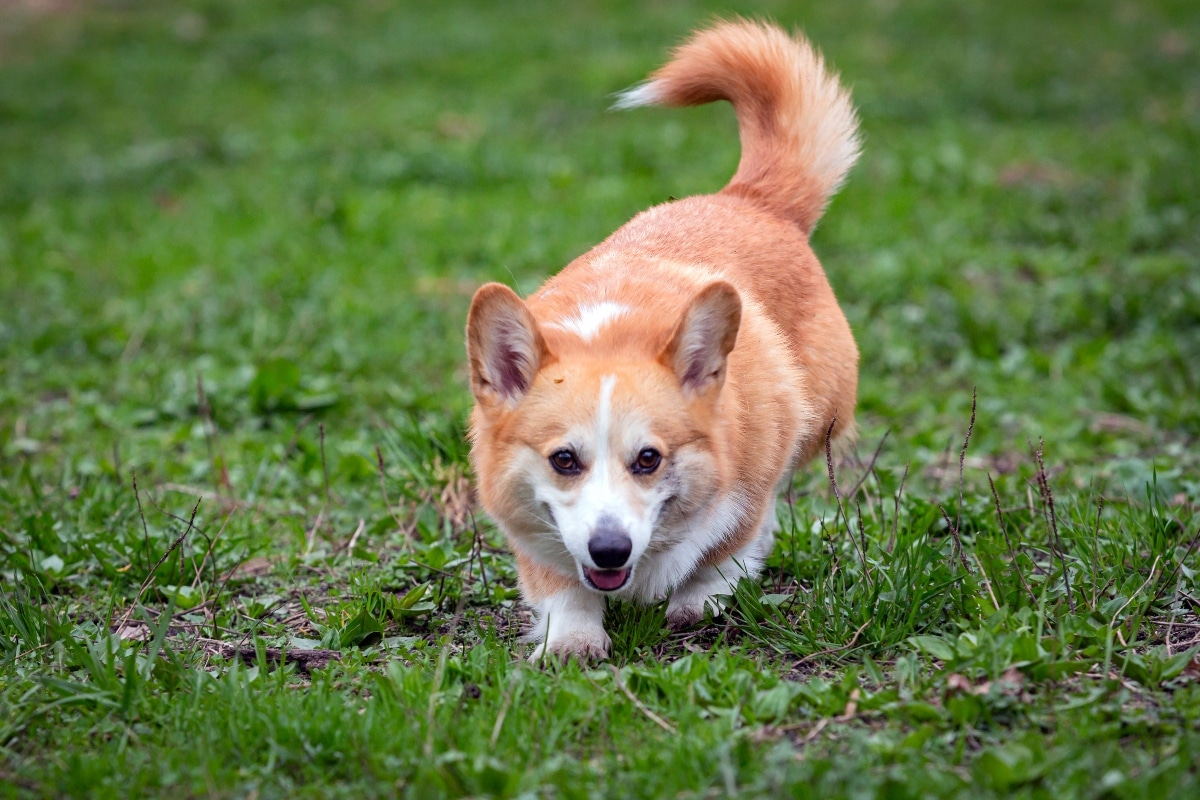
Tail Wag Direction Matters
 Shutterstock
A wagging tail doesn’t always signify happiness. The direction of the wag can indicate a dog’s emotional state. Research suggests that a tail wagging more to the right side may indicate positive feelings, while a wag to the left might suggest negative emotions. Observing the direction of your dog’s tail wag can provide insights into their mood.
Lip Licking Isn’t Always About Food
 Shutterstock
While dogs do lick their lips when anticipating a treat, frequent lip licking can also be a sign of stress or discomfort. This behavior, known as a calming signal, is a way for dogs to soothe themselves or communicate unease. If your dog is licking their lips in situations unrelated to food, they might be feeling anxious.
Yawning Can Signal Stress
 Shutterstock
Just like humans, dogs yawn when they’re tired. However, yawning can also be a sign of stress or anxiety. In unfamiliar or uncomfortable situations, a dog might yawn as a calming mechanism. Recognizing this can help you identify when your dog needs reassurance.
Raised Hackles Aren’t Always Aggression
 Shutterstock
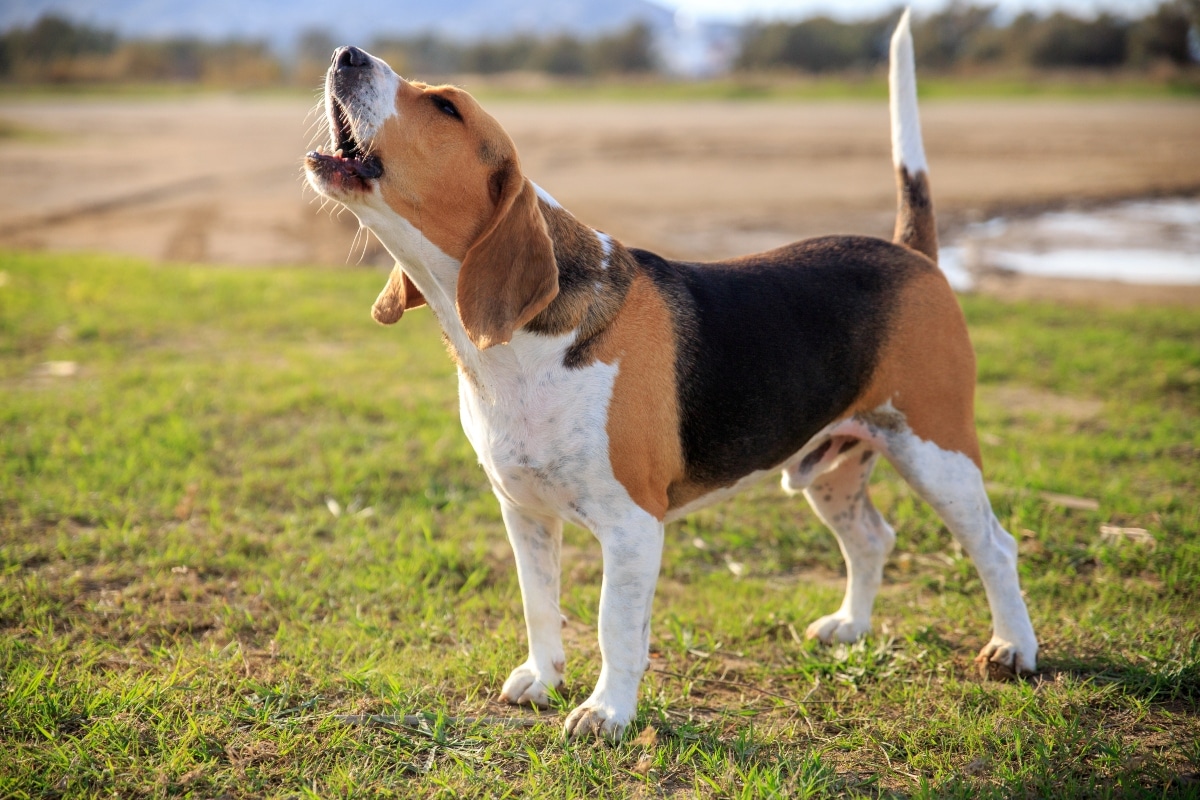
When a dog’s hair stands up along their back, it’s called piloerection or raised hackles. While this can be a sign of aggression, it can also indicate excitement, arousal, or fear. Context is crucial; observing the overall body language will provide a clearer picture of your dog’s feelings.
Whale Eye Indicates Discomfort
 Shutterstock
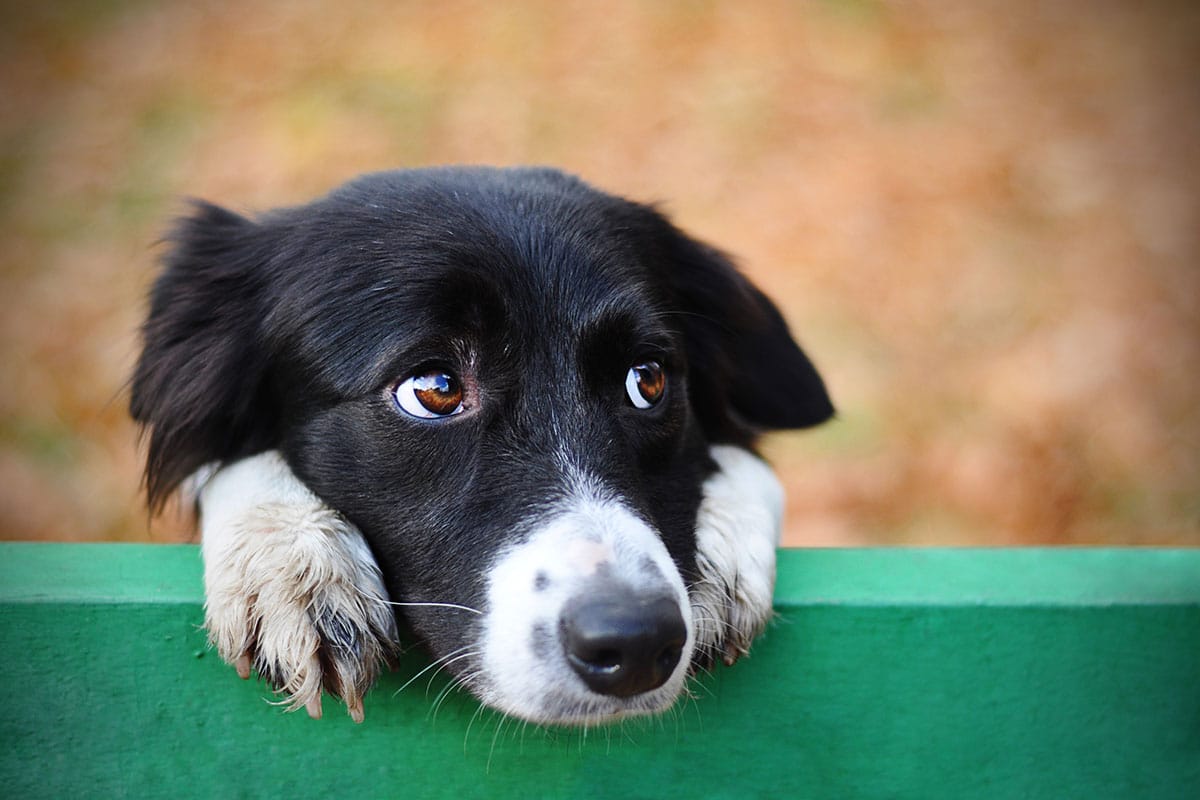
“Whale eye” refers to when a dog shows the whites of their eyes, often when looking sideways. This can be a sign that the dog is feeling threatened or uncomfortable. If you notice this, it’s best to give your dog space and assess the situation causing their distress.
Paw Lifting Can Be a Sign of Uncertainty
 Shutterstock
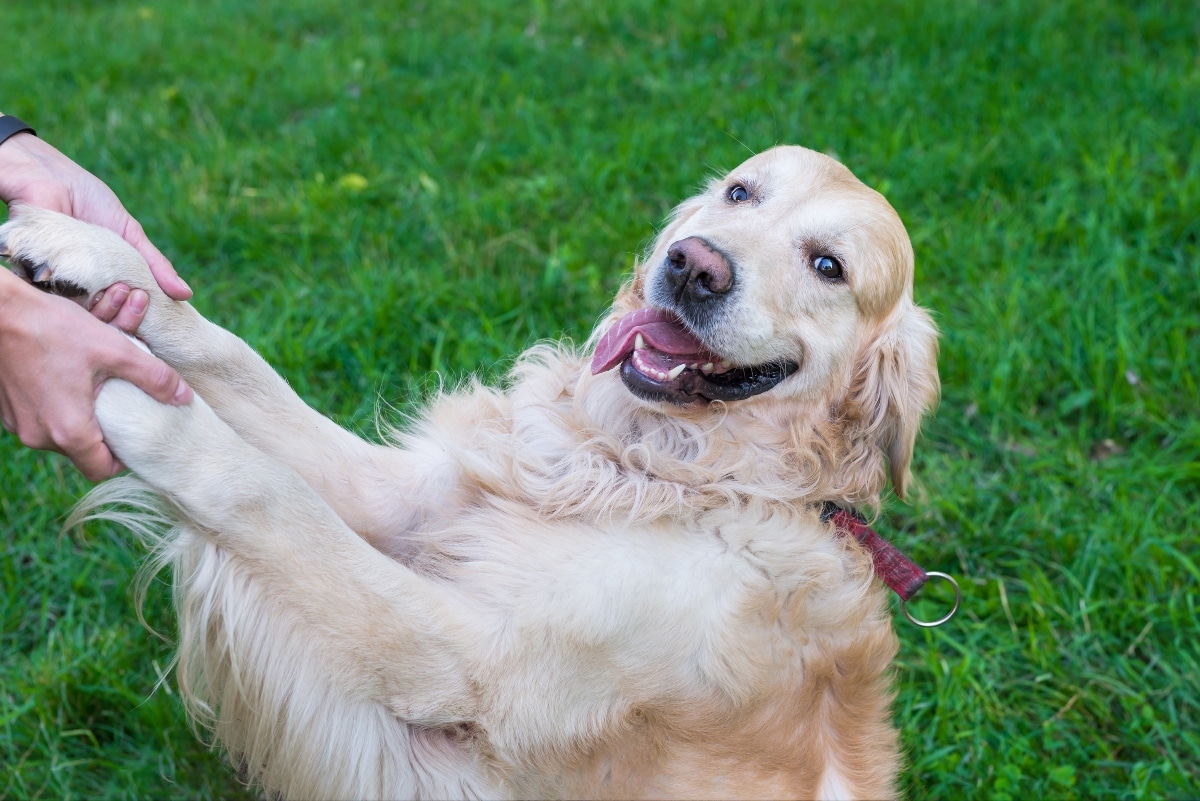
When a dog lifts one of their front paws, it can indicate uncertainty or insecurity. This behavior is often seen in dogs that are unsure about a situation or are trying to decide their next move. It’s a subtle cue that your dog might need some encouragement or reassurance.
Play Bows Are Invitations
 Shutterstock
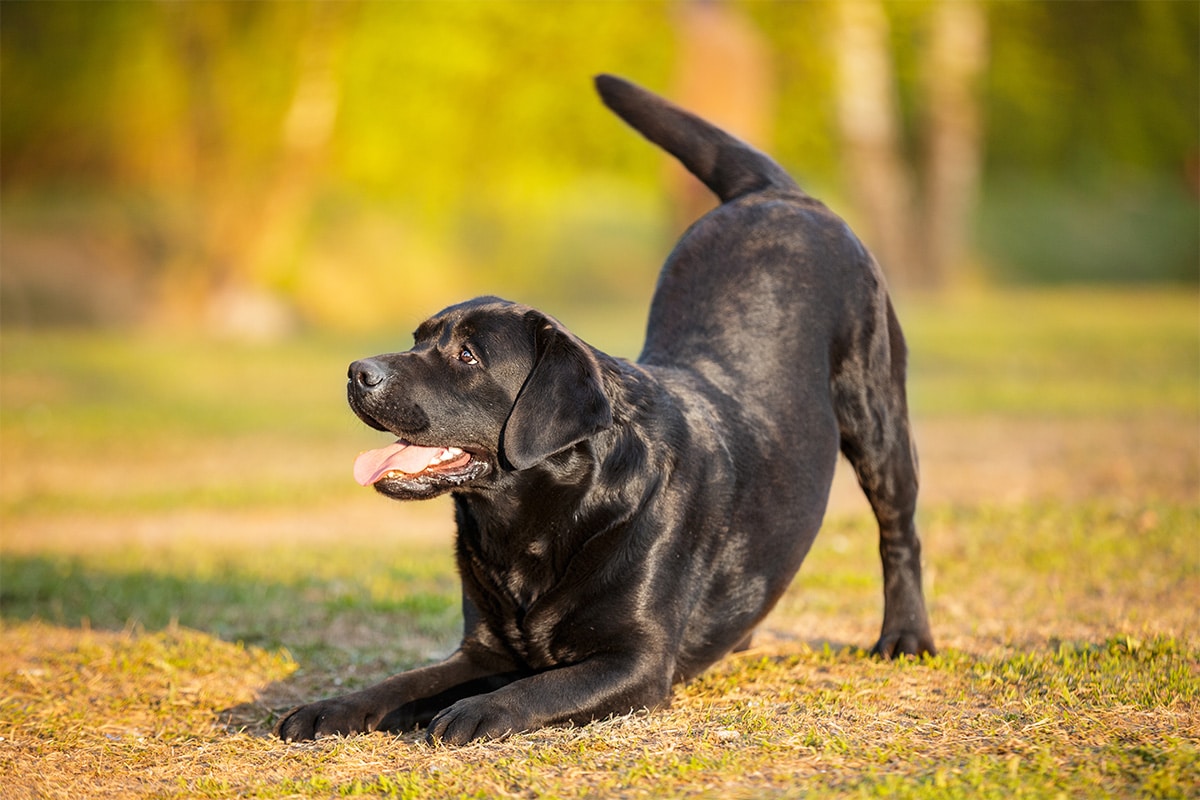
A classic play bow front legs stretched forward, rear end up, is a dog’s way of signaling that their intentions are playful. It’s an invitation to play and a way to communicate that any rough behavior that follows is all in good fun. Recognizing this can help prevent misunderstandings during dog interactions.
Leaning Shows Trust
 Shutterstock
When a dog leans against you, it’s often a sign of affection and trust. This behavior indicates that your dog feels safe and comfortable in your presence. It’s their way of seeking closeness and bonding with you.
Tail Tucking Signals Fear
 Shutterstock
A tucked tail is a clear sign that a dog is feeling scared or submissive. This posture makes them appear smaller and is a way to avoid confrontation. Recognizing this can help you address the source of their fear and provide comfort.
Ears Tell a Story
 Shutterstock
A dog’s ears are expressive indicators of their mood. Erect ears facing forward can signify alertness or aggression, while ears pulled back may indicate fear or submission. Observing ear position in conjunction with other body language cues provides a fuller understanding of your dog’s emotions.
Submissive Grinning Isn’t Aggression
 Shutterstock
Some dogs display a submissive grin, pulling back their lips to show their teeth in a non-threatening way. This behavior is often accompanied by other submissive signals like a lowered head or wagging tail. It’s a gesture meant to appease and should not be mistaken for aggression.
Pacing Can Indicate Anxiety
 Shutterstock
If your dog is pacing back and forth, it might be a sign of anxiety or restlessness. This behavior can be triggered by various factors, including separation anxiety, boredom, or environmental stressors. Identifying the cause can help in addressing their discomfort.
Head Tilting Shows Curiosity
 Shutterstock
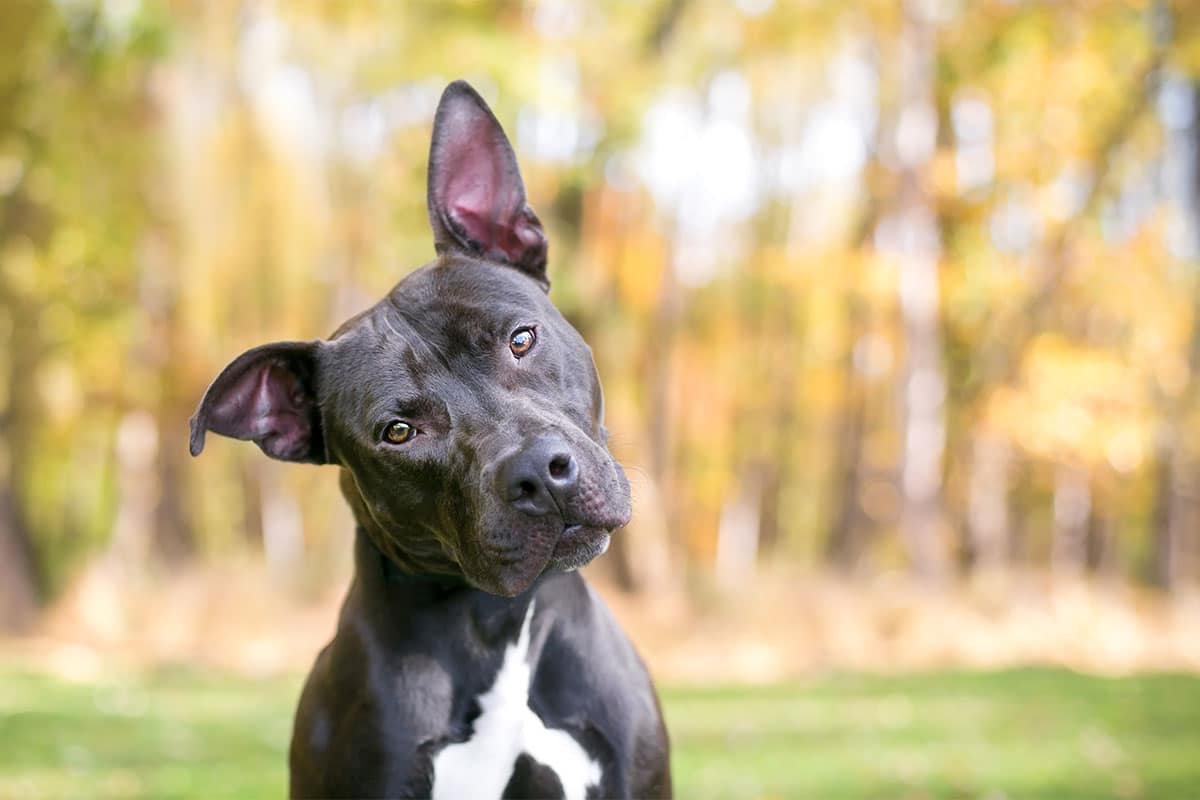
When a dog tilts their head, it’s often a sign of curiosity or trying to understand something. This adorable behavior helps them better hear and interpret sounds. It’s a testament to their attentiveness and desire to connect with their environment.
The Secret Language of Sniffs and Side-Eyes
 Shutterstock
Learning the subtle cues of your dog’s body language can bring you closer than ever before. By noticing these quiet signals, you’re not just watching, you’re truly understanding. From a sideways glance to a soft lean, these little gestures speak volumes. Paying attention to them helps your dog feel safe, loved, and connected. It’s not just about decoding behavior, it’s about building a deeper bond. The more you tune in, the more your dog knows you’re really listening in the language they know best.
 Toledo, United States.