
 Shutterstock
Dogs are full of surprises. Just when you think you’ve figured them out, they do something completely unexpected, like spinning in circles before lying down or barking at a leaf like it’s a personal enemy. As much as we love our fur babies, understanding their behavior can be a bit of a mystery. There’s a lot going on in those furry heads that we don’t always see. I’ve spent years around dogs, and I’m still learning new things that make me smile, scratch my head, or melt my heart.
Dogs Can Smell Your Feelings
 Shutterstock
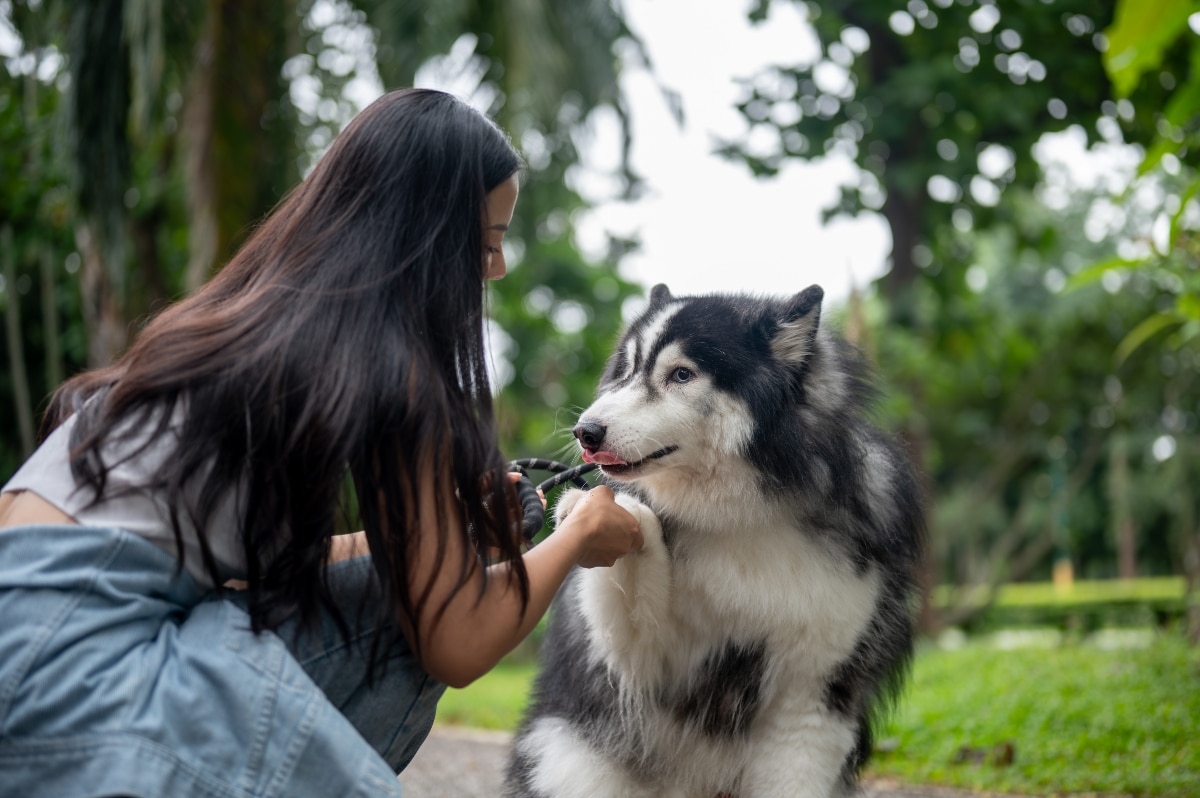
Dogs don’t just react to your tone or body language, they can actually smell your emotions. Our bodies release different scents depending on how we feel. Fear, excitement, and sadness all carry unique chemical signals. Dogs pick up on these through their incredibly powerful noses, which are tens of thousands of times more sensitive than ours. So when your pup cuddles up to you after a tough day, it’s not just because you look sad, it’s because they can literally smell your mood.
The Zoomies Are a Real Thing
 Shutterstock
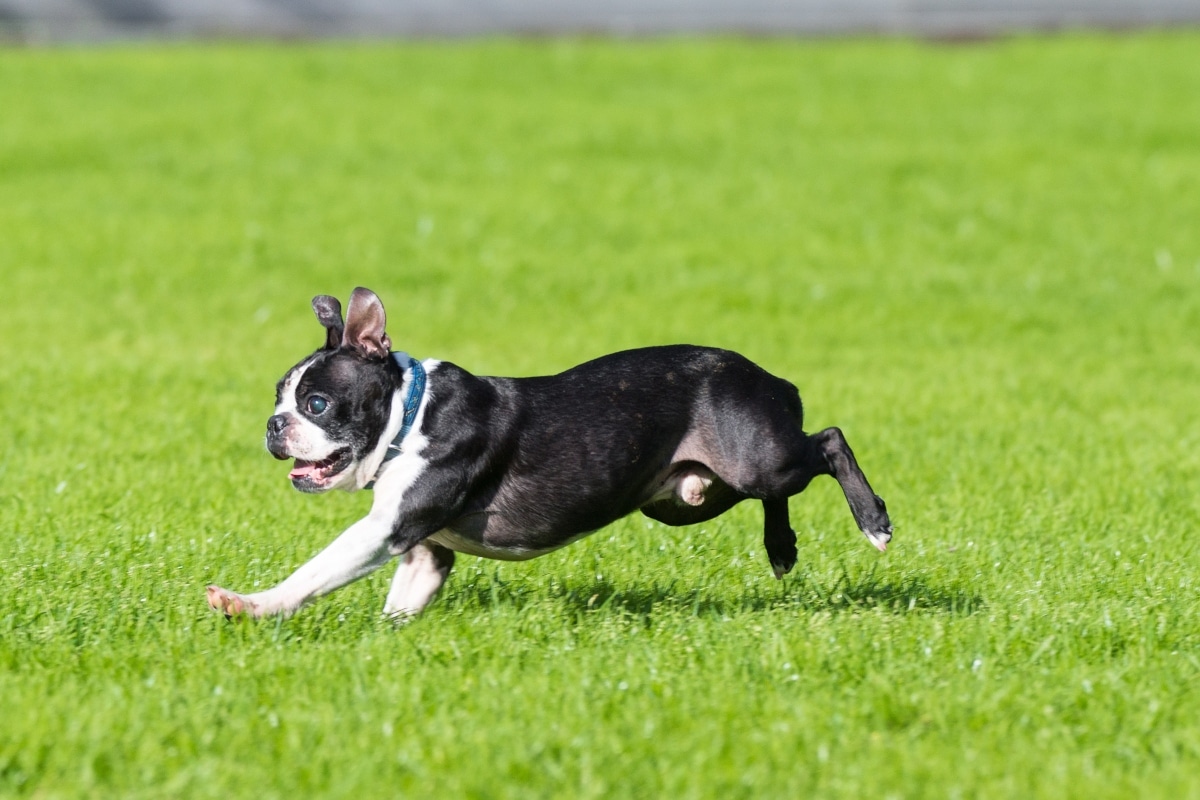
If your dog suddenly takes off running around the house like a furry tornado, that wild burst of energy has a name: frenetic random activity periods, or FRAPs. Also lovingly known as the zoomies, this behavior is totally normal and usually just a release of pent-up energy or pure excitement. Dogs often get the zoomies after a bath, during playtime, or in the evening. It might look chaotic, but it’s actually a happy, healthy sign that your dog is feeling good. Just maybe move your coffee table first.
They Yawn When You’re Stressed
 Shutterstock
Ever notice your dog yawning when you’re having a tense moment? It’s not because they’re bored; it’s emotional mirroring. Dogs often yawn in response to human stress, as a way of trying to diffuse tension. It’s their version of saying, “Hey, calm down I’ve got your back.” This empathetic behavior shows how deeply dogs connect with their humans and how tuned in they are to our emotions.
Tail-Chasing Isn’t Always Silly
 Shutterstock
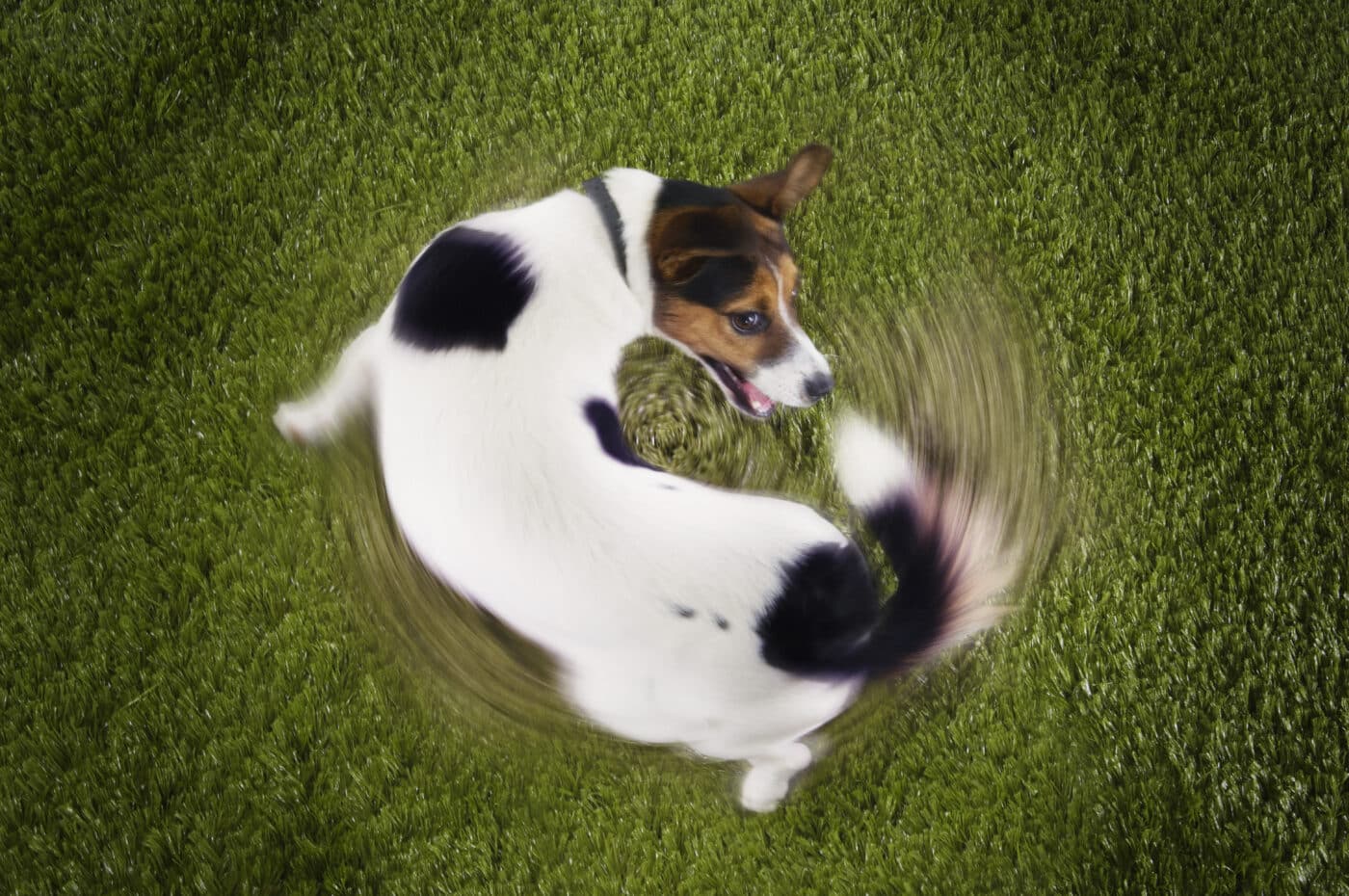
Watching a dog chase their own tail might look hilarious, but it can mean different things. While puppies often do it out of curiosity, older dogs might chase their tails because they’re anxious, bored, or even experiencing a medical issue like allergies or discomfort. If it becomes a frequent habit, it’s worth checking in with your vet. What looks like silly play might be your dog trying to tell you something important.
Dogs Dream Just Like Us
 Shutterstock
When your pup twitches, whimpers, or kicks in their sleep, they’re not just being cute; they’re dreaming. Research shows that dogs go through similar sleep cycles as humans, including REM (rapid eye movement), where dreaming occurs. Puppies and older dogs tend to dream more frequently, and it’s believed they often dream about their daily activities, like chasing balls or cuddling with you. It’s kind of sweet to think they might be dreaming about you, too.
Nose Prints Are Unique
 Shutterstock
Just like human fingerprints, every dog has a unique nose print. The bumps, lines, and ridges on a dog’s nose form a pattern that’s one-of-a-kind. In fact, some pet organizations use nose prints as a form of identification, especially for lost or stolen dogs. So next time your dog smooshes their nose on the window, just think that’s their personal signature, pressed in slobber.
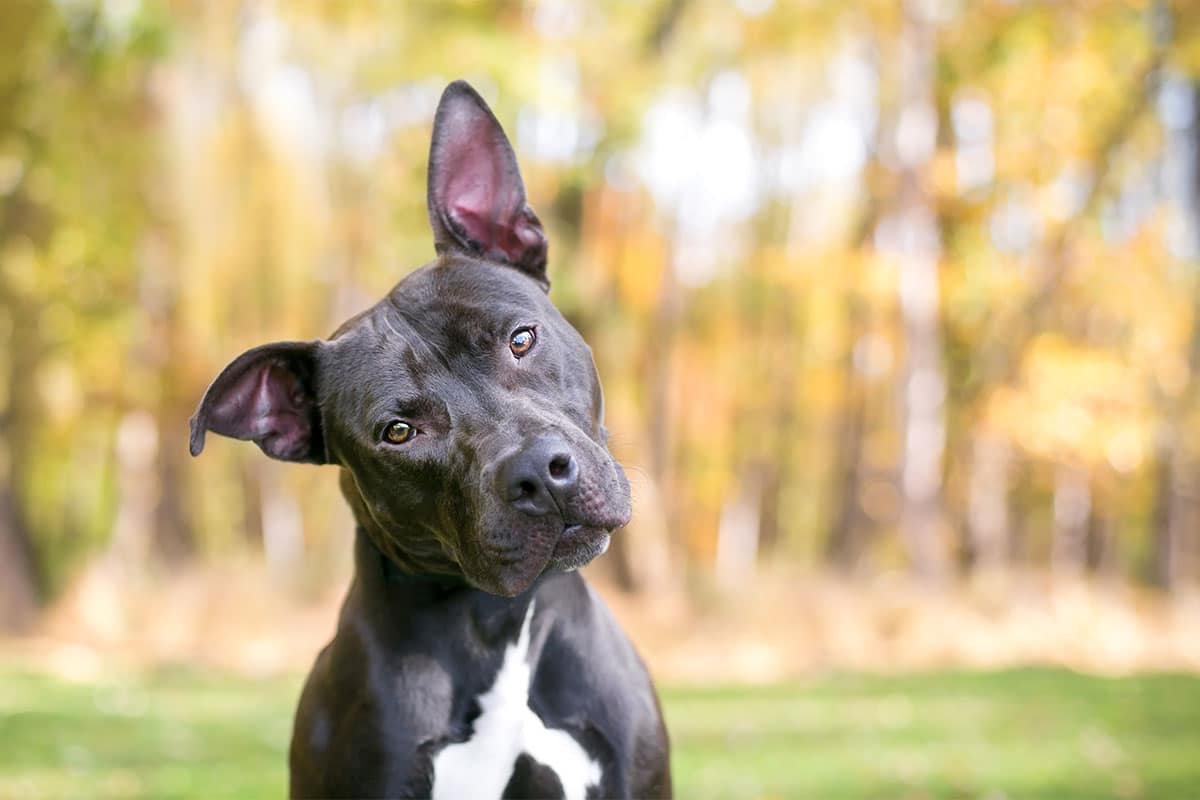
Head Tilts Are About Focus
 Shutterstock
Few things are more adorable than a dog tilting their head when you talk to them. It’s not just cuteness overload, it actually helps them hear better. Dogs tilt their heads to adjust their ears and locate the direction of sound more precisely. They may also be trying to better understand your facial expressions. So that sweet little tilt? It’s them doing their best to figure you out.
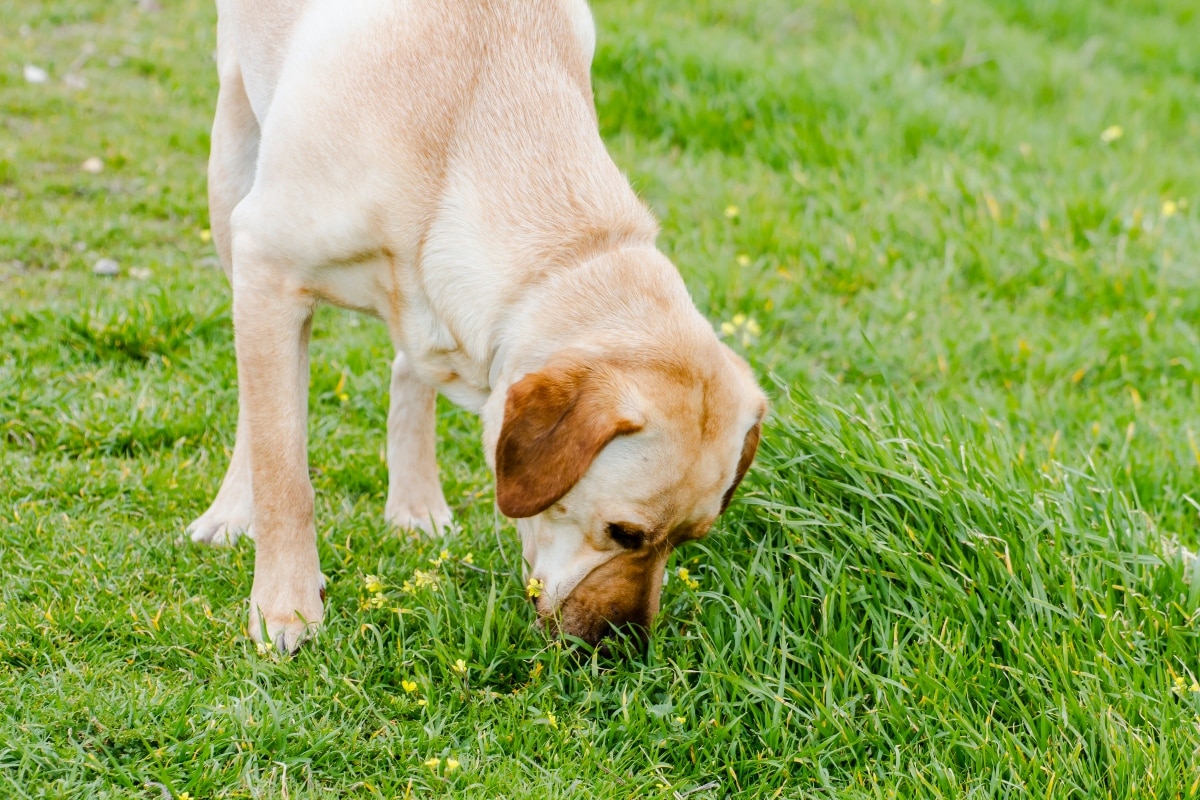
Grass-Eating Has Multiple Meanings
 Shutterstock
If your dog munches on grass like a salad, it’s not always a sign they’re sick. Grass eating can happen for many reasons: boredom, curiosity, or just because they like the taste. It can also help aid digestion or help induce vomiting if they’re feeling unwell. As long as it’s not excessive and the grass isn’t treated with chemicals, it’s usually harmless. Still, it’s always worth keeping an eye on the habit.
Dogs Can Count (Kind Of)
 Shutterstock
Believe it or not, dogs have a basic sense of numbers. Studies have shown they can tell the difference between small quantities, especially when it comes to treats. If you give one treat and then try to sneak two behind your back, chances are your dog will notice the math isn’t adding up. They’re not doing algebra, but they do have enough smarts to keep track of what matters, especially if it involves snacks.
The Secret Science Behind Your Dog’s Shenanigans
 Shutterstock
Learning what your dog’s quirky behaviors really mean helps you appreciate just how smart and loving they are. They may not speak our language, but they’re always finding ways to connect with us. Every head tilt, zoomie, or sock theft is their way of saying something. The more we understand how they think and feel, the closer we become. So next time your pup does something odd or silly, don’t just laugh, know there’s probably a thoughtful reason behind it. They’re sharper than we often realize.
 Toledo, United States.