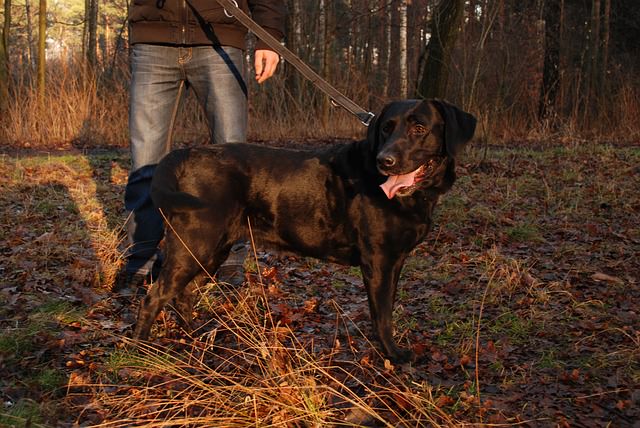
A dog’s own backyard should be one of the safest places for them to explore. Unfortunately, after periods of rain or humid weather, a potentially deadly threat can appear almost overnight.
Mary Dlugoz learned this in the most heartbreaking way when her otherwise healthy six-year-old dog, Maggie, ate mushrooms growing in the family’s backyard. Less than a day later, Maggie died from mushroom poisoning.
Mary could not save her beloved dog, but she hopes Maggie’s story will encourage other dog parents to take wild mushrooms seriously. Knowing how to recognize a possible exposure and acting before symptoms develop could save another dog’s life.
Are Mushrooms Poisonous to Dogs?
Some mushrooms are harmless, while others contain toxins capable of causing severe gastrointestinal distress, neurological problems, liver failure, kidney failure, or death. The effects depend on the species of mushroom, the amount eaten, the toxins it contains, and the dog’s size and overall health.
The problem is that toxic and nontoxic mushrooms can look remarkably similar. Even experienced mushroom enthusiasts may have trouble distinguishing certain species, especially when the mushroom is immature, damaged, partially eaten, or growing in an unusual environment.
For that reason, dog parents should treat every unidentified wild mushroom as potentially poisonous. Do not rely on its color, shape, location, or smell to determine whether it is safe.
Store-bought mushrooms intended for human consumption are generally considered safe for dogs when served plain, although rich sauces, butter, garlic, onions, and other ingredients commonly prepared with them may be harmful. Wild mushrooms are a very different matter and should never be considered safe without expert identification.
Why Do Dogs Eat Wild Mushrooms?
Dogs investigate the world with their noses and mouths. A mushroom’s earthy or unusual scent may attract a curious dog, while others may simply grab one while grazing on grass or exploring the yard.
Puppies and dogs known for eating sticks, leaves, mulch, animal waste, or other outdoor objects may be especially likely to sample a mushroom. However, mushroom poisoning can happen to any dog, including one who has never shown an interest in eating things from the ground.
Mushrooms can grow in lawns, gardens, wooded areas, parks, along walking trails, beneath trees, on decaying wood, and in damp piles of leaves or mulch. They are particularly common during warm, wet weather, but they may appear at other times of year in mild climates.
What Are the Symptoms of Mushroom Poisoning in Dogs?
The symptoms of mushroom poisoning vary considerably because different toxins affect different parts of the body. Signs may begin within minutes, but some of the most dangerous mushroom toxins do not cause noticeable illness for six hours or longer.
Possible symptoms include:
- Vomiting
- Diarrhea, which may be severe or bloody
- Excessive drooling
- Abdominal pain
- Loss of appetite
- Weakness or lethargy
- Staggering or poor coordination
- Disorientation
- Unusual vocalization or behavior
- Agitation or aggression
- Tremors
- Seizures
- Abnormally small pupils
- Slow heart rate
- Difficulty breathing
- Increased thirst or urination
- Reduced or absent urination
- Yellowing of the eyes, gums, or skin
- Black, tarry stool
- Collapse
- Coma
Never wait for these symptoms to appear before seeking help. By the time a dog looks sick, a toxin may already be damaging the liver, kidneys, nervous system, or other organs.
Different Mushroom Toxins Cause Different Problems
Veterinarians classify poisonous mushrooms partly by the toxins they contain and the organs those toxins affect. Identifying the mushroom can help guide treatment, but emergency care should not be delayed while waiting for an identification.
Mushrooms That Cause Liver Failure
Some of the most dangerous wild mushrooms contain amatoxins, which are found in certain Amanita, Galerina, Lepiota, and Conocybe species. These toxins interfere with essential cellular functions and can cause massive liver damage. The kidneys and gastrointestinal tract may also be affected.
Death caps, destroying angels, and Galerina marginata, sometimes called the deadly galerina or funeral bell, belong to this dangerous group. According to the Merck Veterinary Manual, even a single mushroom cap may contain a lethal amount of amatoxin.
Amatoxin poisoning can follow a deceptive pattern:
- Silent period: The dog may appear completely normal for six to 12 hours after eating the mushroom.
- Gastrointestinal illness: Vomiting, diarrhea, abdominal discomfort, and lethargy develop.
- Apparent recovery: The dog may temporarily seem better, causing the family to believe the danger has passed.
- Organ failure: Severe liver damage, low blood sugar, bleeding problems, neurological complications, and kidney failure may develop over the next several days.
This temporary improvement does not mean the dog is recovering. It can be a particularly dangerous stage of the poisoning.
Mushrooms That Affect the Nervous System
Some mushrooms contain compounds that affect the brain and central nervous system. Depending on the toxin, dogs may become disoriented, unsteady, unusually vocal, agitated, sleepy, or aggressive. Tremors, seizures, respiratory depression, and coma are possible in severe cases.
Certain Amanita species, including fly agaric and panther cap mushrooms, contain ibotenic acid and muscimol. Hallucinogenic mushrooms containing psilocybin can also cause neurological symptoms.
Dogs may be exposed to hallucinogenic mushrooms growing outdoors or to products kept inside the home. Mushroom-infused chocolates and edibles are especially concerning because they may contain other dangerous ingredients, including chocolate, xylitol, cannabis, or concentrated psychoactive substances.
Mushrooms That Affect the Autonomic Nervous System
Mushrooms containing muscarine can overstimulate parts of the nervous system that control automatic bodily functions. Symptoms may develop rapidly and include excessive drooling, watery eyes, vomiting, diarrhea, frequent urination, slow heart rate, low blood pressure, breathing difficulty, and shock.
Mushrooms That Cause Gastrointestinal Irritation
Other species primarily irritate the stomach and intestines. These mushrooms may cause vomiting, diarrhea, abdominal pain, dehydration, and, occasionally, bloody stool.
Many dogs recover with prompt supportive care, but severe fluid loss can still become dangerous. Early vomiting and diarrhea also cannot be assumed to represent a mild exposure because potentially fatal liver toxins may initially cause similar signs.
Mushrooms That Damage the Kidneys
Certain mushrooms contain toxins that target the kidneys. Signs may include vomiting, poor appetite, weakness, unusual thirst, increased urination, or eventually an inability to produce urine.
Some kidney-damaging toxins cause delayed symptoms, potentially appearing days after the mushroom was eaten. This makes it essential to mention any known or suspected mushroom exposure when speaking with a veterinarian, even if several days have passed.

What Should You Do If Your Dog Eats a Wild Mushroom?
Treat the situation as a veterinary emergency, even if your dog appears normal.
- Move your dog away from the area. Prevent them from eating additional mushrooms.
- Call a veterinarian or emergency animal hospital immediately. Tell them when the exposure may have occurred, how much your dog may have eaten, and whether symptoms are present.
- Contact an animal poison-control service if advised. ASPCA Animal Poison Control can be reached at (888) 426-4435, and Pet Poison Helpline can be reached at (855) 764-7661. Consultation fees may apply.
- Collect a sample if it is safe to do so. Wear gloves and place an intact mushroom, including the cap, stem, gills, and underground base if possible, in a paper bag. Do not delay leaving for the veterinarian to search for one.
- Take clear photographs. Photograph the top, underside, stem, base, and the area where the mushrooms were growing. Include several mushrooms at different stages of development if available.
- Bring any vomited material containing mushroom pieces. Place it in a sealed container or bag and keep it away from children and other animals.
- Do not induce vomiting unless a veterinarian or poison-control professional specifically instructs you to do so. Home remedies can cause additional harm, and inducing vomiting may be unsafe if the dog is already weak, disoriented, trembling, seizing, or having difficulty breathing.
Do not wait for someone online to identify the mushroom before seeking care. Identification apps and social media groups may provide useful supporting information, but they are not substitutes for immediate veterinary treatment.
How Is Mushroom Poisoning Treated?
Treatment depends on the suspected toxin, how recently the mushroom was eaten, and the dog’s symptoms. There is no single treatment that works for every mushroom toxin.
If the exposure was recent and the dog can safely vomit, the veterinary team may induce vomiting to remove mushroom material from the stomach. Activated charcoal may be given to limit toxin absorption, and more than one dose may be recommended in certain cases.
Additional treatment may include:
- Intravenous fluids
- Anti-nausea medication
- Medication to protect the gastrointestinal tract
- Blood glucose monitoring and supplementation
- Liver and kidney function testing
- Liver-support medications
- Medication to control tremors or seizures
- Treatment for abnormal heart rate or blood pressure
- Oxygen or respiratory support
- Vitamin K or blood products for clotting problems
- Hospitalization and repeated laboratory testing
Some dogs need to be monitored for several days because liver or kidney damage may not be immediately apparent. The chance of recovery depends heavily on the toxin involved and how quickly treatment begins.
Can Cooking Make Wild Mushrooms Safe for Dogs?
Do not assume that cooking, drying, freezing, or boiling will neutralize mushroom toxins. Some toxins remain dangerous after processing.
Dogs should never be fed foraged mushrooms unless an appropriately qualified expert has positively identified them as edible. Even then, offering wild mushrooms to a dog provides little benefit and creates an unnecessary risk.

How to Prevent Mushroom Poisoning
The best way to protect your dog is to prevent access to unidentified mushrooms.
Walk through your yard regularly, particularly after heavy rain, irrigation, or stretches of humid weather. Mushrooms can appear quickly, so a yard that was clear yesterday may contain several today.
When removing mushrooms:
- Wear gloves.
- Pull or dig up the entire visible mushroom when possible.
- Place mushrooms in a secured bag or container.
- Dispose of them where pets cannot reach them.
- Check beneath trees, shrubs, decks, and outdoor furniture.
- Inspect mulch, leaf litter, wood piles, and areas around old roots or stumps.
- Recheck the area frequently because removing a mushroom does not eliminate the underground fungal network that produced it.
Supervise dogs in the yard and keep them leashed during walks or hikes in areas where mushrooms are present. Teaching cues such as “leave it” and “drop it” can provide another layer of protection, although training should never replace supervision.
Dogs who habitually eat objects from the ground may benefit from positive basket-muzzle training for walks. A properly fitted basket muzzle allows a dog to pant and drink while helping prevent scavenging.
Never Take a Wait-and-See Approach
Maggie’s story is a devastating reminder that an ordinary-looking mushroom can become a life-threatening emergency. Some poisoned dogs become ill quickly, while others appear normal until serious organ damage is already underway.
If you see your dog eat a wild mushroom or find evidence suggesting they may have done so, contact a veterinarian immediately. Fast action gives the veterinary team the best opportunity to remove the toxin, protect vulnerable organs, and bring your precious pup home safely.


Toledo, United States.