
iHeartDogs is reader-supported. When you buy via links on our site, we may earn an affiliate commission at no extra cost to you.
As dogs get older, changes in memory, awareness, and behavior can become more noticeable. Supporting your dog’s cognitive function with proper nutrition, mental stimulation, physical activity, and other natural approaches may help keep their mind active and engaged. Simple changes to their daily routine can promote healthy brain function while also supporting their overall quality of life.

7 Ways to Support Canine Cognition
1 – Add Omega-3s to Their Diet
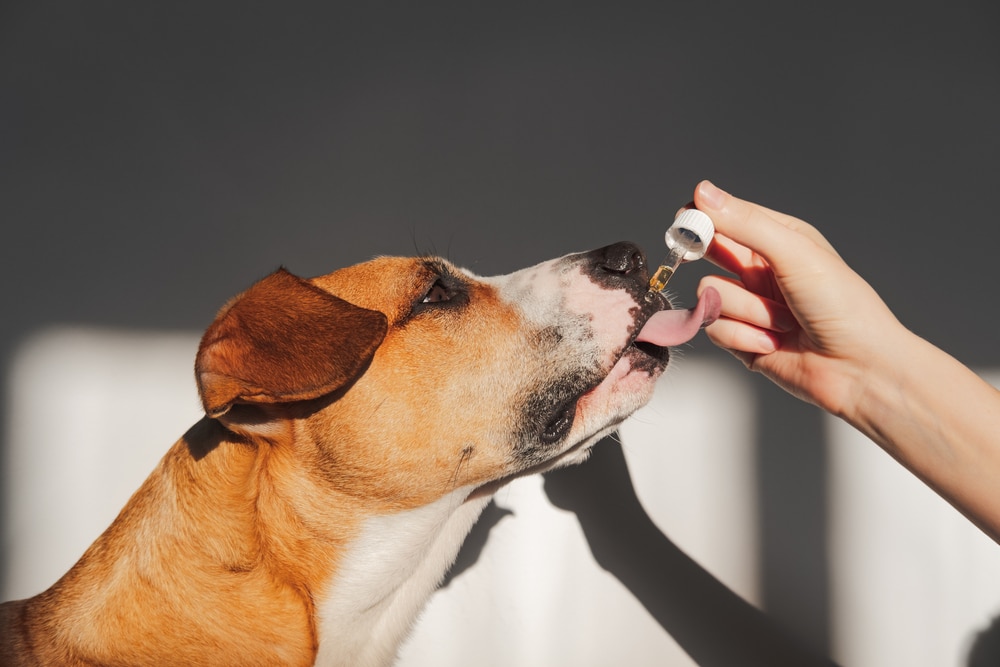
Omega-3 fatty acids, especially DHA and EPA, play an important role in supporting brain health and healthy brain cell function. Adding an appropriate source of omega-3s to your dog’s diet can help support cognitive function as they age. These beneficial fats may also provide additional support for joint health, skin, and coat quality.
2 – Support the Brain with Turkey Tail Mushrooms

Medicinal mushrooms are gaining attention for their immune and brain benefits, and turkey tail mushrooms are at the forefront. Rich in antioxidants and anti-inflammatory compounds, they may help protect the brain from cognitive decline. The Turkey Tail Mushrooms for Dog Lumps, Bumps and Immune Support (on Amazon) offer a natural way to support both mental and physical health, making them a smart addition to any senior dog’s routine.
3 – Use a Senior-Focused Multivitamin
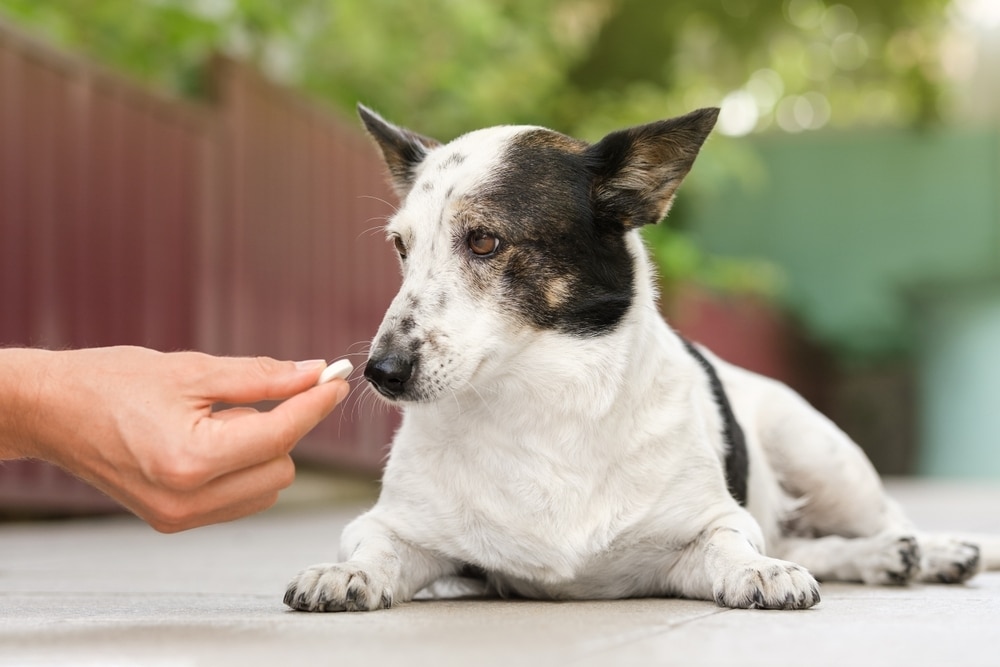
Older dogs have different nutritional needs than younger ones, and a senior-focused multivitamin can provide extra support as they age. Formulas with essential vitamins, minerals, and antioxidants may help support heart, joint, immune, and cognitive health. Adding the right supplement to a balanced diet can be a simple way to support your senior dog’s overall health and well-being.
4 – Choose Calming, Brain-Friendly Chews

As dogs age, they can become more anxious or confused. Calming chews that also support brain function can help them feel more secure and focused. The iHeartDogs Hemp Mushroom Chews – Mobility, Calming, and Immune Support (on Amazon) combine the soothing properties of hemp with brain-boosting mushrooms for a dual effect: calmer behavior and better cognitive support.
5 – Try a Comprehensive Anti-Aging Supplement

Instead of juggling multiple products, you can opt for a supplement that supports several areas of aging at once. The Senior 7 Anti-Aging Support for Dogs with Antioxidants, Omega-3, and Probiotics (on Amazon) is a one-stop blend designed to promote brain function, gut health, and mobility. With omega-3s, probiotics, and antioxidants, it helps dogs age with strength and clarity.
6 – Provide Mental Stimulation Every Day
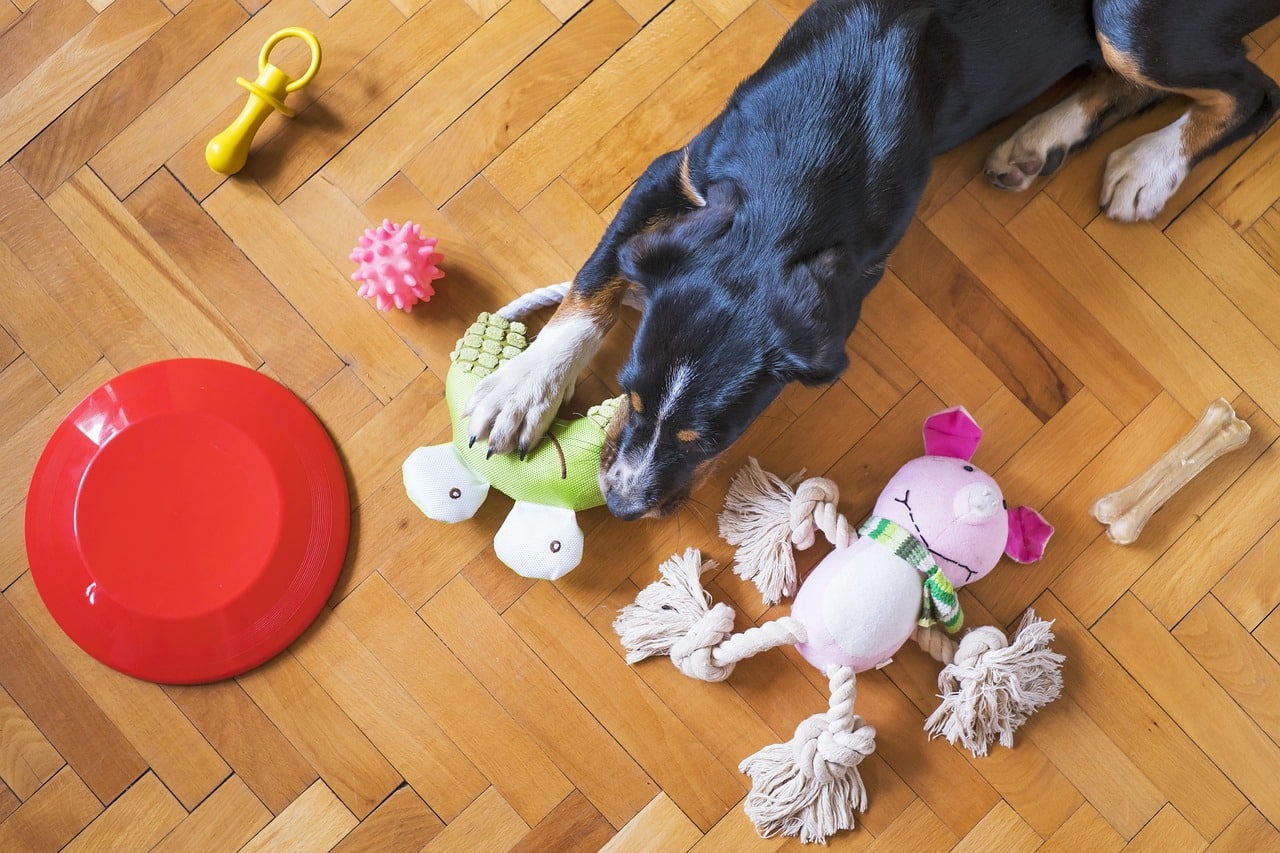
Cognitive enrichment is one of the most important ways to support your dog’s brain. Introduce puzzle toys, short training sessions, and new experiences like varied walking routes to keep their mind engaged. Just 10–15 minutes of mental stimulation daily can help slow cognitive decline and keep your dog alert and curious.
7 – Keep a Calm and Consistent Routine

A calm, predictable routine can help older dogs feel more secure and reduce confusion as they experience cognitive changes. Try to keep feeding, walks, playtime, and bedtime on a consistent schedule so your dog knows what to expect throughout the day. Keeping their environment familiar and avoiding unnecessary changes can also make daily life easier and more comfortable.

Help Keep Your Dog’s Mind Active and Engaged
Supporting your dog’s cognitive health naturally is about giving their brain and body the care they need at every stage of life. A balanced diet, regular exercise, mental enrichment, and consistent routines can all play a role in maintaining healthy brain function. If you notice significant changes in your dog’s memory, sleep, behavior, or awareness, talk with your veterinarian to rule out underlying health concerns and discuss the right approach for your pup.
 Toledo, United States.