
 Shutterstock
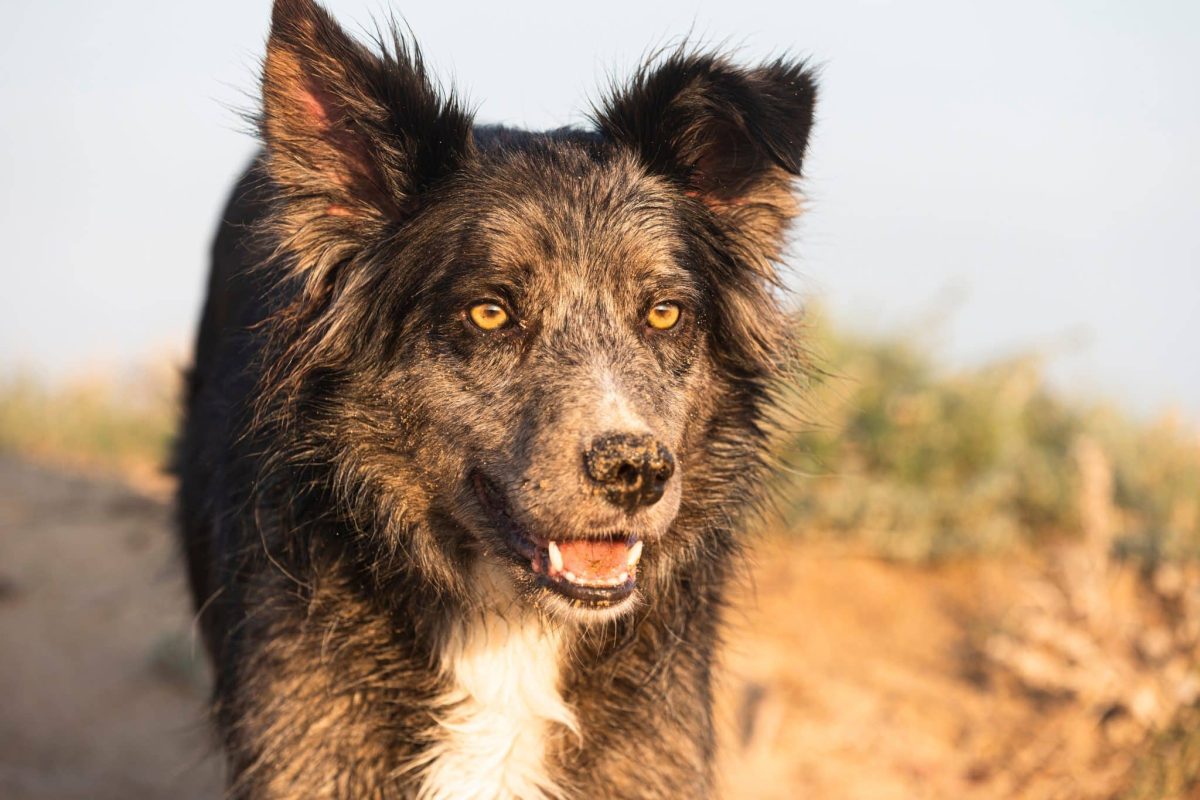
As dogs age, we begin to notice subtle changes in their behavior, appearance, and habits. These signs reflect the wisdom and experience they’ve gained over the years. While some changes are expected, others may surprise you. Aging doesn’t make your dog any less lovable or capable of enjoying life, it’s just a new phase in their journey. Here are some common signs that your dog is aging gracefully, showing that maturity can be just as charming and full of joy as youth.
Slower Movements and Less Playtime
 Shutterstock
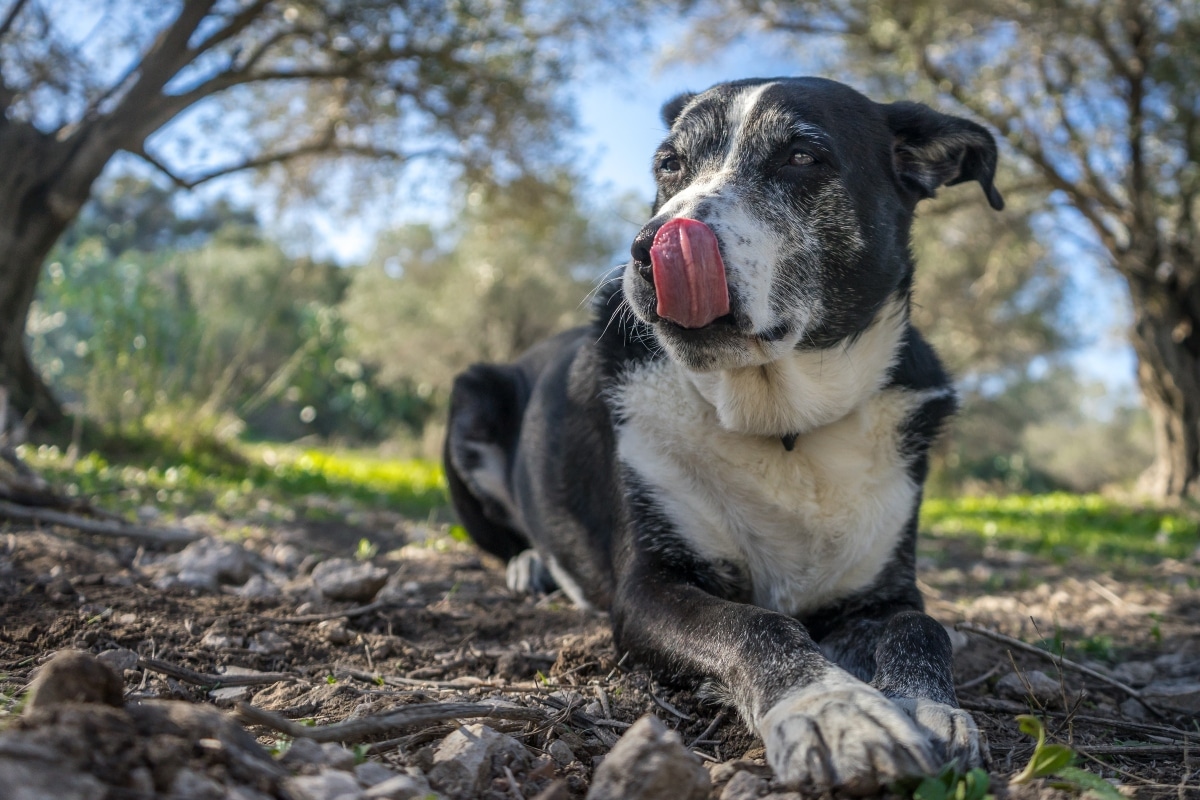
As dogs grow older, their activity levels often decrease, and they may not move as quickly as they used to. You might notice that they take longer to get up from their bed or climb the stairs. Their playful energy may seem to slow down, and they may prefer lounging around the house rather than engaging in intense play sessions. This slower movement doesn’t mean your dog isn’t still enjoying life—it’s simply their body adjusting to their age. Older dogs need more rest, and it’s important to let them take it easy while still enjoying some regular exercise.
Gray Fur Around the Muzzle
 Shutterstock
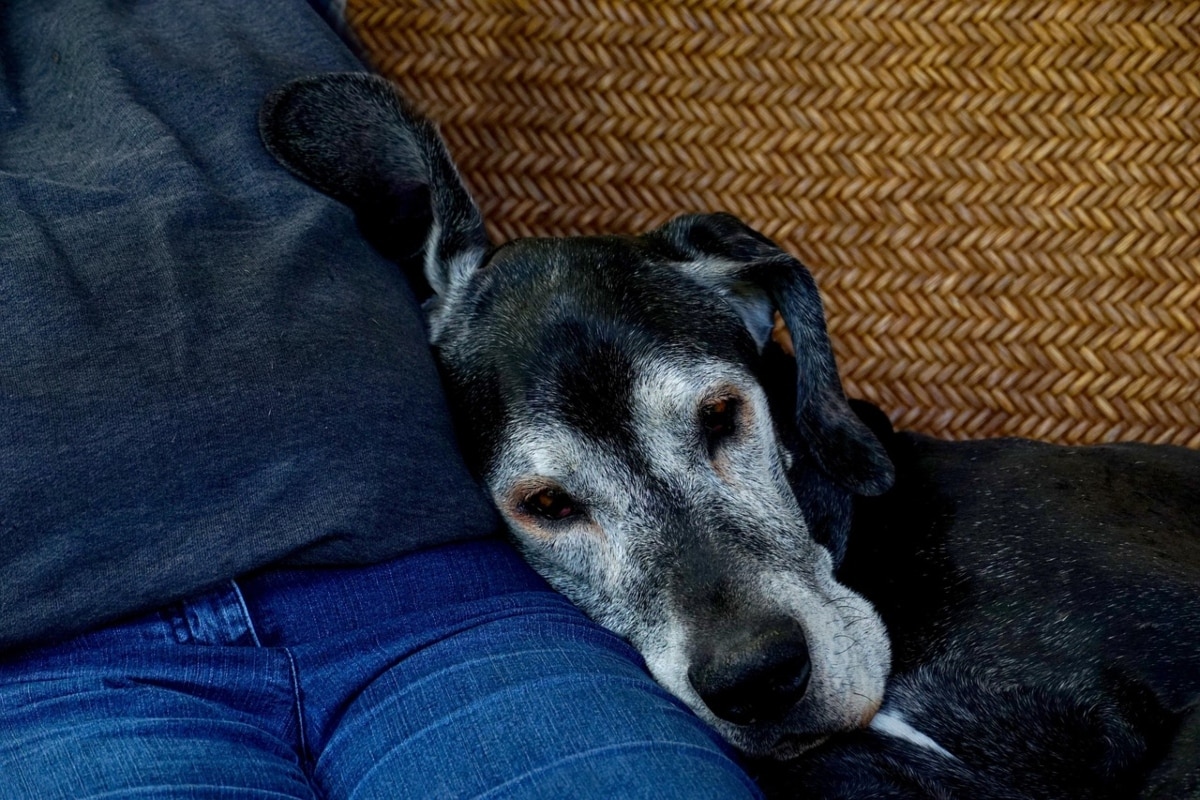
One of the most visible signs of aging in dogs is the appearance of gray or white fur, especially around their muzzle or face. Just like humans, dogs’ coats can change color as they age. The gray fur doesn’t just signal aging; it also gives them a dignified, wise look. While some dogs start graying earlier than others, it’s a natural and beautiful part of their journey. These changes are often most noticeable around their face, giving them a mature and experienced appearance that shows they’ve lived a full life.
Decreased Hearing or Vision
 Shutterstock
As dogs age, their hearing and vision often begin to decline. You may notice that your dog isn’t responding to certain sounds, like the doorbell or their favorite toy being shaken. Similarly, they may seem more hesitant when navigating around obstacles or unfamiliar places. Older dogs might take longer to adjust to new environments because their vision isn’t as sharp as it once was. These sensory declines are natural parts of aging and can be managed with some adjustments to their daily routine, like making sure they are more easily guided and keeping their environment safe.
Changes in Appetite
 Shutterstock
Older dogs often experience changes in their appetite. Some may eat less or become pickier about their food, while others might still seem interested in treats but not in their regular meals. These shifts in eating habits could be due to a slower metabolism or even dental issues that make eating uncomfortable. It’s essential to monitor your dog’s weight and health, as these changes in appetite could also signal underlying health problems. Adjusting their diet to softer food or more frequent, smaller meals can help them maintain a balanced and comfortable eating routine.
More Rest and Napping
 Shutterstock
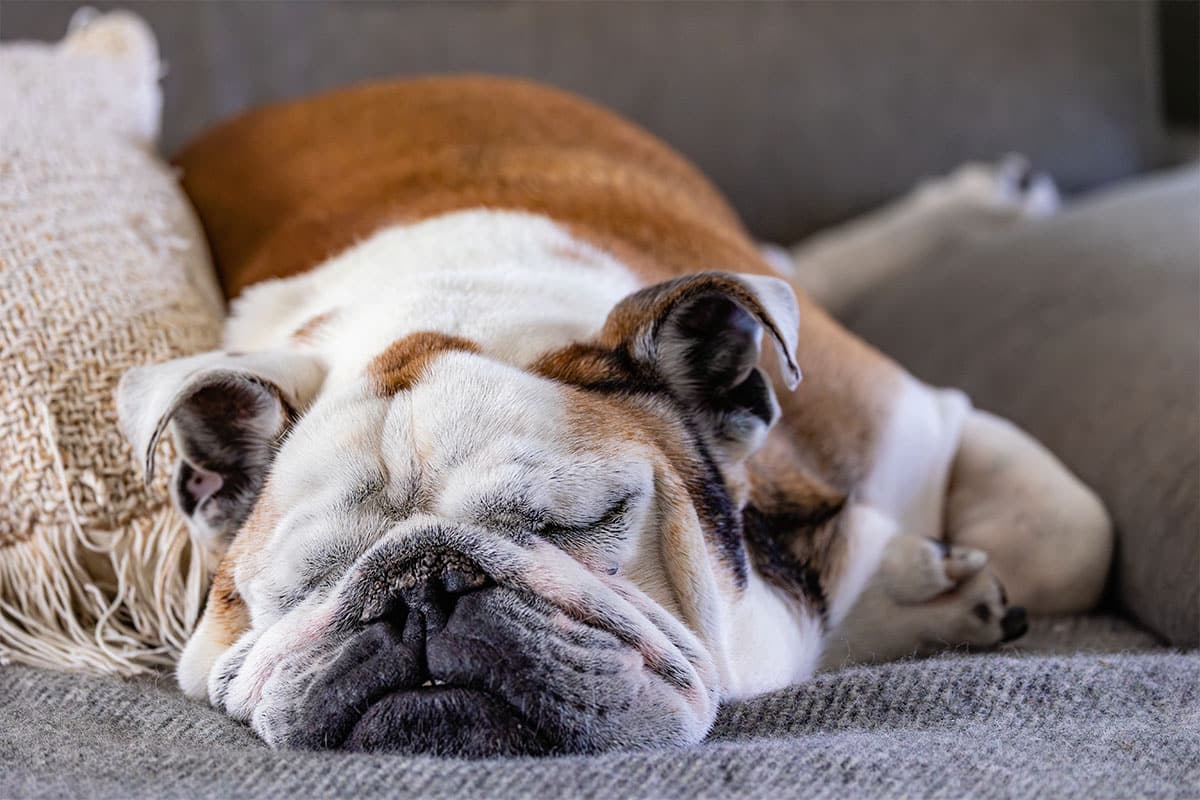
It’s no secret that older dogs need more sleep, and you might notice your dog taking more naps during the day. They may choose to rest more frequently, especially after short walks or play sessions. Their body simply requires more recovery time, so allowing them to nap and take things slow will keep them feeling comfortable. Though older dogs might nap more, they still enjoy time with their family and can often be found lounging near you, soaking up the affection and connection that comes with their golden years.
Stiffness and Joint Pain
 Shutterstock
As dogs get older, they may develop joint stiffness or arthritis, which can make movements slower and less fluid. You may notice that your dog struggles with activities they used to enjoy, like jumping onto the couch or running up the stairs. They might start limping or showing signs of discomfort after physical exertion. It’s important to consult with your veterinarian if you suspect your dog is experiencing joint pain. With proper care, joint supplements, and gentle exercise, you can help them maintain a comfortable and active lifestyle as they age.
Behavioral Shifts
 Shutterstock
Older dogs often experience changes in behavior as they adjust to their aging bodies. They might become less social, preferring solitude or quiet time over playdates or family gatherings. Alternatively, some dogs may become more clingy or seek extra attention from their owners. These behavioral changes are often linked to aging-related issues, such as sensory decline or joint pain. It’s essential to give them the space and comfort they need while remaining mindful of their emotional well-being. These behavioral shifts are simply a way for them to cope with the changes that come with getting older.
Dental Issues
 Shutterstock
Dental health often declines as dogs age, leading to issues like plaque buildup, gum disease, or tooth loss. You may notice your older dog having trouble eating certain foods or even showing signs of pain when chewing. Their breath might also become more pungent due to bacterial buildup. Regular dental checkups are essential to keeping your dog’s mouth healthy, and you may need to switch to softer food or treats that are gentler on their teeth. Dental hygiene plays a crucial role in your dog’s overall health, so it’s important to maintain a good oral care routine as they age.
Weight Changes
 Shutterstock
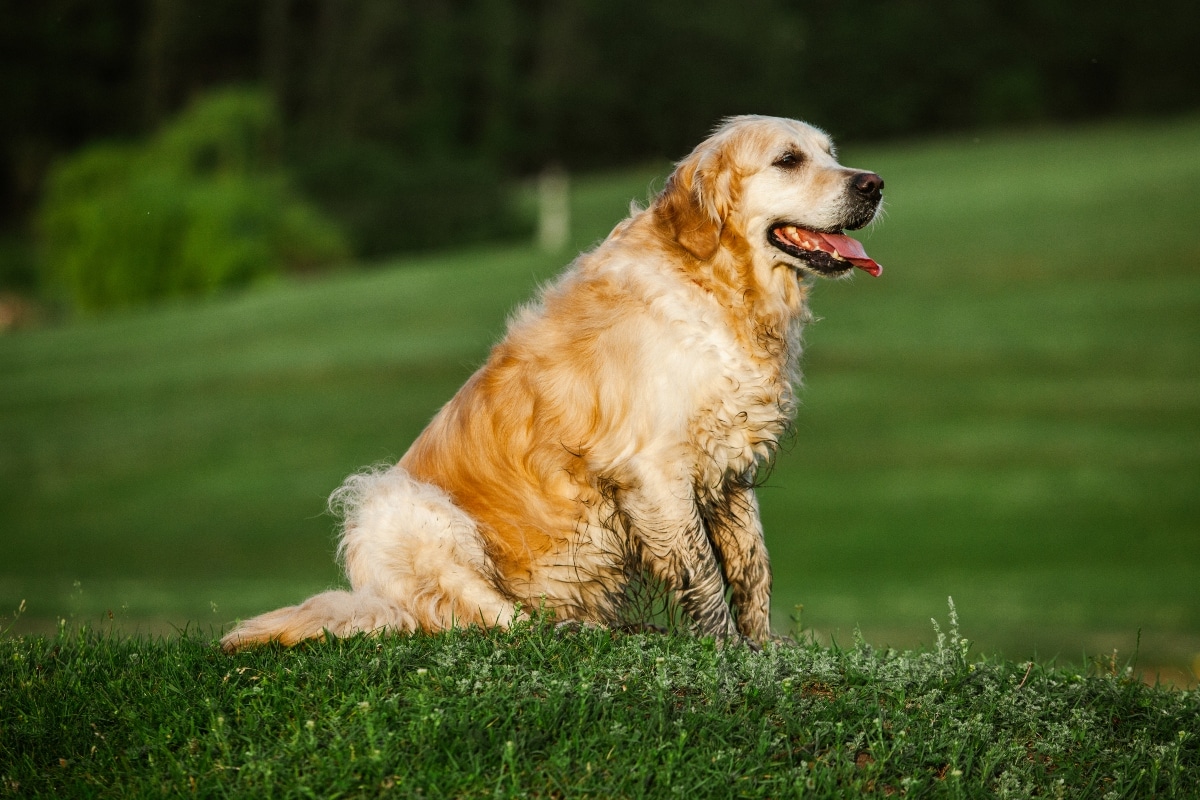
Older dogs may experience weight fluctuations as their metabolism slows down. Some may gain weight because they are less active, while others might lose weight due to a reduced appetite or difficulty eating. Monitoring their weight closely is crucial because obesity can lead to other health issues like joint problems or heart disease, while underweight dogs may suffer from malnutrition or weakness. Adjusting their diet and exercise routine to suit their age and physical needs can help maintain a healthy weight. Regular vet check-ups can also ensure they’re staying on track with their nutrition.
Changes in Barking or Vocalization
 Shutterstock
As dogs age, their barking habits may change. Some older dogs become less vocal, either because their hearing has declined or because they’re more content and less anxious. Others might become more vocal as they develop cognitive dysfunction, which can affect their behavior and communication. If your dog’s vocalizations change significantly, it’s important to observe their behavior for signs of discomfort or confusion. While it’s natural for some dogs to bark less as they age, excessive barking or changes in their usual vocal patterns might indicate underlying health or behavioral issues that require attention.
Cognitive Decline (Canine Cognitive Dysfunction)
 Shutterstock
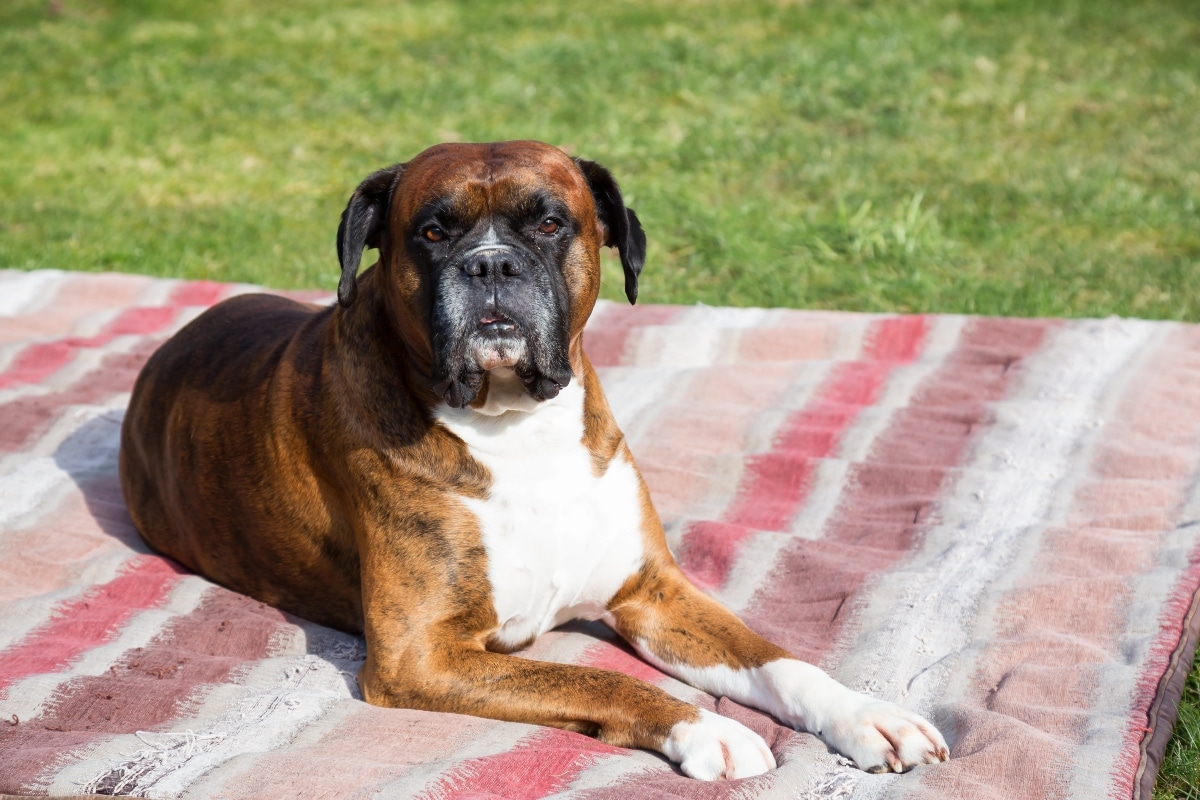
Canine Cognitive Dysfunction (CCD) is a condition similar to Alzheimer’s disease in humans, and it can affect older dogs. Symptoms of CCD include confusion, disorientation, altered sleep patterns, and changes in behavior. You might notice your dog wandering or forgetting previously learned commands. While CCD is not uncommon in aging dogs, it’s important to consult with a veterinarian to determine if your dog’s cognitive function is being affected. There are medications and strategies available to help manage symptoms and improve their quality of life.
The Aging Dog Chronicles
 Shutterstock
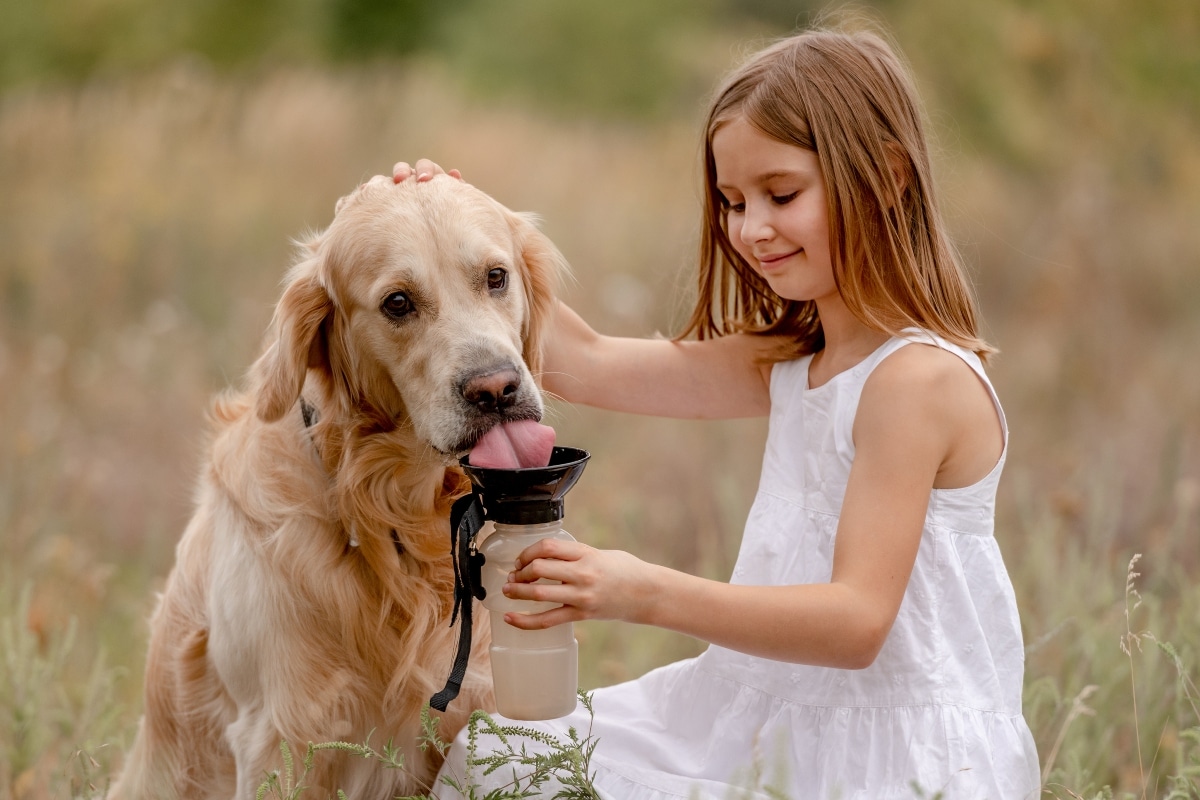
Watching your dog grow older is a bittersweet experience. The visible signs of aging remind us of the bond we share, and while it can be tough to see them change, aging doesn’t take away from their loving nature. Older dogs often become even more attached, mellow, and affectionate, enriching our lives in new ways. Paying attention to the signs of aging ensures they continue living comfortably and joyfully. With the right care and attention, senior dogs can bring love, joy, and happiness to your life for many years.
 Toledo, United States.