
Some dog breeds have evolved or have been specifically developed to thrive in cold climates, making them perfect companions for snowy, icy environments. These breeds typically possess a combination of thick, double-layered coats, endurance, and strength, which allow them to perform in cold weather where other breeds might falter. Known as snow dogs, these breeds often share a history of working in harsh, frigid conditions, serving as sled dogs, reindeer herders, or mountain rescue dogs. Their remarkable abilities in snow and cold have not only made them invaluable workers but also beloved pets who can enjoy winter activities alongside their owners. This article explores six dog breeds that are perfectly suited for cold weather, detailing their characteristics, historical significance, and why they excel in snowy landscapes.
1. Siberian Husky
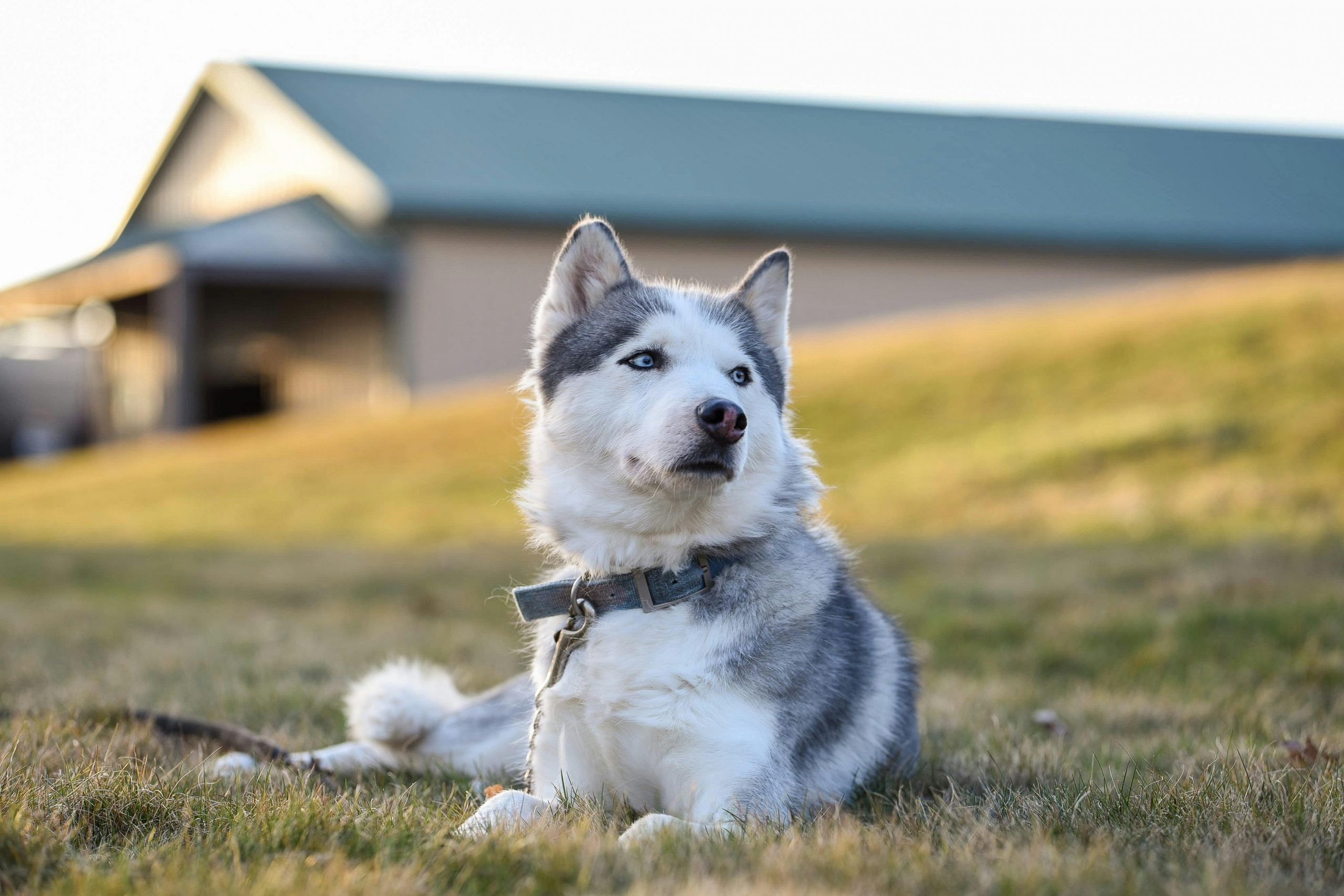
Siberian Huskies are synonymous with snow and endurance. Originally bred by the Chukchi people in Siberia, these dogs were designed to pull sleds over long distances with minimal food and in harsh conditions. Weighing between 35 to 60 pounds, Huskies are medium-sized dogs, but what they lack in size, they make up for in stamina and agility. Their double-coated fur, which includes a dense undercoat and a longer topcoat, provides excellent insulation against extreme cold, making them ideal for snowy environments. Siberian Huskies have distinctive markings and striking blue or multi-colored eyes, which add to their visual appeal. They are known for their friendly and gentle temperament, although they can be independent and sometimes stubborn, traits that helped them survive in harsh Siberian landscapes.

2. Alaskan Malamute
The Alaskan Malamute, one of the oldest Arctic sled dogs, is robust and built for stamina and strength. Weighing up to 85 pounds or more, Malamutes are larger and more powerful than Siberian Huskies, making them well-suited for hauling heavy loads over snow and ice. Their thick coat, which is waterproof and dense, protects them against freezing temperatures. Malamutes have a deep loyalty to their family but can show a natural reserve with strangers. They are known for their quiet dignity and impressive presence but require firm, consistent training and plenty of exercise to manage their strong will and independence. Alaskan Malamutes thrive in outdoor activities and make excellent companions for people who lead active, adventurous lives in cold climates.
3. Samoyed
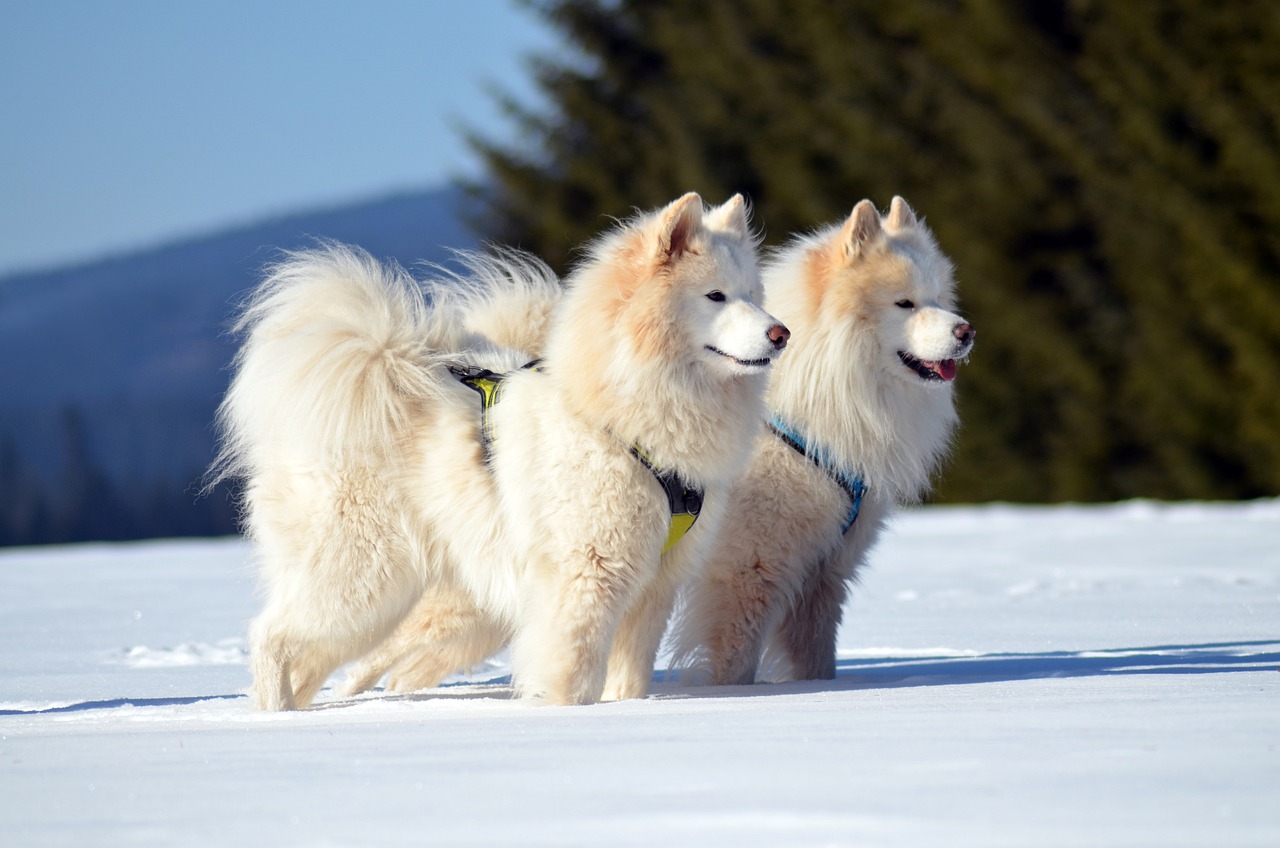
The Samoyed, with its stunning white coat and smiling expression, is not only a beautiful breed but also an effective worker in cold environments. Originally used for hunting, herding reindeer, and hauling sleds in Siberia, Samoyeds are equipped with a dense, double-layer coat that protects them from brutal cold. Weighing between 50 to 60 pounds, they are strong yet agile, capable of performing a variety of tasks. Their “Sammy smile” is not just endearing but also functional, preventing drool from drooping and freezing in cold temperatures. Samoyeds are known for their friendly disposition and are often very affectionate and gentle with children, making them excellent family pets as well as hardy snow dogs.
4. Norwegian Elkhound
The Norwegian Elkhound is an ancient breed that has been used for hunting large game, such as moose and bear, in the snowy forests of Norway. Their compact and sturdy body, weighing around 50 pounds, is well-suited for maneuvering through dense snow and cold conditions. The Elkhound’s thick, weather-resistant coat provides insulation and also sheds dirt and snow easily. These dogs are known for their courage, independence, and loyalty. They possess a sharp intelligence and a spirited nature, often barking to communicate their findings or alert their owners. Norwegian Elkhounds are energetic and require regular exercise, making them great companions for active, outdoor-oriented families in cold climates.
5. Canadian Eskimo Dog
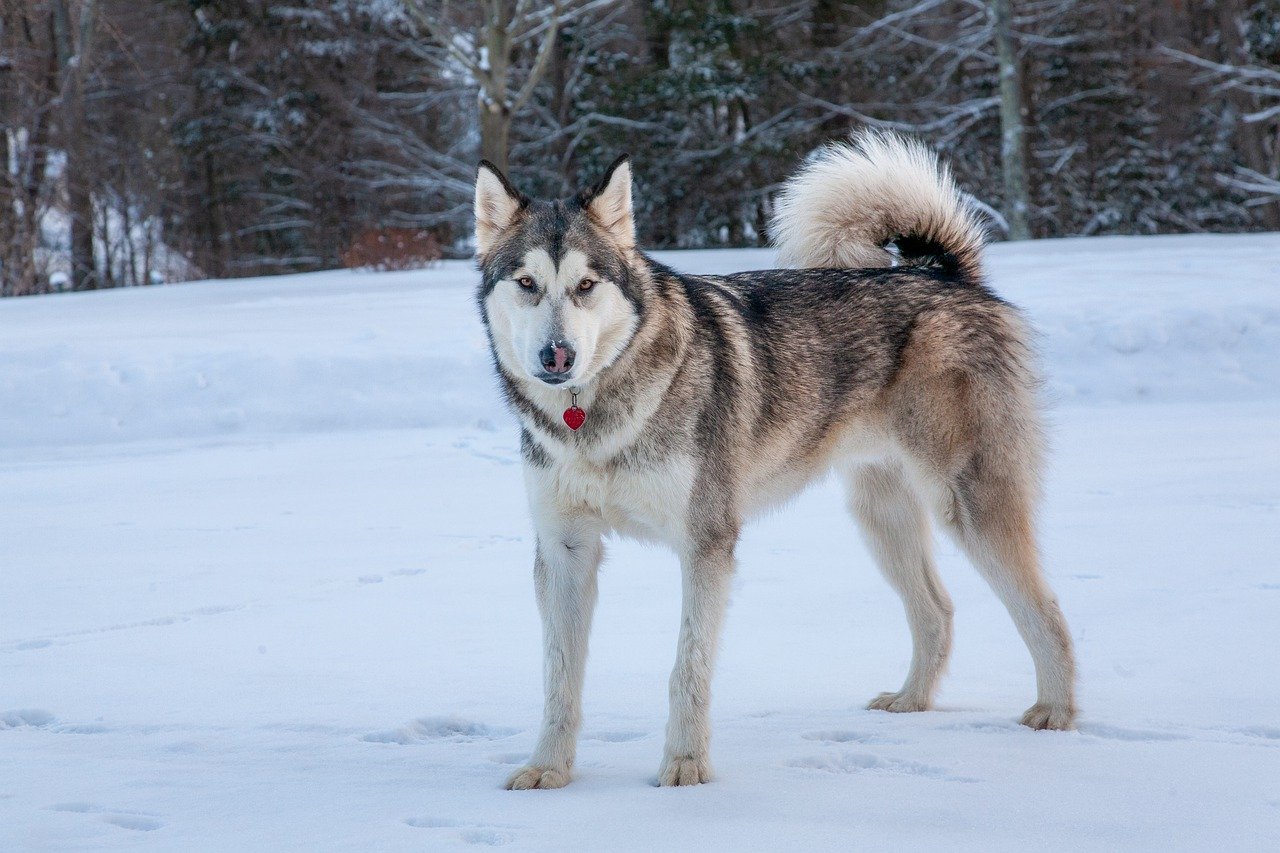
The Canadian Eskimo Dog is one of North America’s oldest and rarest working breeds, originally bred by the Inuit for pulling heavy sleds across vast, cold arctic expanses. Weighing between 60 to 100 pounds, these dogs are powerful, with a thick coat that provides excellent protection against harsh winter weather. They are known for their strength, endurance, and versatility in performing a variety of tasks. Canadian Eskimo Dogs are highly intelligent and have a strong pack mentality, making them well-suited to team-based work like sledding. They require a significant amount of exercise and mental stimulation to keep them healthy and content, thriving in environments that challenge their physical and mental abilities.
6. Akita
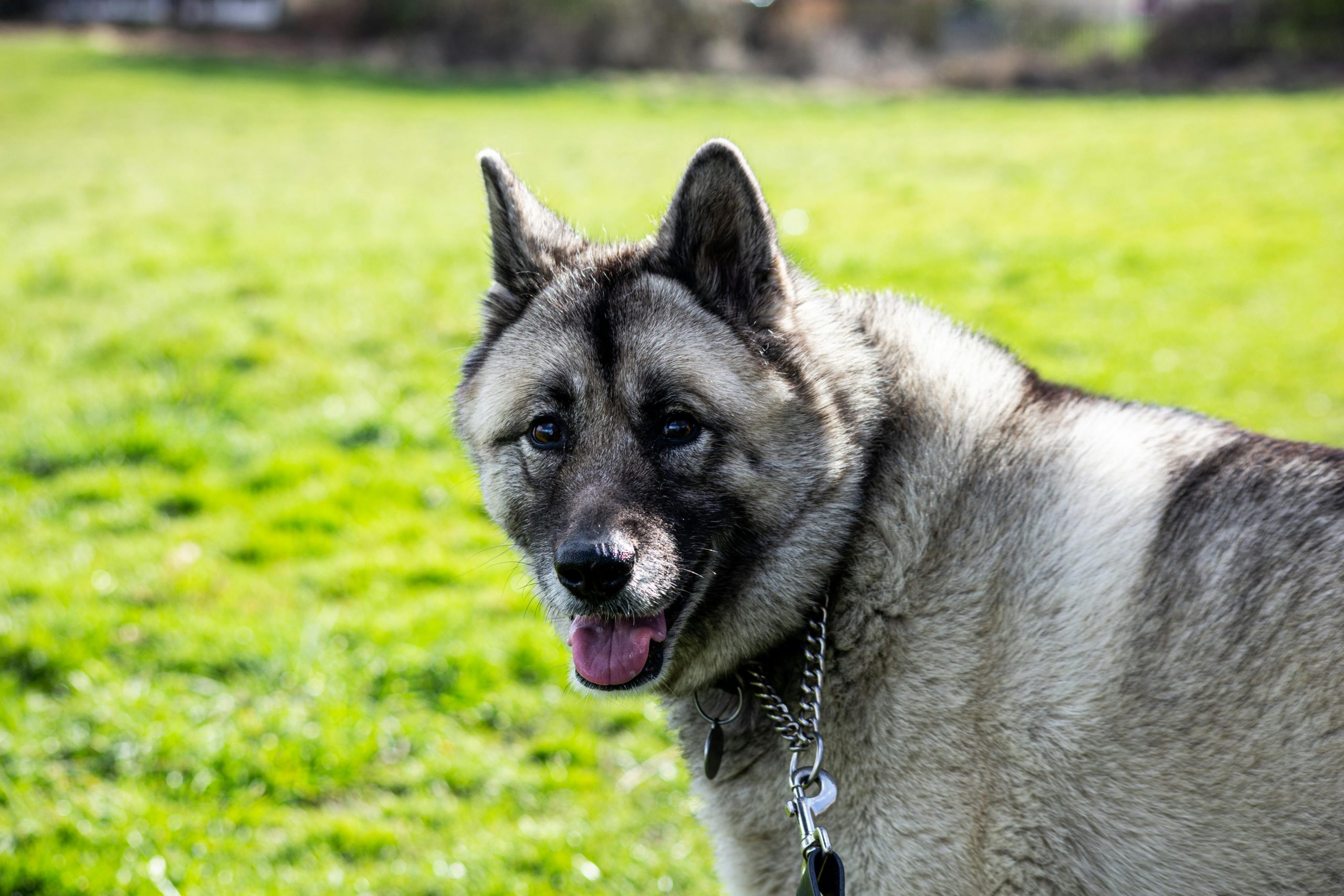
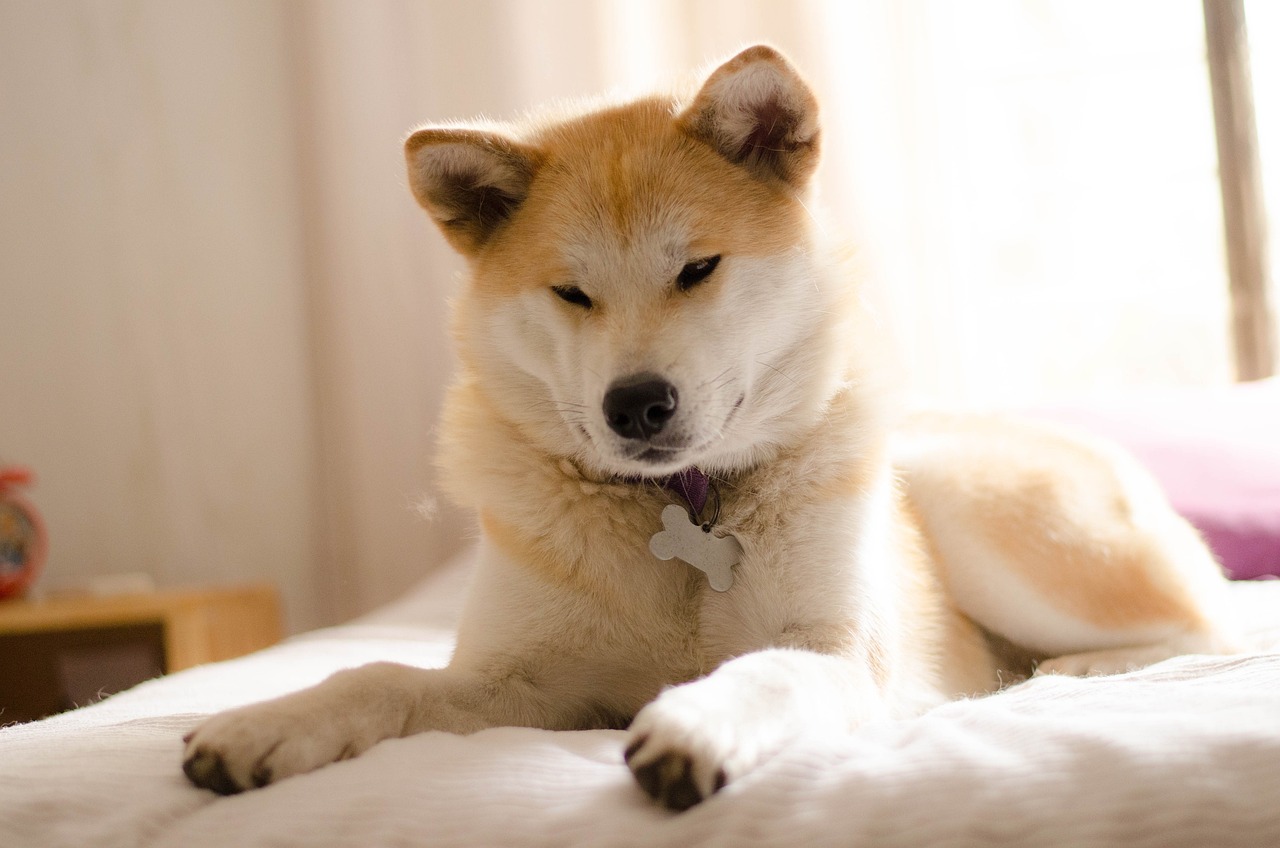
The Akita is a large breed from Japan, known for its noble and intimidating presence. They have a dense double coat that sheds heavily twice a year and provides significant insulation against cold weather. Originally used for hunting deer and bears in snowy, mountainous regions, Akitas are robust and resilient, with a weight ranging from 70 to 130 pounds. They are fiercely loyal to their families and can be reserved, even aloof, with strangers, traits that made them excellent guardians. Akitas are relatively quiet but will bark to alert their owners of anything unusual, making them effective watchdogs in remote and cold regions.
The dog breeds highlighted here are well-suited for life in cold climates, thanks to their physical traits, historical backgrounds, and adaptive abilities. Each breed not only copes well with snowy and icy conditions but also thrives in them, whether pulling sleds, guarding homesteads, or providing companionship during winter adventures. Owning one of these breeds in a cold climate can be immensely rewarding, as these dogs are not only equipped to handle the physical challenges but also bring joy, loyalty, and energy to their human companions.
 Toledo, United States.