
 Shutterstock
There’s something irresistibly charming about fluffy dogs, their fur seems to soften the world, inviting cuddles and calm. Behind every cloud of hair lies a surprising function, clever instincts, and hidden quirks. Their double coats act like personal climate machines, keeping them warm in winter and cool in summer. Grooming isn’t just about vanity; it prevents skin problems and fosters a daily bond. Beneath all that fluff, many dogs possess sharp minds and impressive instincts, reminding us that they’re more than cute – they’re intelligent, functional, and incredibly loyal companions.
Climate-Control Coats
 Shutterstock
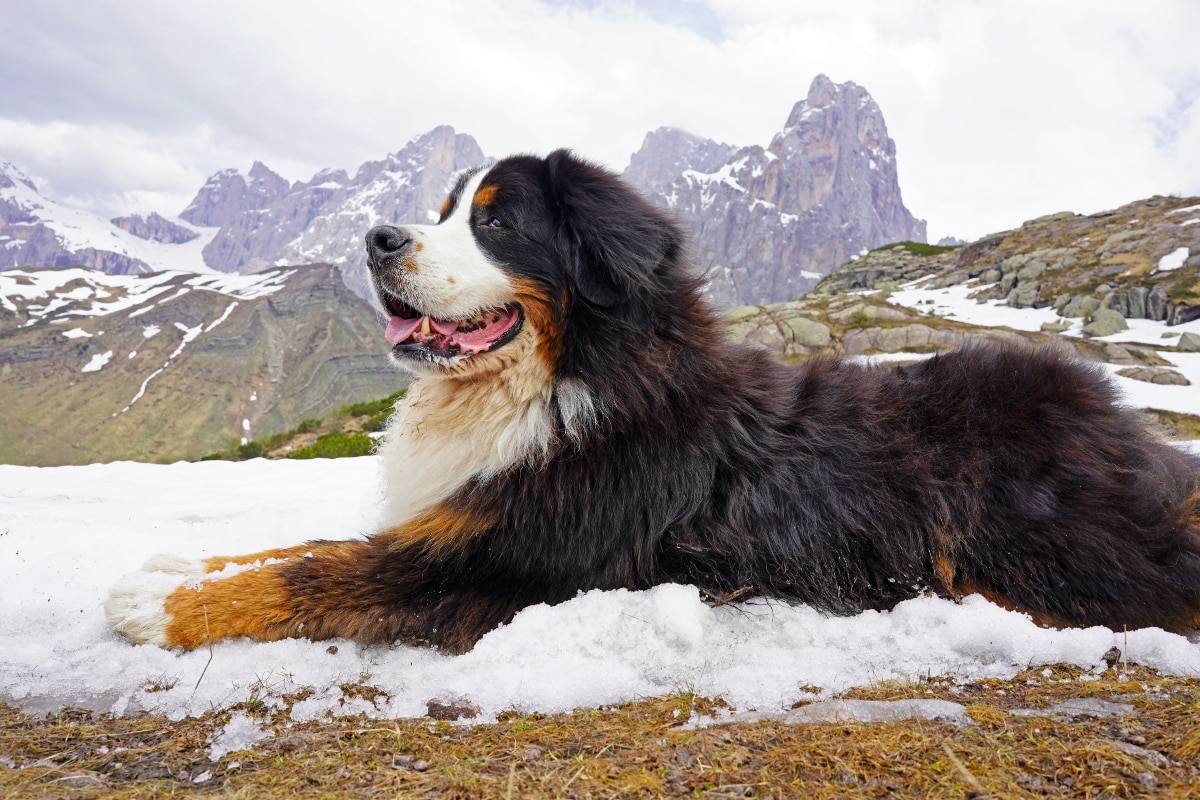
Fluffy dogs often boast double coats that naturally regulate body temperature. The dense underlayer traps air for warmth, while the outer guard hairs repel moisture. Seasonal shedding allows air to circulate through the coat as the temperature shifts. It’s a built-in, low-maintenance thermostat.
Health-First Grooming
 Shutterstock
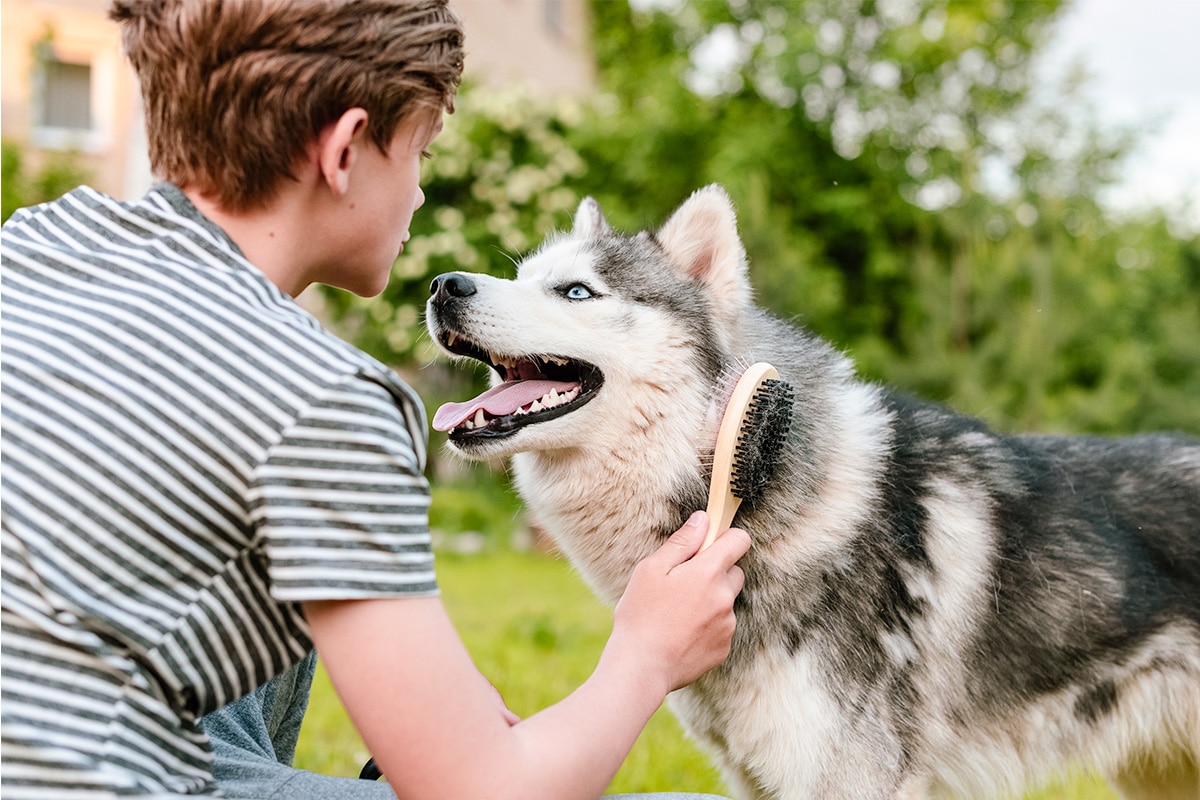
Brushing fluffy fur isn’t just about aesthetics—it protects skin and comfort. Without regular care, moisture and debris can cause mats, hot spots, or fungal issues. Gentle grooming promotes air circulation and helps spot-check for parasites or wounds. It’s a simple ritual with big health benefits.
Sun-Blocking Fur
 Shutterstock
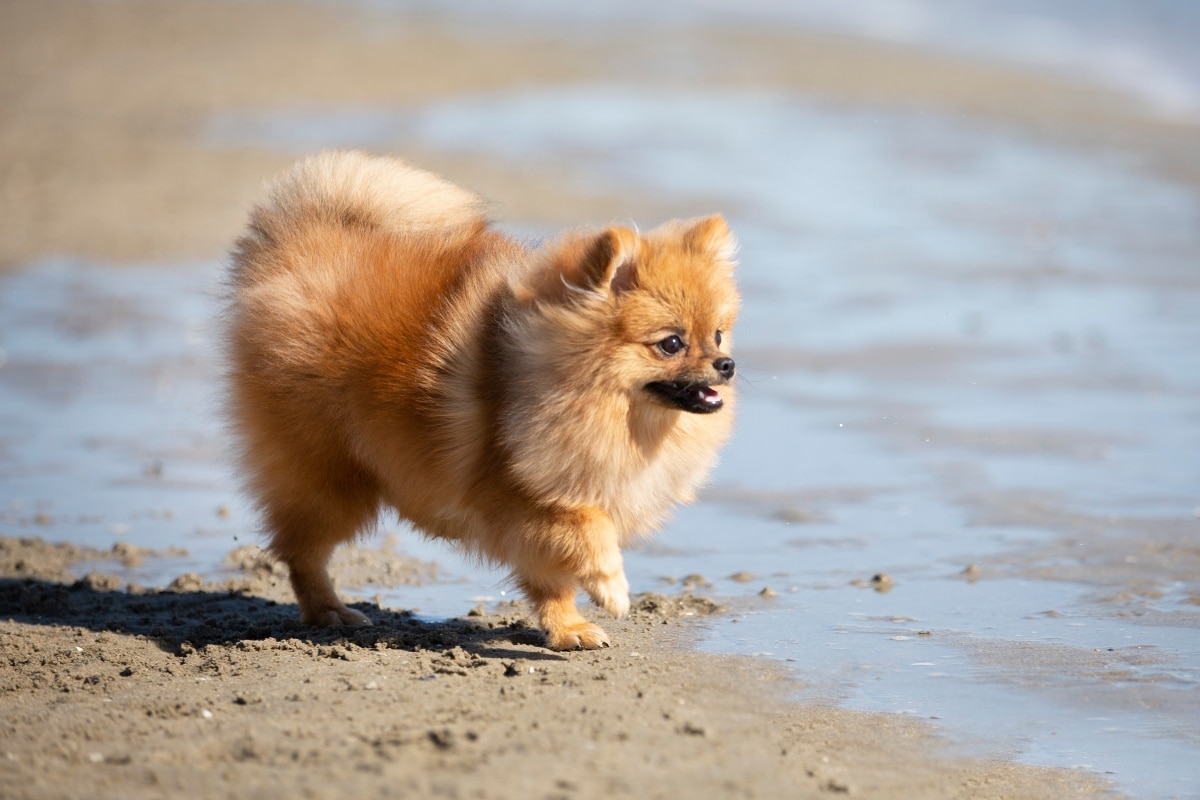
That thick, fluffy coat does more than look cute—it shields skin from UV rays. Areas with denser fur get natural sun protection, reducing the chances of sunburn. Of course, exposed spots like bellies still need sunscreen, just not the furry ones. Fur is your pup’s own SPF.
Hidden Body Language
 Shutterstock
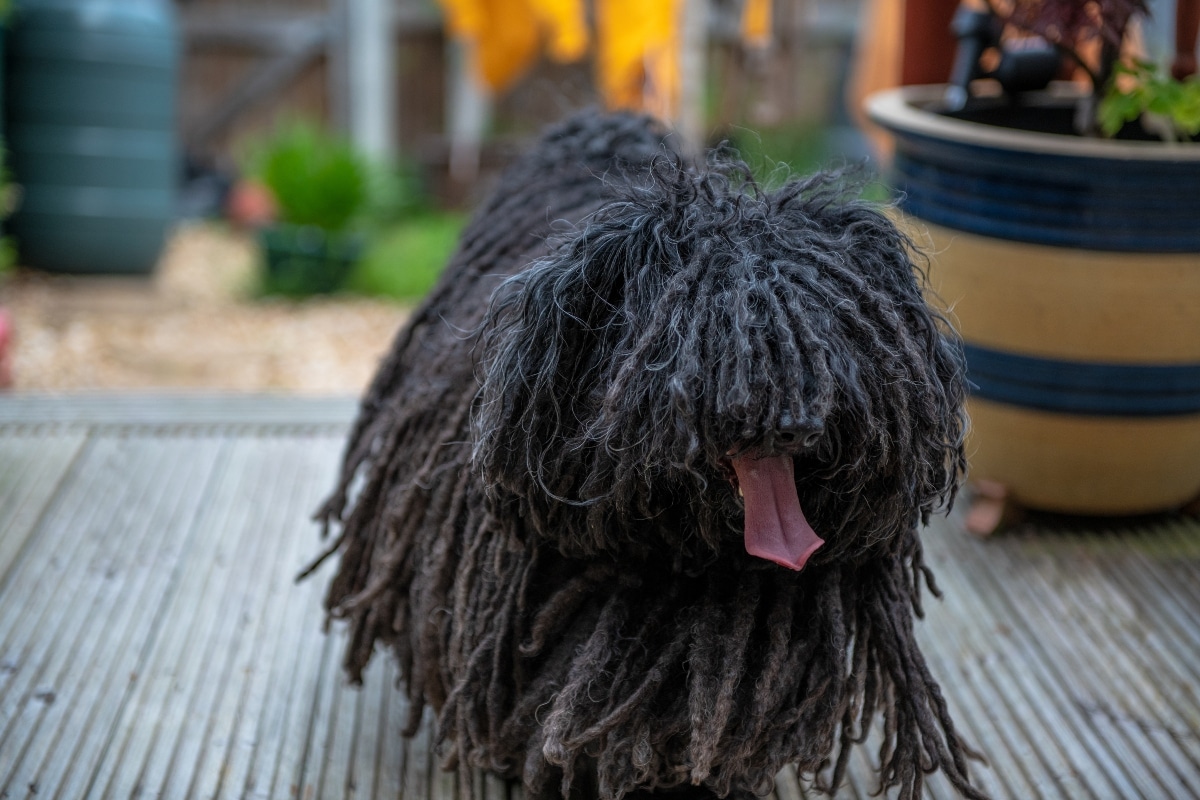
Fluff can mask subtle signals, such as tight tails or anxious hackles, making mood-spotting trickier. Owners must peek beneath the fluff to catch body language cues. Learning movement under the coat builds stronger bonds and better communication. A fluent pup-whisperer reads beyond fur.
Working Roots
 Shutterstock
Many fluffy breeds descend from working stock, such as herding dogs, Spitz, or Mountain types. Their coats evolved for outdoor work in cold or wet environments. That hardy genetics remains in their instincts—even in couch-loving fluffballs. Their fluff has history.
Social Magnets
 Shutterstock
Fluffy coats attract petting and attention everywhere, from sidewalks to dog parks. This social charm benefits dogs mentally, but also requires polite greeting training. Teaching them calm responses keeps attention positive and not overwhelming. Fluff isn’t just fluff—it’s a conversation starter.
Noise-Softening Fluff
 Shutterstock
Surprisingly, a thick coat around the ears and neck can muffle ambient noise. That helps reduce stress in loud environments, such as crowds or kennels. While not a substitute for desensitization, it offers gentle comfort. Fluff sometimes serves as Mother Nature’s earbuds.
Clean Shedding
 Shutterstock
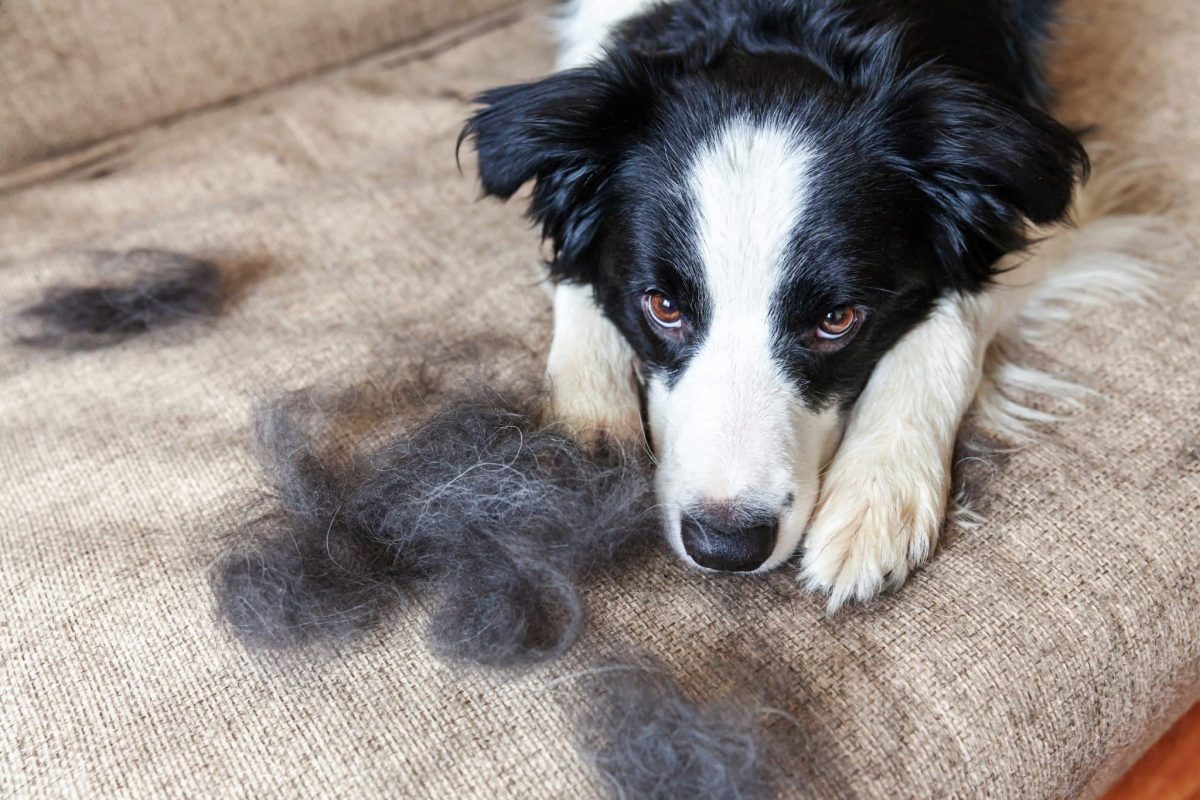
Shedding fluffy fur doesn’t mean a dirty dog—it’s a renewal process. Old hair makes way for healthier regrowth and fresh insulation. A good brushing routine spreads healthy oil throughout the coat and keeps the house clean. Fluff isn’t mess—it’s maintenance.
Static Surprises
 Shutterstock
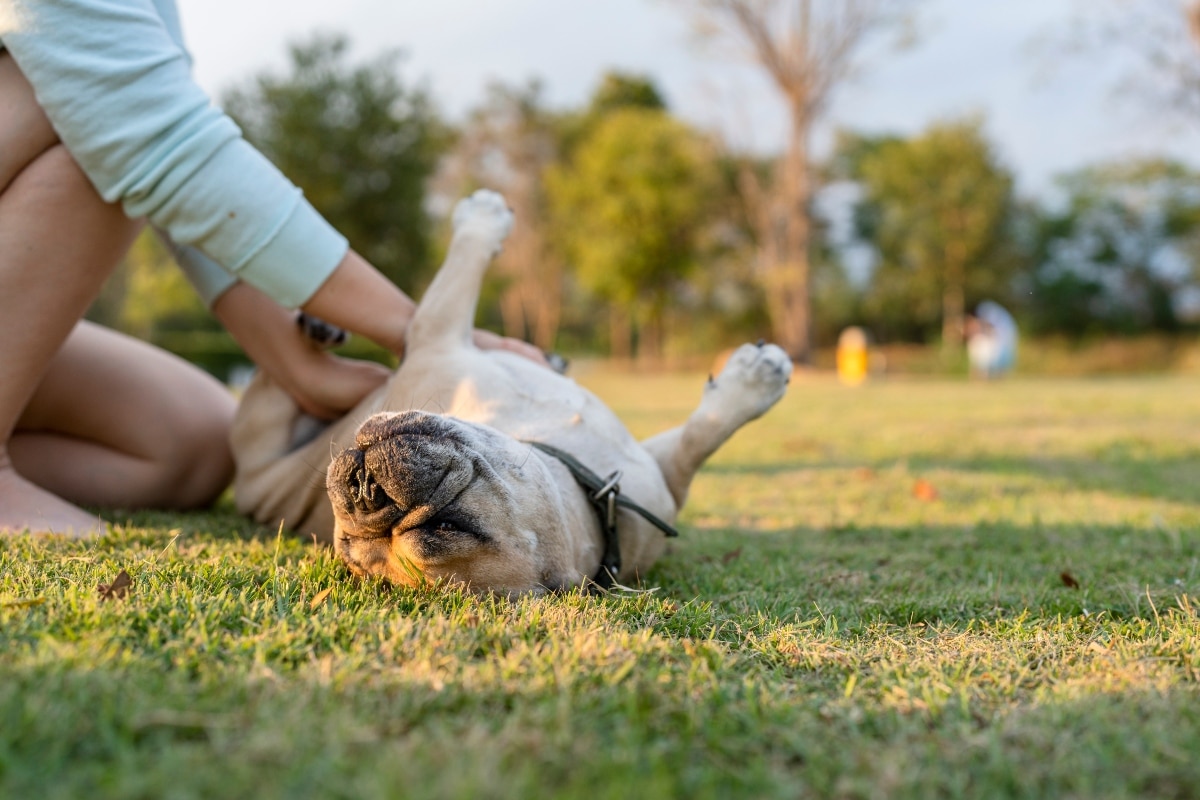
On dry days, fluffy coats can build static electricity, sometimes giving gentle “crackles” when petted. It’s harmless, yet surprising to both the pup and its owner. A misting bottle or humidifier often resolves it. Your fluffy friend may bring sparks, just not of trouble.
Brains Under the Fur
 Shutterstock
Fluffy breeds like Border Collies, Poodles, and Samoyeds often come with high smarts. Many were bred for work—herding, guarding, pulling sleds—so they’re wired for problem-solving. Their intellect shines during training, play, and bonding. Their fur hides brains in golden retriever coats.
Respectful Fluffballs
 Shutterstock
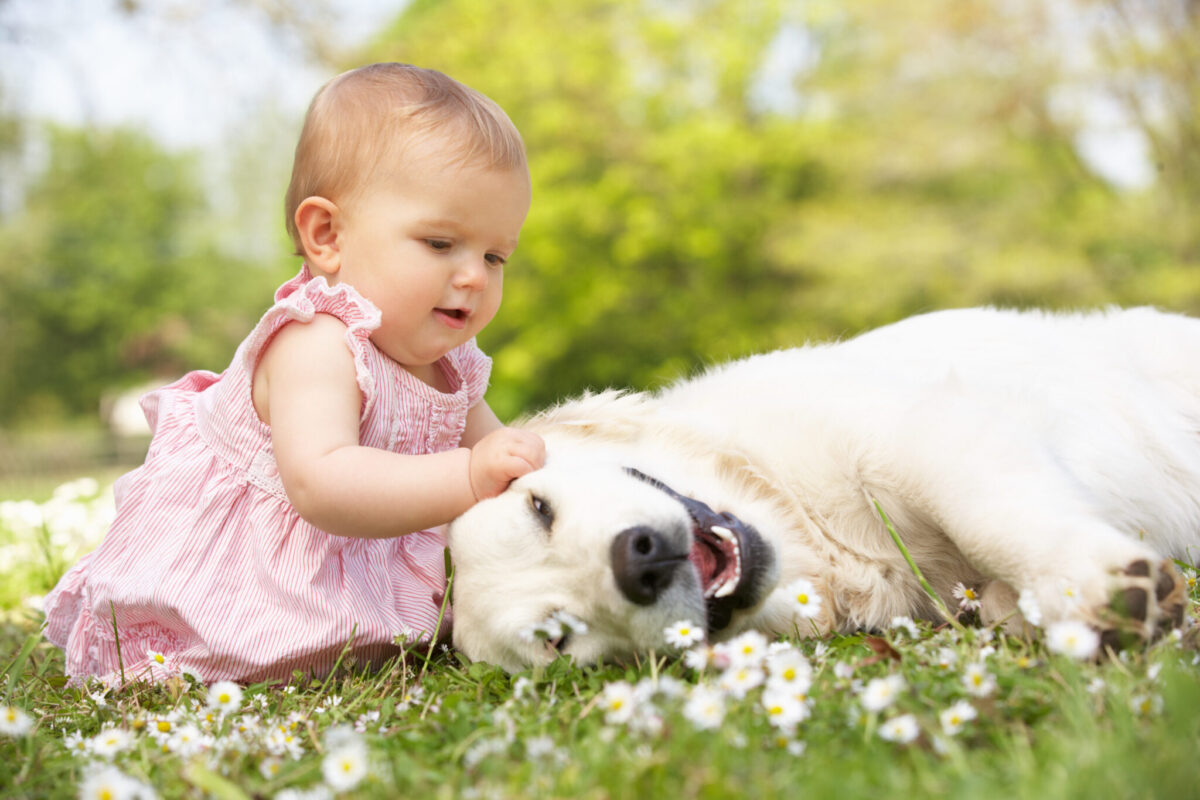
Because they attract attention, many fluffy dogs learn self-restraint early, only accepting pats on their terms. Consistent handling teaches them to respect boundaries and adopt a polite approach. With this guidance, they interact with confidence and calm. Their fluff begs for love, but respect is key.
Coat Health Clues
 Shutterstock
Watch a fluffy dog’s coat for signs of illness—dullness, thinning, or coat change can point to internal issues like hormonal imbalance or poor diet. Regular grooming reveals early health signals. Healthy fluff equals healthy pup. A shiny coat often signals a happy pet.
Instincts Beneath the Curls
 Shutterstock
Under that fluff lie working instincts—some may still feel the need to herd, pull, or vocalize. They might spontaneously circle your kids or bark at squirrels like they’re on duty. Fluff can hide drive but never dull it. Their instincts sneak up amid the soft fur.
The Fluff That Keeps On Giving
 Shutterstock
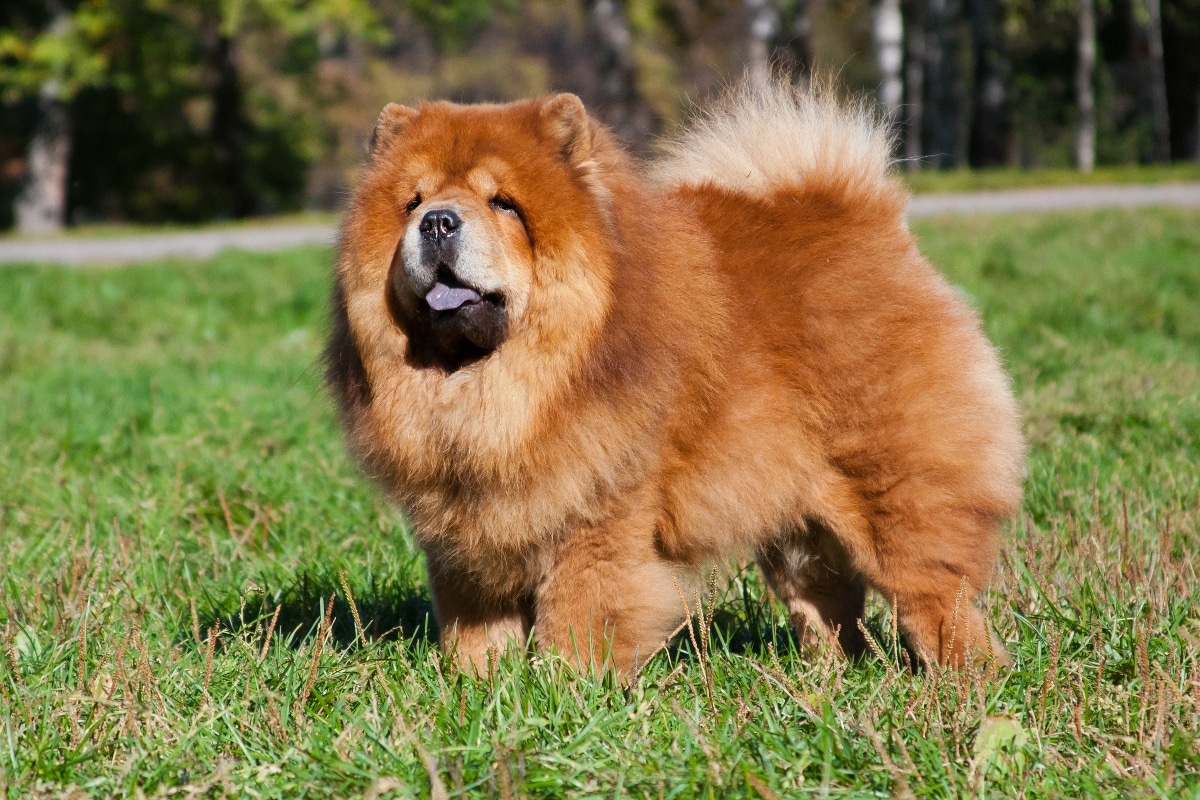
Fluffy dogs are more than just adorable bundles of fur; they are a combination of intelligence, instincts, and health wrapped up in softness. Their coats do more than add to their cuteness; they serve as a functional, protective layer and a form of communication. Caring for their fur reveals how it contributes to their overall well-being, providing warmth, protection, and fostering connections. The next time your furry friend curls up next to you, remember you’re sharing a bond that blends biology, nature, and comfort.
 Toledo, United States.