
iHeartDogs is reader-supported. When you buy via links on our site, we may earn an affiliate commission at no extra cost to you.
Small dogs may come in compact packages, but nobody told them they are supposed to have small personalities. A Chihuahua can take fetch as seriously as a Labrador, a Yorkie can tackle a puzzle with impressive determination, and plenty of little dogs can make a squeaky toy the highlight of their entire afternoon. The right toys give small dogs opportunities to chase, chew, sniff, problem-solve, tug, and simply curl up with a favorite plush friend.
The best toys for small dogs aren’t simply miniature versions of what bigger dogs play with. Size matters because a toy needs to be manageable enough for a little mouth to grab and carry without being so small that it could be swallowed. Play style matters just as much. A gentle companion who treasures plush animals needs something very different from a determined little chewer who considers every squeaker a challenge.
Safety should always be part of choosing dog toys, too. No toy is indestructible or appropriate for every dog, so consider your pup’s individual size, chewing habits, age, and dental health. Supervise play with new toys, inspect favorites regularly for damage, and retire anything with loose pieces, exposed stuffing, frayed rope, or chunks it could swallow.
With those considerations in mind, we’ve rounded up some of our favorite toys that offer small dogs plenty of ways to have big fun.

How We Chose the Best Toys for Small Dogs
A great toy box should offer more than a collection of nearly identical squeakers. We looked for toys that encourage different types of activity, including fetching, chewing, tugging, sniffing, problem-solving, and cuddling. That variety allows small dogs to exercise both their bodies and their brains while giving owners options for different moods and situations.
We also prioritized products available in sizes that can work for smaller dogs. That’s especially important with balls and chew toys, where an inappropriate size can turn an otherwise fun product into a potential safety problem. However, “small” isn’t a universal measurement. A 5-pound Chihuahua and a sturdy 20-pound terrier may both fall into the small-dog category while requiring very different toy sizes and durability levels.
15 Best Toys for Small Dogs
1. KONG Classic Dog Toy for Small Dogs
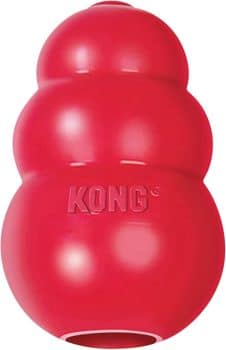
There are trendy dog toys, and then there’s the KONG Classic. Its familiar shape has remained popular for good reason because one little rubber toy can provide several different kinds of play. Dogs can chew it, chase its unpredictable bounce, or work to retrieve dog-appropriate food and treats placed inside.
For small dogs, getting the appropriate KONG size is particularly important. A properly sized version is easier for little mouths to pick up and manipulate, while the hollow center can transform snack time into an enrichment activity. You can keep fillings simple for beginners or make things a little more challenging once your dog understands how the game works.
The versatility is what makes the KONG such a strong all-around choice. A small dog that isn’t interested in an ordinary rubber toy may suddenly become very invested once something delicious appears inside. Just make sure anything you add fits your dog’s individual diet and that you choose a KONG size appropriate for your pup.


2. Multipet Lamb Chop Dog Plush Toy
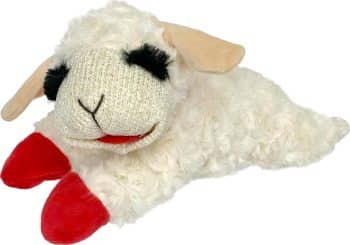
Some dogs want to destroy their toys. Others want to carry them from room to room, sleep beside them, and proudly present them to every visitor who walks through the door. Lamb Chop has become a classic choice for dogs in that second category, although enthusiastic squeaker hunters can certainly enjoy her, too.
The fluffy design gives small dogs something soft to carry, shake, squeak, and cuddle. A lightweight plush can be particularly appealing to little pups that struggle to maneuver bulky toys, and Lamb Chop offers a very different play experience from rubber balls and hard chews.
Plush toys do require supervision, especially if your dog’s primary objective is immediate squeaker removal. Check the toy regularly for torn seams, exposed stuffing, or accessible squeakers, and remove it once significant damage appears. For a gentle small dog that loves having a stuffed companion nearby, however, Lamb Chop could quickly earn a permanent spot in the toy basket.
3. Chuckit! Ultra Ball Dog Toy, Small 2-Inch, 2-Pack
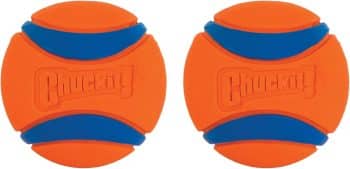
For the little dog who would happily play fetch until your throwing arm files for retirement, the small Chuckit! Ultra Ball brings plenty of bounce to the game. The rubber construction creates more unpredictable movement than an ordinary ball, which can make chasing and retrieving even more exciting for an energetic pup.
The 2-inch version is designed to be more manageable for smaller mouths, and the two-pack gives you a spare when the first ball inevitably disappears beneath a piece of furniture. Rubber also makes this a different option from traditional fuzzy tennis-style balls.
Ball sizing deserves particular attention with small dogs. You want your pup to be able to comfortably pick up and carry the ball without being able to swallow it or lodge it too deeply in their mouth. Because small dogs vary considerably in size, make sure a 2-inch ball is appropriate for your individual dog rather than relying solely on the “small” label.
4. Hartz Chew ‘n Clean Dental Duo Bacon Flavored Dental Dog Chew Toy
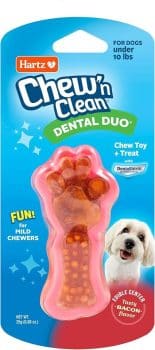
Some little dogs aren’t interested in politely carrying stuffed animals around the house. They want something they can settle down with and chew, and the Hartz Chew ‘n Clean Dental Duo provides another style of play for dogs that enjoy putting their jaws to work.
The toy combines a textured chewing surface with bacon flavor, designed to make it more enticing. The varied textures can keep chewing interesting while giving your pup an appropriate alternative to household items you would rather they leave alone.
As with any chew toy, pay close attention to how your dog uses it. Small doesn’t necessarily mean gentle, and some little dogs are remarkably determined chewers. Monitor the toy for excessive wear or pieces that could break away, and consider your dog’s dental health and chewing strength when deciding whether a particular chew material is appropriate.
5. GoDog Checkers Skinny Cow Squeaker Dog Toy
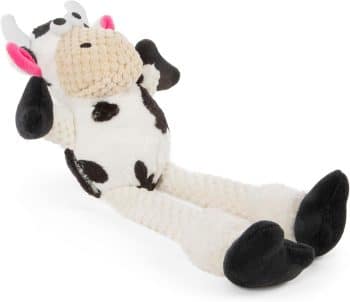
A long, skinny plush can be surprisingly well-suited to a little dog. Rather than wrestling with an oversized stuffed animal, a smaller pup gets multiple places to grab the GoDog Checkers Skinny Cow for carrying, shaking, and interactive play.
The built-in squeaker adds another layer of excitement, while the elongated body is appealing for those enthusiastic head-shaking sessions dogs seem to find enormously satisfying. It’s soft enough to provide some snuggle appeal while still offering a more active experience than a basic cuddly plush.
Even reinforced plush toys shouldn’t be considered indestructible. If your dog begins tearing seams, exposing stuffing, or working toward the squeaker, it’s time to intervene. This toy makes the most sense for small dogs that enjoy plush play without immediately turning every stuffed animal into a demolition project.
6. LOYEE Dog Squeaky Toys 8-Pack
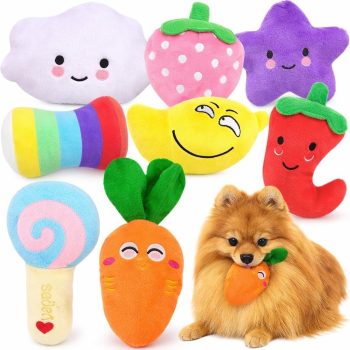
Why give your small dog one squeaky toy when you can hand them an entire collection? This eight-pack provides several toys to investigate, making it a fun option for dogs that quickly lose interest when the same old squeaker sits in their basket every day.
A multipack also gives you an easy way to rotate toys. Keep a few available and store the rest, then swap them periodically so familiar toys can feel interesting again. You may also discover that your dog has very specific opinions about which shapes and textures deserve their attention.
Because these are smaller toys, inspect each individual piece before giving it to your dog. Make sure none are small enough for your particular pup to swallow, and keep an eye on squeakers or other components that could become accessible if a toy gets damaged. Being marketed toward small dogs doesn’t automatically mean every piece will be appropriately sized for every small breed.
7. Outward Hound Nina Ottosson Dog Brick Treat Puzzle
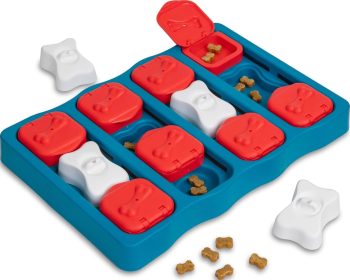
Small body, big brain. The Nina Ottosson Dog Brick gives treat-motivated pups a challenge that has nothing to do with how fast they can run or how loudly they can squeak something.
Instead of simply handing over a snack, you can hide appropriate treats or pieces of food in the puzzle and encourage your dog to figure out how to reach them. Moving and investigating the different puzzle components turns treat time into a problem-solving activity, which can be particularly useful on days when outdoor exercise is limited.
Introduce puzzle toys gradually rather than expecting your dog to understand the assignment immediately. Make the first attempts relatively easy so your pup learns that investigating the puzzle leads to a reward. Treats used during enrichment should also be considered part of your dog’s overall daily food intake rather than becoming an unlimited bonus meal.
8. Frisco Fetch Colorful Ball Knot Rope Dog Toy, Small/Medium
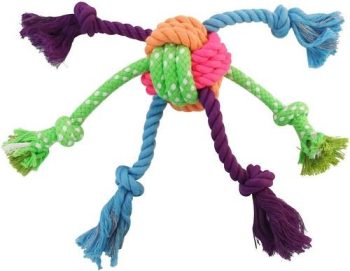
This colorful Frisco toy combines two classic dog favorites: a ball and a rope. That makes it particularly useful when your little dog doesn’t want to commit to only one kind of play.
The rope provides convenient places for both you and your dog to grab during an interactive tug session, while the ball makes the toy suitable for tossing and retrieving. That versatility can be handy for a pup who likes bouncing between games instead of spending an entire play session doing the same thing.
Keep tugging appropriate for your dog’s size. Avoid aggressive jerking, swinging your pup, or lifting them off the ground by the toy. Rope should also be inspected regularly because loose fibers can become a problem if a dog starts swallowing them. Once a rope toy becomes heavily frayed or begins coming apart, it’s time for a replacement.
9. ZippyPaws Skinny Peltz No Stuffing Dog Toy Pack
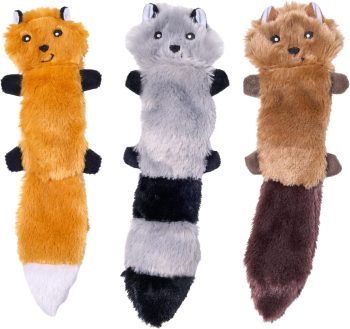
Love giving your dog plush toys, but dread discovering what looks like a miniature snowstorm of stuffing across the living room? ZippyPaws Skinny Peltz offer a fun alternative by giving dogs soft, floppy toys without traditional stuffing inside.
The long shape gives little dogs plenty of places to grab, drag, carry, and shake their chosen animal. Although the 11-inch length may sound substantial beside a tiny dog, the flat and lightweight construction can be easier to maneuver than a bulky stuffed toy of the same length. Watching a very small dog proudly parade around with an impressively long toy is also part of the appeal.
No stuffing doesn’t mean no supervision. Dogs can still tear fabric or gain access to squeakers, so regularly check each toy for damage. These are especially appealing for small dogs that enjoy the feel of plush toys but don’t necessarily need a thick, heavily stuffed animal.
10. Benebone Bacon Flavor Wishbone Tough Dog Chew Toy, Small
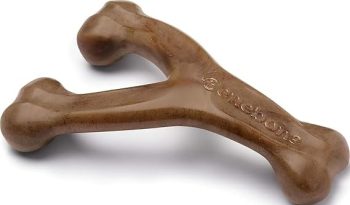
The small Benebone Wishbone is aimed at dogs that take their chewing seriously. Its curved shape creates several places for a pup to grip and brace the toy with their paws, while the bacon flavor gives enthusiastic chewers another reason to keep returning to it.
The small version is more manageable for little dogs than a chew designed for large breeds, but size isn’t the only consideration with a hard chew. Very rigid chewing materials aren’t appropriate for every dog’s teeth, and a determined chewer can put considerable force behind their bite regardless of their body size.
Consider your dog’s dental health and chewing intensity before offering hard nylon toys. Supervise chewing sessions, inspect the toy for excessive wear, and replace it according to the manufacturer’s guidelines. If your pup has dental problems, has previously fractured a tooth, or chews with extreme force, ask your veterinarian about appropriate chew materials.
11. Chuckit! Paraflight Flying Disc Dog Toy for Small Dogs
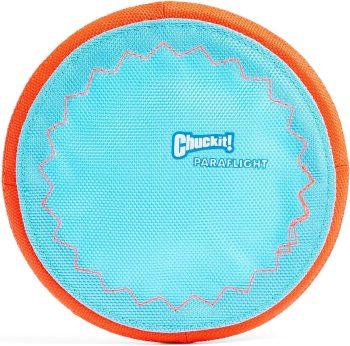
Little dogs deserve a chance to show off their fetching skills, too. The Chuckit! Paraflight gives smaller pups another type of object to chase beyond the traditional ball and can add some variety to outdoor play sessions.
A flying disc encourages interactive exercise and gives speedy little dogs a moving target to follow. Keep throws appropriate for your dog’s size and physical abilities rather than encouraging dramatic leaps or awkward landings. Low, manageable throws can still provide plenty of excitement.
This is also a toy we’d primarily use for interactive fetch rather than leaving it with a determined chewer. Put it away after playtime if your dog is likely to start dismantling it, and check the disc regularly for damage that could create loose pieces.
12. JW Pet HOL-ee Roller Dog Puzzle Ball, Small 3-Inch
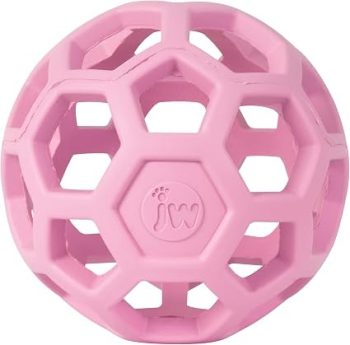
The HOL-ee Roller earns its place because it can offer more than one kind of entertainment. Its open lattice construction creates plenty of gripping points, which can make the ball easier for smaller mouths to grab while keeping it relatively lightweight.
The unusual design also creates opportunities to make play more interesting. Depending on how you use it and what’s appropriate for your dog, the open structure can turn an ordinary ball into a simple enrichment activity. That makes it useful for pups that enjoy investigating and manipulating toys instead of merely chasing them across the floor.
As with every ball in this roundup, confirm that the 3-inch size works for your particular dog. A toy should be manageable without being small enough to swallow. Supervise your pup when introducing new enrichment ideas so you can make sure they’re interacting with the toy safely.
13. Multipet Original Loofa Dog Plush Toy, 6-Inch
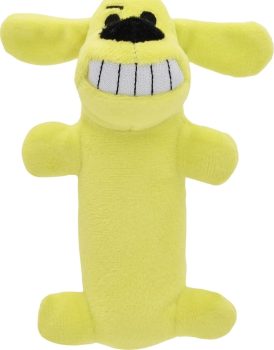
There’s something inherently charming about watching a tiny dog proudly march around carrying a Loofa Dog. The 6-inch version brings the familiar long-bodied plush down to a size that’s more manageable for little pups.
It’s soft enough for cuddling, lightweight enough for carrying, and squeaky enough to transform an otherwise peaceful afternoon into playtime. This can be an especially nice choice for gentle dogs that enjoy carrying their toys around the house or keeping a favorite plush nearby when they settle down.
For enthusiastic shredders, however, we’d choose something designed for a more aggressive style of play. Inspect the Loofa Dog regularly and remove it if seams open, stuffing appears, or the squeaker becomes accessible. A plush toy can be a wonderful companion, but only while it remains intact.
14. Mammoth Cottonblend 3 Knot Dog Rope Toy, 15-Inch
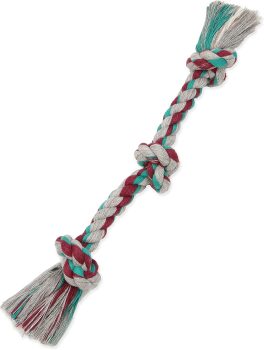
Never underestimate a little dog’s enthusiasm for tug-of-war. The Mammoth Cottonblend rope gives small pups a classic interactive game while providing several knots and gripping points for both ends of the competition.
The 15-inch length also gives humans enough room to participate without putting fingers too close to excited teeth. Keep the game gentle and appropriate for your dog’s body size, allowing your pup to keep their feet safely on the ground instead of lifting or swinging them by the rope.
Rope toys are best monitored for fraying. If your dog starts systematically pulling apart the fibers rather than playing with the rope, put it away. Once strands become significantly loose or pieces begin separating, replace the toy rather than allowing your dog to chew and potentially swallow the fibers.
15. Playology Plush Raccoon Chew Toy for Small Dogs
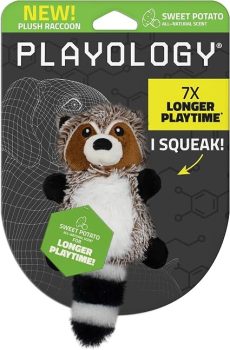
We’re finishing with a plush designed with smaller dogs in mind. The Playology Plush Raccoon combines a soft, easy-to-carry shape with the brand’s scent-focused approach to toys, giving nose-driven pups another reason to investigate.
For dogs that quickly lose interest in ordinary plush animals, the added scent element may make play more engaging. The raccoon can work for carrying, chasing, squeaking, and snuggling, making it a versatile soft toy for little dogs that prefer plush textures.
Despite “chew toy” appearing in the name, we’d still judge it according to your individual dog’s play habits. A small dog capable of rapidly dismantling plush toys should be closely supervised. Remove the raccoon if fabric tears or internal components become accessible.
Why Toy Size Matters for Small Dogs
Buying toys for a small dog presents an interesting challenge. You need something small and lightweight enough that your pup can comfortably pick it up, but making a toy smaller doesn’t automatically make it safer.
A ball that’s too large may be frustrating or impossible for a tiny dog to retrieve. A ball that’s excessively small could potentially be swallowed or become lodged in the mouth or throat. The same principle applies to chew toys, squeakers, puzzle components, and other playthings.
This is why labels such as “small,” “mini,” and “XS” should be treated as starting points rather than guarantees. A tiny Yorkie and a sturdy terrier mix can both be considered small dogs while having dramatically different mouth sizes, jaw strength, and chewing habits. Look at the actual product dimensions and compare them with the dog in front of you.
What Types of Toys Are Best for Small Dogs?
There isn’t one universally best type of toy for every small dog. Instead, think about what your pup naturally chooses to do when given the opportunity. A dog that constantly brings you objects may adore fetch toys, while a pup that investigates everything with their nose may be more interested in puzzles and food-filled enrichment.
Fetch toys such as appropriately sized rubber balls and flying discs encourage active play. Plush and squeaky toys can appeal to dogs that enjoy carrying, shaking, squeaking, and cuddling their prizes. Food puzzles and stuffable toys provide a different challenge by encouraging dogs to sniff, lick, manipulate, and problem-solve to reach a reward.
Tug toys make play interactive and give you another way to engage directly with your pup. Chew toys can provide an appropriate outlet for dogs that naturally enjoy gnawing, although the material and hardness should always be suitable for the individual dog’s teeth and chewing strength.
How to Choose Safe Toys for a Small Dog
No dog toy can be guaranteed completely safe for every pup, which is why supervision and regular inspections are important. Start with size and avoid toys your dog could potentially swallow or lodge in their mouth or throat.
Next, consider how your dog actually plays. A toy that lasts for months with a gentle companion dog might survive only a few minutes with a determined terrier. Watch for detachable pieces, accessible squeakers, ripped seams, exposed stuffing, missing chunks, sharp edges, and frayed rope.
Hardness deserves consideration as well. Extremely rigid chew toys can be tough on teeth, particularly for dogs with existing dental issues or those that bite down with significant force. When you’re uncertain whether a particular chew is suitable for your dog’s teeth, your veterinarian is a valuable source of individualized guidance.
Frequently Asked Questions About Toys for Small Dogs
1. What Toys Are Best for Small Dogs?
The best toys for small dogs are appropriately sized for the individual pup and suited to how that dog likes to play. A varied collection might include a rubber fetch ball, food-stuffable enrichment toy, puzzle, plush or squeaky toy, interactive tug toy, and an appropriate chew.
Small dogs still benefit from opportunities for physical activity, mental stimulation, and interactive play. Their smaller bodies don’t mean they need less interesting things to do, so offering different styles of toys can help you discover what keeps your individual pup most engaged.
2. How Small Is Too Small for a Dog Toy?
A toy is too small if your dog could potentially swallow it or get it lodged in their mouth or throat. Ideally, a toy should be comfortable for your pup to grab and manipulate while still being large enough to prevent accidental swallowing.
Don’t rely exclusively on packaging that says a toy is intended for small dogs. Look at the actual dimensions and compare them with your dog’s mouth size, especially when purchasing balls and other compact toys.
3. Are Squeaky Toys Safe for Small Dogs?
Squeaky toys can be great fun for small dogs, but they require monitoring because a determined pup may tear open the toy to reach the squeaker. Once internal pieces become accessible, the toy should be removed.
Pay particular attention to dogs that have a history of destroying plush toys. For them, a squeaky toy may be better reserved for supervised interactive play rather than being left available when nobody is watching.
4. Are Plush Toys Good for Small Dogs?
Plush toys can be excellent for little dogs because they’re often lightweight and easy to carry. They’re especially appealing to pups that enjoy cuddling, squeaking, shaking, or proudly transporting their favorite toy from room to room.
However, plush toys aren’t ideal for every dog. If your pup immediately tears through fabric and tries to consume stuffing, squeakers, or other components, choose a different toy style that better matches their play habits.
5. Are Puzzle Toys Good for Small Dogs?
Puzzle toys can be an excellent form of mental enrichment for small dogs. They encourage pups to sniff, investigate, manipulate objects, and problem-solve in order to reach food or treats.
Start with an achievable challenge so your dog doesn’t become frustrated. Once they understand how puzzle play works, you can introduce more complicated activities or change where treats are hidden to keep the experience interesting.
6. Can Small Dogs Play With Tug Toys?
Small dogs can absolutely enjoy tug-of-war, and it can be a fun way for you to interact directly with your pup. Choose a toy that’s easy for their mouth to grip while still providing enough length for you to comfortably hold the other end.
Keep tugging appropriate for your dog’s size. Avoid swinging, lifting, or violently jerking your dog by the toy, and regularly check rope or fabric tug toys for significant fraying and damage.
7. Are Hard Chew Toys Safe for Small Dogs?
Hard chew toys aren’t automatically safe simply because they’re made in a small size. The material needs to be appropriate for your dog’s teeth, dental health, and chewing intensity.
Small dogs can be powerful chewers, and extremely rigid objects may place considerable stress on their teeth. If your dog has dental disease, damaged teeth, or an exceptionally forceful chewing style, ask your veterinarian which types of chews are appropriate.
8. How Often Should I Replace My Dog’s Toys?
There isn’t a universal replacement schedule because dogs treat their toys very differently. A gentle pup may keep the same plush for years, while an enthusiastic chewer can turn a brand-new toy into a retirement candidate before lunch.
Inspect toys frequently and replace them when rubber begins breaking apart, seams rip, stuffing becomes exposed, rope significantly frays, pieces go missing, or the toy otherwise becomes unsafe. Frequent inspections are particularly important with favorite toys that your dog uses every day.
9. Should Small Dogs Have Different Types of Toys?
Variety can help provide different forms of play and enrichment. A fetch ball doesn’t offer the same experience as a puzzle, and a plush animal doesn’t provide the same interaction as playing tug with you.
You don’t necessarily need an overflowing toy basket. A smaller collection representing several different play styles can provide plenty of variety, especially if you rotate toys periodically to keep them interesting.
10. Should I Supervise My Small Dog With Toys?
Supervision is especially important when introducing a new toy because you don’t yet know exactly how your dog will interact with it. Watch for attempts to swallow the toy, remove pieces, shred fabric, eat rope fibers, or bite off chunks.
Once you understand how your pup uses a particular toy, you can make better decisions about when and how it should be available. Regularly inspecting toys between play sessions adds another layer of safety.

Big Fun Doesn’t Require a Big Dog
Small dogs still want to chase, chew, sniff, tug, solve problems, carry treasures around the house, and occasionally squeak the same toy over and over while you’re trying to watch television. The trick is finding toys that let them enjoy those activities comfortably while matching their individual size and play style.
Instead of choosing solely by what’s labeled for small dogs, consider the pup standing in front of you. Look at their mouth size, chewing strength, age, dental health, and favorite ways to play, then build a toy collection around those needs. A little dog may not take up much room on the couch, but when it comes to playtime, there’s no reason they can’t have very big fun.
 Toledo, United States.