
 Shutterstock
Halloween might be a thrilling holiday for humans, but for dogs, it can feel like the strangest night of the year. Unfamiliar decorations, endless doorbells, and oddly dressed visitors can leave even confident dogs confused. While some enjoy the excitement, others find the noise and disrupted routines stressful. Understanding what our canine companions might wish to tell us helps us recognize their body language, respect their boundaries, and keep Halloween safe, happy, and enjoyable for every furry family member.
Please Stop Turning My Home Into a Haunted House
 Shutterstock
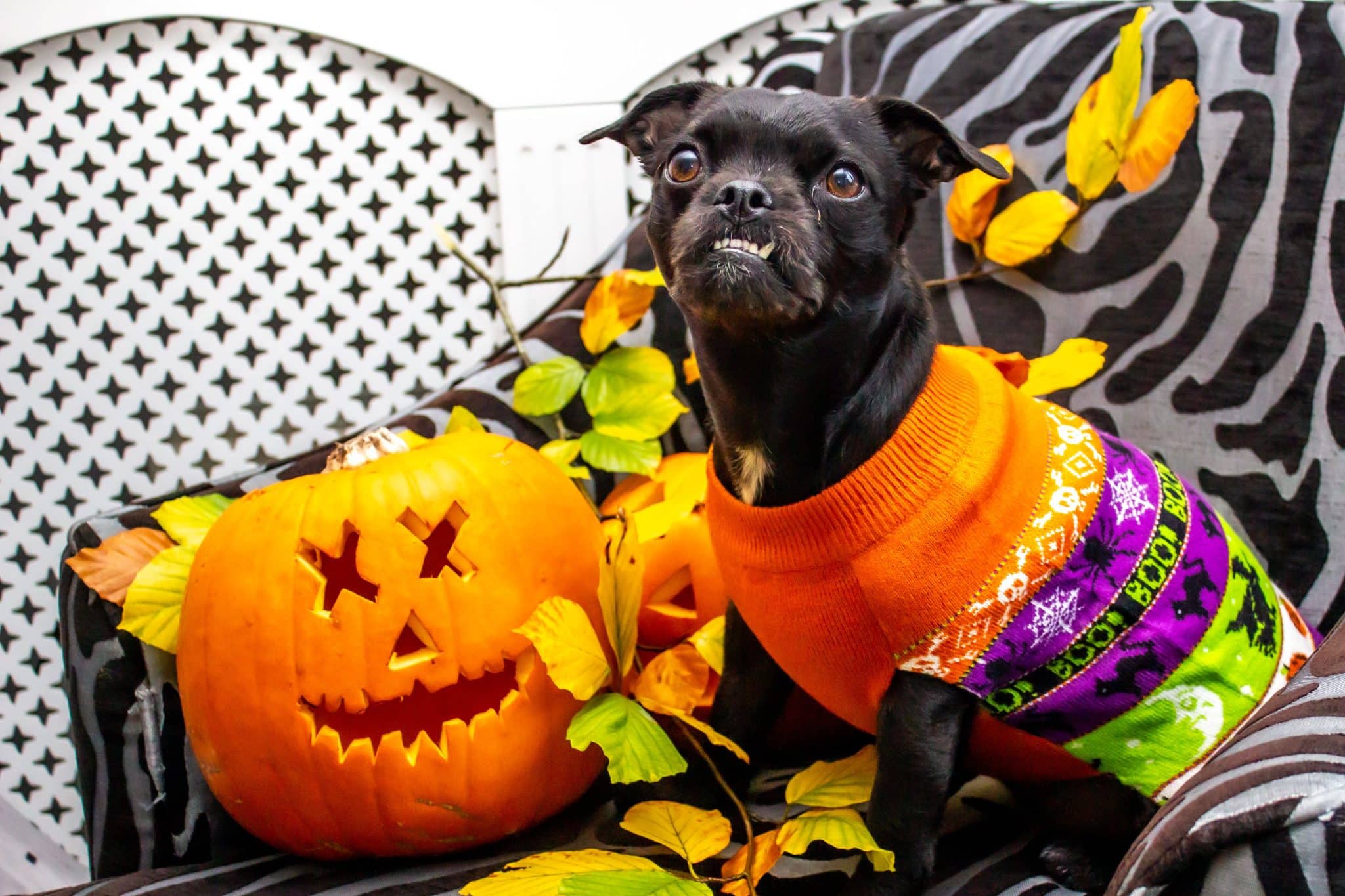
Imagine waking up to find your peaceful living room transformed into a collection of skeletons, cobwebs, glowing pumpkins, and suspiciously lifelike monsters. You might shrug and call it festive decorating, but your dog could be wondering whether the household has completely lost its mind. Dogs rely heavily on familiarity to feel secure. German Shepherds, for example, are often alert to changes in their surroundings, while sensitive breeds such as the Shetland Sheepdog may need extra time to investigate unfamiliar objects. Your dog might wish you would introduce decorations gradually rather than rearranging the entire house overnight. Let your companion sniff new items from a comfortable distance, and avoid forcing an introduction. If your dog keeps avoiding a particular decoration, consider moving it somewhere less intrusive. A happy Halloween home should still feel like a safe home.
That Doorbell Is Ruining My Entire Evening
 Shutterstock
To humans, the doorbell simply announces visitors. To dogs, particularly those who take their watchdog responsibilities seriously, it can signal an endless parade of potential intruders. Halloween turns that familiar sound into an exhausting cycle of ringing, barking, opening doors, and mysterious strangers disappearing into the night. Chihuahuas may respond with impressive enthusiasm despite their small size, while Labrador Retrievers might greet every visitor as a possible new best friend. Individual personalities matter more than breed stereotypes, but frequent interruptions can unsettle even normally relaxed dogs. Your dog would probably appreciate a quieter arrangement. Set up a comfortable resting area away from the entrance, use a baby gate to prevent accidental escapes, and consider managing visitors without requiring your dog to greet every trick-or-treater. White noise or calming background music may help soften the commotion. Most importantly, remember that barking is communication, not a deliberate attempt to ruin your evening.
Those Costumes Look Absolutely Ridiculous
 Shutterstock
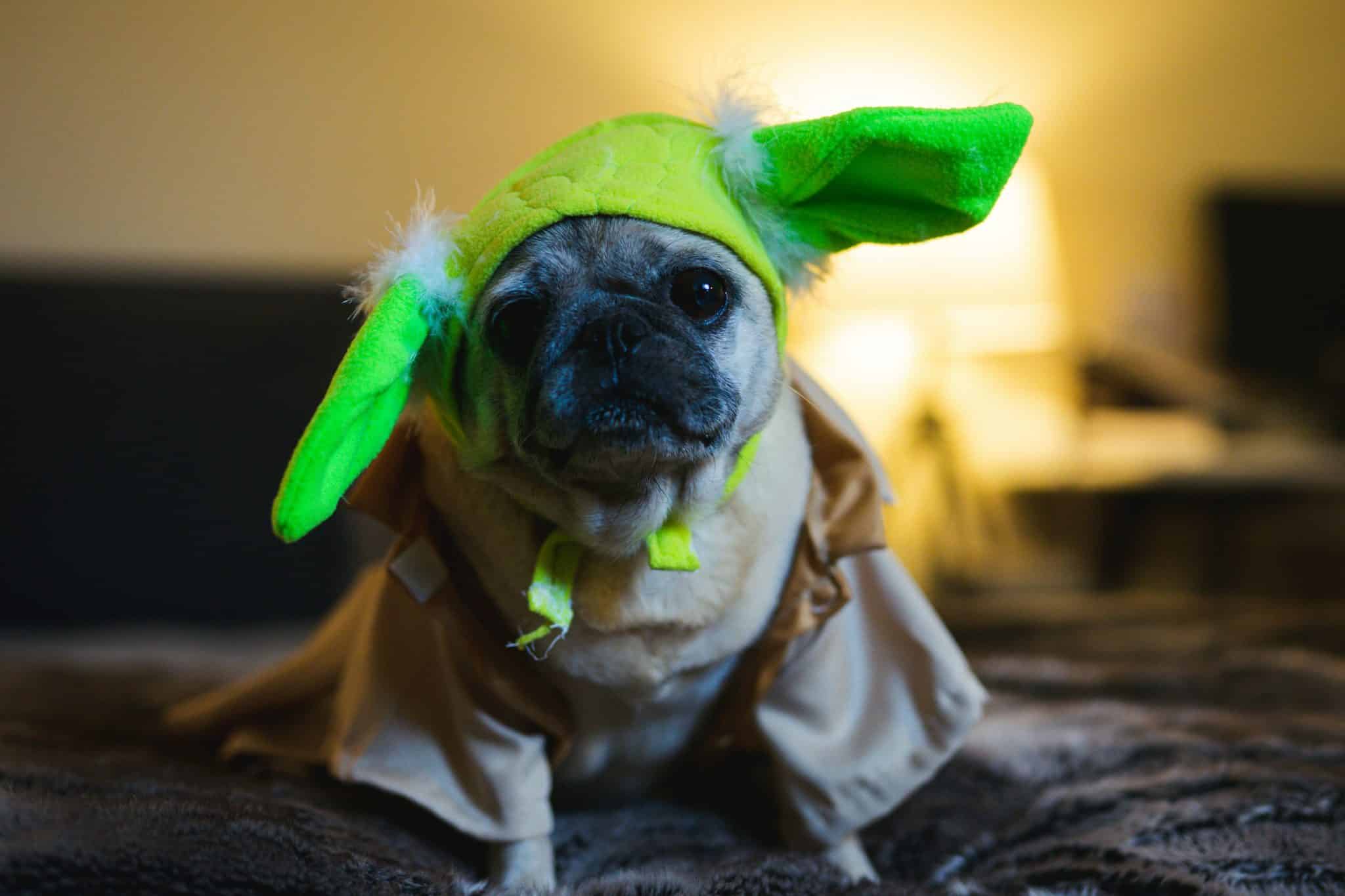
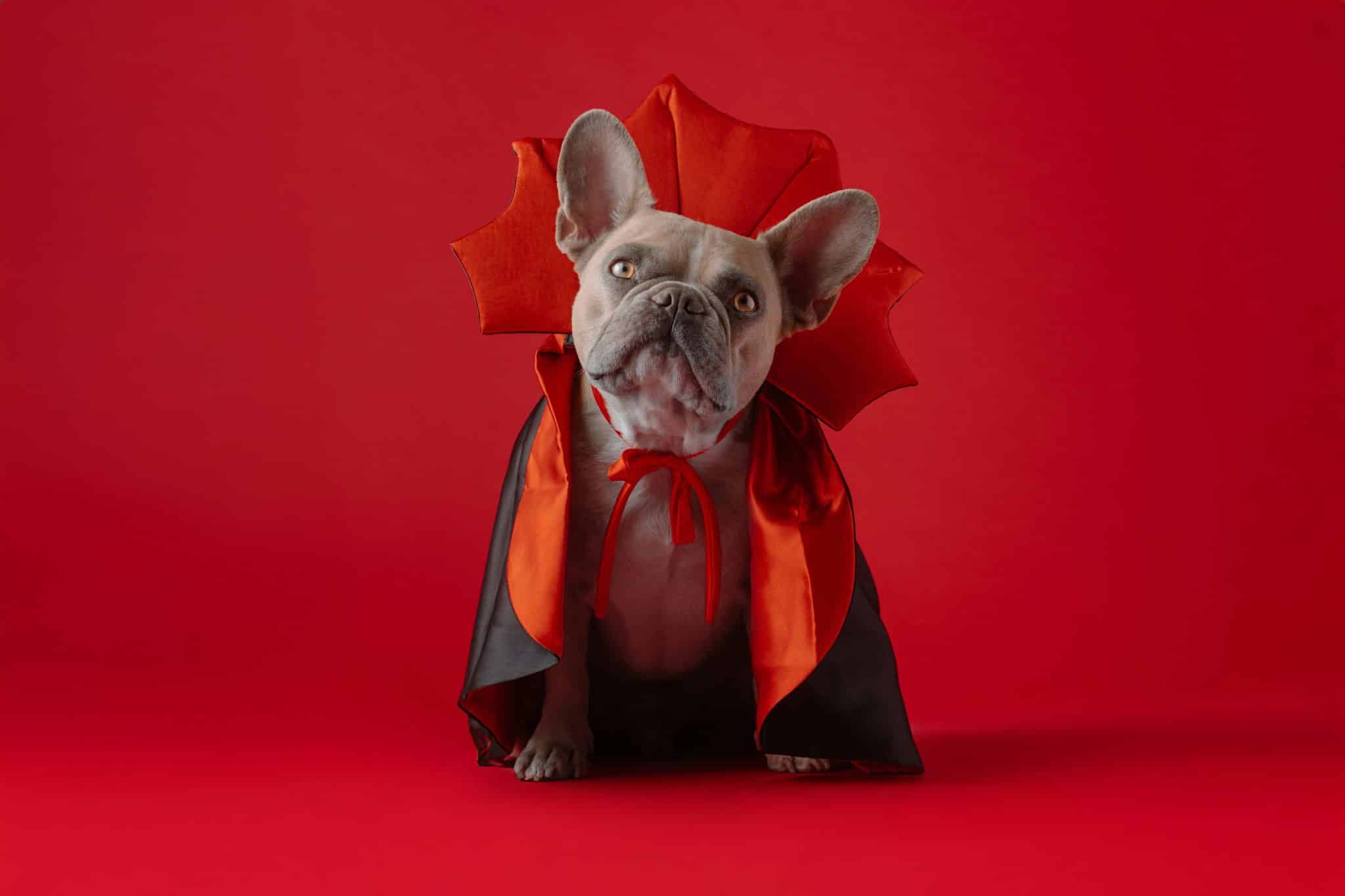
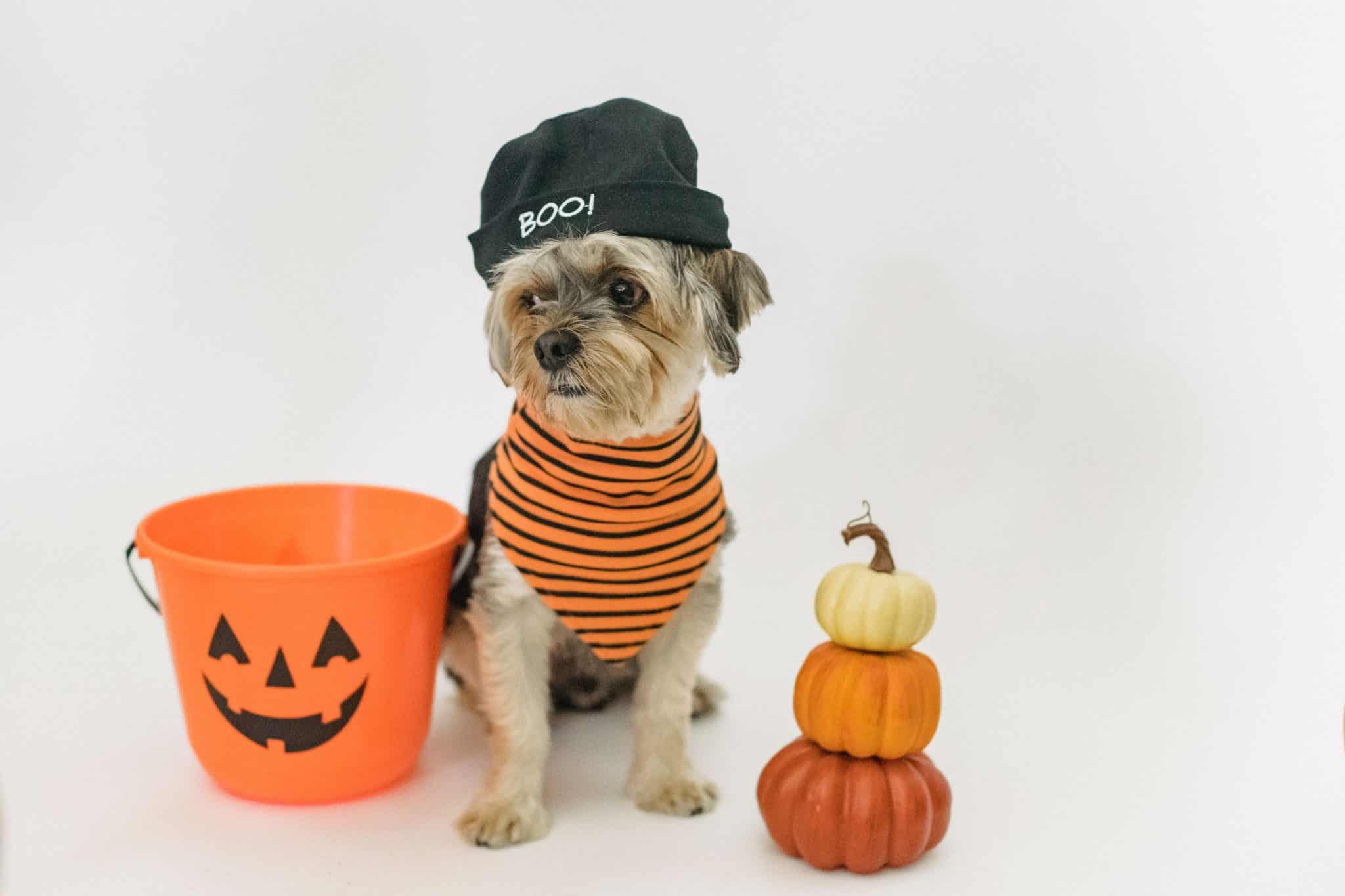
Humans adore dressing dogs as pumpkins, superheroes, dinosaurs, and tiny witches. Dogs, however, rarely understand why their perfectly respectable bodies suddenly require capes, hats, and awkward little outfits. Some dogs tolerate clothing or even love it, especially when introduced to it gradually. Others find restrictive costumes irritating or frightening. Breeds with thick coats, such as Siberian Huskies, may become uncomfortable in warm or bulky outfits, while short-haired dogs might appreciate a lightweight garment in chilly weather. Your dog would probably ask you to prioritize comfort over cuteness. Choose costumes that allow unrestricted walking, breathing, hearing, and tail movement. Avoid dangling pieces that could be chewed or swallowed, and remove anything that interferes with vision. Watch for signs of discomfort, including freezing in place, repeatedly trying to remove the outfit, flattened ears, or excessive lip licking. If your dog dislikes costumes, skip them. A natural coat and a happy expression make a perfectly wonderful Halloween look.
Please Explain Why That Tiny Vampire Smells Like Candy
 Shutterstock
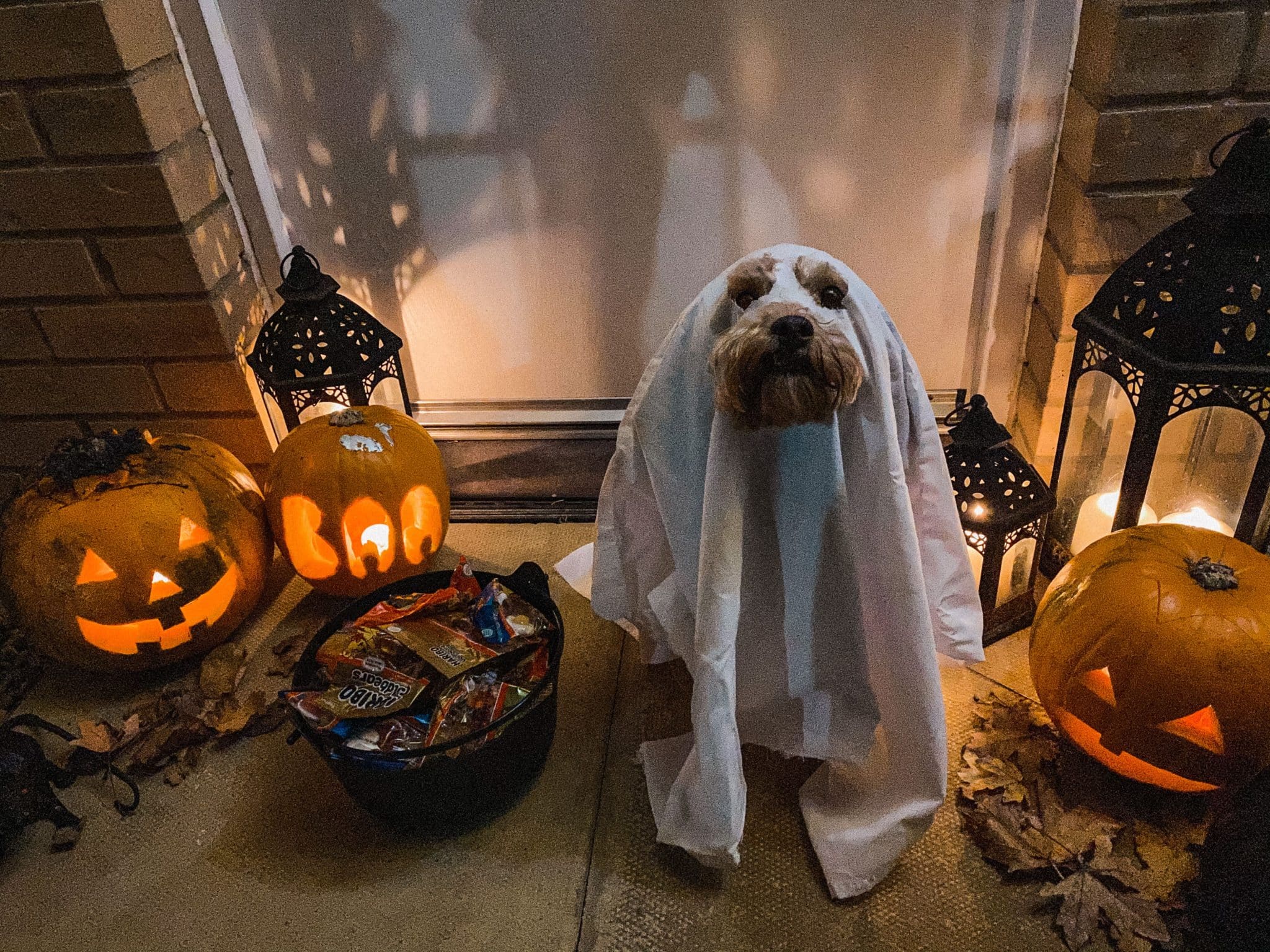
A dog’s nose is extraordinarily sensitive, making Halloween an overwhelming buffet of unfamiliar aromas. Chocolate, caramel, peanut butter, sugary treats, scented decorations, and delicious smells drifting from neighboring homes can turn an ordinary walk into an olfactory adventure. Beagles, bred for their remarkable scenting abilities, may find the holiday particularly fascinating. Their noses can lead them toward dropped candy wrappers long before their humans notice anything on the ground. Other breeds with strong food motivation, including Labrador Retrievers, might be equally determined to investigate every mysterious smell. Unfortunately, curiosity can become dangerous when candy is involved. Chocolate can poison dogs, while xylitol, a sweetener found in some sugar-free products, can cause a life-threatening drop in blood sugar and liver injury. Raisins and certain other ingredients are also hazardous. Candy wrappers can create choking or intestinal obstruction risks. Your dog would probably appreciate a safe canine treat instead. Keep human sweets secured, supervise your companion around children carrying candy, and contact a veterinarian immediately if your dog eats a potentially toxic ingredient. Please remember that sniffing is wonderful, but not everything that smells delicious belongs in a dog’s stomach.
I Am Not Sure That Skeleton Is Supposed to Move
 Shutterstock
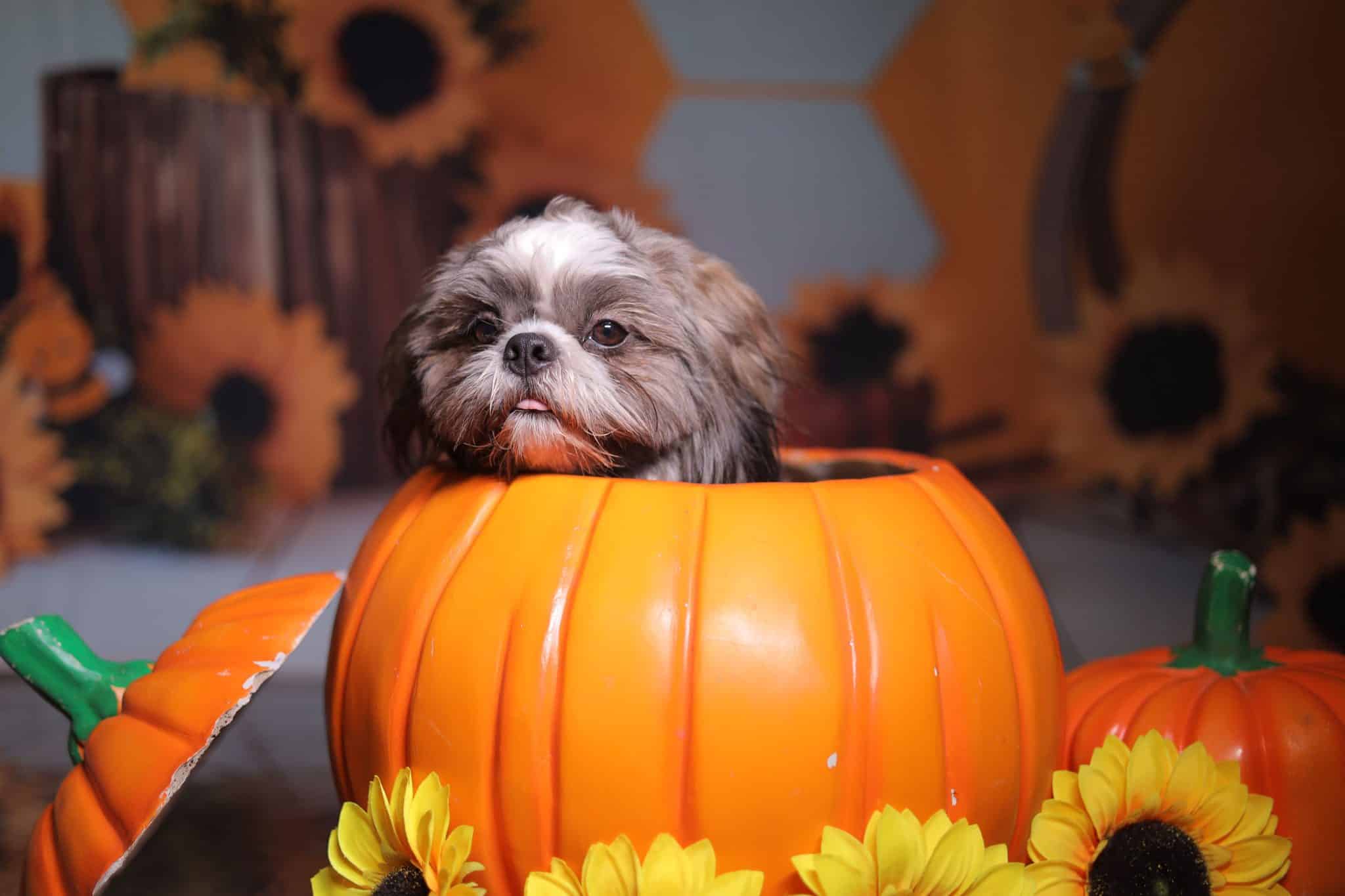
Dogs interpret the world through patterns, movement, scent, and sound. When a Halloween skeleton suddenly waves its arms or a motion-activated monster lunges forward, your dog may struggle to understand what it is seeing. Some dogs investigate unfamiliar objects fearlessly, while others prefer to observe from a distance. A confident Boxer might approach a strange decoration cautiously before losing interest, whereas a more sensitive individual could retreat behind a trusted family member. Neither reaction is inherently wrong. Your dog would probably like advance warning before the furniture starts behaving like a horror movie. Keep startling decorations away from resting places, food bowls, and narrow hallways. Turn off particularly noisy or animated displays when your dog is nearby. Never drag a frightened dog toward a decoration to prove that it is harmless. Allowing your companion to choose whether to approach builds confidence and preserves trust. Sometimes the bravest thing a dog can do is decide that the suspicious skeleton is somebody else’s problem.
Can We Please Keep Our Routine Normal?
 Shutterstock
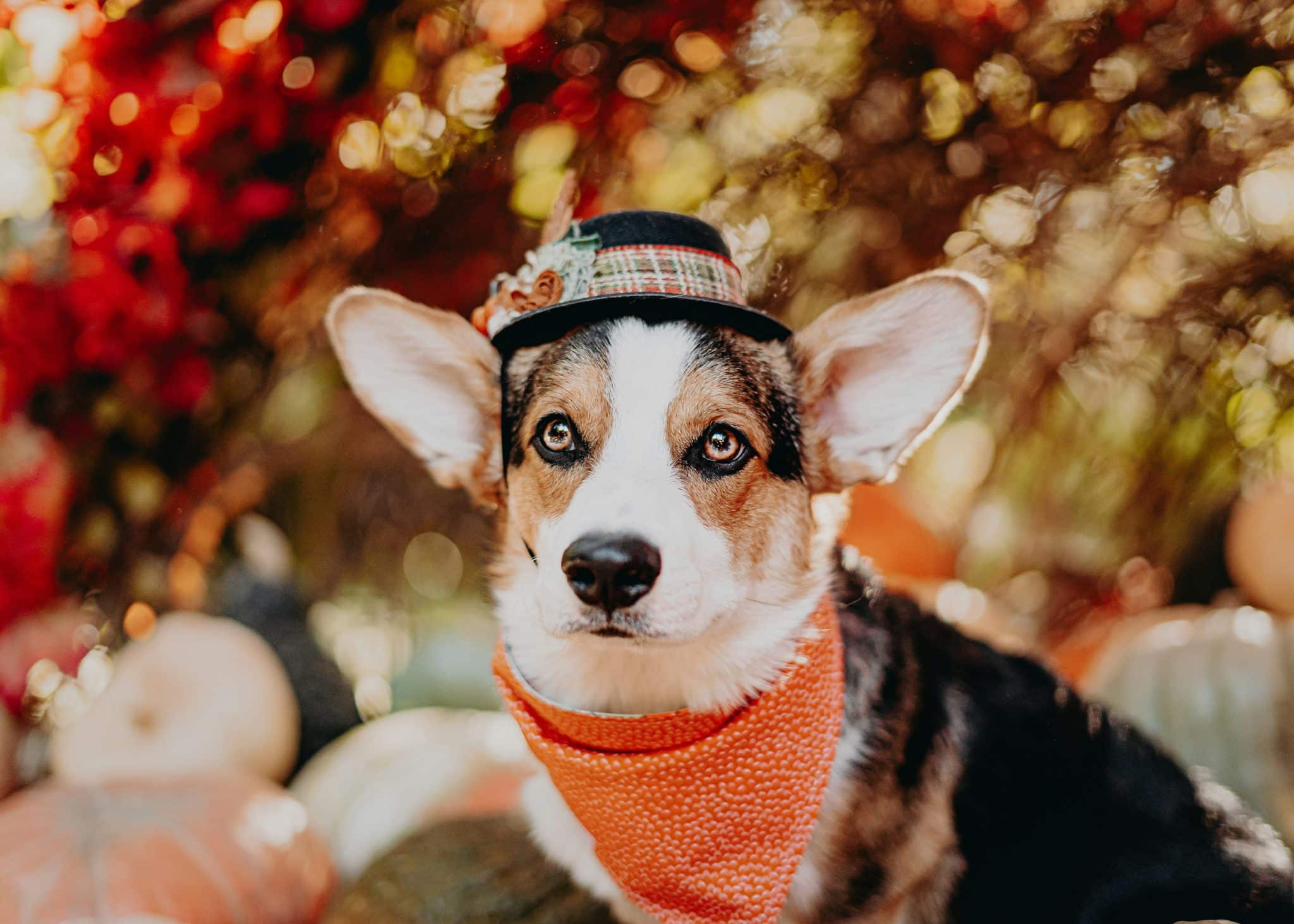
Halloween excitement often disrupts ordinary schedules. Walks happen later, dinner gets delayed, visitors arrive unexpectedly, and bedtime becomes a distant possibility while everyone prepares for trick-or-treating. Dogs generally benefit from predictable routines because familiar patterns help them anticipate meals, exercise, rest, and bathroom breaks. Border Collies, known for their energy and responsiveness, may become restless when their usual activities disappear. Older dogs and puppies can also struggle when their schedules change abruptly. Your dog would probably request that dinner remain dinner time, regardless of how spectacular the decorations look. Maintain regular walks, provide opportunities for bathroom breaks, and schedule playtime before the busiest part of the evening. A little planning makes a substantial difference. Give your dog exercise appropriate to its age and health, but avoid exhausting an animal in the hope of preventing all nighttime anxiety. Rest, familiar activities, and companionship are equally important. Halloween is only one evening, but your dog’s need for stability continues throughout it.
My Ears Are Not Built for That Much Screaming
 Shutterstock
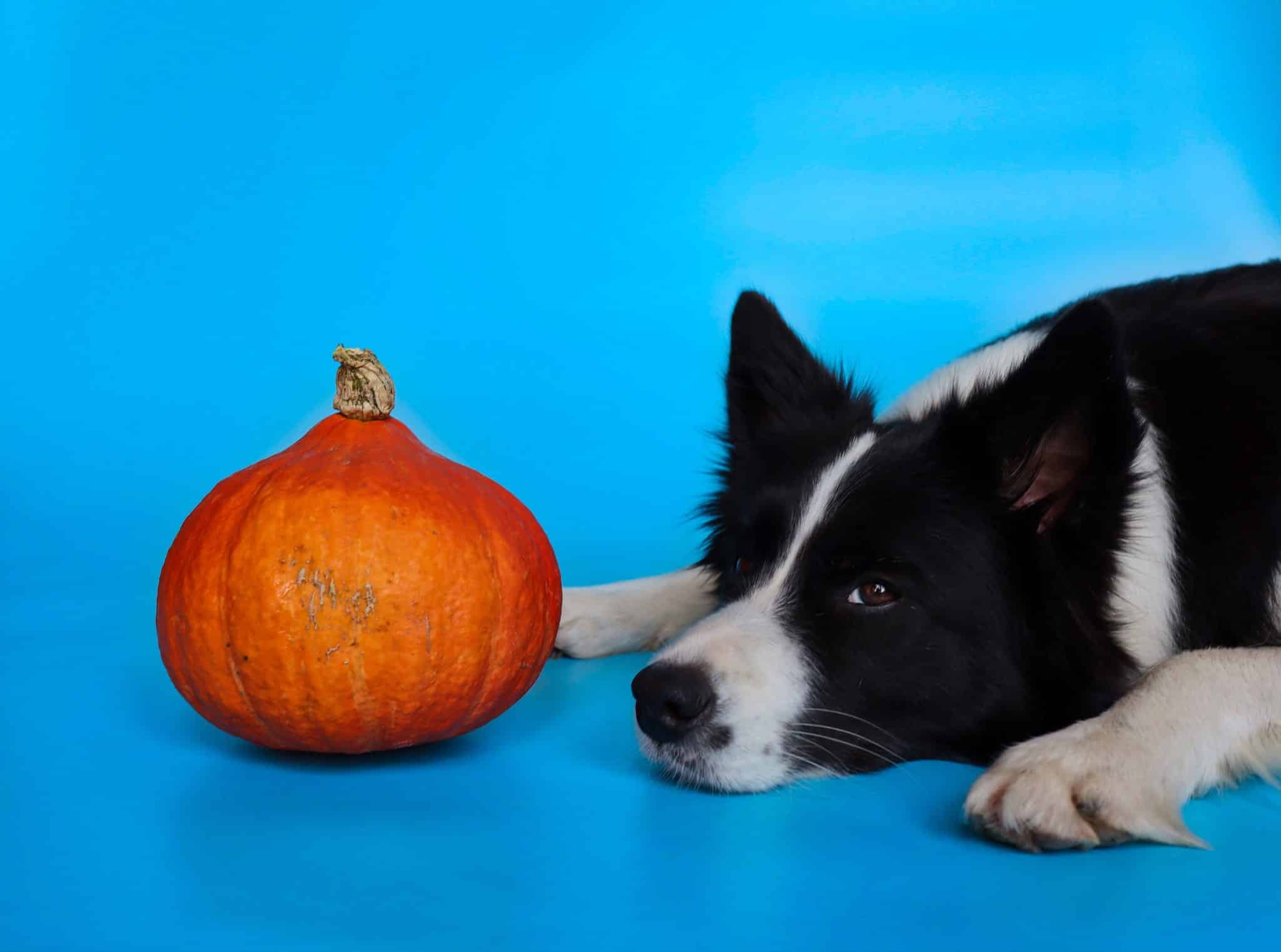
Excited children, squealing visitors, doorbells, fireworks, and spooky sound effects can create a noisy environment that some dogs find distressing. While humans may associate these sounds with fun, dogs can experience them as unpredictable and overwhelming. Breeds with alert temperaments, including Miniature Schnauzers, may be quick to react to unfamiliar noises. However, noise sensitivity varies widely among individual dogs, and even an otherwise confident companion can become unsettled by sudden sounds. Your dog would probably appreciate a peaceful retreat where the soundtrack does not resemble a haunted amusement park. Choose a familiar room away from the front door, provide comfortable bedding, and keep fresh water available. Close windows if outside noise is excessive, and consider playing gentle background sounds at a comfortable volume. Pay attention to panting when it is not hot, trembling, pacing, tucked tails, and repeated attempts to hide. These behaviors can indicate stress. Comfort your dog calmly without punishment, and seek veterinary guidance if noise fears are severe or worsening.
Those Tiny Treats Are Not Worth an Emergency Vet Visit
 Shutterstock
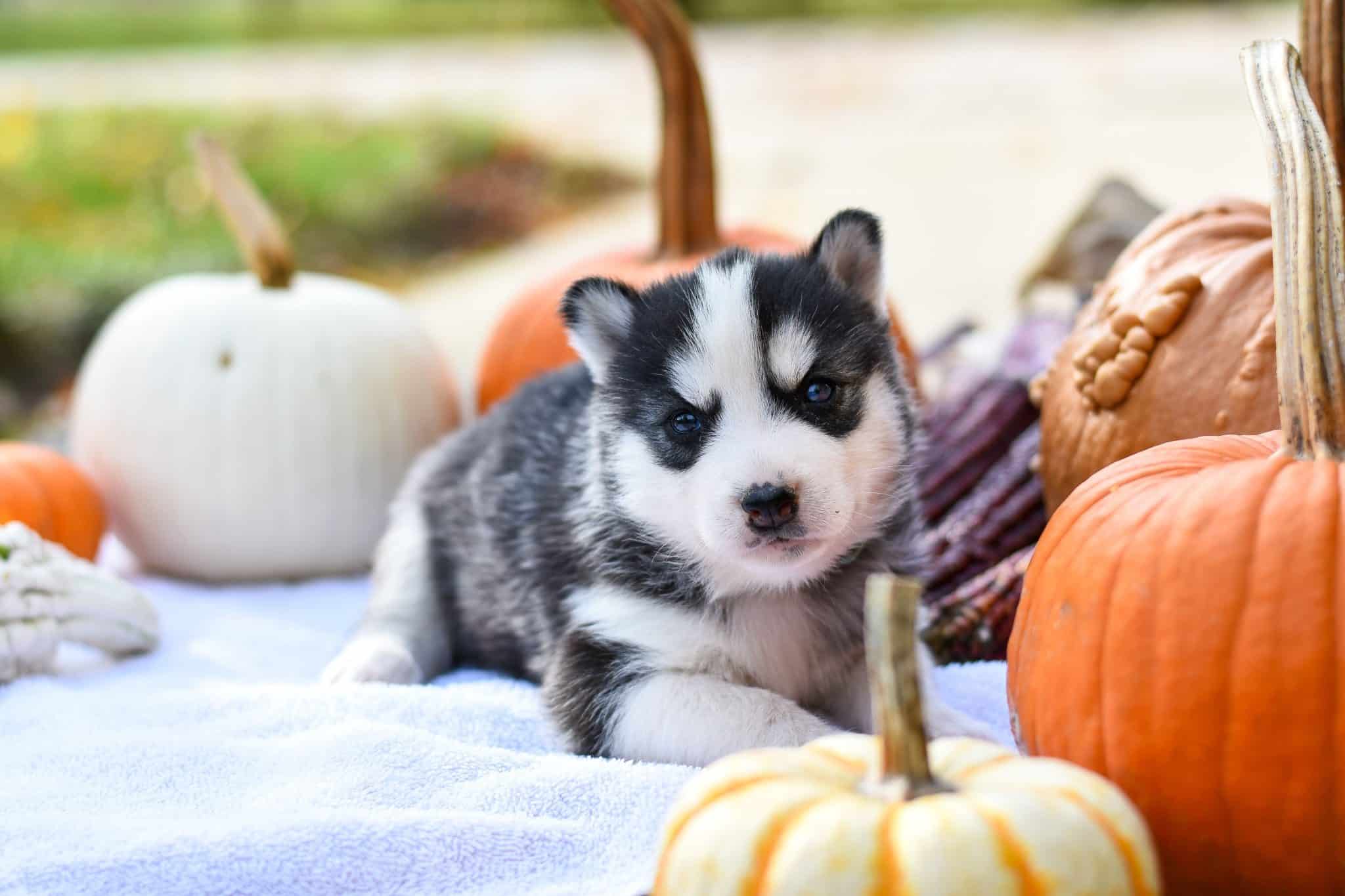
Your dog probably believes that Halloween candy is a magnificent human invention that humans selfishly refuse to share. Unfortunately, this is one occasion when a little canine disappointment is much better than an emergency visit. Chocolate is dangerous because it contains theobromine and caffeine, substances dogs process differently from humans. Dark chocolate and baking chocolate can be particularly hazardous. Sugar-free sweets containing xylitol are another serious concern, and some candies contain raisins or other unsafe ingredients. Even wrappers can cause digestive complications. Dachshunds and other small dogs may face particular concerns when they ingest a substantial amount relative to their body weight, although dogs of every size can become ill. There is no universally safe amount of chocolate for every dog. Your dog would probably settle for a treat made specifically for canine consumption. Keep candy bowls out of reach, ask children not to feed sweets to pets, and dispose of wrappers securely. If ingestion occurs, contact your veterinarian or a veterinary poison service promptly rather than waiting for symptoms. Never induce vomiting unless a veterinary professional specifically instructs you to do so.
I Would Like to Meet Your Guests, But Please Let Me Decide
 Shutterstock
Halloween visitors often arrive in unfamiliar outfits, speak excitedly, and reach toward dogs without considering how those dogs feel. What looks like a friendly greeting to a person may feel intrusive to an animal that needs more space. Cavalier King Charles Spaniels are often affectionate companions, while some Shiba Inus are notably independent. Still, every dog has individual preferences, and no breed should be expected to welcome strangers automatically. Your dog would probably appreciate having a choice. Allow guests to ignore your dog initially, avoid forcing physical contact, and let your companion approach when comfortable. Children should be taught not to hug, chase, corner, or grab dogs, even when those dogs appear friendly. Watch for subtle signals such as turning the head away, lip licking, yawning, stiffening, or trying to move away. These may indicate discomfort rather than misbehavior. If your dog prefers solitude, provide a secure space where visitors cannot disturb it. Respecting boundaries helps prevent frightening encounters and allows social interactions to remain positive.
Please Remember That the Front Door Is an Escape Route
 Shutterstock
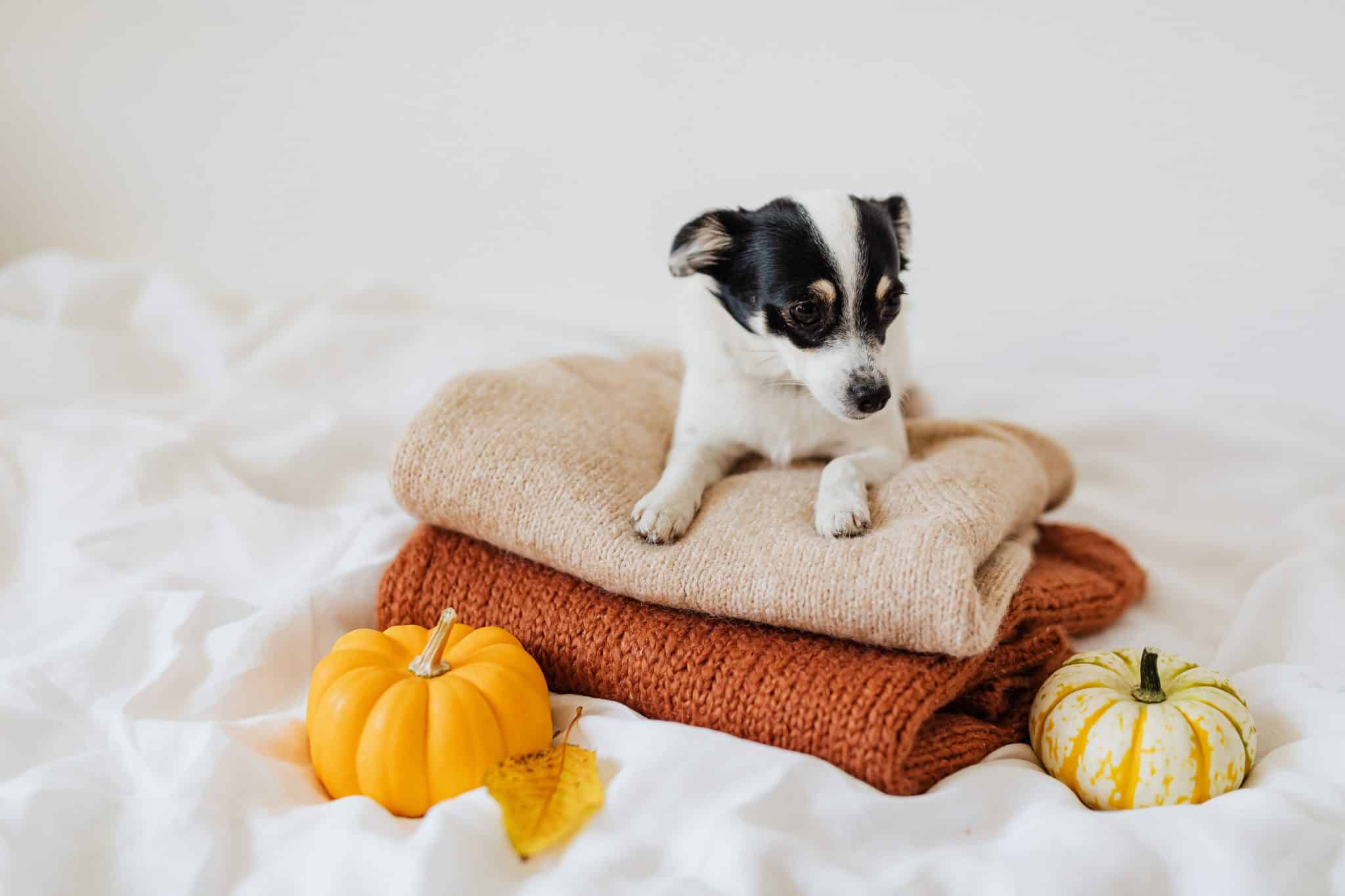
With the door opening repeatedly, Halloween creates an unusual opportunity for dogs to slip outside unnoticed. A curious dog may dash toward a visitor, chase a passing animal, or become frightened by unfamiliar activity and run away. Some dogs, including athletic breeds such as Australian Shepherds, can move quickly when excited. However, any dog can escape when a door is left open, particularly when distractions overwhelm its usual training. Your dog would probably like you to take its safety seriously before the first visitor arrives. Check that identification tags are current, confirm that microchip registration details are accurate, and use a secure barrier or separate room if necessary. Keep your dog on a leash during outdoor activities and ensure gates are properly closed. A well-fitted collar and identification can help someone return a lost dog, while a registered microchip provides another important layer of protection. Do not assume that a fenced yard is completely secure, especially when people are coming and going. A few precautions can prevent a frightening disappearance and keep Halloween from becoming a search mission.
I Love You, But I Would Prefer a Quiet Night Together
 Shutterstock
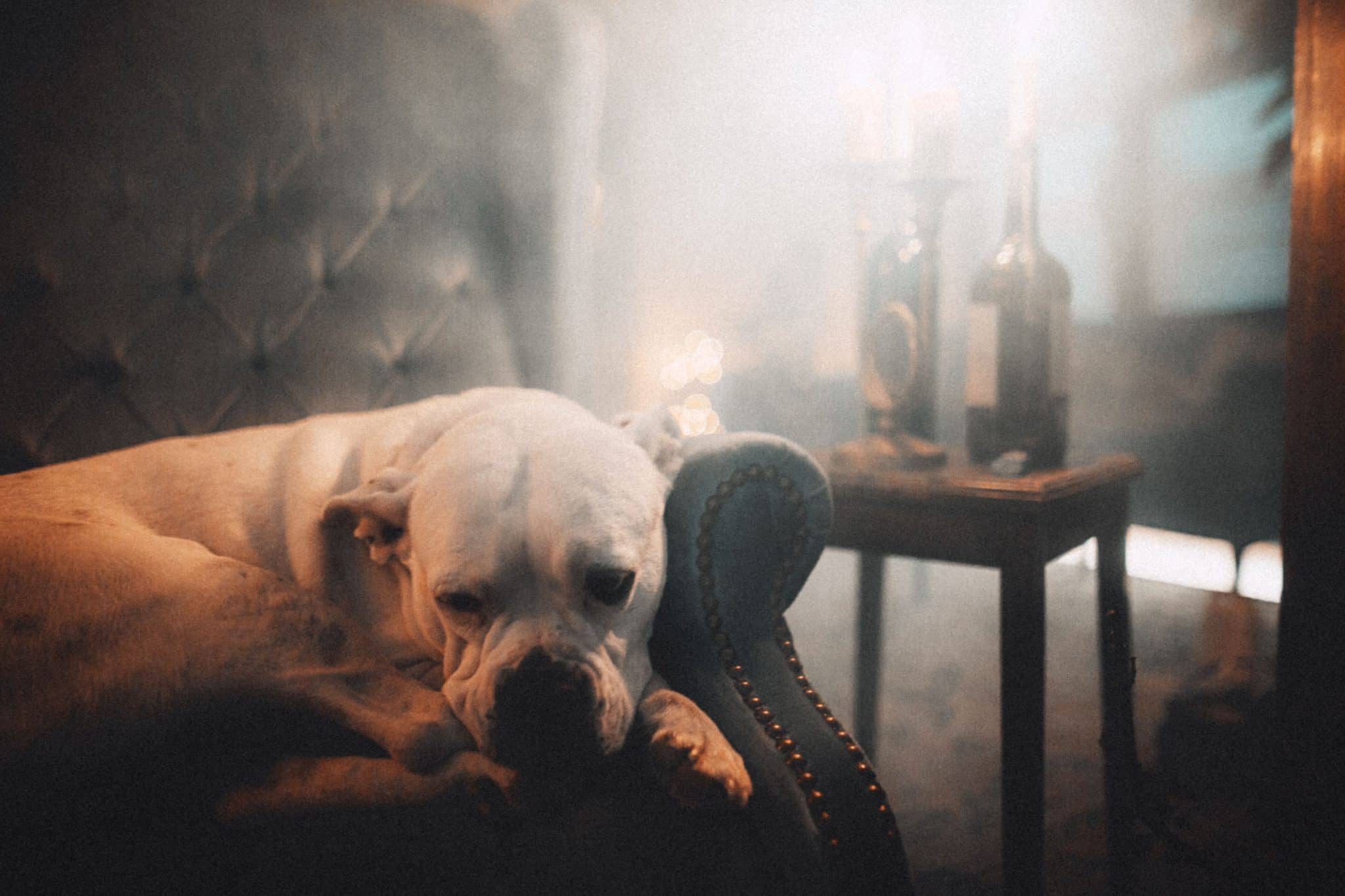
After hours of excitement, even a sociable dog may want nothing more than a peaceful place beside its favorite person. Halloween celebrations can be stimulating, but dogs need rest, reassurance, and opportunities to disengage when the world becomes too much. Cavalier King Charles Spaniels are often associated with affectionate companionship, while many other breeds also enjoy spending quiet time near their families. Still, affection should never be confused with a constant desire for attention. A dog that walks away or settles in another room may simply be asking for a break. Your dog would probably remind you that companionship does not require costumes, elaborate activities, or a perfect holiday photograph. A calm evening with familiar bedding, a safe chew toy, and a little gentle attention can be more rewarding than a noisy celebration. Let your dog decide whether it wants to participate. Keep its resting space accessible, offer affection when welcomed, and resist the temptation to wake it for one more picture. Sometimes the best Halloween memory is a relaxed dog who feels secure enough to fall asleep while the festivities continue elsewhere.
The Tail End Of The Horror Story
 Shutterstock
Halloween may be your favorite time for costumes, decorations, and treats, but your dog might wonder why humans suddenly behave like characters in a supernatural comedy. Suspicious skeletons, noisy visitors, and unfamiliar routines can cause canine confusion. Fortunately, you can keep your furry friend happy without canceling the celebration. Respect your dog’s boundaries, keep dangerous candy out of reach, and provide a quiet retreat. Remember, every dog deserves patience, comfort, and love. Sometimes, unconditional affection comes with a hilariously judgmental stare at your Halloween costume.
This content was created with AI assistance and edited by the iHeartDogs team.
 Toledo, United States.