
 Shutterstock
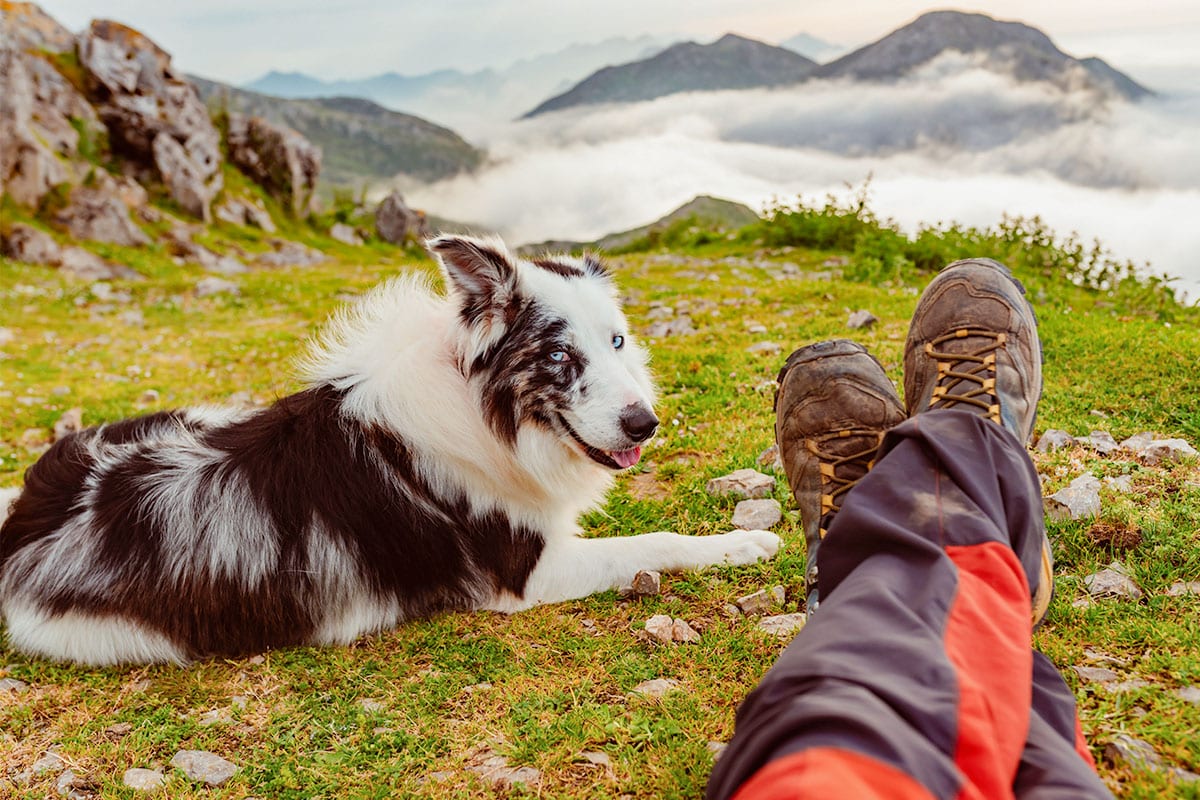
Dogs have an uncanny ability to tune into the world around them and into us well before we even know something’s changed. It’s not magic. It’s their natural sensitivity to energy, movement, and emotion. They live through their noses, their instincts, and the quiet language of observation, which allows them to pick up on subtle shifts we usually miss. What seems like intuition is often just their way of listening to the world more closely than we do.
A Change in Your Mood
 Shutterstock
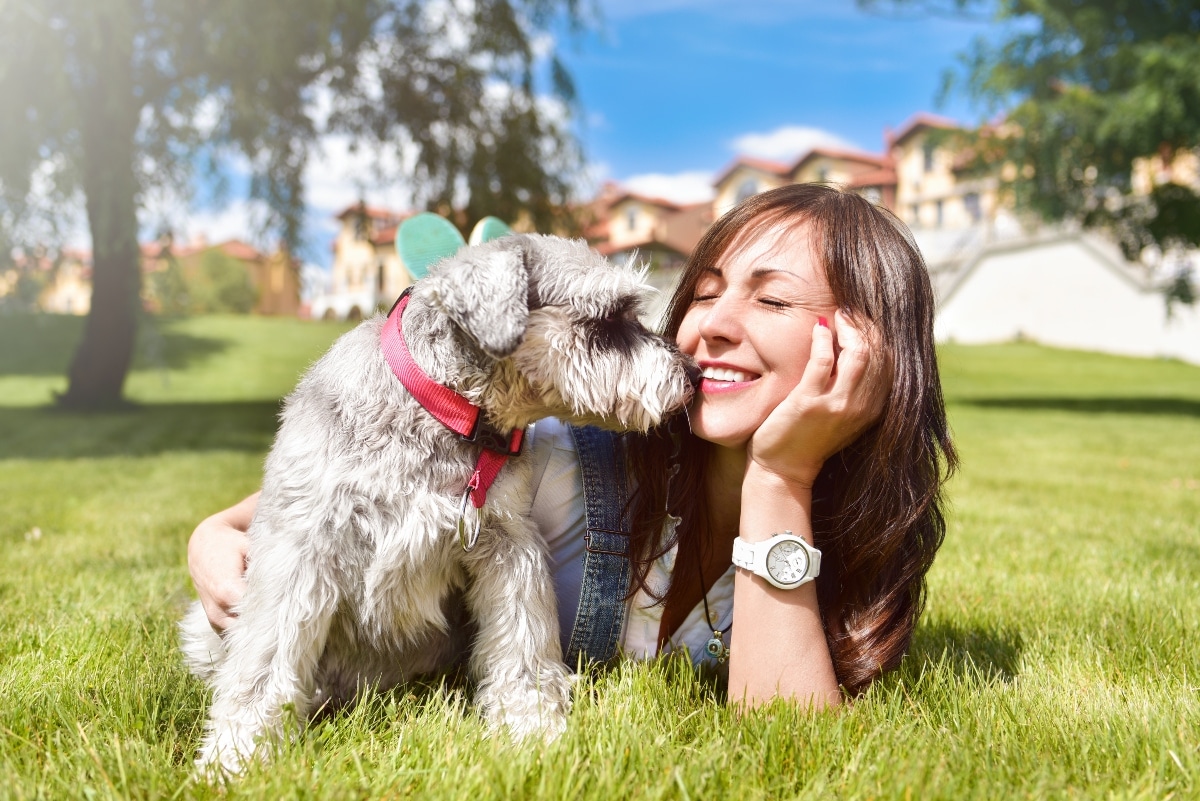
Dogs don’t need words to know how you feel. Your body language, scent, and even subtle facial expressions give them clues about your emotional state. Whether you’re stressed, anxious, or quietly sad, they notice before you’ve even admitted it to yourself. That’s why your dog may curl up beside you before you even realize you needed comfort.
A Coming Storm
 Shutterstock
While we’re still scrolling through our phones, dogs are already sensing the drop in barometric pressure or the faint rumble in the distance. Many dogs show signs of agitation, pacing, or hiding long before a storm breaks. It’s part of their survival instinct reading nature’s signs before they become threats. Their acute hearing and heightened sensitivity to environmental changes make them expert weather forecasters.
Someone’s at the Door (Even Before They Knock)
 Shutterstock
Your dog doesn’t need a doorbell to know company is coming. They might hear footsteps or a car engine several houses down before we hear a thing. Their alertness is almost instantaneous—ears up, body poised, gaze fixed. That’s why they’re waiting at the door before anyone knocks.
Illness in Their Human
 Shutterstock
Many dogs can detect shifts in our body chemistry. Some are trained to identify medical conditions like low blood sugar or seizures, but even untrained dogs often react when something isn’t right. You might notice your dog becoming more clingy or unusually gentle when you’re under the weather. It’s their way of staying close, of watching over you the only way they know how.
Tension in the Household
 Shutterstock
Before raised voices or slammed doors, your dog has already picked up on the tension. Their survival instincts are honed to detect disharmony in their “pack.” You may see them pacing, hiding, or trying to mediate by nudging you or offering a toy. They’re not just reacting to noise they’re responding to emotional undercurrents.
When You’re Heading Out
 Shutterstock
It doesn’t take much just the sound of you grabbing your keys, putting on shoes a certain way, or your change in energy. Dogs can distinguish between your routine movements and the specific patterns that signal “She’s leaving.” Some dogs even start reacting before you do any of these things, just by sensing your shift in mindset.
A Pet in Distress Nearby
 Shutterstock
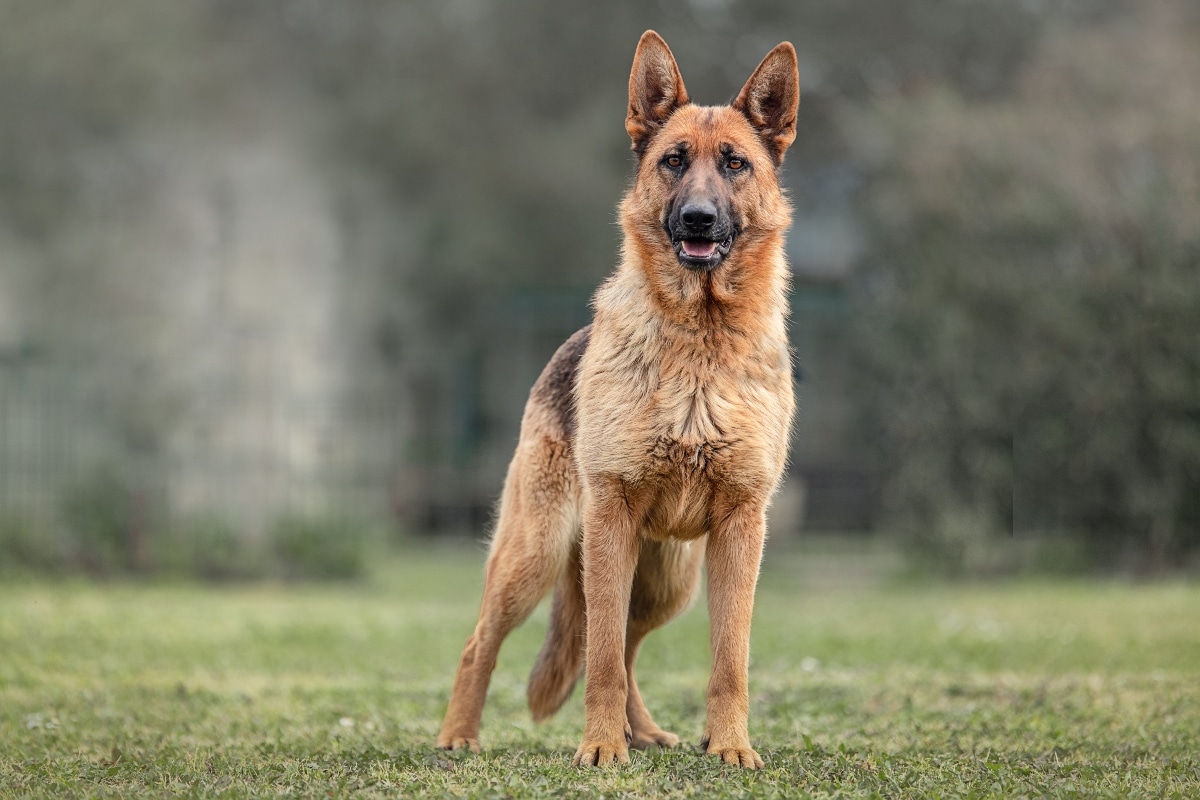
Dogs are incredibly sensitive to the emotions and energy of other animals. They may become alert, whine, or pace if a neighboring dog is hurt, anxious, or even lost. Their empathy isn’t reserved just for humans they feel the presence of other beings who are struggling. Sometimes it seems they’re listening to a language of distress we can’t hear.
Pregnancy
 Shutterstock
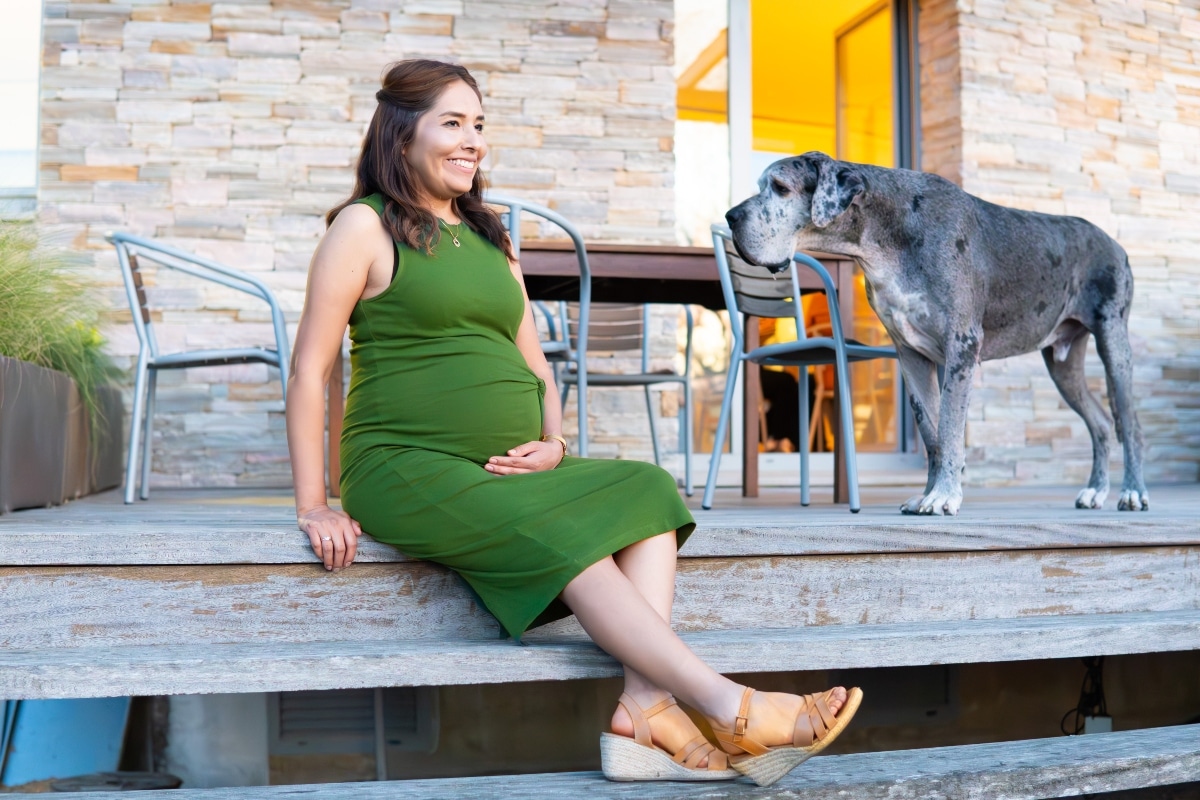
Dogs often react to the hormonal changes in a pregnant person. Some become more protective, while others act confused or overly affectionate. They’re picking up on scent shifts and even slight differences in behavior. Long before the baby bump shows, your dog may already be preparing for a new pack member.
When You’re About to Cry
 Shutterstock
There’s something almost sacred in how a dog responds to quiet grief. Before the tears fall, your dog may already be beside you, nudging your hand or simply sitting in stillness. They sense the tremble in your voice, the change in your breathing, the slump in your shoulders. In those moments, they don’t need to fix anything—they just stay.
Dogs Just Know
 Shutterstock
Living with a dog is like having a guardian tuned to the things we overlook our emotions, nature’s signs, and the rhythms of life. They are quiet watchers, always feeling, always noticing. It’s not that they’re smarter than us. It’s that they’re more present. And in that presence, they often see what we can’t until we finally sit still and realize they’ve been trying to show us all along.
 Toledo, United States.