
 Shutterstock
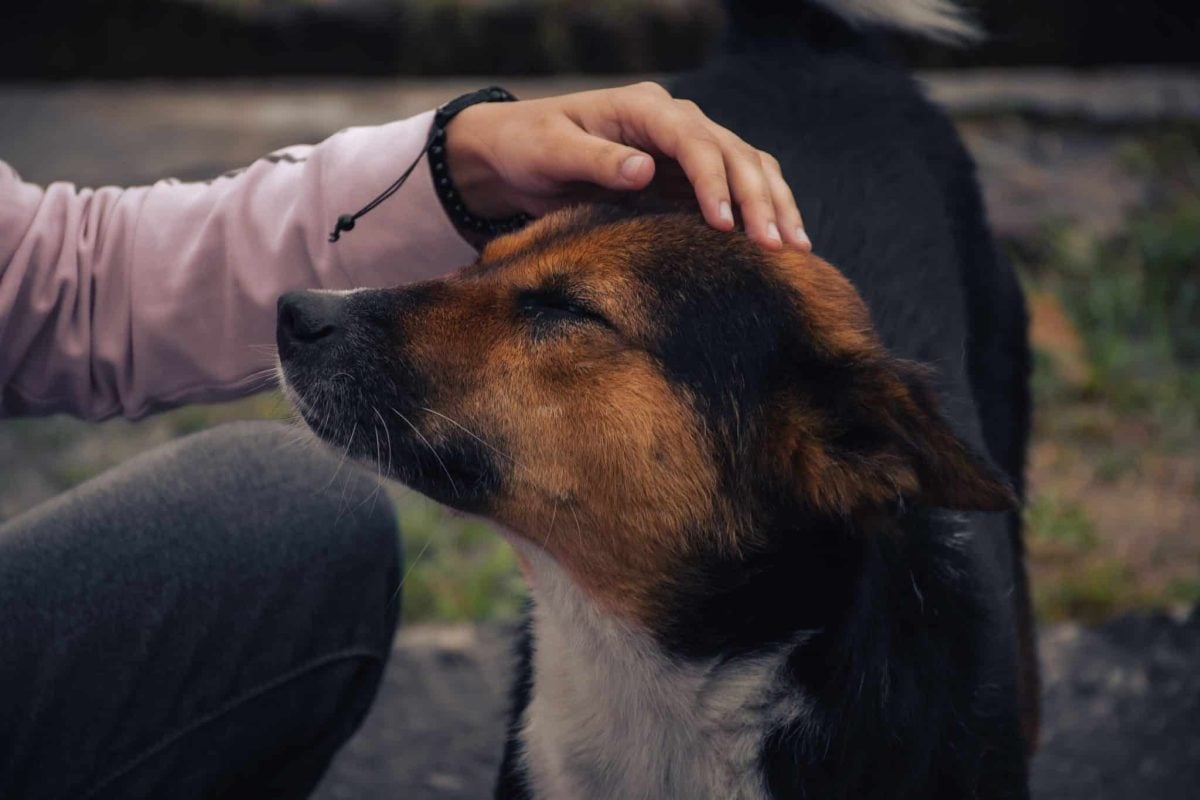
Dogs have countless ways of showing loyalty, and many of their most meaningful gestures happen during ordinary moments that are easy to overlook. A devoted dog may follow someone between rooms, offer quiet comfort during difficult days, celebrate every reunion, or simply remain nearby when nothing exciting is happening. These behaviors can reflect attachment, trust, social connection, learned routines, and affection built through positive experiences. Every dog expresses devotion differently, but these fifteen heartwarming behaviors can reveal just how deeply canine companionship becomes woven into everyday life.
They Follow You Around the House
 Shutterstock
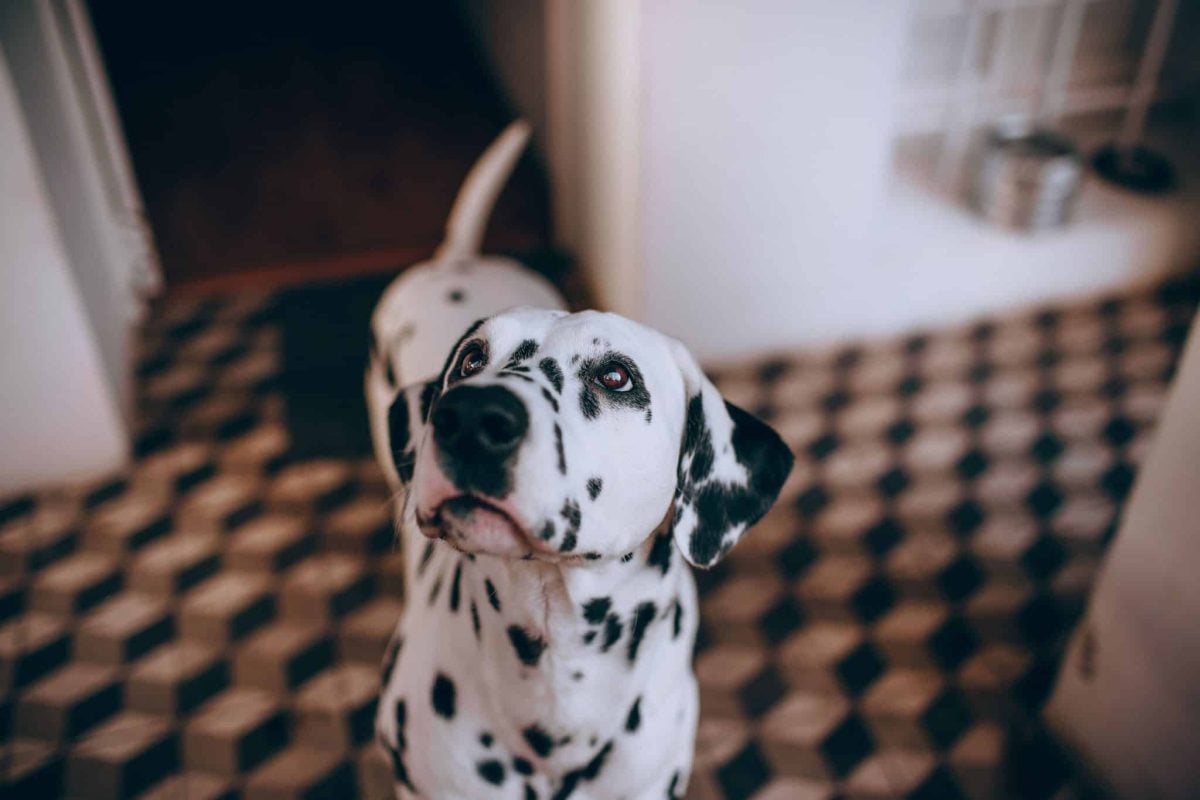
A dog that regularly follows a trusted person between rooms may be expressing social attachment, curiosity, learned routine, or simply a preference for staying close to someone who makes life feel comfortable and predictable. Dogs are social animals, and many become deeply interested in their family’s daily activities, happily abandoning a comfortable resting place when their favorite person suddenly walks somewhere that might contain companionship, food, play, or another interesting opportunity. Following should not automatically be interpreted as proof of extraordinary devotion because anxiety and other motivations can also encourage constant proximity, but relaxed companionship often reflects a secure relationship. Some dogs simply seem convinced that loyalty requires knowing where their humans are at all times, including during trips across the house that last approximately twelve seconds.
They Celebrate When You Come Home
 Shutterstock
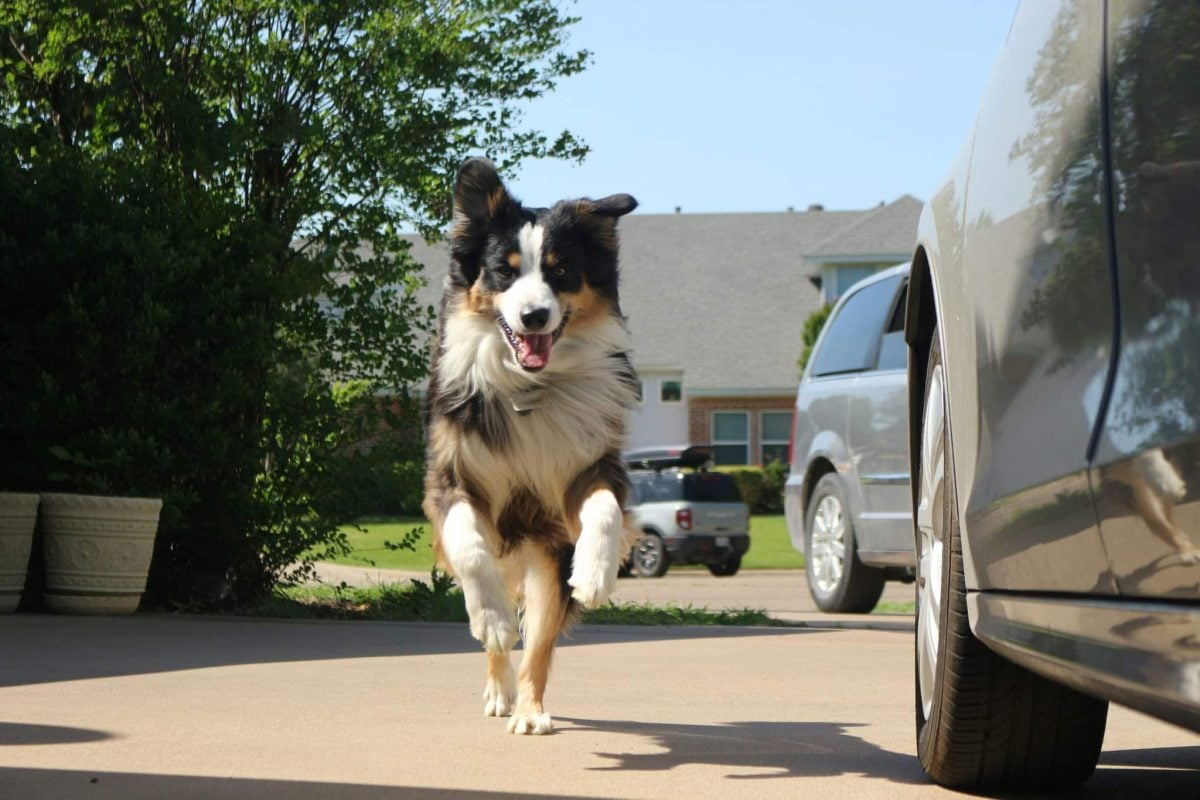
Few experiences make canine affection more obvious than returning home to a dog genuinely delighted by the reunion. Wagging, happy body movements, excited greetings, affectionate contact, playful behavior, and an eagerness to reconnect can show that a familiar person’s arrival carries strong positive associations, especially when that individual represents companionship, security, exercise, play, and consistent care. Greeting styles vary considerably, with some dogs launching enthusiastic celebrations while quieter companions simply approach, lean close, or remain nearby with relaxed expressions. Either response can reflect attachment, proving that loyalty does not require dramatic choreography, although certain dogs clearly believe every return deserves the emotional production normally reserved for someone coming home after crossing an ocean.
They Stay Close When You Are Upset
 Shutterstock
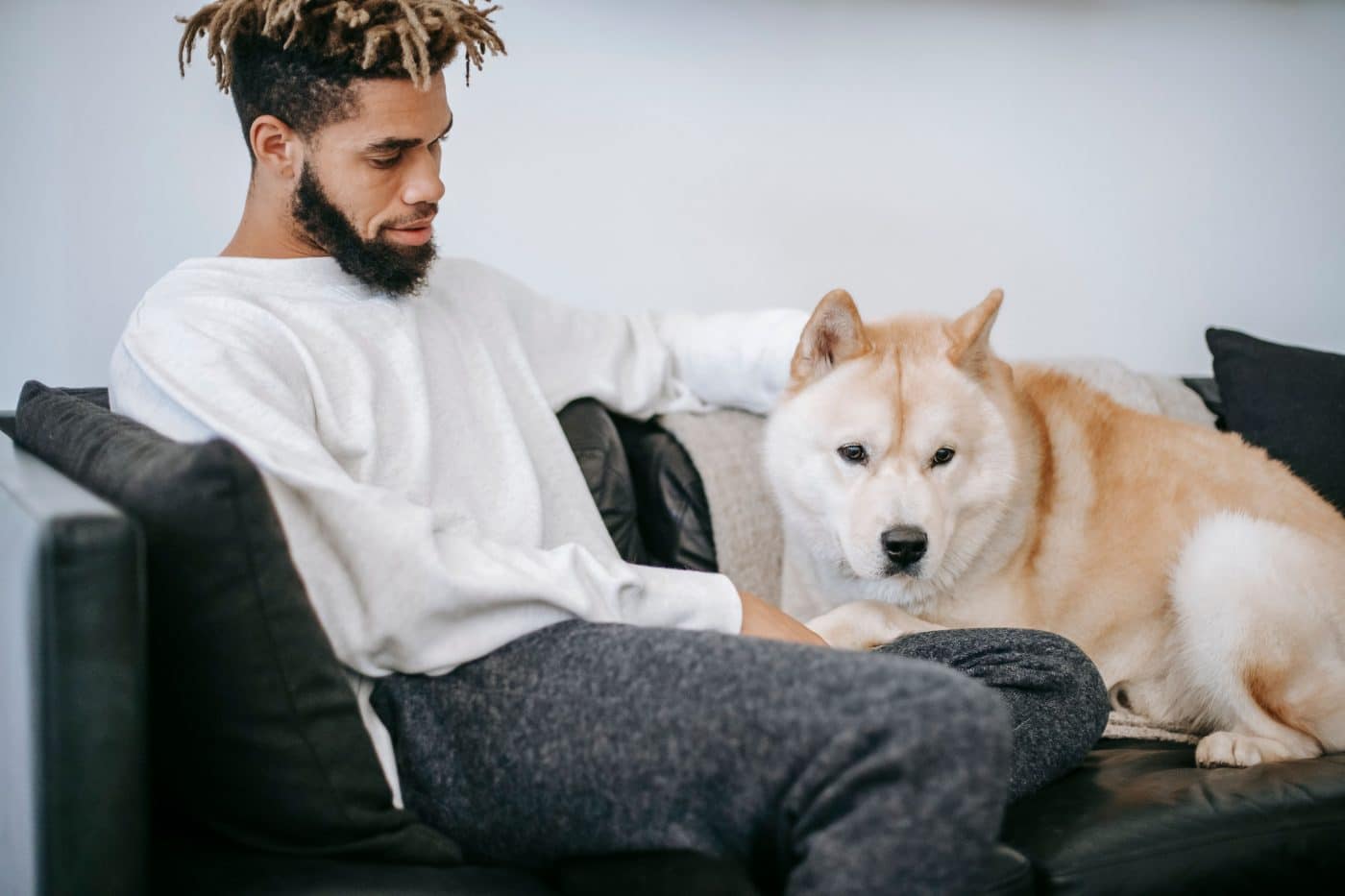
Dogs can respond to changes in human behavior, voice, posture, facial expressions, and emotional cues, sometimes becoming noticeably attentive when a familiar person seems distressed. A devoted companion might approach, remain nearby, seek physical contact, quietly observe, or alter its usual behavior during an emotional moment, although scientists should be cautious about assuming dogs understand complex human emotions exactly as people do. Their responses may involve learned associations, sensitivity to behavioral changes, attachment, or a combination of factors that encourages them to remain close. Whatever motivates the behavior, the quiet presence of a trusted dog can feel wonderfully reassuring, particularly when that companion seems perfectly content to sit nearby without demanding explanations, advice, or a detailed summary of what went wrong.
They Check on You Throughout the Day
 Shutterstock
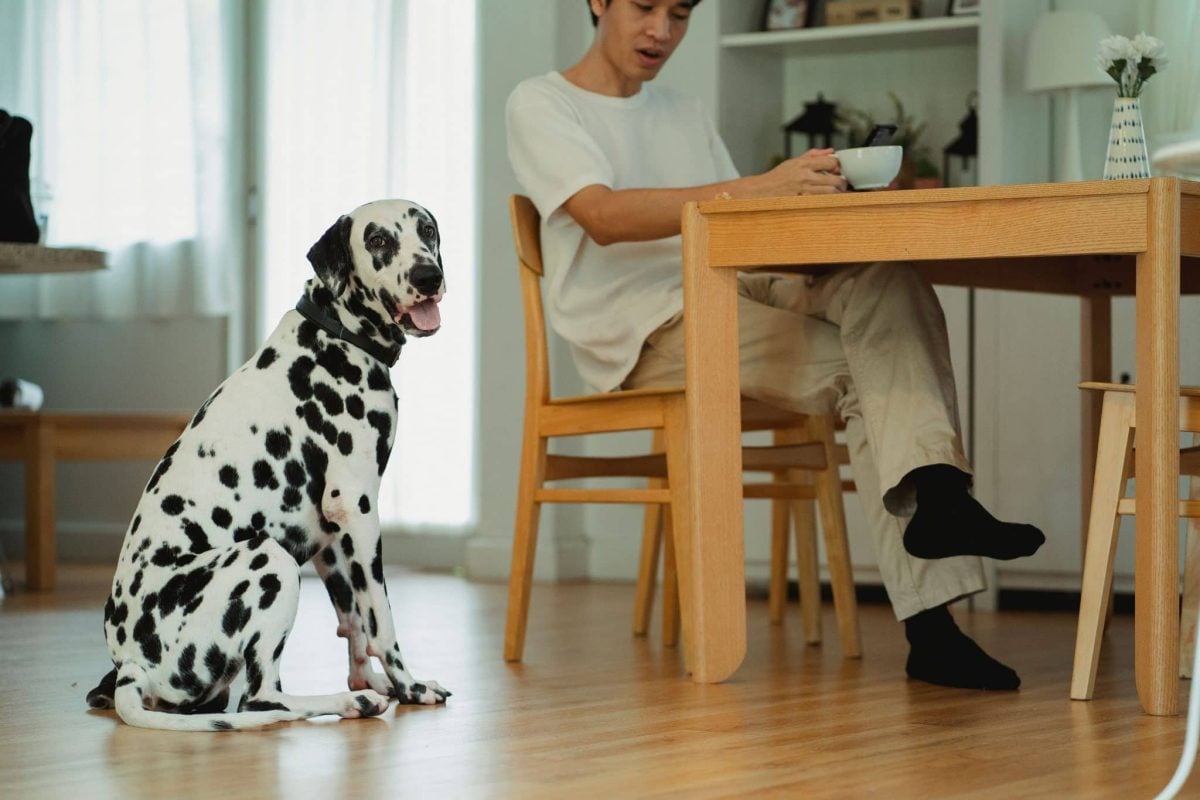
Some dogs periodically appear beside their humans as though conducting tiny wellness inspections throughout the day. They may walk into a room, look toward a familiar person, approach briefly for affection, and then return to whatever they were doing once they confirm that everything appears normal, behavior that can reflect attachment, curiosity, routine, or anticipation of interaction. Dogs often become excellent observers of household patterns, learning where people spend time and when particular activities usually occur, so these check-ins may combine affection with impressive knowledge of the daily schedule. Still, there is something heartwarming about realizing that a dog resting comfortably elsewhere decided everyone needed a quick inspection before officially returning to important canine business.
They Look to You for Guidance
 Shutterstock
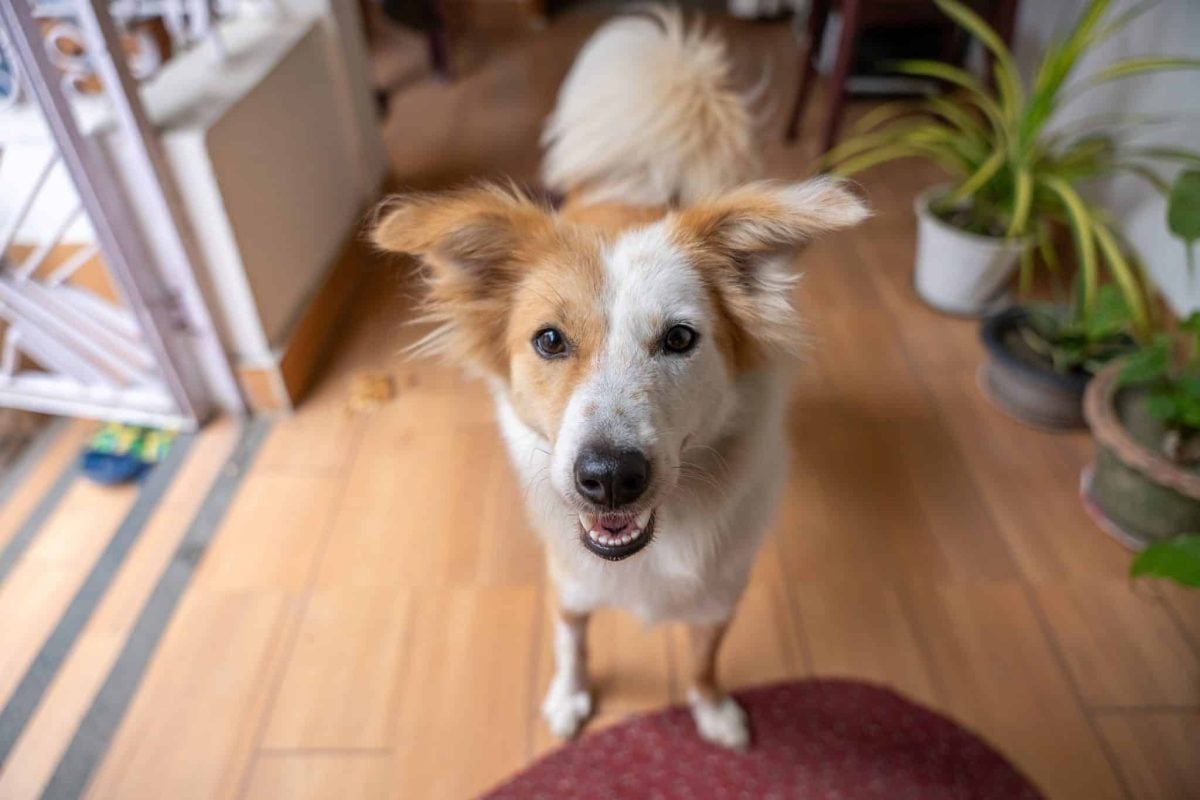
A secure relationship often encourages dogs to pay attention to familiar people when navigating uncertain or unfamiliar situations. They may watch body language, respond to trained cues, remain attentive during new experiences, or seek information from someone whose behavior has repeatedly helped them understand what happens next, demonstrating the value of trust developed through consistent and positive interactions. This does not mean a dog should depend entirely on human reassurance or be forced into situations that cause fear, since confidence and appropriate independence are equally important parts of emotional well-being. When a dog voluntarily checks in before proceeding, however, the behavior can beautifully demonstrate how loyalty and trust often develop together through countless everyday experiences.
They Choose to Rest Near You
 Shutterstock
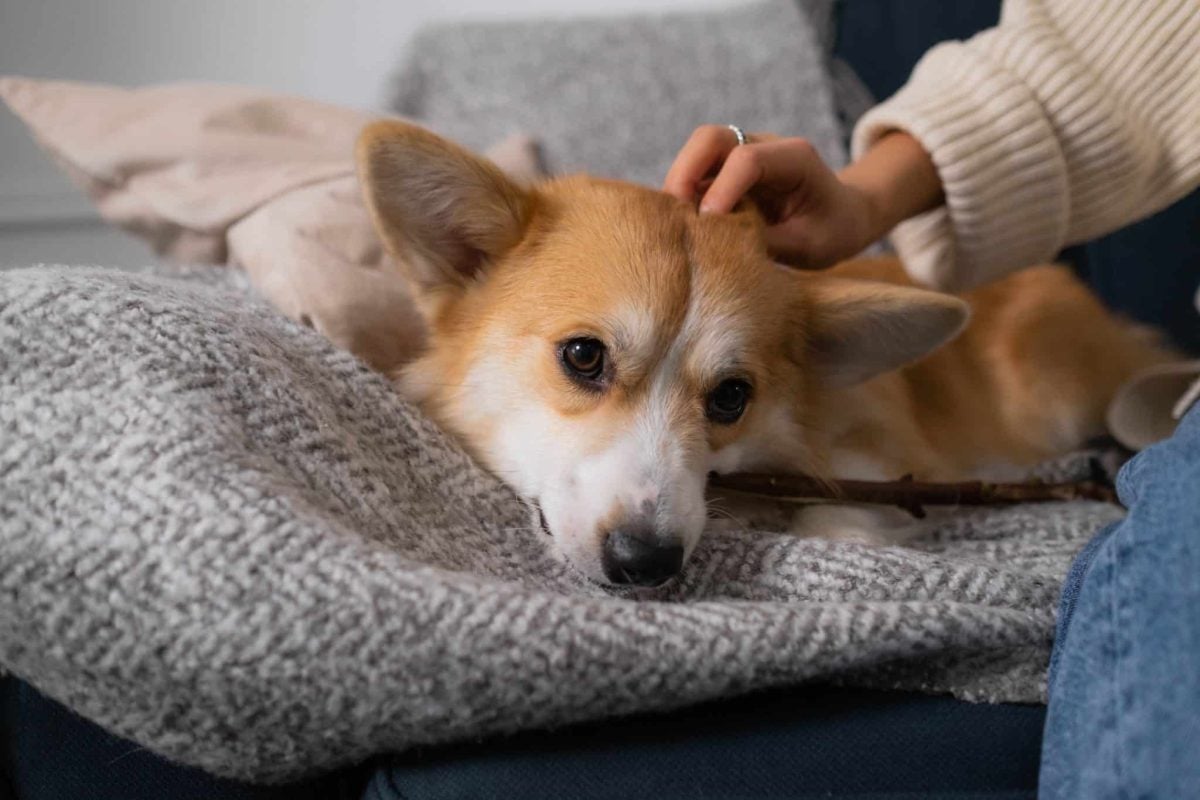
Loyalty is not always energetic because sometimes devotion looks like a sleeping dog that could rest anywhere but repeatedly chooses a location near someone it trusts. Relaxed proximity can reflect comfort, attachment, social preference, warmth, habit, or a sense of security, particularly when the dog displays loose body language and appears completely comfortable rather than anxious about maintaining constant contact. Some dogs prefer direct physical closeness while others happily settle several feet away, making individual personality important when interpreting this behavior. The sweetest part may be how little effort the gesture seems to require because a devoted dog can turn an ordinary nap into a quiet declaration that, out of every available location, this particular spot feels best because you happen to be nearby.
They Keep Watch Over Their Family
 Shutterstock
Many dogs naturally pay close attention to sounds, movement, visitors, and changes around their homes, and some breeds have particularly strong guarding or watchdog tendencies shaped by their working histories. Alerting family members to something unusual can sometimes reflect territorial behavior, excitement, uncertainty, learned habits, or protective instincts, so responsible owners should encourage calm, manageable responses rather than interpreting excessive barking or aggression as desirable evidence of loyalty. Proper socialization, positive training, and secure management help dogs distinguish everyday situations from genuine reasons for concern. A balanced dog that quietly notices what is happening can still seem remarkably devoted, especially when its expression suggests the household has unknowingly employed a security department that accepts payment primarily in treats.
They Bring You Their Favorite Things
 Shutterstock
When a dog voluntarily brings a favorite item to someone, the behavior may be an invitation to play, a request for attention, a learned strategy for starting interaction, or simply part of an enjoyable social routine. Dogs that feel comfortable around their families often incorporate humans into activities they value, making the decision to approach with something exciting a charming demonstration of trust and connection, even when the dog has absolutely no intention of permanently surrendering it. Retrieving breeds may be particularly inclined toward carrying objects, but individual dogs of many backgrounds develop their own versions of this behavior. Receiving a beloved item can therefore feel like an honor, even when the generous donor immediately expects you to throw it across the room.
They Learn Your Daily Routine
 Shutterstock
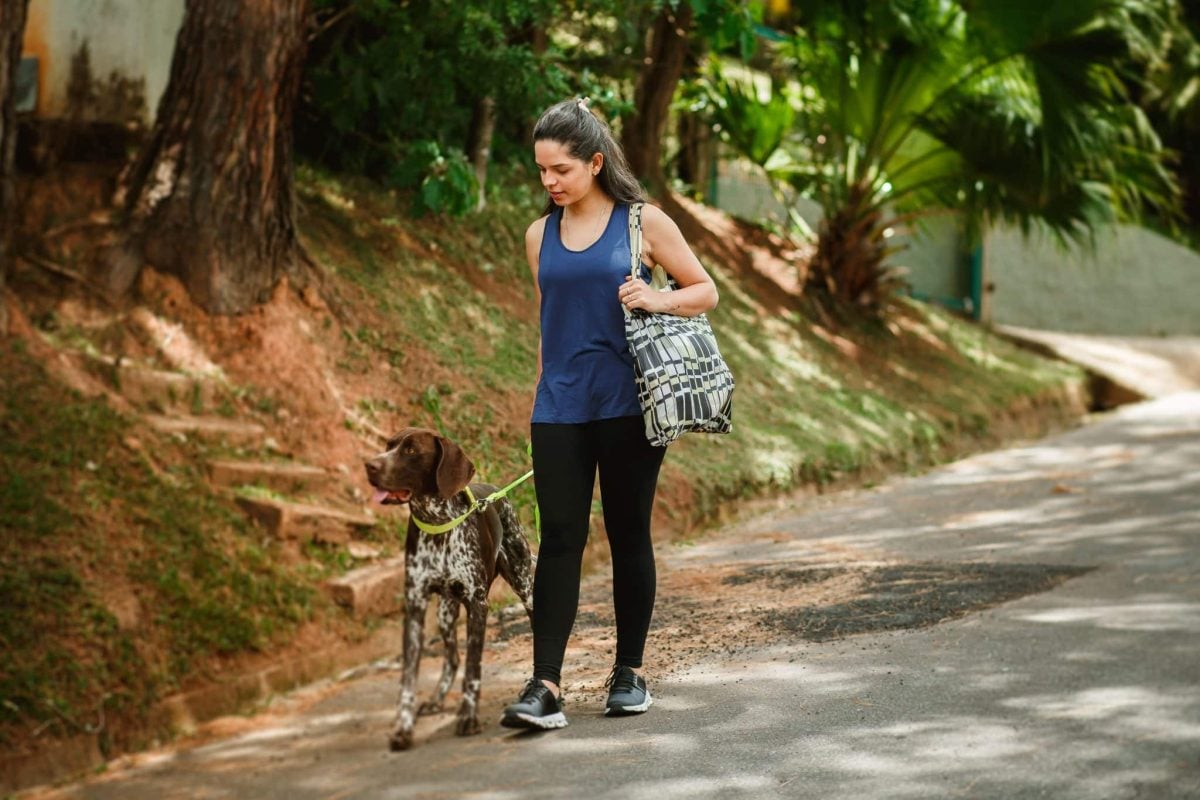
Dogs are remarkably good at recognizing patterns, and a companion that lives closely with people may learn an astonishing amount about the household schedule. Familiar cues can tell dogs when meals, walks, work sessions, departures, bedtime, or other regular events are approaching, while subtle changes in clothing, movement, objects, and human behavior may provide additional information about what happens next. This ability is partly learning rather than loyalty alone, but close attention to a trusted person’s routine can still reveal how thoroughly dogs become integrated into everyday family life. Some eventually appear to know the schedule better than everyone else, especially when dinner is several minutes late and the household timekeeper arrives to file an immediate complaint.
They Wait for You
 Shutterstock
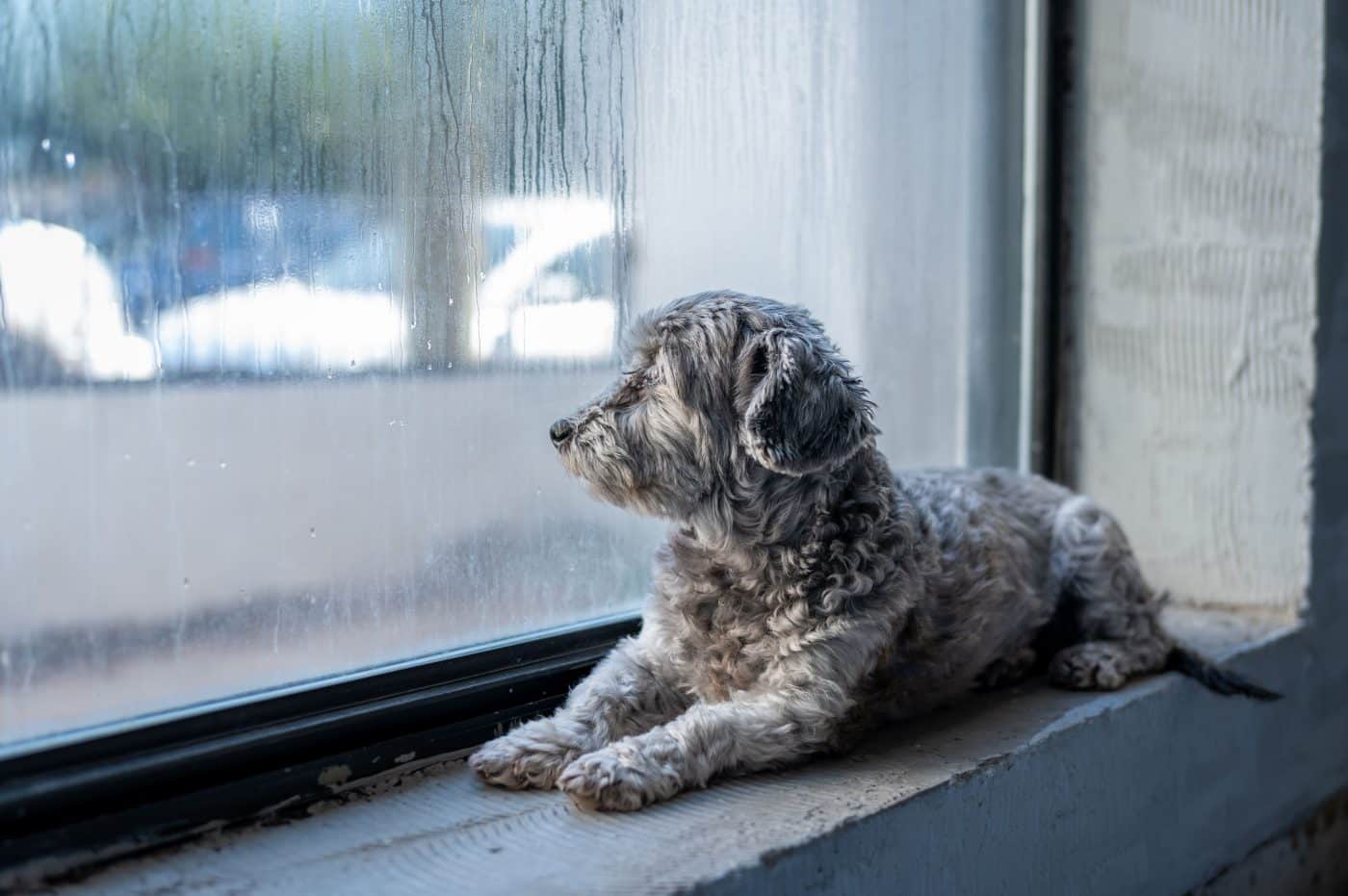
Waiting can be one of the quietest expressions of canine attachment, especially when a dog pauses for a familiar person during everyday activities instead of immediately continuing without them. Some dogs linger near entrances, slow their pace during walks, watch for someone who has fallen behind, or settle until a favorite family member joins an activity, although context matters because waiting can also reflect training, routine, uncertainty, or anticipation. Dogs should gradually learn to feel comfortable when trusted people are unavailable, since healthy attachment includes the ability to relax independently rather than experiencing severe distress during separation. Still, voluntary patience can feel remarkably touching when a dog seems to decide that whatever happens next will simply be better once everyone important has caught up.
They Seek You Out in Unfamiliar Situations
 Shutterstock
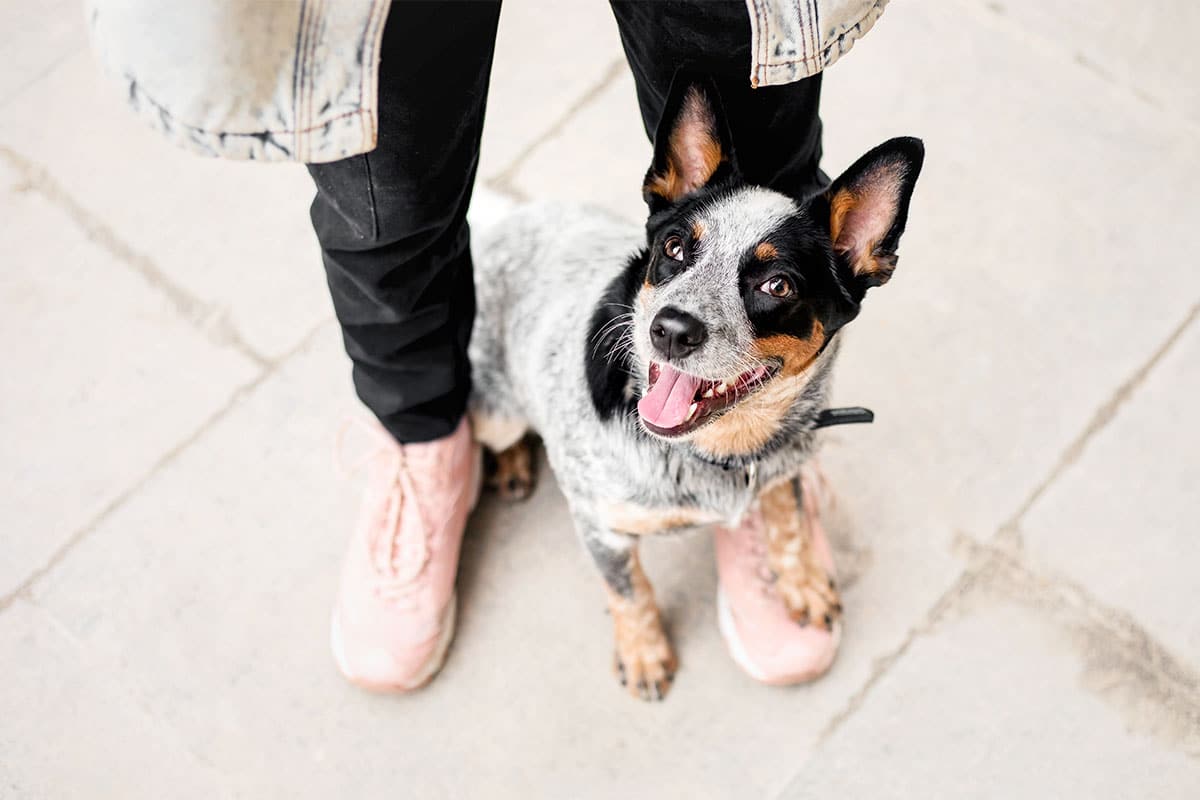
New environments can contain unfamiliar smells, sounds, surfaces, animals, and people, making a trusted human an important source of familiarity for many dogs. A securely attached dog may periodically check in, move closer, respond to guidance, or observe a familiar person’s reactions when encountering something new, behaviors that can reflect trust developed through safe and consistent experiences. Owners should never use loyalty as a reason to push frightened dogs beyond their comfort levels, and gradual introductions with positive reinforcement are usually more productive than forcing interaction. When dogs voluntarily return to someone they trust before continuing their exploration, they demonstrate how a strong relationship can provide a dependable emotional reference point when the rest of the world suddenly feels unfamiliar.
They Respond to Your Voice
 Shutterstock
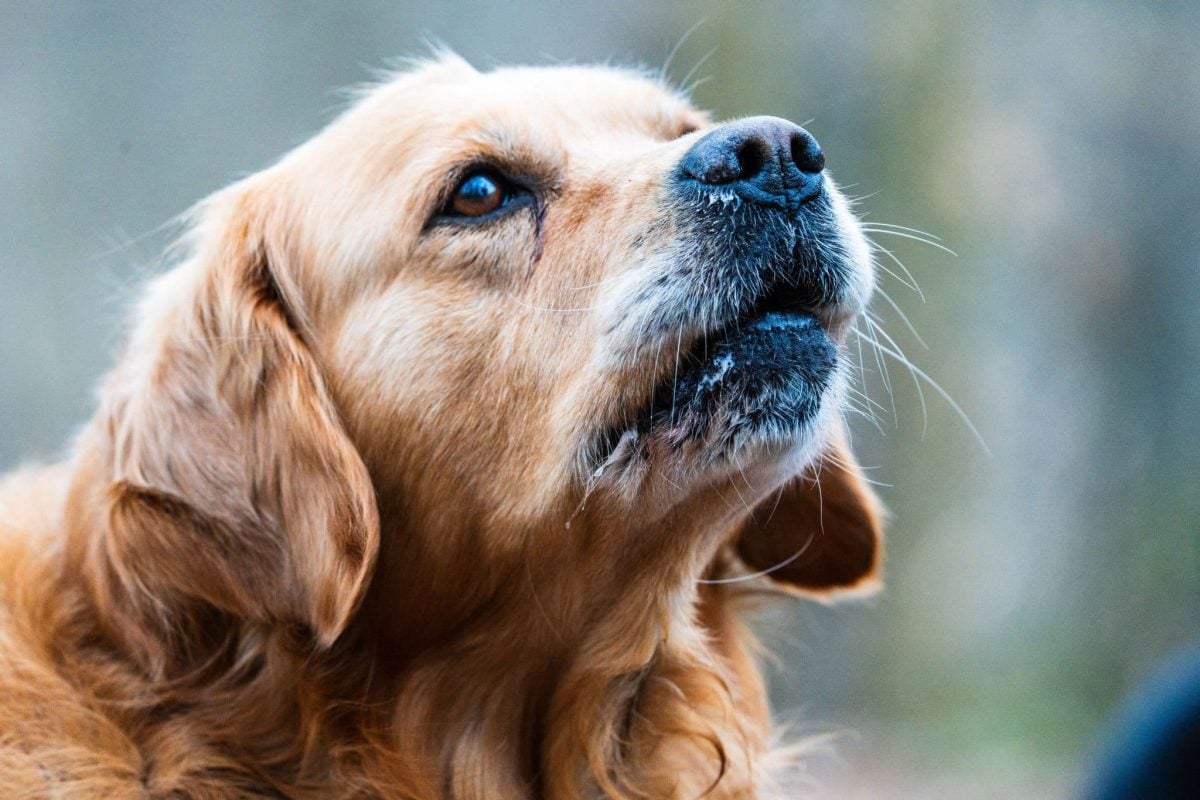
A familiar voice can carry enormous significance for a dog that has built strong positive associations with the person speaking. Dogs can learn their names, verbal cues, tones, routines, and patterns of speech, and many quickly orient toward trusted family members when they hear them, especially when previous interactions have consistently involved affection, play, training, security, or other rewarding experiences. Responsiveness varies according to distractions, training, temperament, hearing ability, and motivation, so ignoring a call occasionally does not mean affection has disappeared. Still, watching a dog’s attention immediately shift at the sound of a beloved voice can beautifully illustrate how deeply familiar humans become woven into the animal’s everyday understanding of safety and companionship.
They Offer Affection Without Being Asked
 Shutterstock
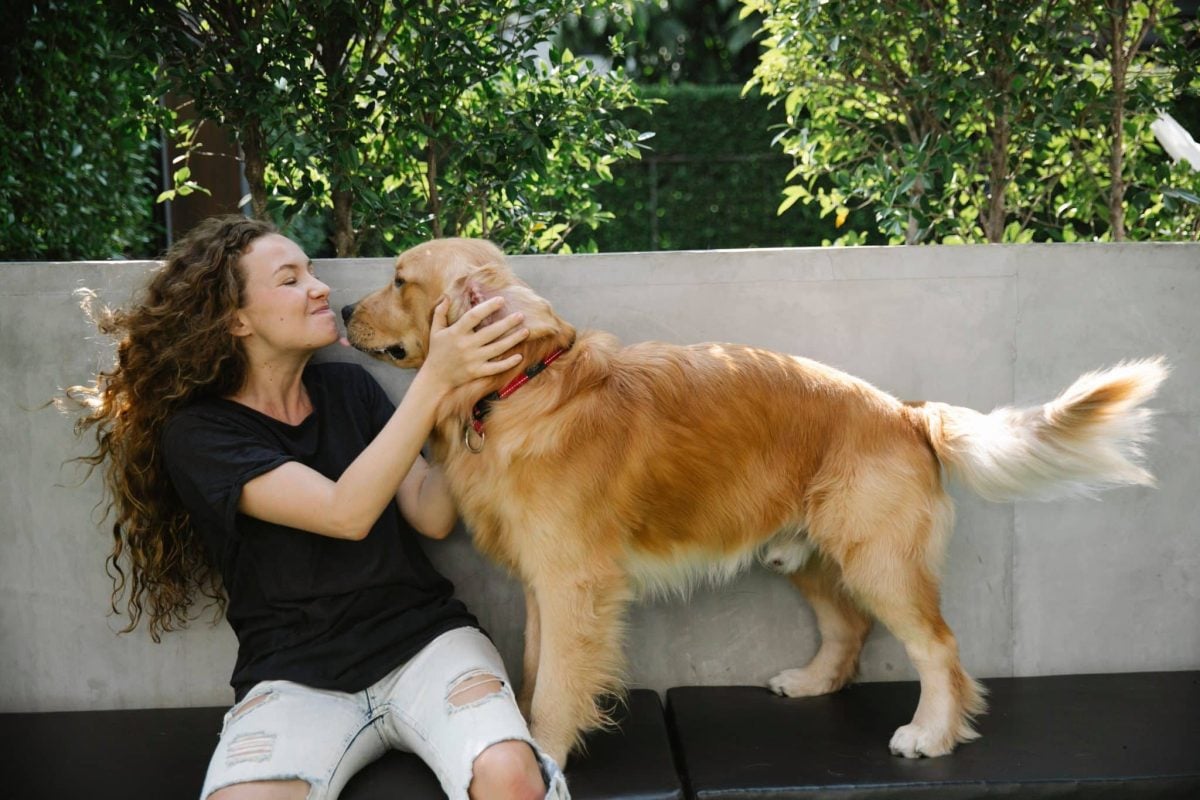
Dogs have individual preferences for physical contact, but many affectionate companions voluntarily approach trusted people for closeness without needing an invitation. Leaning gently against someone, resting nearby, seeking petting, placing the head close, or initiating another familiar form of contact can reflect comfort and social connection when the dog’s body language remains relaxed, and participation is voluntary. Humans should respect dogs that prefer less touching because loyalty is not measured by cuddling, and even highly affectionate dogs deserve the freedom to move away whenever they choose. When a dog independently seeks connection, however, the moment can feel especially meaningful because affection offered freely has a wonderful way of turning an otherwise ordinary minute into something memorable.
They Stay Connected as They Grow Older
 Shutterstock
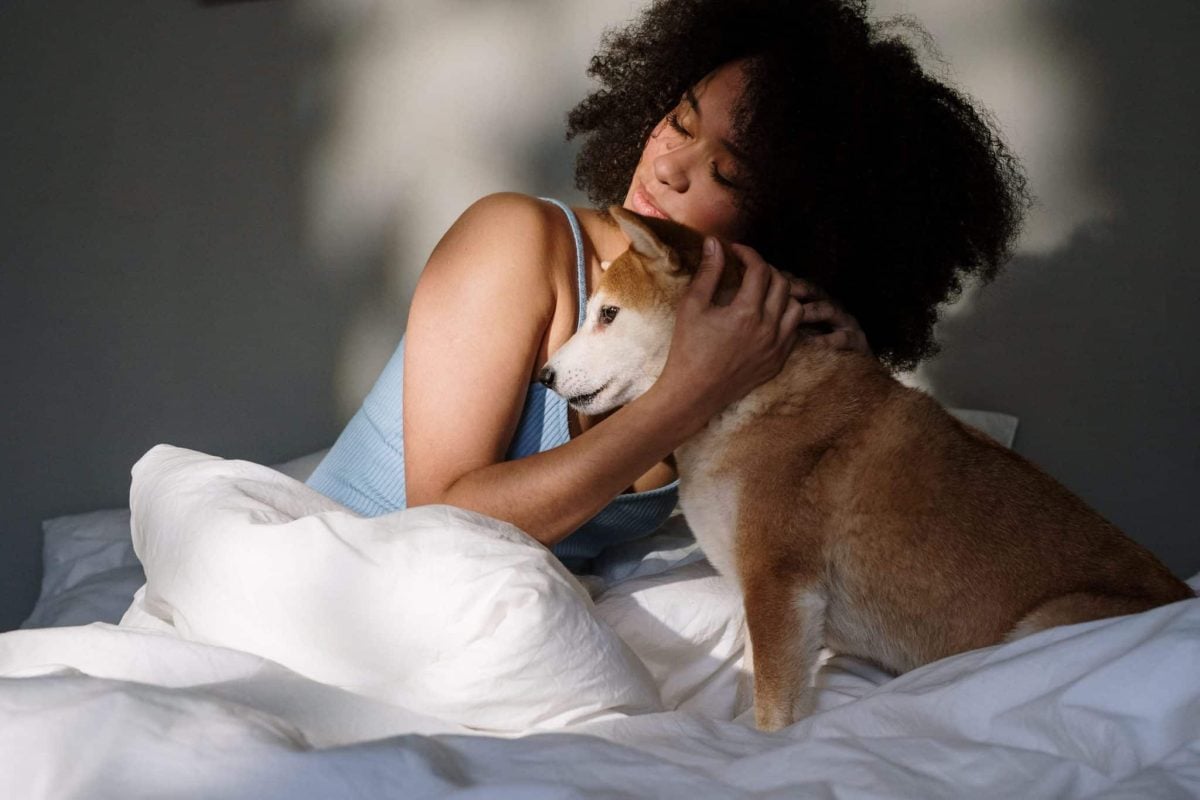
The relationship between a dog and family can deepen across years of shared routines, experiences, adventures, quiet evenings, and familiar interactions. Senior dogs may sleep more, move slowly, experience changes in hearing or vision, or require adjustments for age-related health needs, yet many continue seeking the companionship and routines that have provided comfort throughout their lives. Older dogs deserve veterinary care, accessible environments, appropriate exercise, mental enrichment, patience, and affection suited to their changing abilities, especially when behavioral changes could indicate discomfort or illness rather than simply aging. There is something particularly moving about a longtime companion continuing to choose familiar closeness after years together, proving that devotion can become quieter without becoming any less meaningful.
They Trust You Completely
 Shutterstock
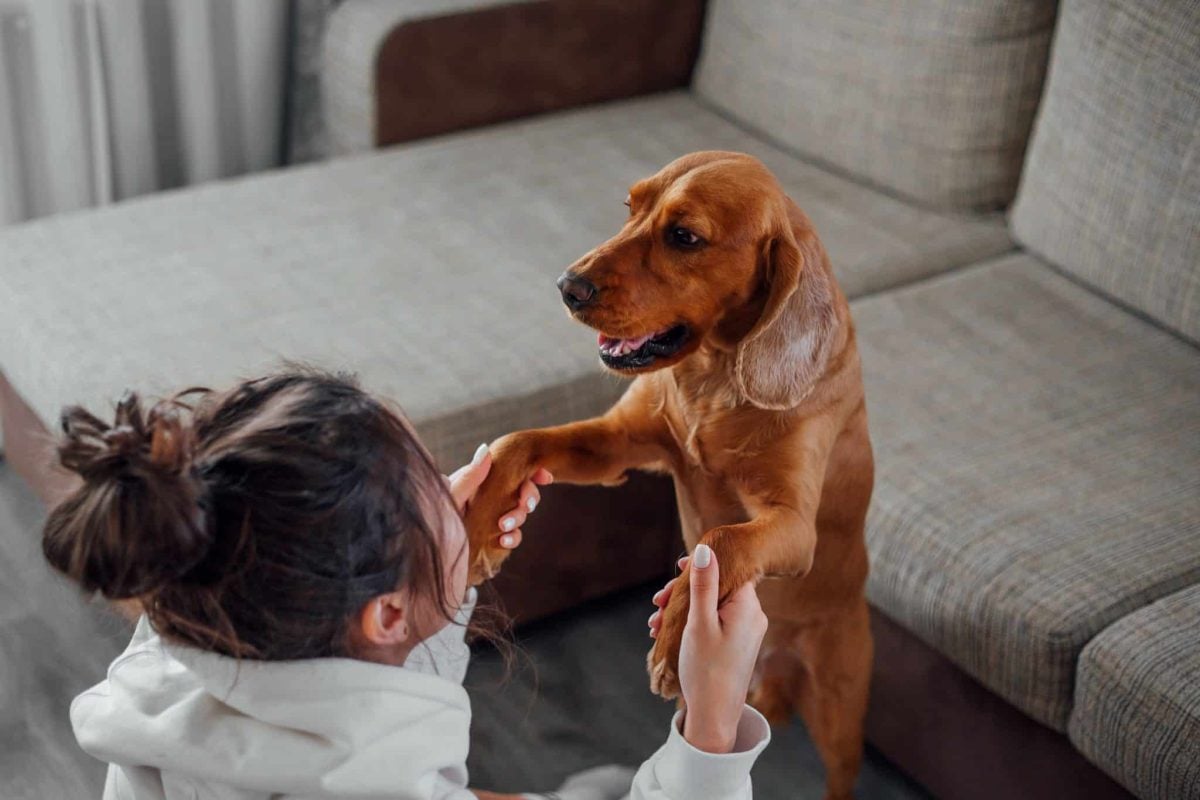
Perhaps the strongest foundation of canine loyalty is trust built through countless experiences in which people behave predictably, respectfully, and kindly. Dogs learn whom they can rely on for food, safety, companionship, guidance, play, comfort, veterinary care, and protection from situations they cannot manage themselves, while positive training and respectful handling help strengthen that security over time. Trust should never be taken for granted or tested unnecessarily, since even devoted dogs have boundaries and deserve choices, patience, and protection from frightening or uncomfortable interactions. When a dog can relax completely around its family, seek support when needed, and confidently participate in daily life, that security represents something far more meaningful than simple obedience.
The Loyalty Club Has a Permanent Member
 Shutterstock
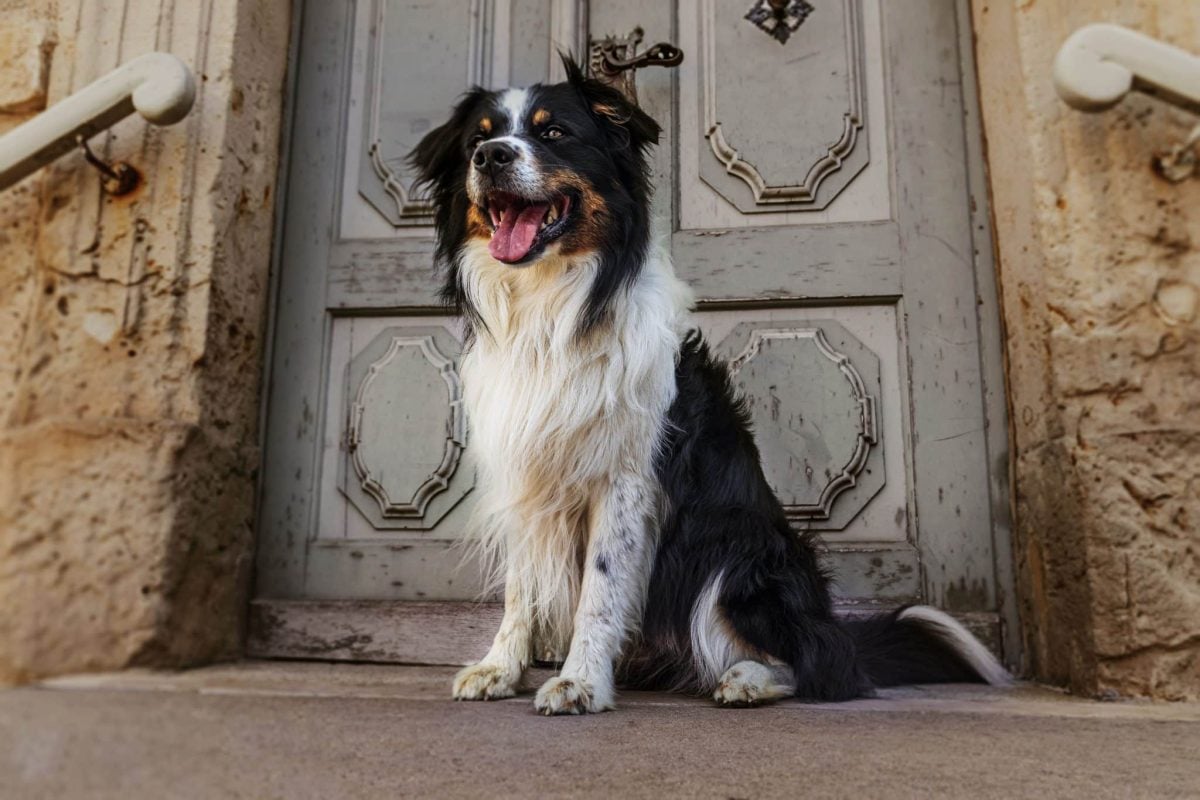
Dogs show loyalty through countless behaviors, from enthusiastic reunions and affectionate closeness to quiet check-ins, patient waiting, and staying nearby. These gestures can reflect attachment, trust, learning, routine, social instincts, personality, and positive experiences. Building a strong bond requires consistent care, respectful boundaries, positive training, exercise, enrichment, veterinary attention, and opportunities for dogs to feel secure. Give a dog reasons to trust you throughout life, and that relationship may become one of the most dependable partnerships imaginable, complete with four paws and endless devotion.
This content was created with AI assistance and edited by the iHeartDogs team.
 Toledo, United States.