
As dogs age, the cartilage that cushions their joints can gradually wear down, making movement less comfortable. Supporting senior dog joint health through proper nutrition, healthy weight management, appropriate exercise, and targeted nutrients can help maintain cartilage and mobility. Giving your older pup the right daily support can help them stay comfortable and enjoy the activities they love.

6 Ways to Support Aging Dog Joints
1 – Add Glucosamine and Turmeric to Their Routine
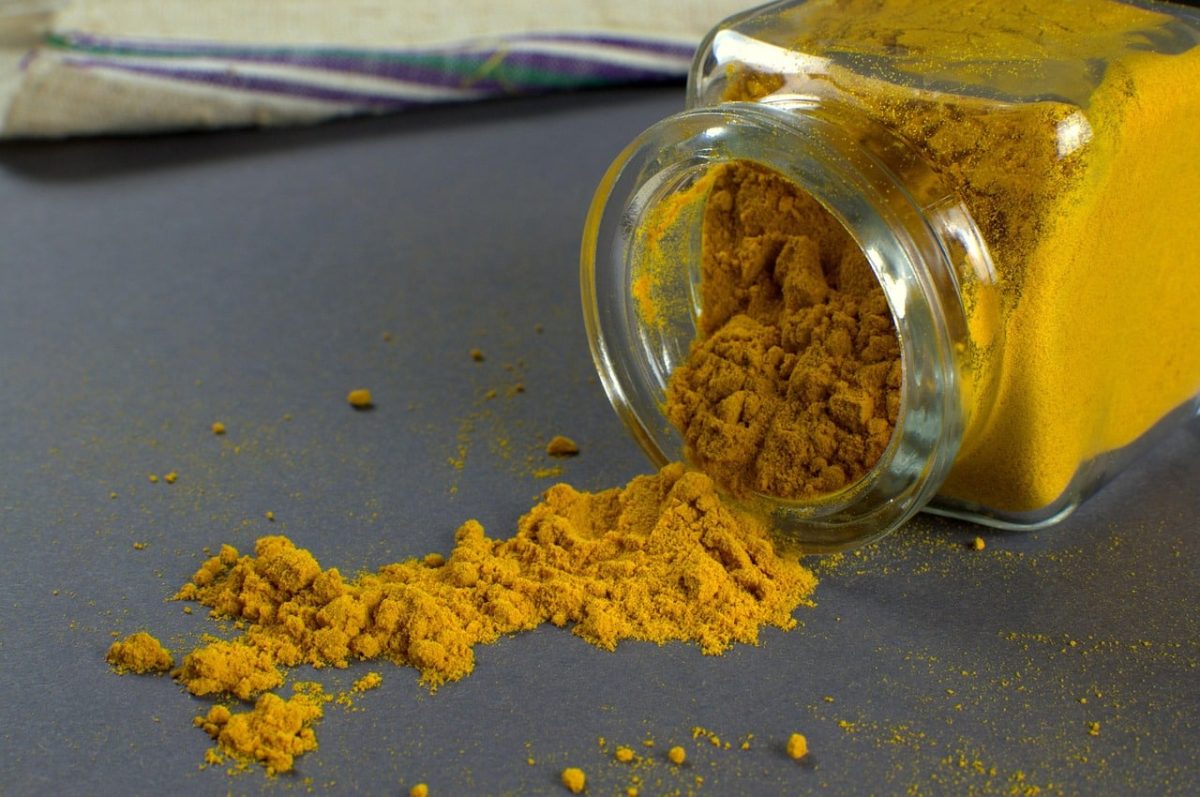
One of the easiest ways to support joint health is with glucosamine, which helps protect and rebuild cartilage. When paired with turmeric, a natural anti-inflammatory, it becomes even more effective. Glucosamine and Turmeric chews (on Amazon) combine both ingredients into a tasty daily chew, making it easy to support your senior dog’s cartilage regeneration without fuss. These chews can help ease stiffness, improve mobility, and support overall joint structure.
2 – Support Joint Structure with Green Lipped Mussel
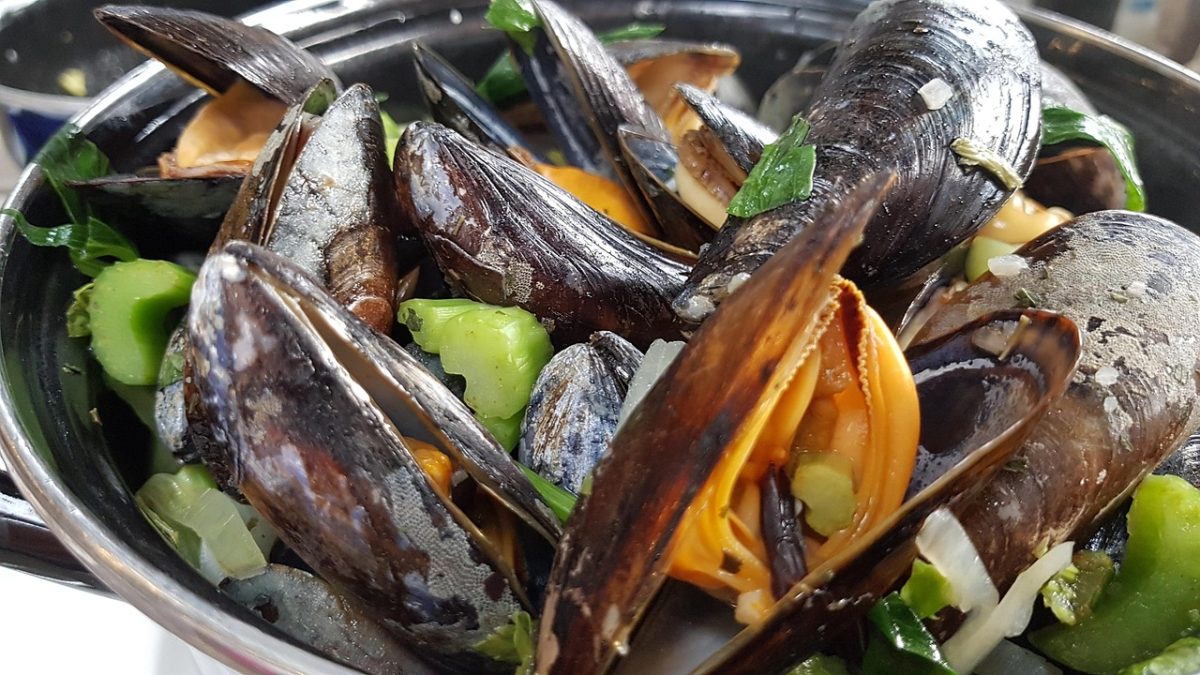
Green lipped mussel is a natural source of joint-supporting nutrients like omega-3s and glycosaminoglycans. Combined with chondroitin, it can support cartilage elasticity and reduce the progression of joint damage. Green Lipped Mussel and Chondroitin Hip and Joint chews (on Amazon) are specifically formulated for dogs with aging joints. This supplement helps maintain the shock-absorbing properties of cartilage and may help reduce further wear and tear as your dog continues to stay active.
3 – Use Collagen-Boosted Foods
Collagen plays a direct role in cartilage health, acting as a structural protein that keeps joints strong and flexible. A food topper like the iHeartDogs Bone Broth & Collagen for Dogs adds flavor and joint support to your dog’s meals. It’s a smart way to encourage cartilage repair from the inside out, especially for picky eaters who need a nutritional boost without changing their entire diet.
4 – Supplement with High-Quality Omega-3s

Omega-3 fatty acids, particularly EPA and DHA, can help support a healthy inflammatory response and joint health in senior dogs. Adding an appropriate source of omega-3s to a balanced diet may help ease stiffness, support joint function, and maintain overall mobility. These beneficial fats can be especially helpful as part of a well-rounded approach to caring for aging joints.
5 – Support Longevity with Senior-Specific Multivitamins

Older dogs benefit from a balanced range of vitamins and minerals that support cartilage, connective tissues, and healthy muscle function. Nutrients such as vitamins C and E provide antioxidant support, while vitamin C also plays a role in normal collagen formation. Providing these essential nutrients through a balanced diet can help support overall wellness, joint health, and mobility as your dog ages.
6 – Promote Cellular Health with Anti-Aging Support

Cartilage regeneration slows down as dogs age, which is why cellular-level support can make a real difference. The Senior 7 Anti-Aging Support for Dogs with Adaptogens (on Amazon) includes ingredients like ashwagandha and ginseng that support longevity and healthy aging. Adaptogens help the body adapt to stress and may reduce inflammation at a deeper level, supporting not just joints but the systems that keep your dog active and resilient.

Help Your Senior Dog Stay Comfortable and Mobile
Supporting cartilage and joint health is an important part of caring for a senior dog. A balanced diet, joint-supporting nutrients, gentle exercise, and maintaining a healthy weight can all help protect mobility and keep aging joints functioning comfortably. Work with your veterinarian to create a joint care plan that fits your dog’s individual health, activity level, and nutritional needs.
 Toledo, United States.