
 Shutterstock
Dogs have an incredible ability to tune into human emotions, sometimes better than humans themselves. They don’t need words to understand when something is off—they rely on body language, tone of voice, scent changes, and even routine shifts to pick up on how their favorite humans feel. If you’re sad, stressed, or upset, your dog knows before you even realize it yourself. But they don’t just notice—they take action! Their devotion is unmatched, and their ability to offer comfort is truly special.
Facial Expressions Give Everything Away
 Shutterstock
Dogs are experts at reading human faces. They can instantly recognize a frown, teary eyes, or a tight-lipped expression as a sign that something’s wrong. Since they rely on facial cues to understand our feelings, even a subtle change doesn’t go unnoticed. Some dogs will respond with concerned head tilts, soft whining, or even pawing at you as if asking, “What’s wrong?” If you’ve ever had a dog stare deep into your soul when you’re upset, they’re not just being nosy—they genuinely care.
Tone of Voice Says It All
 Shutterstock
Dogs don’t just hear words; they hear emotions. A shift in tone, a quieter voice, or a sigh-filled sentence can signal them that their human is not their usual self. Even if you’re saying something completely normal, like “Let’s go outside,” but in a sad voice, your dog will pick up on it. Many dogs respond by getting closer, offering a comforting nuzzle, or gently wagging their tail as if trying to lift their spirits. They may not understand the words, but they definitely understand the feelings behind them.
Scent Changes Give Away Your Mood
 Shutterstock
A dog’s nose is powerful enough to detect subtle changes in human body chemistry. When people are stressed, anxious, or sad, they release hormones like cortisol. Your dog’s extraordinary sense of smell allows them to pick up on these chemical shifts, even if you’re trying to mask your emotions. Some dogs react by staying extra close, while others may sniff you more than usual as if trying to figure out exactly what’s happening.
Changes in Routine Are Hard to Miss
 Shutterstock
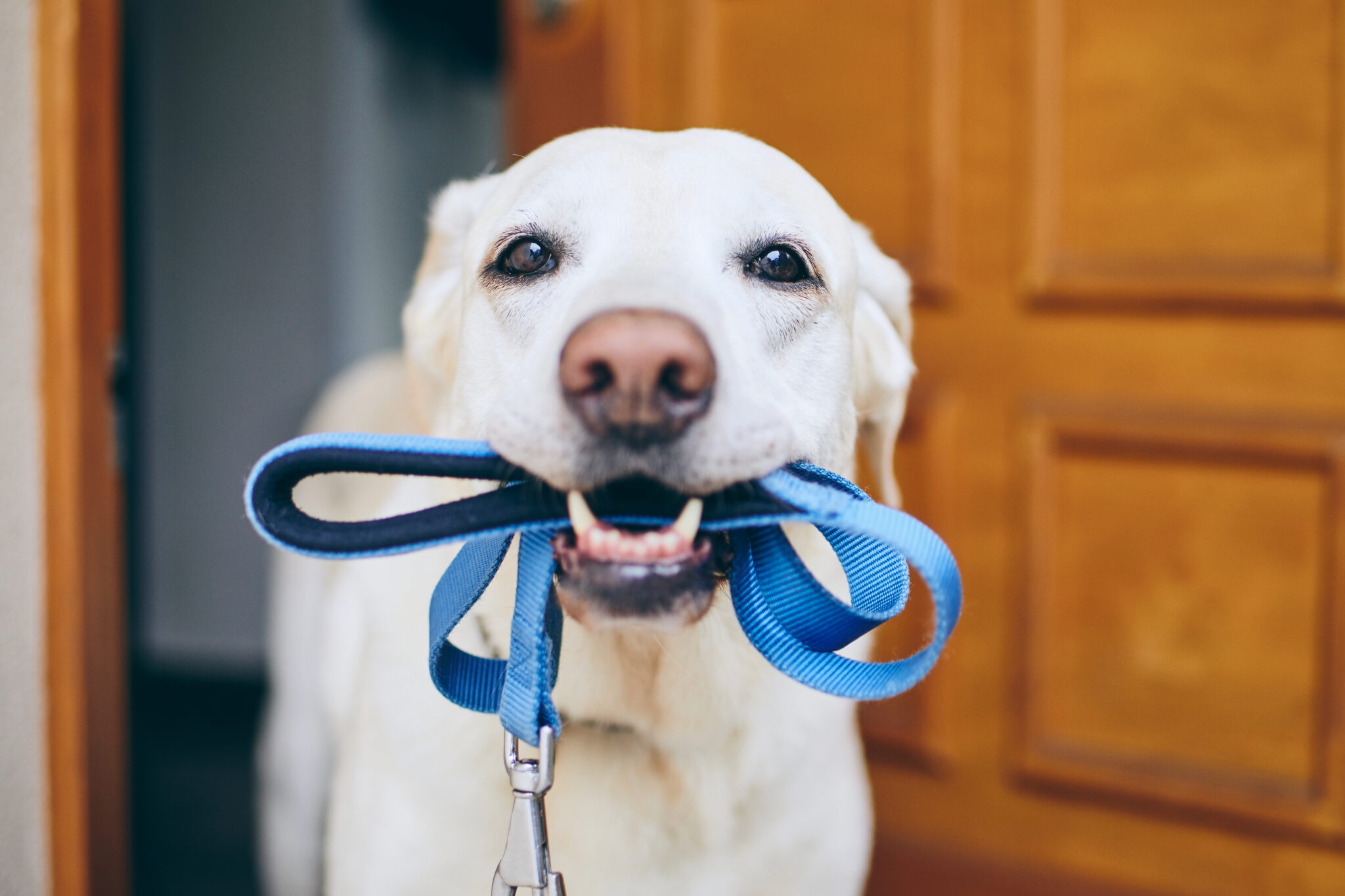
Dogs thrive on routine, and they immediately notice when something feels off. If you’re suddenly skipping morning walks, spending more time in bed, or not playing as much, they recognize that something isn’t right. In response, many dogs try to bring you back to normal by nudging their leash, bringing you their favorite toy, or simply standing by your side as a quiet support system. They know that sometimes, the best way to help is just to be present.
Instinct Plays a Huge Role
 Shutterstock
Dogs have an innate ability to sense emotions, even without obvious physical cues. Some experts believe they pick up on tiny changes in energy, posture, and overall body language that humans aren’t even aware of. Whether it’s a sixth sense or pure love, they always know when their human needs extra attention. Certain breeds are especially known for their emotional intelligence, but all dogs can tune into their owner’s feelings.
Favorite Toys Become Peace Offerings
 Shutterstock
A dog’s logic is simple: “This toy makes me happy, so maybe it’ll make you happy too!” If you’re feeling down, don’t be surprised if your pup suddenly drops a slobbery tennis ball or a well-loved stuffed animal at your feet. This isn’t just an invitation to play—it’s their way of trying to share their joy with you. In their mind, if that squeaky toy can make them feel better, it should work for you, too!
Snuggling Becomes Their Full-Time Job
 Shutterstock
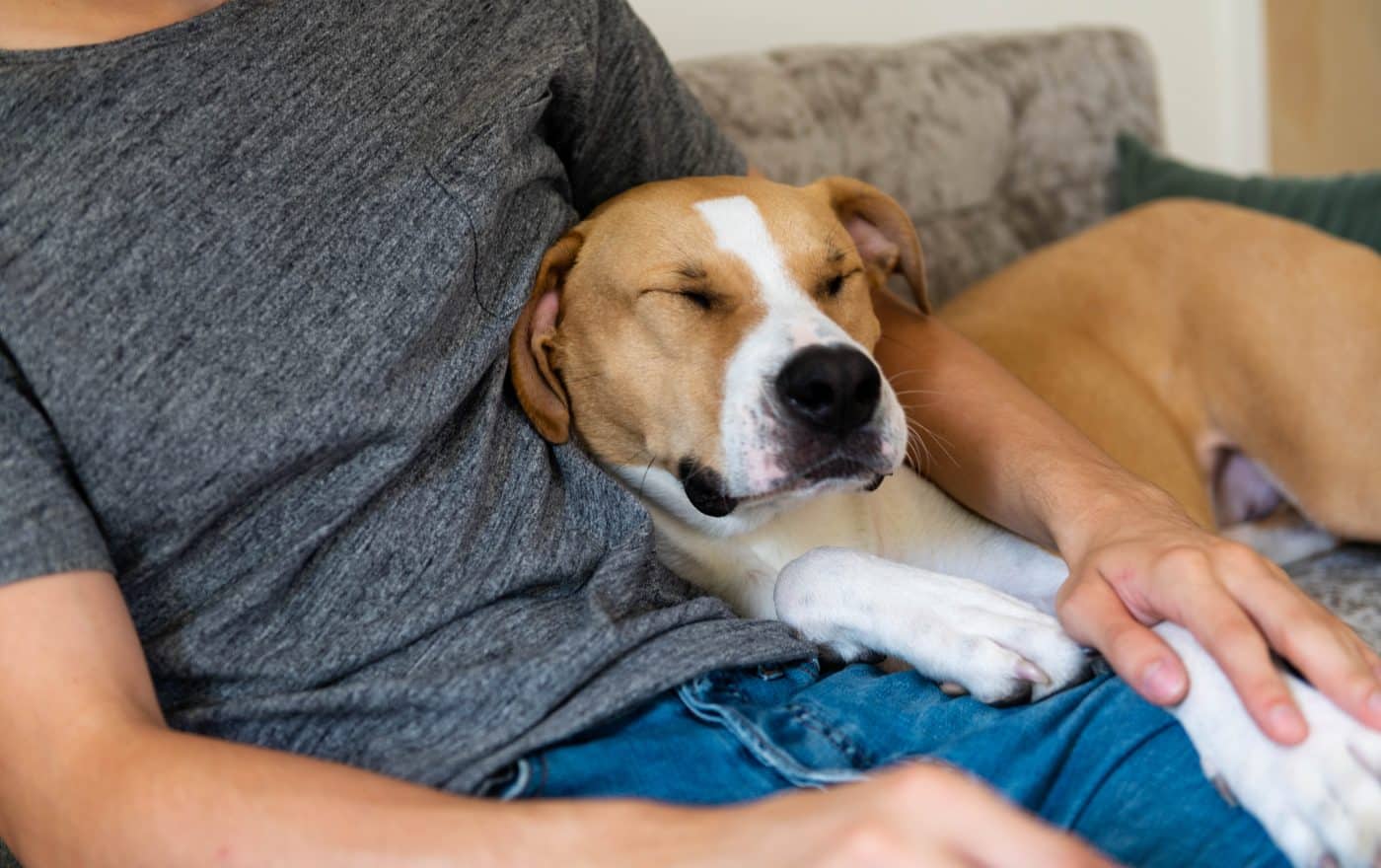
Dogs understand the power of physical touch. When they sense sadness, many instinctively press against you, rest their head on your lap, or curl up beside you. This close contact releases oxytocin, also known as the “love hormone,” in dogs and humans, helping to create a calming effect. Whether small enough to fit in your lap or big enough to drape themselves over you like a weighted blanket, their goal is simple: to make you feel safe, warm, and loved.
Licking Away the Sadness
 Shutterstock
If your dog starts licking your hands, arms, or even your face when you’re upset, it’s not just a random habit—it’s an instinctive way of offering comfort. In the wild, dogs lick each other as a sign of care and reassurance, and they extend that same behavior to their humans. Whether you enjoy the slobbery kisses or not, know that your pup is just trying to say, “I love you, and I’m here for you.”
Personal Space? What’s That?
 Shutterstock
When dogs sense sadness, they often refuse to leave their human side. If your dog suddenly follows you everywhere—even to the bathroom—they ensure you’re okay. This “Velcro dog” behavior is their way of offering silent support, acting as a constant presence to remind you that you’re never alone. Whether sitting at your feet, shadowing your every move, or refusing to leave your bed, their loyalty knows no bounds.
The Ultimate Therapists (Without the Hourly Rate!)
 MidJourney
Dogs don’t need words to provide comfort—they just know when you need them most. They find ways to cheer you up in the most adorable ways. Whether it’s their ability to sense emotions, their instinct to protect, or just their loving presence, they prove time and time again that they are the ultimate therapists. So the next time you’re feeling down, just look at your dog—they’ll remind you that love, support, and a wagging tail can make everything feel a little better.
 Toledo, United States.