
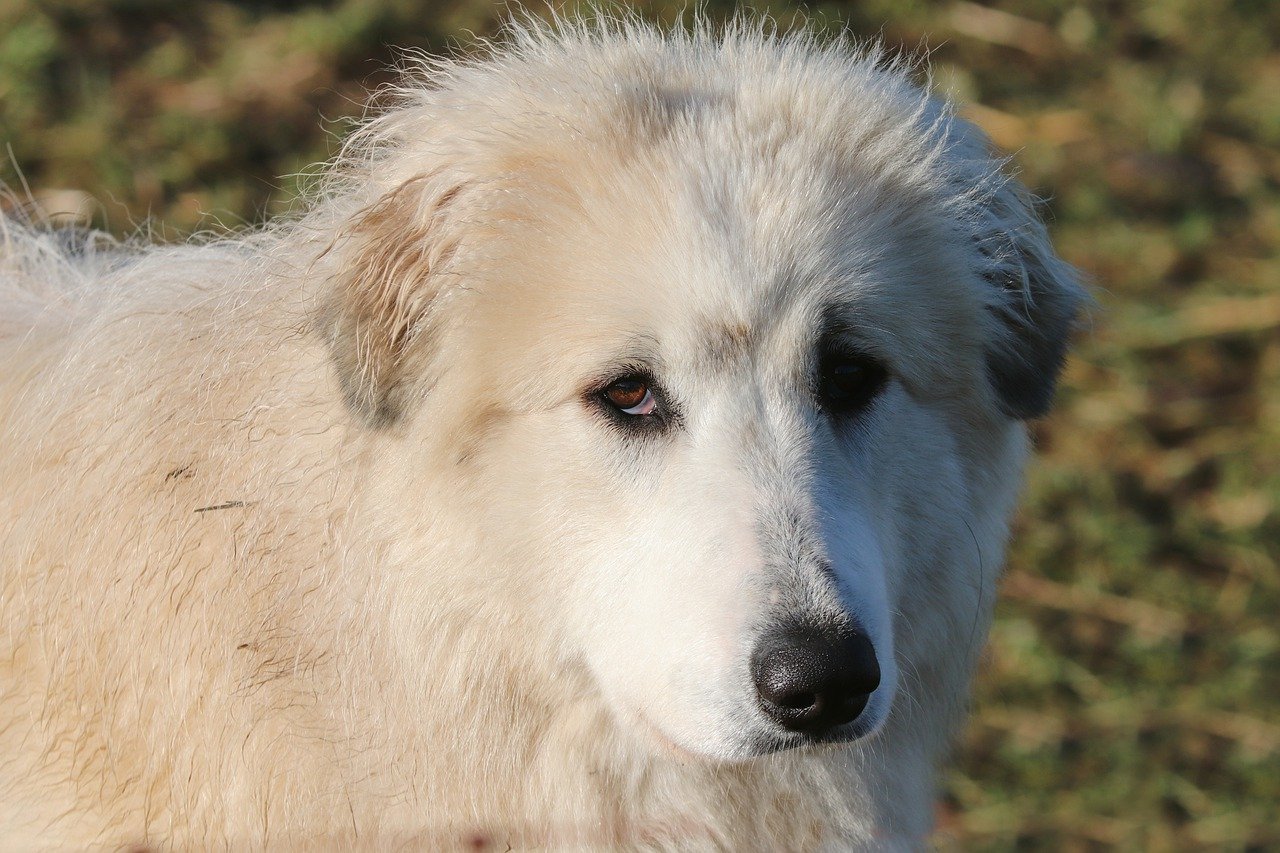
The Great Pyrenees is one of those breeds that looks impossibly fluffy and gentle – more like a living stuffed animal than a dog built for serious work. But there’s something working under all that white fur: a jaw with real power behind it. If you’re wondering about the Great Pyrenees bite force, you’re not alone. It’s one of the most searched questions about this breed, and the answer is more interesting than most people expect.
Here’s what you actually need to know.
- Estimated PSI: 220-240 PSI
- Human bite force (for comparison): 120-140 PSI
- Rank among dog breeds: Mid-to-high (not the strongest, but well above average)
- Primary purpose: Livestock guardian – not attack, but deterrence and defense
- Temperament: Calm and patient; biting is a last resort for this breed
What Is the Bite Force of a Great Pyrenees?
The Great Pyrenees bite force sits around 220-240 PSI (pounds per square inch). That’s roughly double the force of a human bite, which tops out around 140 PSI for most adults.
Now, 220-240 PSI isn’t the highest number in the dog world. But it’s nothing to dismiss either. A Rottweiler clocks in around 328 PSI. A Mastiff can hit 500 PSI or higher. The Great Pyrenees falls in the respectable middle ground – strong enough to do serious damage, but not in the territory of the true bite-force record holders.
Why does this breed have such a capable jaw? It comes back to their original job. The Great Pyrenees was bred for centuries to guard livestock in the Pyrenean mountains between France and Spain. That work required them to face off against wolves and bears – animals you can’t just bark at. The bite had to mean something.
Great Pyrenees Bite Force vs. Other Breeds
Here’s how the Great Pyrenees compares to other well-known breeds:
| Breed | Estimated Bite Force (PSI) | Primary Role |
|---|---|---|
| Kangal | 743 PSI | Livestock guardian |
| Mastiff | 500-556 PSI | Guard, companion |
| Rottweiler | 328 PSI | Guard, working |
| German Shepherd | 238 PSI | Police, military, companion |
| Great Pyrenees | 220-240 PSI | Livestock guardian |
| Belgian Malinois | 195 PSI | Police, military |
| Labrador Retriever | 230 PSI | Companion, service |
| Chihuahua | ~100 PSI | Companion |
| Human (adult) | 120-140 PSI | N/A |
The Great Pyrenees lands right in the same range as a German Shepherd – a breed widely used in law enforcement specifically because of its capable bite. That context puts the 220-240 PSI number in clearer perspective.
Does a Great Pyrenees Bite Actually Hurt?
Yes. A bite from a Great Pyrenees can cause real injury. At 220-240 PSI, the force is more than enough to break skin, cause bruising, and in a sustained bite, break bones or damage muscle tissue.
That said, the actual harm depends on a few things:
- Type of bite: A warning nip (quick, controlled) is very different from a defensive bite where the dog holds on
- Location: A bite on a hand or forearm causes different damage than one on a leg or torso
- Duration: The longer the contact, the more damage
- Individual dog: A well-socialized Pyr with good bite inhibition is far less likely to bite hard than a dog with fear-based aggression or poor training
Here’s the reassuring part: Great Pyrenees don’t bite casually. This breed has a reputation for patience that’s almost legendary among large-breed owners. They tolerate a lot before they feel the need to escalate. The bite force exists as a capability – not as something this breed deploys at the first sign of conflict.
Why Would a Great Pyrenees Bite?
Understanding why a dog bites matters more than knowing how hard it can bite. For the Great Pyrenees, a few situations are more likely to trigger defensive behavior:
Guarding instinct. This breed is wired to protect. That protective instinct is usually directed at their flock (or family), but it can mean they’re suspicious of strangers approaching their space, especially at night. The Great Pyrenees is naturally more alert after dark – a trait passed down from generations of nocturnal guarding work. Their instinct is to guard with presence first and force as a last resort.
Fear. A dog that feels cornered or threatened – especially if they haven’t been well socialized – may bite defensively. This is true of almost any breed, but a Great Pyrenees fear bite carries more force behind it.
Pain. A dog in pain can bite even when they’re otherwise gentle. Sudden aggression that’s out of character often signals something medical going on – arthritis, dental problems, or an injury. If your dog’s behavior changes suddenly, a vet visit should come before a training session.
Resource guarding. Some Great Pyrenees will guard food, toys, or resting spots. This tends to be manageable with training, but it’s worth addressing early.
Puppy teething. Pyr puppies go through a teething phase where they want to put their mouths on everything – including you. This isn’t aggression; it’s just puppies being puppies. But given the eventual size of those jaws, teaching bite inhibition early is important.
Bite Inhibition: The Skill That Actually Matters
Bite force is a fixed physical attribute. Bite inhibition is the learned behavior of controlling that force – and it’s the part you can actually influence as an owner.
Dogs naturally learn some bite inhibition through play with littermates. When a puppy bites too hard, the other puppy yelps and stops playing. That feedback loop teaches the biter to ease up. A puppy taken from their litter too young may miss some of this early education.
You can reinforce bite inhibition at home by:
- Letting out a sharp “ouch” and withdrawing attention the moment your puppy bites too hard during play
- Redirecting to appropriate chew toys immediately
- Arranging supervised play sessions with other vaccinated, calm adult dogs who can provide natural feedback
- Using consistent positive reinforcement to reward gentle mouth contact
- Never using physical punishment – it tends to increase fear-based aggression over time
The goal isn’t to eliminate mouthing entirely in puppies (that’s unrealistic), but to teach them the difference between acceptable contact and biting too hard.
For adult dogs showing concerning bite behavior, a professional trainer who specializes in guardian breeds is worth consulting. Great Pyrenees can be stubborn and independent – they respond best to patient, consistent, non-confrontational methods.
Is the Great Pyrenees Considered a Dangerous Breed?
No – not in the way that people typically mean when they use that term. The Great Pyrenees isn’t on any widely recognized list of “dangerous breeds” and doesn’t have the bite incident statistics that have flagged some other large breeds.
That said, any large dog with a bite force over 200 PSI deserves to be taken seriously. Responsible ownership matters regardless of breed reputation. The best safeguards are:
- Early and ongoing socialization with people, children, and other animals
- Consistent training focused on commands like “leave it,” “stay,” and “off”
- Secure fencing – Great Pyrenees are known for roaming, and an unsecured dog is an unpredictable situation waiting to happen
- Never leaving a Great Pyrenees unsupervised with small children or unfamiliar visitors
If you’re considering this breed for a livestock guardian or family protection role, the bite force is actually part of why they’re well-suited to the job. But that capability comes with the responsibility to raise and manage them well.
Are Great Pyrenees Good Around Kids?
Generally, yes. The Great Pyrenees is known for being gentle, patient, and protective with children – particularly children in their own family. They tend to treat kids in the household as part of their “flock” and can be remarkably tolerant of toddler-level chaos.
But a few caveats apply. Very young children should always be supervised with any large dog. The size of a Great Pyrenees alone (80-120+ pounds) means an enthusiastic greeting can knock a small child over. And the breed’s protective instincts can sometimes manifest as wariness toward kids your Pyr doesn’t know.
Early socialization – starting in puppyhood – makes a significant difference. A Pyr that has grown up around kids, noisy environments, and frequent visitors is much more relaxed as an adult than one that’s been kept isolated.
How to Prevent Biting Problems Before They Start
Prevention is much easier than correction when it comes to bite behavior. Here’s what works:
Start socialization early. The critical window is 3-14 weeks. Expose your puppy to different people, sounds, surfaces, and environments during this period. A well-socialized puppy develops into a dog that’s calm and confident rather than fearful and reactive.
Teach basic obedience. “Sit,” “stay,” “come,” and “leave it” aren’t just tricks – they’re safety tools. A dog with reliable obedience gives you the ability to redirect or stop behavior before it escalates.
Respect warning signs. Dogs rarely bite without warning. A stiff body, low growl, whale eye (showing whites of eyes), or a stiff tail are all signals that your dog is uncomfortable. Respecting those signals – rather than pushing through them – prevents a lot of incidents.
Address resource guarding early. If your puppy growls when you approach their food bowl or toys, work with a trainer to address it. This behavior tends to get worse over time, not better, if it’s ignored.
The fluffy appearance of the Great Pyrenees can make people underestimate what they’re working with. This is a working breed with strong instincts. Treat them that way from the start, and they’re one of the most wonderful family dogs around.
Frequently Asked Questions About Great Pyrenees Bite Force
What is the Great Pyrenees bite force in PSI?
The Great Pyrenees bite force is estimated at 220-240 PSI. That puts them in the same general range as a German Shepherd and well above the human bite force of 120-140 PSI.
Can a Great Pyrenees bite cause serious injury?
Yes. At 220-240 PSI, a bite from a Great Pyrenees can break skin, cause deep bruising, and in a sustained bite, damage muscle tissue or bone. Proper training and early socialization significantly reduce bite risk.
Are Great Pyrenees naturally aggressive?
No. The breed is known for patience and gentleness, especially with their family. They have protective instincts from their livestock guardian heritage, but aggression is not a baseline trait. Most Pyrs are calm and slow to anger.
Why does my Great Pyrenees puppy keep biting?
Puppy biting is normal – it’s how they explore the world and relieve teething discomfort. Redirect to chew toys, yelp when they bite too hard, and withdraw attention briefly to teach bite inhibition. Most puppies improve significantly by 5-6 months.
How does Great Pyrenees bite force compare to a Rottweiler?
A Rottweiler’s bite force is estimated at 328 PSI, which is notably higher than the Great Pyrenees at 220-240 PSI. Rottweilers are frequently cited as one of the stronger-biting breeds; the Great Pyrenees is powerful but not in that same tier.
Do Great Pyrenees bite strangers?
Well-socialized Great Pyrenees are generally friendly with strangers, though they may be aloof or watchful. Dogs that haven’t been properly socialized can be more suspicious or defensive around unfamiliar people. Proper introduction protocols matter with this breed.
Can adult Great Pyrenees be trained out of biting?
Yes, though it takes more time and consistency than working with a puppy. A professional trainer experienced with independent guardian breeds is often helpful. The key is identifying the trigger (fear, resource guarding, pain) and addressing the root cause.
Is it safe to have a Great Pyrenees around children?
Generally yes – the breed is known for being gentle and protective with kids in the family. Supervision is always recommended with any large dog, and early socialization with children helps significantly. Never leave any large dog alone with very young children.
The Jaw Behind the Gentle Giant
The Great Pyrenees bite force of 220-240 PSI tells you something important: this is a dog built for serious work, not just looking beautiful on a couch. The fact that they almost never use that capability aggressively is a testament to the breed’s temperament – not a reason to ignore what they’re capable of.
If you own or are considering a Great Pyrenees, take the bite force seriously in the way that matters: start socialization early, teach bite inhibition from puppyhood, train consistently, and respect their natural instincts. Do that, and you’ll have a dog that’s as gentle as it looks – a true gentle giant in every sense of the phrase.
The bite force is there if they ever need it. The good news is that a well-raised Pyr almost never will.
 Toledo, United States.