
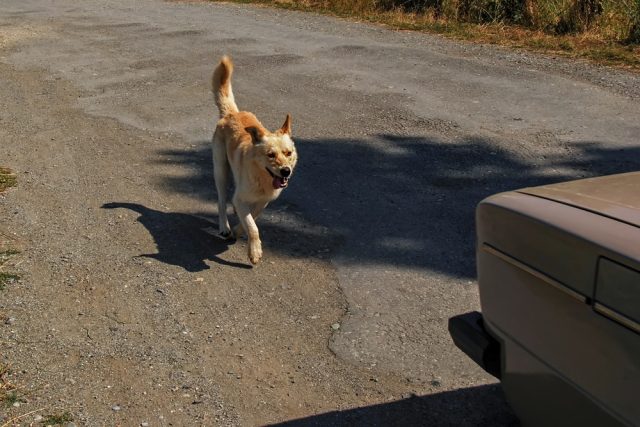
Some dogs chase cars. We all know it’s a dangerous habit, and one that can end tragically—but understanding why dogs do it can help us curb the behavior. You may have noticed that the urge to chase seems especially strong in dogs that are tied up, behind a fence, or otherwise confined. There’s more going on here than just mischief or excitement. Instinct, fear, and even frustration can all play a role.
Herding Instincts: When Chasing Is in a Dog’s DNA
For some dogs, the tendency to chase cars comes down to genetics. Generations of breeding have hardwired certain dogs, like Border Collies and Australian Shepherds, to herd moving objects. To these natural-born herders, a passing car is just another target to “guide” in a direction they think it should go. Their instinct tells them to control motion, and a fast-moving vehicle is the ultimate trigger.
Fear-Based Chasing: When Cars Are Seen as a Threat
Other dogs may not be herding at all—they’re reacting out of fear. The noise, vibration, and speed of an approaching car can be overwhelming, especially for anxious or undersocialized dogs. Their lunging or barking might look aggressive, but it’s really a defensive response meant to scare off something they perceive as a threat.

Territorial Behavior and Frustration
Then there are dogs who chase cars for an entirely different reason: it makes them feel good. Every time they charge at a vehicle and it speeds away, it reinforces the idea that they “won.” For dogs who spend much of their time confined or lacking stimulation, that momentary sense of control can be thrilling. The car always “runs away,” and the dog’s confidence gets a little boost each time.
How to Stop Your Dog from Chasing Cars
Regardless of the reason, car chasing is a habit that can and should be addressed for the safety of both your dog and the people on the road. Providing more exercise, mental stimulation, and positive training can redirect that energy into safer outlets. And remember: understanding why your dog behaves this way is the first step to helping them stop.
Because let’s face it—if chasing cars gave us a guaranteed 100% success rate, we might be tempted too! But for our dogs, it’s up to us to make sure their victories are safe ones.
 Toledo, United States.