
From a curious head tilt to a full-speed romp across the yard, dogs give us plenty of moments worth capturing. Getting a sharp, well-lit photo of those moments, however, can take a little practice. An interesting smell or passing squirrel can quickly derail even the most carefully planned shot.
Whether you’re using a smartphone or a camera, a few simple techniques can help you capture your dog’s expressions, movements, and personality. These nine tips will make your next photo session easier and more enjoyable for both of you.
#1 – Prepare Your Dog Before the Photo Session
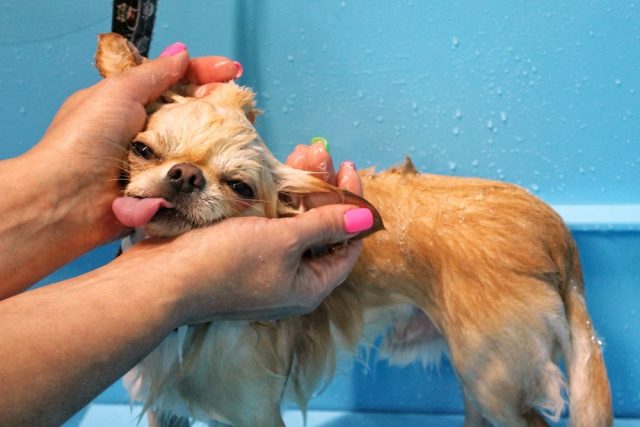
Give your dog a gentle brushing before taking photos to remove loose hair and smooth their coat. Wipe away any dirt around their face, and check that their collar or harness is clean, comfortable, and properly fitted.
Have small treats ready to reward your dog for looking toward the camera or holding a position. Keep their regular feeding routine, and use rewards they enjoy rather than relying on hunger to get their cooperation. A favorite toy can also provide motivation for dogs who are more interested in play than snacks.
Choose a time when your dog is comfortable and ready for a little interaction. A relaxed pup will usually be easier to photograph than one who needs a bathroom break or is eager to burn off energy.
#2 – Make Your Dog the Main Focus
A beautiful setting can enhance a photo, but your dog should remain the star. Look for uncluttered backgrounds, such as a grassy lawn, a leafy garden, or a simple stretch of beach. Check for distracting objects that might appear behind your dog’s head.
Get down to your dog’s eye level for a more engaging perspective. This helps viewers connect with their expression and often produces a more natural portrait than shooting from above.
If your camera allows it, use a wider aperture to soften the background while keeping your dog’s eyes sharp. Smartphone portrait mode can create a similar effect, although it may need a little extra care around wispy fur and ears.
#3 – Choose Background Colors That Complement Their Coat
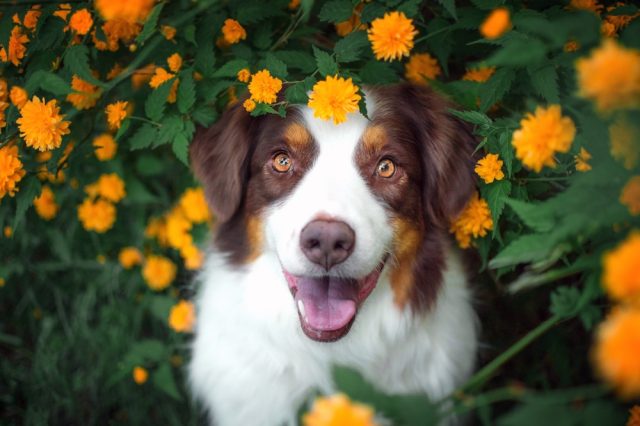
Consider how your dog’s coloring will look against the setting. A pale dog may blend into a light wall, while a dark-coated dog can disappear against deep shadows. Choose a background that provides enough contrast to make their outline and features easy to see.
Greenery can complement many coat colors, while a simple blue or neutral background can help warm-colored fur stand out. Avoid busy patterns or strong colors that draw attention away from your dog.
A quick test photo can help you decide whether to change your angle or move to another spot.
#4 – Use a Fast Shutter to Capture Movement
Running, jumping, and tail-wagging dogs rarely stay still for long. A fast shutter speed helps freeze their movement and reduce blur. On a smartphone, try burst mode or an action setting if one is available.
Take several photos in a row to improve your chances of capturing a sharp image with a great expression. Good light also makes it easier for your camera to photograph movement clearly.
For energetic dogs, a short sniffing walk before the session may help them settle. You can also begin with playful action shots and move on to quieter portraits when they naturally slow down.
#5 – Recruit a Helper
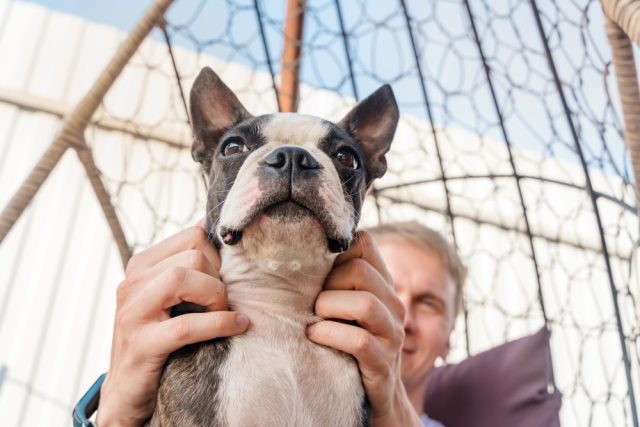
An extra pair of hands can make a big difference. A helper can manage the leash, offer rewards, and guide your dog’s attention while you concentrate on taking the photo.
Ask them to hold a treat or toy close to the lens when you want your dog to look toward the camera. For group photos, having a familiar handler for each dog can help keep everyone comfortable and organized.
Keep dogs securely leashed wherever the setting requires it. A leash can often be positioned discreetly or removed during editing, so there’s no need to sacrifice safety for a cleaner-looking image.
#6 – Look for Soft, Flattering Light
Early morning and the hour before sunset often provide gentle light that works beautifully for dog portraits. Overcast days are another good option because clouds soften the sunlight and reduce harsh shadows.
Bright midday sun can make dogs squint and create strong contrasts across their faces. Try moving into open shade, where your dog is sheltered from direct sunlight but still receives plenty of light.
For white dogs, softer light can help preserve detail in their fur. Indoors, a spot near a window can provide flattering light without requiring special equipment.
#7 – Use Sounds to Spark an Alert Expression
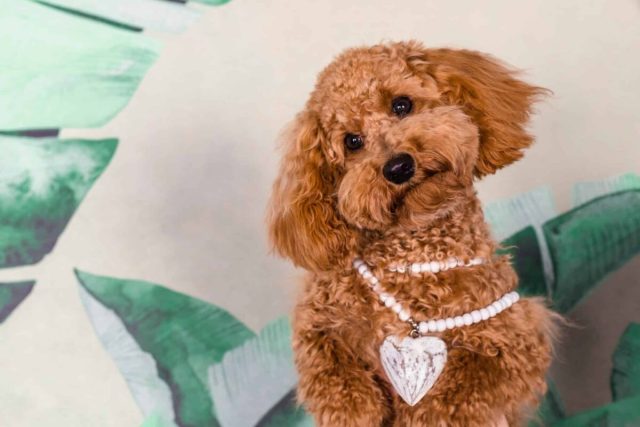
A gentle squeak, soft whistle, or unfamiliar little sound may inspire a curious look or head tilt. Hold the sound-making toy near the camera so your dog’s attention stays close to the lens.
Use sounds sparingly. Repeating them constantly can make them less interesting or leave your dog overstimulated. Have the camera ready before making the sound so you can capture that brief moment of curiosity.
Let your dog’s natural ears and expressions guide the photo. A relaxed face can be just as charming as an alert pose.
#8 – Bring Out the Detail in Dark Fur
Dark-coated dogs can be challenging to photograph when their faces fall into shadow. Position your dog so soft light reaches their face, and check that their eyes and coat texture are visible.
If the image looks too dark, try increasing the exposure slightly. Make small adjustments and watch that brighter areas of the photo don’t lose detail.
A reflector or whiteboard can bounce available light toward your dog’s face. Introduce any unfamiliar equipment slowly, and keep it far enough away that your dog feels comfortable.
#9 – Let Your Dog’s Comfort Guide the Session
Pay attention to your dog’s body language throughout the shoot. Turning away, repeatedly licking their lips, tucking their tail, or trying to leave may signal that they need a break.
Keep sessions short, offer rewards, and allow time to sniff, rest, and drink water. Avoid forcing poses or placing your dog on unstable surfaces simply to get an interesting angle.
Some of the best photos happen when dogs are free to behave naturally. A happy expression, a playful stretch, or a quiet moment in a favorite resting spot can tell a richer story than a perfectly staged pose.
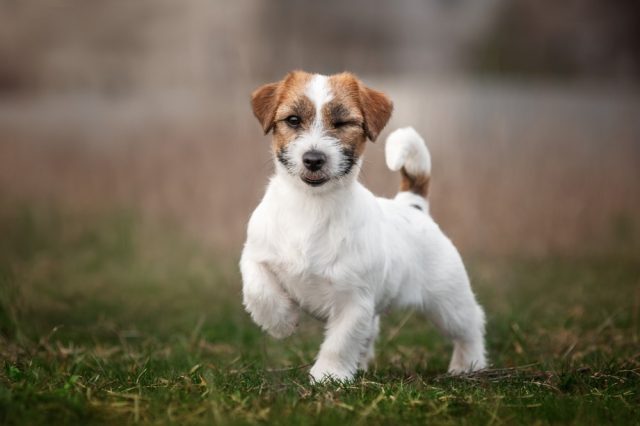
Turn Everyday Moments Into Photos You’ll Treasure
Great dog photography begins with patience, thoughtful lighting, and an understanding of the dog in front of the lens. Try different angles, keep the experience rewarding, and leave room for spontaneous moments. With practice, you’ll capture more than a pretty picture. You’ll preserve the expressions, quirks, and everyday joy that make your dog so special.

Comments are closed.