
Watching a dog grow older brings plenty of sweet moments, but the senior years can also introduce health changes that deserve a little extra attention. Stiff joints, changes in hearing or vision, itchy skin, and dental problems can gradually affect a dog’s comfort and quality of life, sometimes before pet parents realize how much has changed.
When iHeartDogs surveyed readers about the health problems affecting their senior dogs, five concerns stood out above the rest: joint pain and arthritis, hearing loss, skin problems and allergies, vision loss, and dental problems. While these issues are common in aging dogs, they shouldn’t automatically be dismissed as simply “old age.”
Recognizing changes early can give you and your veterinarian more opportunities to keep your dog comfortable and address problems before they become more difficult to manage. It can also help you make simple adjustments at home that allow your senior dog to continue enjoying walks, meals, playtime, and all the everyday routines they love.
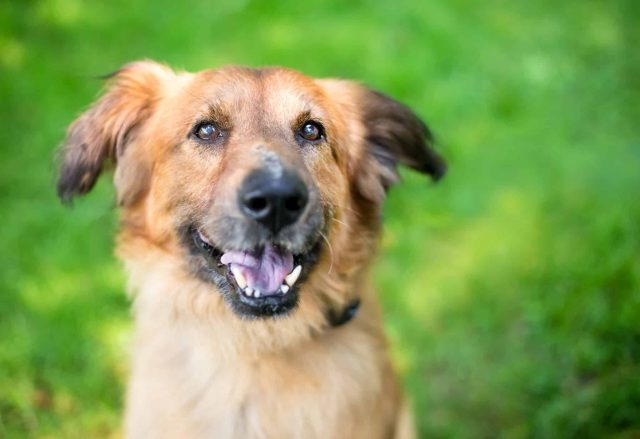
5 Common Health Problems to Watch for in Senior Dogs
Every dog ages differently, and breed, size, genetics, lifestyle, and overall health can influence which age-related changes appear and when. Regular veterinary exams become especially important during the senior years, but what you notice at home matters, too. Changes in movement, senses, skin, teeth, appetite, or behavior can all provide valuable clues about your dog’s health.
Here are the five senior dog health concerns that rose to the top of our reader survey, along with practical ways pet parents can help support their aging dogs.
1. Joint Pain/Arthritis
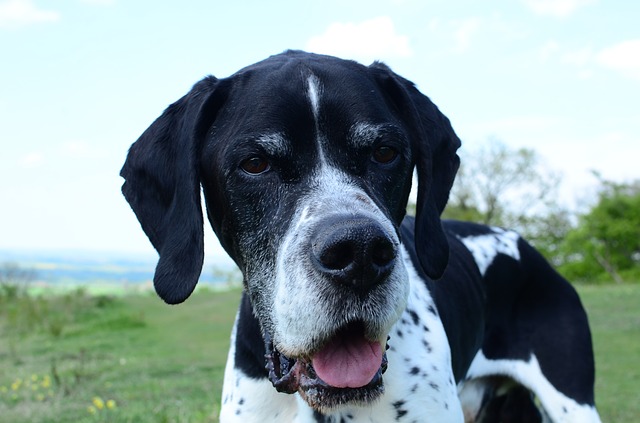
More than 1,000 respondents noted that their senior dogs struggle with the painful effects of arthritis. As dogs age, changes in cartilage and other structures within the joints can lead to stiffness, inflammation, discomfort, and reduced mobility. You may notice your senior dog taking longer to stand up, hesitating before climbing stairs, slowing down on walks, or becoming less interested in activities they once enjoyed.
Maintaining a healthy weight, providing regular low-impact exercise, and making simple changes around the home can all help support an aging dog’s mobility. Joint supplements may also provide additional nutritional support, particularly those containing ingredients commonly used to promote healthy cartilage and joint function.
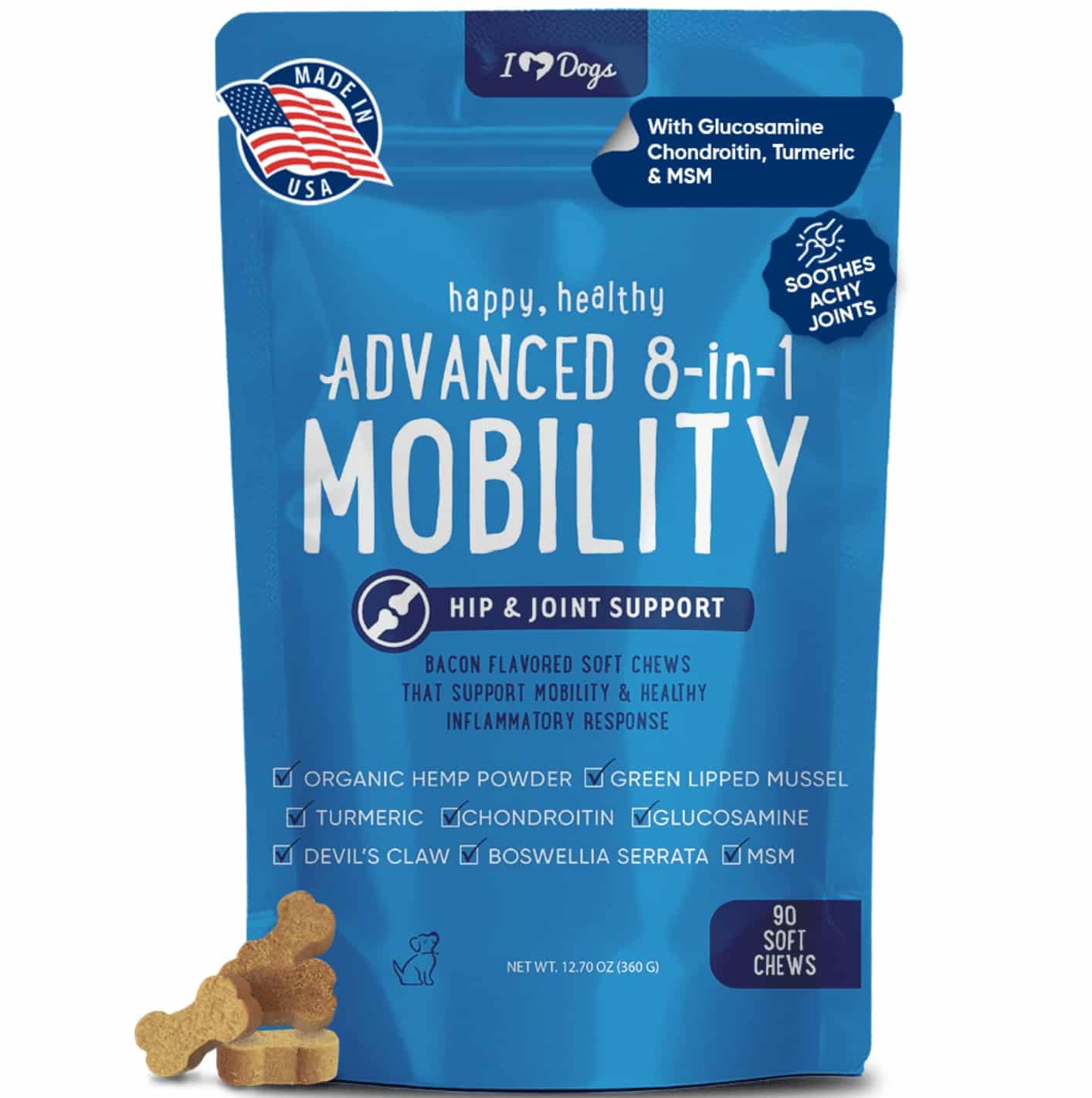
Happy, Healthy™ Advanced 8-in-1 Hip & Joint Chews for Mobility combine eight active ingredients designed to support healthy joints, mobility, and flexibility. The formula includes glucosamine HCl, chondroitin, MSM, green-lipped mussel, Boswellia serrata, yucca schidigera, and omega-rich organic hemp powder, giving senior dogs multiple forms of joint support in one easy-to-serve soft chew. The chews are veterinarian-formulated, made in the USA, and each bag purchased provides 14 healthy meals for shelter dogs.
Joint pain or a sudden change in mobility should always be discussed with your veterinarian, who can determine whether arthritis or another condition is responsible and recommend the best combination of treatments for your dog.
2. Hearing Loss

Age-related hearing loss in dogs is most often caused by otosclerosis – the hardening of the tiny components that make up the inner ear. The loss of pliability in these auditory mechanisms decreases the ear’s ability to transmit sound.
It is important to seek veterinary attention if you suspect your dog has hearing loss. A failure to respond to your voice could also indicate canine cognitive dysfunction caused by aging changes in the brain. If this is the case, some medications can help.
While lost hearing usually cannot be restored, there are several ways to help your dog adjust:
- Teach visual cues to replace verbal commands
- Use a remote-controlled vibration collar to get his attention (these are not the same as shock collars)
- Use touch and body language to ensure that your dog still feels included
3. Skin Problems/Allergies
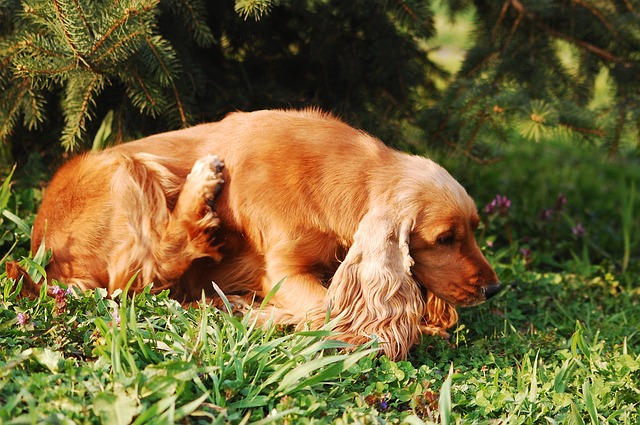
Itchy skin and allergies were our readers’ choice for the third most common issue facing their senior dogs. Atopic dermatitis – or skin allergies – is often caused by environmental factors like pollen, dander, plants, and insects, or ingested substances like certain food ingredients and medications.
Skin allergies can be extremely complicated, so veterinary attention is recommended. But if your older dog is experiencing age-related moisture loss leading to dryness and itching, omega fatty acids may help.
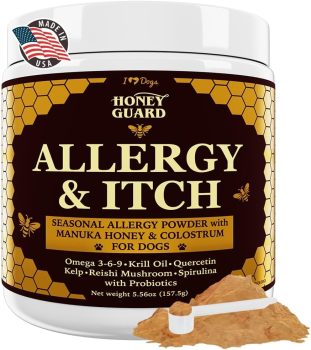
Honey Guard™ – Allergy & Itch Omega 3-6-9 Powder contains essential omega-3, omega-6, and omega-9 fatty acids to support a soft, silky coat, minimize normal shedding, and maintain the skin’s normal moisture content. The chews are safe, delicious, and contain levels of omega fatty acids that are not bioavailable in pet food.
4. Vision Loss

The most common cause of vision loss in senior dogs is cataracts, which are often confused with lenticular sclerosis. Both cause a cloudy white-to-bluish film to form over the eye, but while lenticular sclerosis does not affect sight at all, cataracts can cause significant vision loss.
Additional conditions such as glaucoma, macular degeneration, chronic dry eye, untreated infections, and diabetes may also lead to vision impairment. Because your dog’s eyes are so sensitive, it is best to see your veterinarian promptly if you suspect an ocular condition.
Signs of vision loss in dogs may include:
- Bumping into walls or furniture
- Trouble locating food or toys
- Decreased eye contact
- Reluctant to go up or down stairs or to jump on or off furniture
- Increased anxiety or clinginess
- Aggression when startled
Some causes of visual impairment may improve with treatment, while in other cases, it is permanent. If your senior is struggling with vision loss, there are many things you can do to improve his safety and quality of life:
- Keep the environment familiar – do not rearrange furniture or leave clutter lying around
- Gate off dangerous areas, such as staircases
- Use secured carpet runners on slick floors
- Be sure to alert your dog with a sound before touching to prevent startling him
5. Dental Problems

According to the American Veterinary Dental College (AVDC), most dogs over the age of three already have some degree of periodontal disease. This statistic only gets worse as our pups age. Senior dogs are at an increased risk of tooth loss and oral cancers, as well as serious internal health problems caused by untreated dental infections, tartar, and plaque.
Regular veterinary dental exams and professional cleanings, when recommended, are important parts of protecting your senior dog’s oral health. At home, brushing remains one of the best ways to help control plaque, but some dogs, especially seniors with sensitive mouths, may not tolerate having their teeth brushed every day. Dental chews can provide another convenient way to support an overall dental care routine.
Happy, Healthy™ Brushy Sticks Dental Dog Treats are designed to help clean your dog’s teeth as they chew. Their unique texture and shape provide a natural abrasive action that helps scrub the surfaces of the teeth, helping reduce plaque and tartar buildup while supporting healthier teeth and gums. They also help freshen breath, turning daily dental care into a treat your dog can look forward to.

Dental chews shouldn’t replace regular veterinary dental care or toothbrushing when your dog tolerates it. Watch for warning signs such as persistent bad breath, red or bleeding gums, difficulty chewing, dropping food, pawing at the mouth, or suddenly refusing hard treats. These changes can indicate dental pain or disease and should be evaluated by your veterinarian.
Remember, early detection can make a major difference when it comes to age-related health problems. Regular veterinary visits, combined with careful home monitoring, can help you spot changes sooner and keep your senior dog feeling their best.
Helping Your Senior Dog Thrive at Every Age
Understanding the most common health concerns in senior dogs is the first step toward providing better care. By recognizing changes early and making thoughtful adjustments to your dog’s routine, you can improve their comfort, happiness, and overall well-being. Every small effort adds up to helping your loyal companion enjoy a healthier and more fulfilling life.
These statements have not been evaluated by the Food and Drug Administration. This product is not intended to diagnose, treat, cure, or prevent any disease. The information on this website is not intended to replace a one-on-one relationship with a qualified healthcare professional.
 Toledo, United States.