
iHeartDogs is reader-supported. When you buy via links on our site, we may earn an affiliate commission at no extra cost to you.
When your dog gets sick, do you ever consider that the food in his bowl could be making him sick? We often blame illness on issues like exposure to other sick pups, genetics, or sensitivities, but the truth is your dog’s diet is the cornerstone of his overall health. You place a lot of faith in the can or bag of food you pull off the shelf, but it may be time to switch to food that supports your dog’s overall health and well-being, like Ollie.
These are 5 extremely severe health conditions that could be caused by your dog’s food, and one easy way to avoid them all.
1. Pica/Coprophagia

You might be familiar with the words “Pica” or “Coprophagia,” but most pet parents know it by a different name: poop eating.
A dog who is starving for nutrients will put anything he can in his belly. Dogs often eat poop or grass, but some poor pups will even attempt to eat rocks or dirt to fill in the gaps in their diet. Not only can this behavior expose your pup to potentially dangerous diseases, but it can also lead to hefty surgery bills.
Though it’s sometimes caused by other issues, such as anxiety or boredom, ensuring your dog gets all the nutrients he needs will help keep non-food objects out of his stomach.
2. Food Allergies

Food allergies are extremely common in pups of all ages, breeds, and genders, and are often caused by ingredients you might never suspect. Some common allergens include chicken, corn, dairy products, and wheat – ingredients you’ll probably notice when you read the nutritional contents on any package of dog food.
If your dog has food allergies, you may notice itchy skin, hives, a swollen face, and tummy troubles. Many pet parents blame allergic reactions on the environment but don’t forget that your food could be the culprit.
Ollie offers multiple recipes and builds a custom plan based on your pup’s sensitivities and needs. Ollie considers 50+ common allergens, including dairy and wheat, so your dog won’t experience sickness and uncomfortable reactions.
RELATED: Best Dog Foods for Allergies
3. Heart Disease

The FDA has been investigating a link between grain-free diets and Canine Dilated Cardiomyopathy (CDC), which enlarges the heart, making it more difficult for blood to circulate throughout the body. Several foods, most of which have been labeled “grain-free,” are thought to cause this disease in dogs. Though they have not concluded their investigation, the FDA advises pet parents to stop feeding grain-free diets.
RELATED: Best Quality Dog Foods Rated
Unfortunately, many manufacturers still proudly make and label their food as grain-free and numerous unaware dog lovers continue to feed their pups these foods because they believe dogs are carnivores.
The truth is dogs need a variety of foods to satisfy their dietary needs, including vegetables and grains. Ollie recommends a one-to-one ratio of high-quality meat protein, natural fats, and nutrient-dense carbs like vegetables and seeds to combat heart disease. All of Ollie’s recipes contain high-quality sources of proteins, vitamins, Omega-3 fatty acids, and taurine (an amino acid that can improve your dog’s heart function).
RELATED: The Complete Dog Food Guide: Nutrition, Ingredients, Feeding & How to Choose
4. Diabetes mellitus

Diabetes is sometimes an unfortunate side-effect of obesity. Excess sugar in the bloodstream can cause damage to vital organs and make the body “starve” for fuel, leading to it breaking down fats and proteins to make its own. Overweight dogs can develop insulin resistance, resulting in a need for life-long care, as there is no cure for diabetes. Not treated can lead to kidney failure, liver disease, and even blindness.
RELATED: Read Our Just Food For Dogs Review
Dogs with diabetes require frequent monitoring, daily insulin injections, and special diets that will keep their glucose levels low. The best preventative is to keep your dog on a healthy diet and lifestyle to help him avoid developing diabetes. You’d be surprised how much sugar the dog food in your pantry might have. It’s usually in the form of starchy fillers, which make up much more of the recipe than your dog needs – or can handle.
Ollie understands the most important part of feeding a diabetic dog is consistency, along with a consultation from your veterinarian. Ollie’s recipes can help combat diabetes with high protein ingredients and no simple carbohydrates believed to spike blood glucose.
5. Obesity
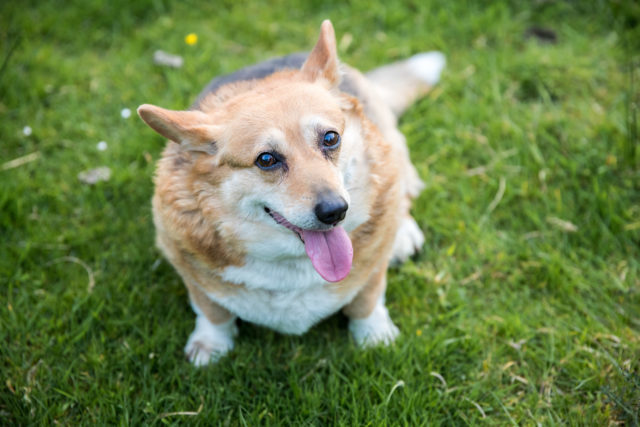
Serving sizes on packaged food are often one-size-fits-all, and those numbers are not specific to your dog’s unique needs. Pet parents who feed according to package directions are often shocked to find they’ve been over or underfeeding their dogs. Additionally, obesity can cause painful joint problems, breathing issues, and can even shorten your pup’s lifespan.
Your dog must get enough to eat without going overboard. Calorie counting is the usual solution, but it can be challenging to ensure your pup is getting the proper nutrition and calories while still getting enough food to keep his belly feeling full.
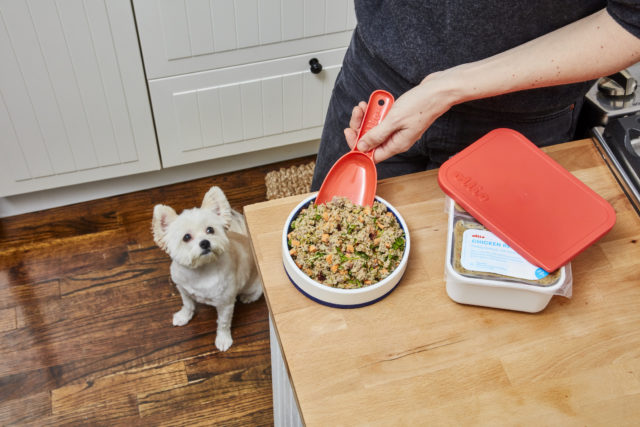
Need a little help? Ollie can help you and your pup find the perfect balance by building a custom meal plan based on your dog’s weight, activity levels, and body type. All you need to do is open your dog’s pre-portioned meals and serve.
How To Avoid Food-Related Health Issues
Feeding your dog a healthy, balanced diet is rarely ever as easy as picking a bag off a shelf. Diet is specific, and no two dogs are the same.
Many pet parents have decided to take their dogs’ health back into their own hands and are turning to fresh, homemade food for their pups. But even this option can cause its own issues. Few people have time to cook entire meals for their dog on a daily basis. Even when you do, it can be difficult to make sure it’s properly balanced and stored safely.
This is why we love Ollie.
Ollie creates food with the same loving care any pet parent would put into the food they would make themselves, and it’s tailor-made to your own unique pup. Every recipe was created with canine nutritionists’ help to ensure your dog gets everything he needs and nothing else. No fillers, no hard-to-pronounce chemicals, no artificial flavorings. Ollie is made with real human-grade ingredients tailored to your puppy prince or princess, so you know your dog is in the best hands.
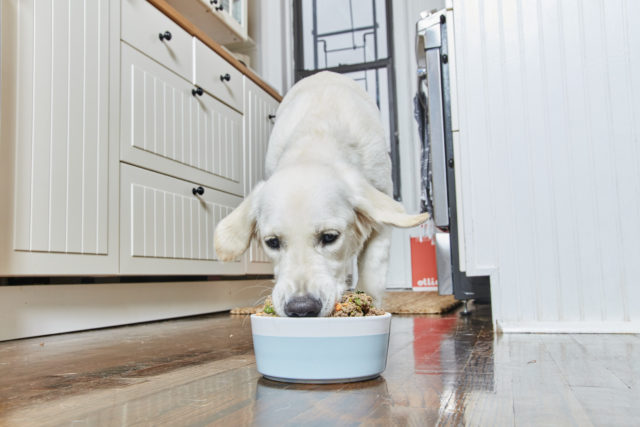
Your pup’s personalized meals are safely sealed and delivered right to your door; all you have to do is open them up and serve. Your pup gets a tasty, nutritionally balanced meal just right for him, and you can show your dog you care in a way he’ll truly understand – great-tasting, healthy food!
Over 73% of Ollie pup parents report seeing noticeable improvements to their dog’s health and eating habits after switching to Ollie. Ready to give Ollie a try?
FAQs About Dog Food and Serious Health Issues
1. Can poor-quality dog food really make my dog sick?
Yes, low-quality dog food with fillers, artificial ingredients, or unbalanced nutrients can contribute to a range of health problems over time.
2. How can I tell if my dog’s food is causing health issues?
Look for signs like itching, digestive problems, low energy, weight changes, or unusual behaviors such as eating non-food items.
3. Are grain-free diets safe for dogs?
Not always. Some grain-free diets have been linked to heart issues, so it’s important to consult your veterinarian before making dietary changes.
4. Can switching my dog’s food improve their health quickly?
Some improvements, like better digestion or energy levels, can happen fairly quickly, but long-term health benefits take consistent feeding over time.
5. Is homemade dog food better than store-bought?
Homemade food can be beneficial, but it must be properly balanced. Without guidance, it can lead to nutritional deficiencies.
6. How do I transition my dog to a new food safely?
Gradually mix the new food with the old over 7 to 10 days to avoid digestive upset.
7. What ingredients should I look for in high-quality dog food?
Look for real meat as the first ingredient, along with whole foods like vegetables, healthy fats, and essential nutrients.
8. Can food help prevent long-term diseases in dogs?
Yes, a balanced diet can help reduce the risk of conditions like obesity, diabetes, and heart disease.
9. How often should I reevaluate my dog’s diet?
It’s a good idea to reassess your dog’s diet during major life stages or if you notice changes in their health or behavior.
10. What’s the easiest way to ensure my dog is getting proper nutrition?
Feeding a high-quality, portion-controlled diet tailored to your dog’s needs can help ensure they get the right balance of nutrients every day.
How Better Nutrition Can Protect Your Dog’s Health
Your dog’s diet plays a critical role in their overall health, and the food in their bowl can either support their wellbeing or contribute to serious conditions like allergies, obesity, diabetes, and heart disease. By choosing high-quality, balanced meals made with real, nutrient-rich ingredients and avoiding fillers or harmful additives, you can help prevent many of these issues before they start. Taking the time to understand your dog’s unique nutritional needs and feeding them accordingly is one of the most powerful ways to keep them healthy, happy, and thriving for years to come.
 Toledo, United States.