
 iHeartDogs is reader supported. Some of the links below may be paid affiliate links, where we receive a small commission on a product at no additional cost to you.
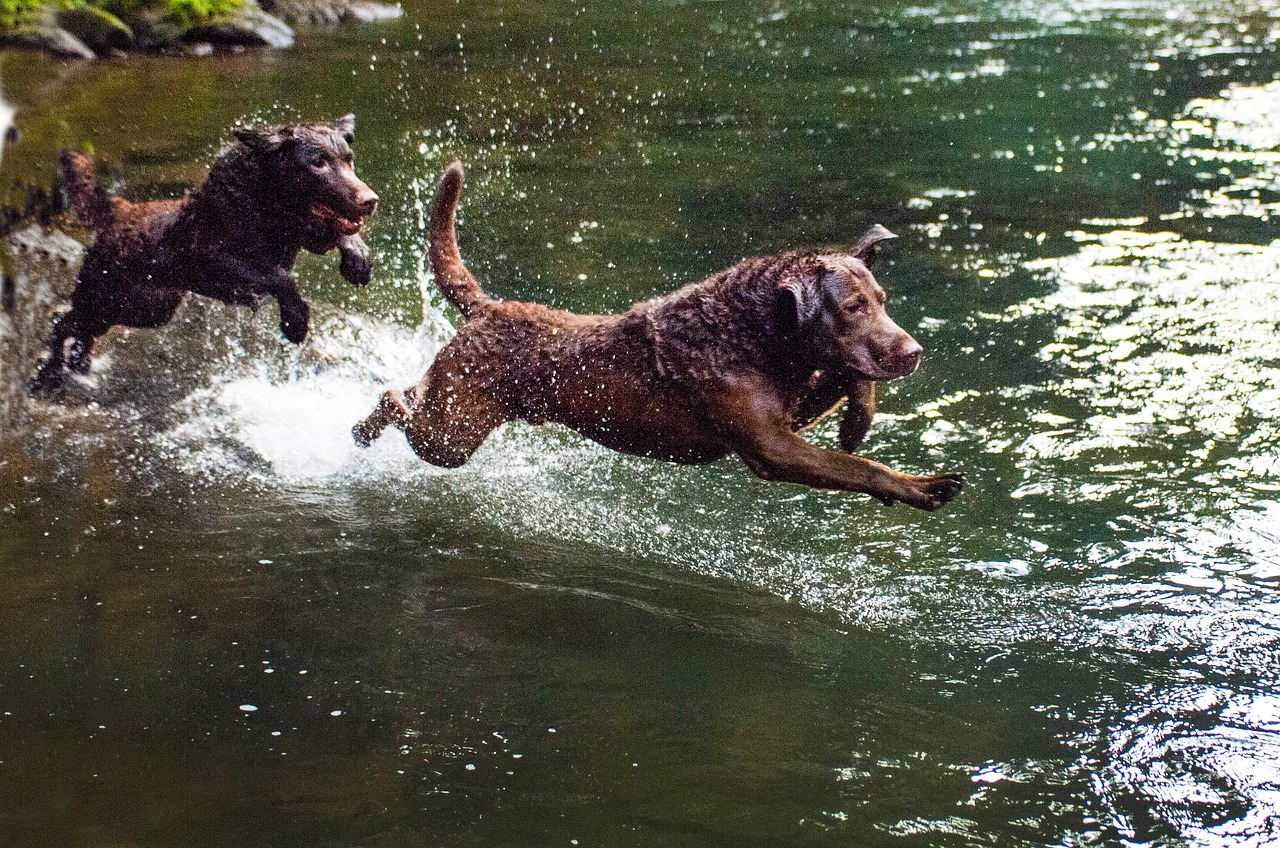
Teaching a Chesapeake Bay Retriever obedience can be a rewarding but challenging task, as these intelligent and energetic dogs have a strong hunting drive and can be stubborn at times. However, with the right approach and consistent training, you can turn your Chesapeake Bay Retriever into a well-behaved and obedient companion. In this article, we will share 12 secrets for teaching a Chesapeake Bay Retriever obedience. From understanding their personality and instincts to creating a positive training environment, these tips will help you establish a strong bond with your furry friend while improving their behavior and obedience.
⚠️ Note: While the tips below should get you on your way, they are not a substitute for a professional puppy training course. Consider researching an online training program (we like SpiritDog’s Perfect Obedience course and K9 Institute’s Masterclass)
1. Start Your Chesapeake Bay Retriever Puppy Early
One of the most important secrets to successful puppy training is to start early. It’s never too early to begin teaching your puppy basic obedience commands like “sit,” “stay,” and “come.” Early training helps to establish clear boundaries and expectations, making it easier for your puppy to learn good behavior.
2. With a Chesapeake Bay Retriever Puppy, Consistency is Key
Consistency is crucial when it comes to puppy training. Ensure that everyone in your household is on the same page and using the same commands and rewards. This helps your Chesapeake Bay Retriever puppy understand the desired behavior and avoid confusion. Remember, consistency in your approach, schedule, and expectations will pave the way for a well-trained canine companion.
3. Positive Reinforcement with Your Chesapeake Bay Retriever
Positive reinforcement is a powerful tool in puppy obedience training. It involves rewarding your Chesapeake Bay Retriever with praise, treats, or playtime whenever they exhibit the desired behavior. This approach helps your puppy associate good behavior with positive outcomes, making them more likely to repeat the action in the future.
4. Keep Training Sessions with Your Chesapeake Bay Retriever Short and Sweet
Puppies have a limited attention span, so it’s essential to keep training sessions short and engaging. Aim for 10-15 minute sessions, 2-3 times a day. This ensures your Chesapeake Bay Retriever remains focused and retains the information better. Remember, quality over quantity is the key to successful training sessions.
5. Use Clear, Simple Commands with Your Chesapeake Bay Retriever
When teaching your Chesapeake Bay Retriever obedience, use clear and simple commands that are easy for them to understand. Avoid using multiple words for the same command, as this can confuse your puppy. Stick to one-word commands like “sit,” “stay,” “down,” and “come” for better results.
6. Be Patient with Your Chesapeake Bay Retriever
Patience is an essential virtue when it comes to puppy training. Remember, your Chesapeake Bay Retriever is still learning and might not get everything right away. Stay calm and composed during training sessions, and give your puppy the time they need to grasp new commands. Keep in mind that every puppy is different, and some may take longer to learn than others.
7. Socialize Your Chesapeake Bay Retriever Puppy
Socialization is a critical aspect of puppy obedience training. Expose your Chesapeake Bay Retriever to various environments, people, and other animals to help them develop confidence and learn appropriate behavior in different situations. Proper socialization can help prevent behavioral issues like aggression and fearfulness in the future.
8. Redirect Unwanted Behaviors
Instead of punishing your Chesapeake Bay Retriever for unwanted behaviors, redirect them towards a positive alternative. For example, if your puppy is biting on furniture or shoes, offer them a chew toy instead. This approach not only discourages negative behavior but also helps your puppy understand the appropriate outlets for their energy and instincts.
9. Set Realistic Expectations
It’s essential to set realistic expectations for your puppy’s progress in obedience training. Remember, puppies learn at different paces, and expecting too much too soon can lead to frustration for both you and your Chesapeake Bay Retriever. Be prepared to invest time and effort in training and celebrate small milestones along the way.
10. Avoid Punishment-Based Training
Punishment-based training techniques, like yelling or physical punishment, can damage the bond between you and your Chesapeake Bay Retriever and hinder their learning process. Focus on positive reinforcement and redirection to foster a trusting relationship with your puppy and encourage long-lasting good behavior.
11. Teach Your Chesapeake Bay Retriever the “Leave It” and “Drop It” Commands
Two essential commands for any Chesapeake Bay Retriever puppy are “leave it” and “drop it.” These commands help prevent your puppy from picking up dangerous or unwanted items, and they can save their life in certain situations. Start by teaching “leave it” to instruct your puppy not to touch something, and follow with “drop it” for situations where your puppy has already picked up an object they shouldn’t have. Be patient and use positive reinforcement to help your puppy grasp these crucial commands.
12. Try Using an Online Dog Training Course
Sometimes, despite your best efforts, you may encounter challenges in teaching your Chesapeake Bay Retriever puppy obedience. In such cases, don’t hesitate to seek professional help. A certified dog trainer or behaviorist can provide valuable guidance and customized training techniques tailored to your puppy’s needs. Remember, there’s no shame in asking for help, and doing so can significantly benefit both you and your puppy.
Our 2 favorite online courses are:
1. SpiritDog’s “Perfect Obedience” Course
The Perfect Dog Obedience Bundle is an online dog training program designed to help dog owners achieve well-behaved pets. The comprehensive course covers basic obedience, loose leash walking, and includes bonus mini-courses on training habits and rewards, stopping jumping, and separation anxiety solutions. With lifetime access to expert trainers for personalized feedback and a 60-day money-back guarantee, this course aims to provide effective, accessible training for a variety of dog behavior issues.

2. K9 Training Institute’s “Dog Masterclass”
More than just an obedience course, this more comprehensive training course tackles any behavior problem you might face with your dog.

In conclusion, teaching a Chesapeake Bay Retriever obedience requires a consistent and patient approach, coupled with a good understanding of their natural instincts and behavior. By implementing the 12 secrets shared in this article, you can establish a strong bond with your furry friend while improving their obedience and behavior. Remember to use positive reinforcement techniques and set clear boundaries to help your Chesapeake Bay Retriever understand what is expected of them. With time and practice, your hard work will pay off, and you will enjoy the benefits of a well-trained and obedient companion who will bring joy and happiness to your life for years to come.
Looking for more tips for new puppy parents? Check out our comprehensive new puppy checklist!
 Toledo, United States.