
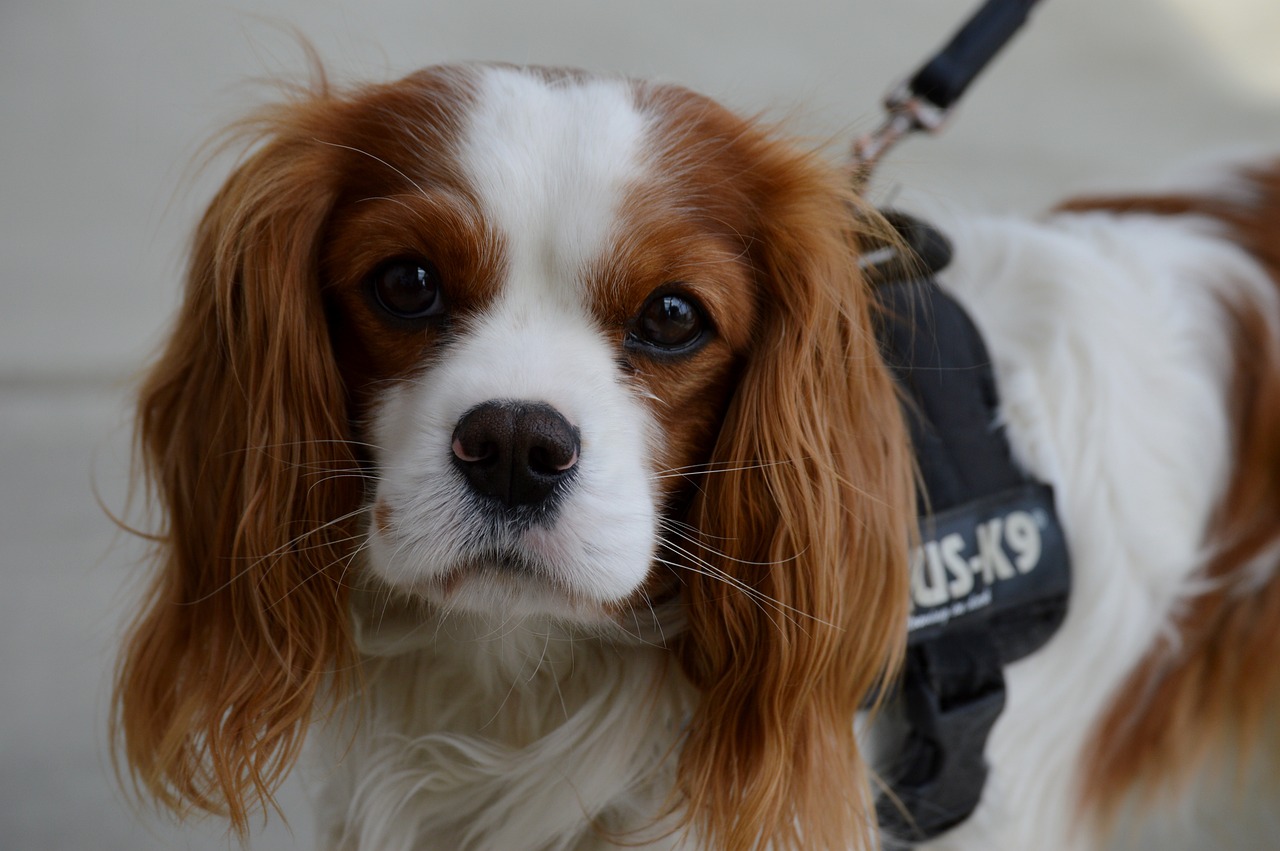
Cavalier King Charles Spaniels are known for their friendly and gentle disposition, but some may develop reactive barking behavior. Reactive barking can be caused by various reasons, such as anxiety, fear, territorial behavior, and boredom. It can be frustrating for owners to deal with excessive barking, especially if it occurs frequently. This article aims to provide ten effective strategies to help owners curb their Cavalier’s reactive barking behavior. These strategies will focus on positive reinforcement techniques and training exercises that owners can use to teach their dogs new behaviors and coping mechanisms, helping them become less reactive and more relaxed in various situations.
⚠️ Note: While the tips below should get you started, its important to realize that your Cavalier’s excessive barking is symptom of reactivity. Consider looking into an online training course that specifically addresses reactivity (we like SpiritDog’s “Tackling Reactivity course or K9 Institute’s Dog Masterclass)
1. Identify and Understand Your Cavalier’s Triggers:
The first step to addressing reactive barking is to identify the specific triggers that cause your Cavalier to bark. Observe your dog closely to determine what situations or stimuli provoke their barking, such as encountering other dogs, strangers approaching, or loud noises. Once you understand the triggers, you can develop a targeted plan to address the issue.
2. Desensitize Your Cavalier to Triggers:
Desensitization is a gradual process that involves exposing your Cavalier to their triggers at a comfortable distance, allowing them to become more accustomed to the stimulus without reacting. Over time, you can slowly decrease the distance between your dog and the trigger, always rewarding calm behavior. This process helps your dog become less reactive to the trigger, ultimately reducing their barking.
3. Use Counter-Conditioning with Your Cavalier:
Counter-conditioning is another technique that can help change your Cavalier’s emotional response to a trigger. By pairing the trigger with something positive, such as treats or toys, your dog can begin to associate the stimulus with a positive experience rather than fear or anxiety. Over time, this can reduce your dog’s reactive barking.
4. Use Positive Reinforcement with Your Cavalier:
Reward your Cavalier for remaining calm and quiet in situations where they would typically react with barking. Consistently offer praise, treats, or affection when your dog displays appropriate behavior in response to their triggers. This positive reinforcement helps your dog learn that there are better ways to cope with their triggers than barking.
5. Teach Your Cavalier the “Quiet” Command:
Train your Cavalier to understand and respond to the “quiet” command. When your dog starts barking in response to a trigger, calmly say “quiet” and wait for them to stop. As soon as they are silent, immediately praise and reward them. Repeat this process consistently until your dog associates the command with the desired behavior.
Related: What online dog training program does iHeartDogs recommend for reactive barking?
6. Redirect Your Cavalier’s Attention:
When your Cavalier begins to bark reactively, try redirecting their attention to a more productive activity. Offer a favorite toy, initiate a training session, or engage in play to refocus their energy. This helps your dog learn that there are alternative ways to react to stimuli, rather than barking.
7. Provide Adequate Exercise and Mental Stimulation for Your Cavalier:
A well-exercised and mentally stimulated Cavalier is less likely to engage in reactive barking. Ensure your dog receives enough physical activity and mental stimulation daily through walks, play sessions, and interactive toys. This can help reduce pent-up energy and frustration, which can contribute to reactive barking.
8. Create a Calm Environment for Your Cavalier:
A chaotic or noisy environment can exacerbate your Cavalier’s reactive barking. Create a calm and quiet space for your pet, with a comfortable bed and designated area for their toys. Use calming scents, like lavender or chamomile, and soothing sounds, such as classical music or white noise, to help reduce anxiety and promote relaxation.
9. Manage Your Cavalier’s Environment:
While you work on addressing your Cavalier’s reactive barking, consider managing their environment to limit exposure to triggers. This may involve using window films to obscure your dog’s view of passersby, creating a designated “safe space” for your dog to retreat to, or using baby gates to restrict access to areas with high trigger exposure. Managing your dog’s environment can help reduce their reactive barking while you work on implementing other strategies.
10. Try an Online Dog Reactivity Training Course
If your Cavalier’s reactive barking continues despite your efforts, consider consulting with a professional dog trainer or behaviorist.
2 online dog training programs we like are:
1. SpiritDog’s “Tacking Reactivity” Course
The SpiritDog Tackling Reactivity Course is an online training program designed to help dog owners address their dog’s reactive barking without the need for expensive in-person training. The course aims to help owners understand their dog’s triggers and teaches techniques to calm and accommodate reactive dogs. Developed by experienced dog trainer Steffi Trott, the program offers video lessons, instructional PDFs, quizzes, and access to trainers for support.

2. K9 Training Institute’s “Dog Masterclass”
More than just an obedience course, this more comprehensive training course tackles any behavior problem you might face with your dog.

10 Reasons Why a Cavalier Might Be Reactive Barking
- Fear or anxiety: Cavalier King Charles Spaniels can be fearful of strangers or other dogs, leading them to bark in an attempt to protect themselves or their owners.
- Territorial behavior: The breed can be protective of their home or property, leading to barking at perceived intruders or passersby.
- Separation anxiety: Cavaliers can become distressed when separated from their owners, leading to barking as a form of communication or distress signal.
- Attention-seeking behavior: Like any other dog, Cavaliers may bark to get attention from their owners or as a way to initiate play.
- Lack of exercise or stimulation: A bored or under-stimulated Cavalier may bark excessively out of frustration.
- Medical issues: Pain or discomfort from medical issues such as dental problems or ear infections can cause a Cavalier to bark more than usual.
- Herding instinct: As a breed with a strong herding instinct, a Cavalier may bark at moving objects or people.
- Socialization issues: Poor socialization as a puppy can lead to fear or aggression towards other dogs, resulting in barking.
- Breed traits: Some Cavaliers may have a genetic predisposition towards barking due to their breeding history.
- Previous training: If a Cavalier has been unintentionally trained to bark for attention or has not been properly trained to control barking behavior, it may continue to bark excessively.
In conclusion, reactive barking can be a problem for Cavalier owners, especially if it’s excessive and persistent. Fortunately, there are many strategies that you can implement to help your dog overcome this behavior. Remember, the key is to be patient and consistent in your training, as it may take some time to see results. By identifying the cause of your dog’s reactive barking and using the right strategies, you can help your Cavalier become a well-behaved and happy member of your family. It’s also important to remember that seeking the help of a professional trainer or behaviorist may be necessary in some cases.
NEXT UP: Can an Online Training Course Help Stop My Cavalier’s Barking?
 Toledo, United States.