
iHeartDogs is reader-supported. When you buy via links on our site, we may earn an affiliate commission at no extra cost to you.
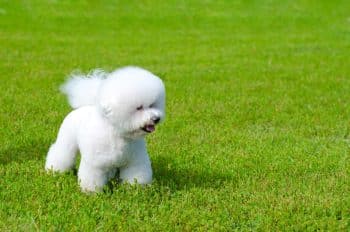
Bichon Frise, with their fluffy, cotton-ball appearance, are undeniably adorable. This breed’s distinctively soft and curly coat requires consistent grooming to maintain its appeal and health. Here are vital grooming tips for your Bichon Frise.
1. Daily Brushing
The Bichon Frise’s dense, curly coat can easily form mats and tangles. Daily brushing using a slicker brush or comb is essential to prevent these issues and keep the coat fluffy and clean.
2. Regular Professional Grooming
This breed typically needs professional grooming every 4-6 weeks. The groomer will give your Bichon Frise a trim to maintain its signature “powder puff” appearance.
3. Frequent Baths
Bathe your Bichon Frise every two weeks or as needed to keep their white coat clean and vibrant. Always use a gentle, dog-friendly shampoo that won’t strip their coat’s natural oils.
4. Tear Stain Cleaning
Bichon Frise are prone to tear staining around the eyes. Regularly clean the corners of your dog’s eyes with a soft, damp cloth, and consider using a dog-specific tear stain remover for stubborn stains.
5. Nail Trimming
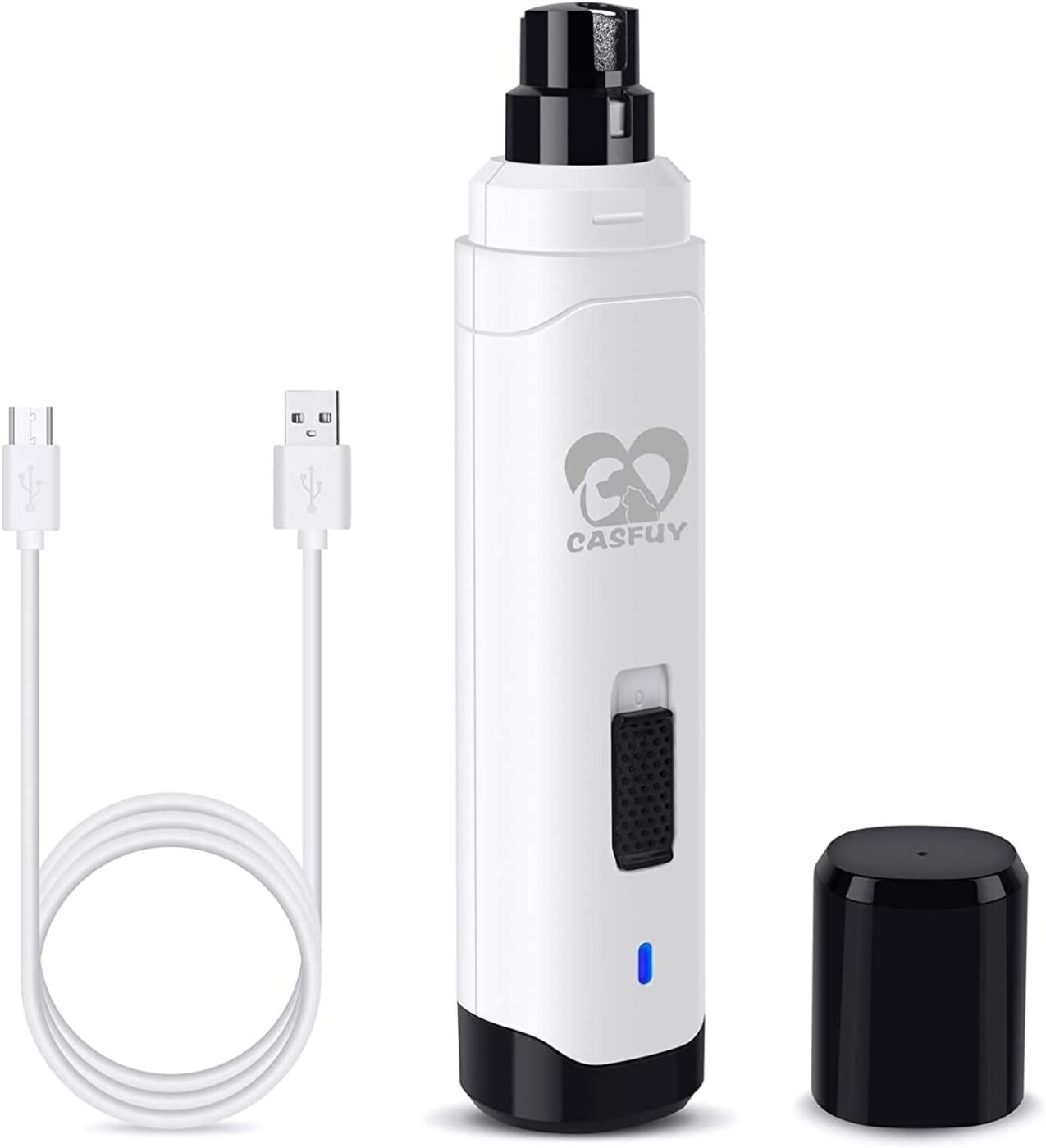
Like any breed, Bichons need their nails trimmed every 3-4 weeks. Long nails can cause discomfort and affect your dog’s gait.
This highly rated nail grinder on Amazon makes nail trims a breeze.

6. Ear Cleaning
The Bichon’s floppy ears can trap moisture and dirt, leading to infections. Clean your dog’s ears weekly with a vet-approved cleaning solution.
We like the PetMD brand of ear wipes available on Amazon.

7. Dental Care
To prevent oral health issues, brush your Bichon’s teeth daily using dog-specific toothpaste. Dental chews can also help maintain good dental health.
For dogs who hate brushing, another good option are these tasty dental chews, available on Amazon.

Frequently Asked Questions About Grooming Bichon Frise
1. How often should I groom my Bichon Frise?
A Bichon Frise should be groomed every 4 to 6 weeks to keep its coat clean, fluffy, and free of mats. Regular brushing at home between grooming appointments helps maintain their signature soft look.
2. How often should I brush my Bichon Frise’s coat?
Daily brushing is ideal for a Bichon Frise. Their curly coat can tangle quickly, so consistent brushing keeps it smooth, prevents matting, and makes grooming appointments easier.
3. What type of brush works best for a Bichon Frise?
A slicker brush and a metal comb are best. The slicker removes tangles and loose hair, while the comb gets closer to the skin for a smooth finish.
4. How often should I bathe my Bichon Frise?
A bath every 3 to 4 weeks is recommended. Frequent bathing keeps their white coat bright and fluffy, but avoid overbathing to prevent dry skin.
5. How do I prevent mats in my Bichon Frise’s coat?
Daily brushing, regular trims, and a detangling spray can help prevent mats. Pay special attention to areas behind the ears, under the legs, and around the collar.
6. Should I trim my Bichon Frise’s coat at home?
You can do light trims around the face and paws, but full grooming is best left to a professional groomer. This ensures the classic rounded Bichon look.
7. How often should I trim my Bichon Frise’s nails?
Trim your Bichon’s nails every 2 to 4 weeks. Long nails can cause discomfort and affect their gait, so regular maintenance is important.
8. How do I clean my Bichon Frise’s ears?
Use a vet-approved ear cleaner and a cotton ball. Gently wipe the outer ear, avoiding deep insertion. Regular ear cleaning helps prevent infections.
9. How often should I brush my Bichon Frise’s teeth?
Daily tooth brushing is best for a Bichon Frise. Use a dog-safe toothbrush and toothpaste to prevent plaque buildup and dental issues.
10. Do Bichon Frises shed a lot?
Bichon Frises are low-shedding dogs, but their hair grows continuously. Regular grooming and brushing are needed to prevent tangles and maintain their coat.
11. How can I keep my Bichon Frise’s coat white?
Use a gentle whitening shampoo made for dogs, avoid muddy play areas, and wipe their face daily to prevent tear stains. Regular grooming also helps.
12. How do I handle tear stains on my Bichon Frise?
Wipe around the eyes daily with a damp cloth or tear stain remover. Keeping the area clean and dry reduces staining and keeps their face bright.
13. How do I groom a Bichon Frise puppy?
Start with gentle brushing sessions to get them comfortable. Gradually introduce baths, nail trims, and professional grooming to build a positive routine.
14. Can I use human shampoo on my Bichon Frise?
No, human shampoo can irritate a dog’s skin. Always use a gentle dog-specific shampoo designed for sensitive coats like a Bichon Frise’s.
15. How often should I visit a professional groomer?
Most Bichon Frises benefit from professional grooming every 4 to 6 weeks. Regular visits keep their coat healthy, clean, and in that iconic Bichon style.

Expert Grooming Secrets for a Beautiful Bichon Frise
Grooming your Bichon Frise is more than just keeping them looking good; it’s about ensuring their overall health, comfort, and happiness. By following these seven vital tips, you’ll help prevent skin irritations, control excessive shedding, and promote a shiny, healthy coat. Regular grooming sessions also create special bonding moments between you and your gentle giant. With consistent care, your Bichon Frise will stay clean, confident, and content, showcasing both their strength and loving nature every single day.
 Toledo, United States.