
Alaskan Malamutes are strong, powerful dogs known for their endurance and friendly disposition. Proper socialization is crucial to ensure they grow into well-rounded, confident, and sociable adults.
The Right Ways to Socialize an Alaskan Malamute Puppy
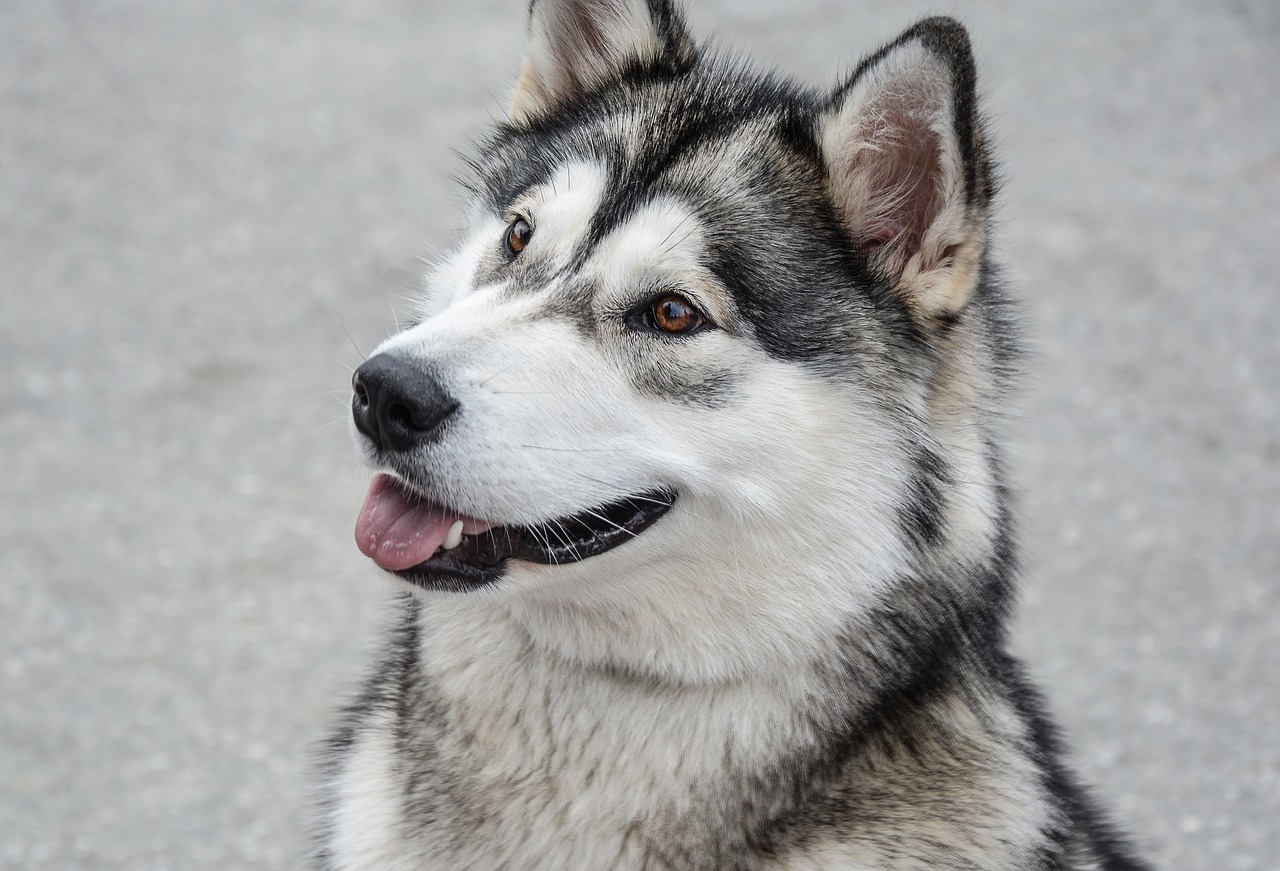 Here are the steps to follow for an effective socialization process:
-
Start Early:
- The ideal socialization window for an Alaskan Malamute puppy is between 3 to 14 weeks of age. During this time, they are most receptive to new experiences, which will shape their adult temperament.
-
Positive Reinforcement:
- Reward your Alaskan Malamute puppy with treats, praise, or toys when they display calm and desirable behavior in new situations or with new people.
-
Diverse Environments:
- Gradually expose the Alaskan Malamute puppy to various environments. Start with quiet places and slowly move to busier areas, ensuring they remain comfortable.
-
Meet and Greet:
- Allow the Alaskan Malamute puppy to meet different people, including children, the elderly, and individuals wearing hats, glasses, or uniforms. This ensures they don’t develop specific fears.
-
Friendly Canine Interactions:
- Organize playdates with well-behaved, vaccinated dogs. The Alaskan Malamute puppy will learn proper doggy etiquette and benefit from positive role models.
-
Handling and Touch:
- Regularly touch and handle the Alaskan Malamute puppy’s paws, ears, and mouth. This makes future grooming sessions and vet visits less stressful.
-
Expose to Various Noises:
- Introduce the Alaskan Malamute puppy to different sounds, from the vacuum cleaner to street noises, ensuring they remain calm and unafraid.
-
Introduce to Different Surfaces:
- Let the Alaskan Malamute puppy walk on grass, gravel, wood, carpet, and other terrains, making them adaptable to various environments.
-
Vehicle Familiarization:
- Take the Alaskan Malamute puppy on short car rides, ensuring they associate the car with positive experiences and destinations.
-
Train Basic Commands:
- Teaching commands like “sit,” “stay,” “come,” and “leave it” from a young age can be an essential tool in managing their behavior in public settings.
-
Use Socialization Tools:
- Tools like puzzle toys, chew toys, or even safe exposure to a mirror can be great for mental stimulation and broadening the Alaskan Malamute puppy’s experiences.
-
Avoid Negative Experiences:
- If the Alaskan Malamute puppy appears scared or overwhelmed, remove them from the situation. It’s essential to ensure each experience is positive or neutral, not traumatic.
-
Socialization Classes:
- Enroll your Alaskan Malamute puppy in a puppy socialization class. It’s a controlled environment where they can interact with other puppies and learn essential social skills.
-
Regular Vet Visits:
- Regular check-ups ensure the Alaskan Malamute puppy’s health and also accustom them to the veterinary environment. Make each visit positive with treats and praises.
-
Enroll in a Puppy Obedience Training Program:
- Consistent, structured training is essential for a breed as powerful as the Alaskan Malamute. Consider programs like the SpiritDog’s Ultimate Puppy Training Program or the K9 Training Institute’s Dog Masterclass. These classes offer comprehensive guidance, ensuring you and your puppy have the skills needed for a harmonious relationship.
The Wrong Ways to Socialize an Alaskan Malamute Puppy
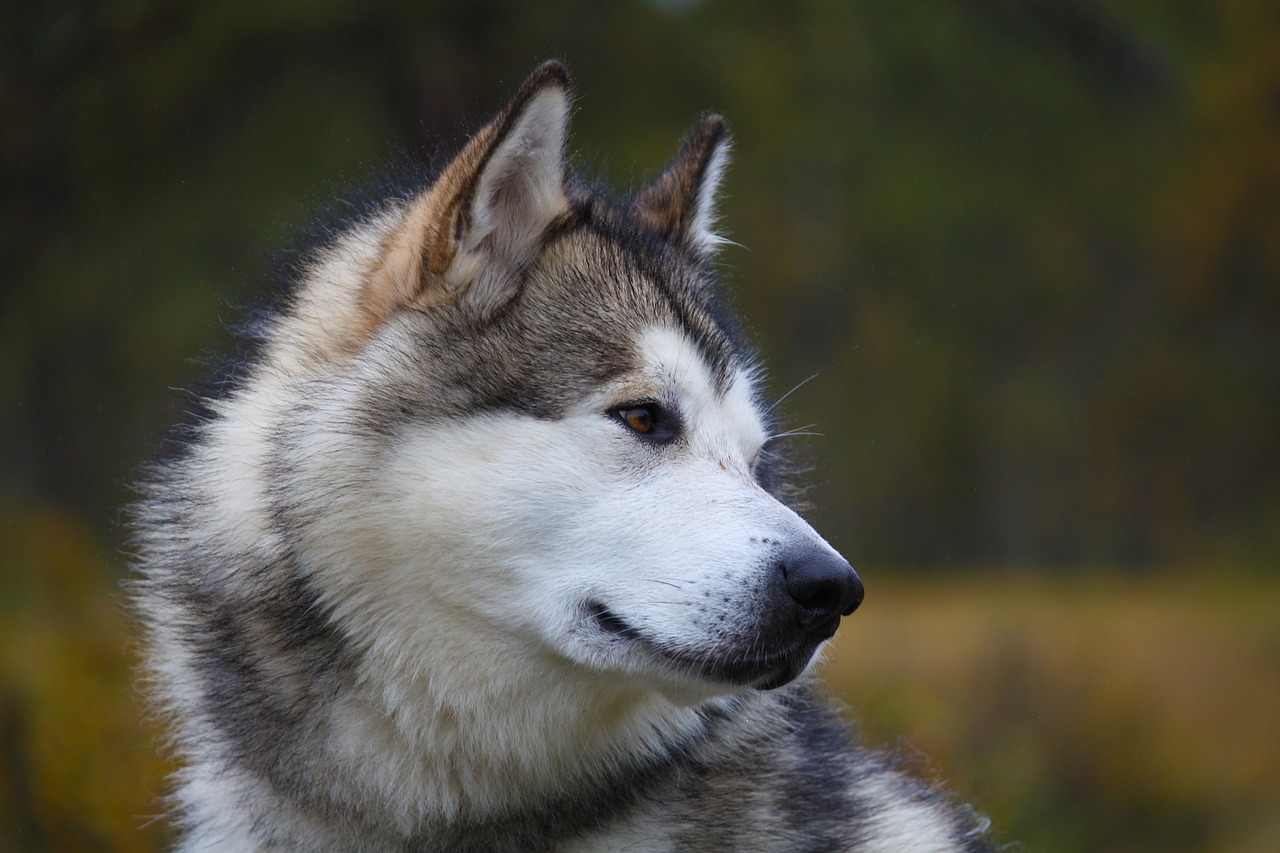 Socializing an Alaskan Malamute puppy correctly is essential for their behavioral development. However, it’s just as crucial to understand the wrong approaches. Alaskan Malamutes are naturally friendly and cooperative, but improper socialization can lead to behavioral problems. Here are the pitfalls to avoid:
-
Starting Too Late:
- Waiting until the Alaskan Malamute puppy is older than 14 weeks can mean missing the prime socialization period. This might make new experiences more daunting for them.
-
Overwhelming Situations:
- Exposing the Alaskan Malamute puppy to overly crowded or noisy environments without proper preparation can cause anxiety. They should be introduced to such settings gradually.
-
Forcing Interaction:
- Forcing the Alaskan Malamute puppy into situations or interactions when they show clear signs of distress can be detrimental. Always allow them to approach new things at their own pace.
-
Neglecting Diversity in Socialization:
- If you only expose the Alaskan Malamute puppy to a specific group of people or dogs, they might become wary of those outside of that group.
-
Using Negative Reinforcement:
- Scolding or punishing the Alaskan Malamute puppy for showing fear or retreating from new situations can exacerbate their anxiety. Always use positive reinforcement.
-
Allowing Unsupervised Play:
- Letting the Alaskan Malamute puppy play with unknown dogs without supervision can be risky. Not all adult dogs are patient or tolerant with puppies.
-
Over-socializing:
- While socialization is essential, overdoing it can tire out and stress the Alaskan Malamute puppy. Ensure they have plenty of rest and downtime.
-
Avoiding Everyday Noises:
- Shielding the Alaskan Malamute puppy from daily household noises, thinking it might scare them, can backfire. They need to get used to these sounds to live comfortably in a home setting.
-
Holding the Puppy During Social Encounters:
- Consistently carrying the Alaskan Malamute puppy during social experiences can make them overly dependent and insecure when they’re on the ground.
-
Neglecting to Socialize Outside Home:
- Only socializing the Alaskan Malamute puppy in your house or yard can make them unfamiliar and anxious about outside environments.
-
Not Setting Boundaries:
- While it’s tempting to let the Alaskan Malamute puppy do as they please during play or exploration, setting no boundaries can lead to unwanted behaviors as they grow.
-
Skipping the Vet:
- Avoiding regular vet visits because you think it might stress the Alaskan Malamute puppy means missing out on making these essential trips a routine and positive experience.
-
Not Correcting Resource Guarding Early:
- If the Alaskan Malamute puppy displays any signs of resource guarding (like food or toys), neglecting this behavior in the hope they’ll outgrow it can lead to significant problems in adulthood.
-
Avoiding Strangers:
- Intentionally avoiding strangers or other dogs out of fear of a negative encounter deprives the Alaskan Malamute puppy of crucial social learning experiences.
-
Not Enrolling in Structured Socialization Programs:
- Assuming that random encounters with other dogs and people are enough, and skipping organized classes can mean missing out on controlled, constructive socialization experiences.
Consider Online Dog Training for Your Alaskan Malamute Puppy
Our 2 favorite online courses are:
1. SpiritDog’s “Perfect Obedience” Course
The Perfect Dog Obedience Bundle is an online dog training program designed to help dog owners achieve well-behaved pets. The comprehensive course covers basic obedience, loose leash walking, and includes bonus mini-courses on training habits and rewards, stopping jumping, and separation anxiety solutions. With lifetime access to expert trainers for personalized feedback and a 60-day money-back guarantee, this course aims to provide effective, accessible training for a variety of dog behavior issues.

2. K9 Training Institute’s “Dog Masterclass”
More than just an obedience course, this more comprehensive training course tackles any behavior problem you might face with your dog.

In conclusion, while socializing an Alaskan Malamute puppy is essential for their development, it’s just as crucial to avoid the wrong methods. Understanding these pitfalls ensures that the socialization process is as positive, effective, and stress-free as possible for both the puppy and the owner. Proper care, patience, and positive reinforcement are the cornerstones of an effective socialization strategy.
 Toledo, United States.