
 Shutterstock
Dogs may not speak our language, but they are always communicating. Through body language, vocalizations, and subtle behaviors, our dogs are often telling us what they need, feel, or fear. We just have to learn how to listen in their language. Once we do, a whole new dimension of connection opens up one built on trust, respect, and emotional understanding.
Direct Eye Contact
 Shutterstock
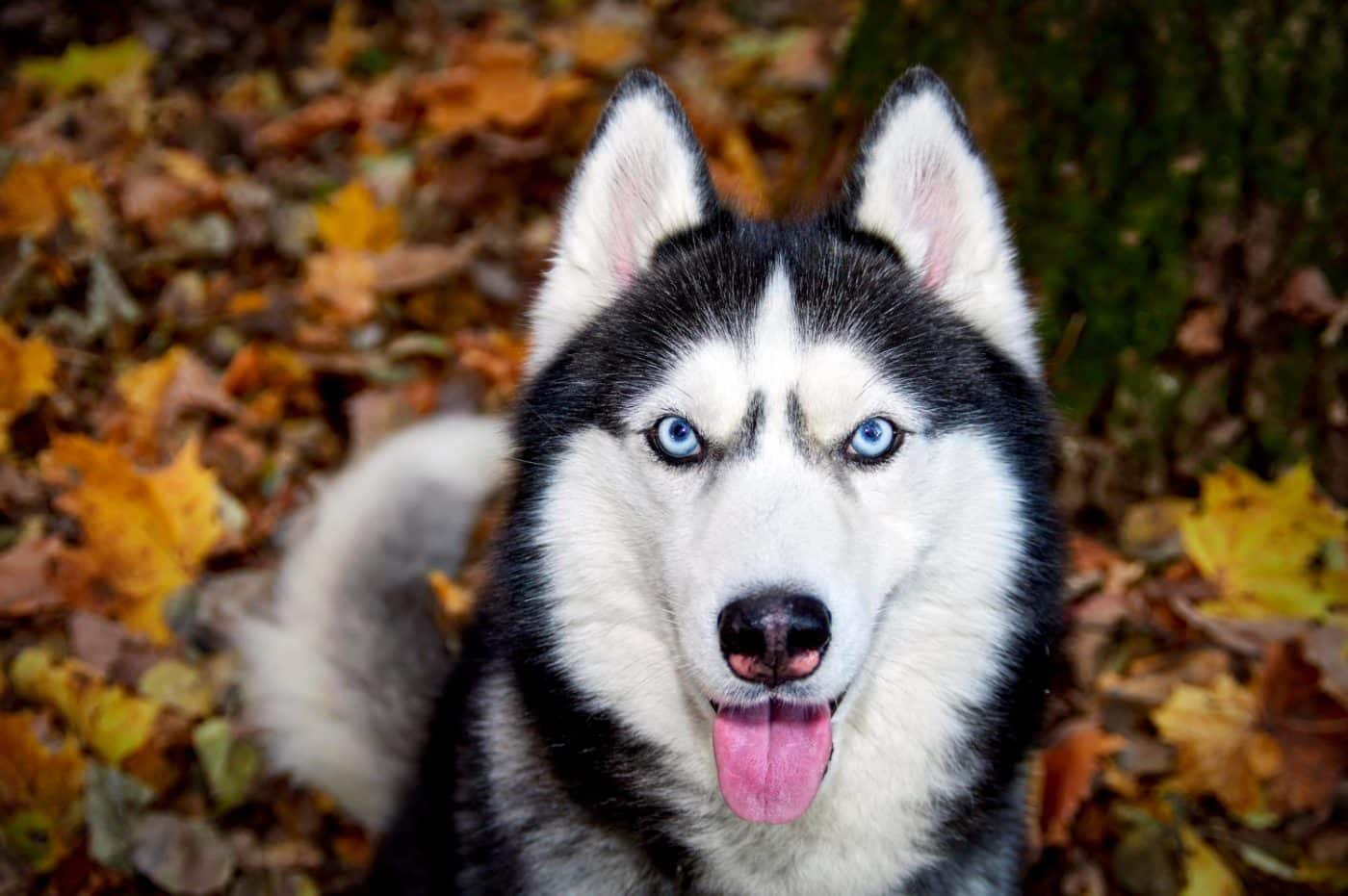
When your dog holds eye contact with you, it’s not just about watching. It can be a powerful way of expressing affection, trust, or even asking for reassurance. A soft gaze often signals comfort and connection. In moments of anxiety, your dog may seek your eyes for grounding.
Tail Position and Movement
 Shutterstock
A wagging tail doesn’t always mean a happy dog. Its position and pace reveal much more low and slow might suggest uncertainty, while high and rapid can signal excitement or even agitation. The tail is like an emotional dial, constantly adjusting to reflect your dog’s internal state.
Pawing at You
 Shutterstock
A gentle paw on your leg isn’t just cute it’s communication. Your dog might be seeking attention, comfort, or even asking you for something. Especially in older dogs, this behavior often feels tender, as if they’re reaching across the species barrier to say, “See me.”
Yawning (Even When Not Tired)
 Shutterstock
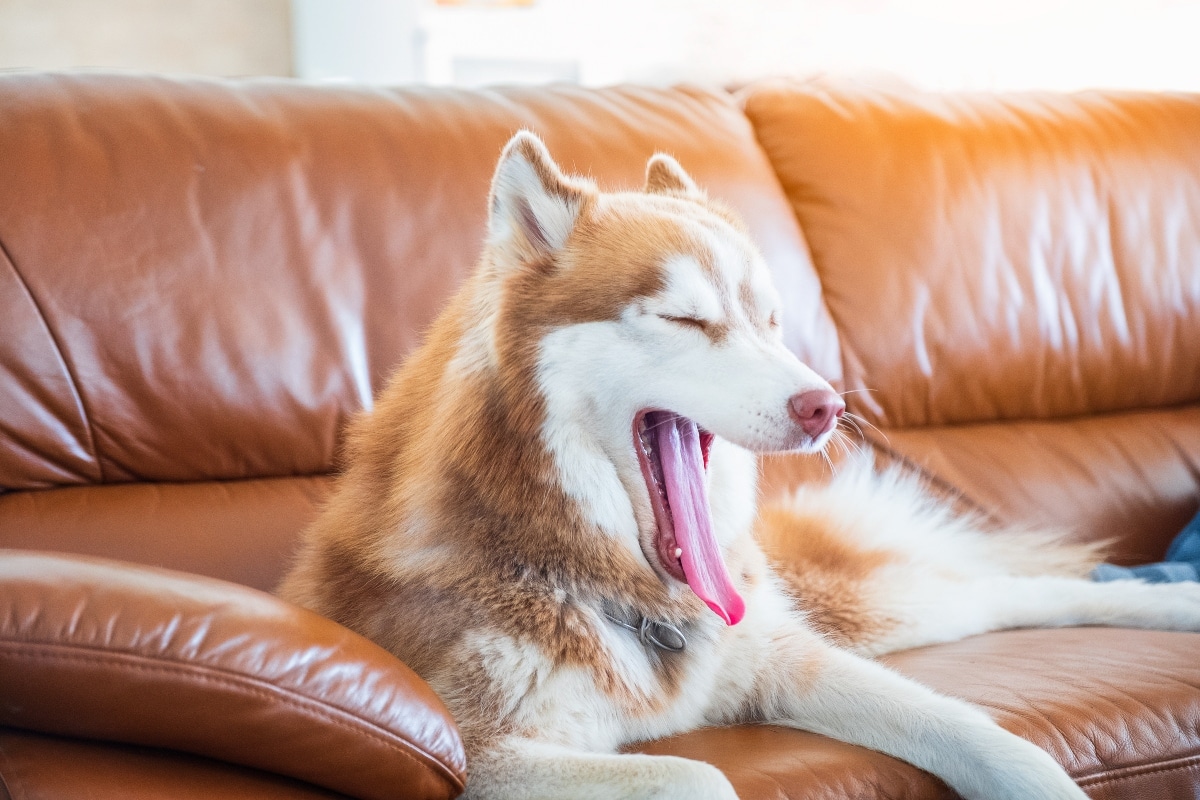
Dogs yawn when they’re stressed, unsure, or trying to calm themselves—or you. It’s a social signal more than a sleepy one. If your dog yawns in a tense situation, they might be saying, “I’m not a threat,” or trying to defuse emotional energy.
Barking in Different Tones
 Shutterstock
One bark does not fit all. A high-pitched bark may mean excitement, while a deep, drawn-out bark could indicate a warning. Dogs use their voice like we use inflection—changing it depending on mood, urgency, or what they want you to know.
Licking You (and Themselves)
 Shutterstock
Licking is a layered behavior. It can mean affection, submission, or anxiety. When dogs lick your hands or face, they might be showing love or seeking reassurance. Repetitive self-licking, especially of paws, might indicate stress or discomfort.
Leaning Against You
 Shutterstock
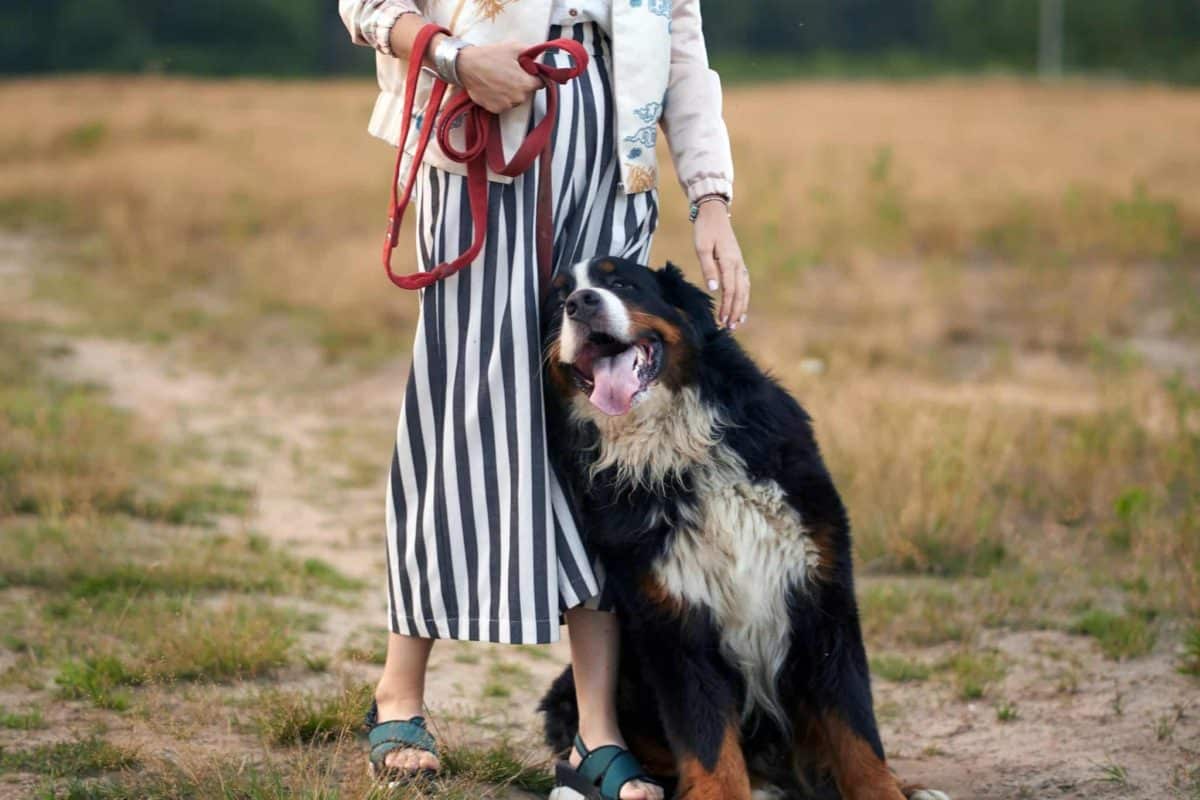
When a dog leans their body into you, it’s often a sign of trust and affection. It can also mean they’re seeking security or comfort. For emotionally sensitive dogs, especially seniors or rescues, leaning is their version of a quiet hug.
Showing You Toys
 Shutterstock
Your dog isn’t always asking you to play when they drop a toy at your feet. Sometimes, they’re offering you a gift. It’s a social gesture, one that says, “You’re part of my pack,” or “This makes me happy, and I want to share it with you.”
Whining Softly
 Shutterstock
Whining can be a call for help, a sign of excitement, or an expression of distress. Listen to the tone and look at the context. A soft whine at night might mean loneliness, while a more urgent sound could be a response to physical discomfort.
Avoiding Eye Contact
 Shutterstock
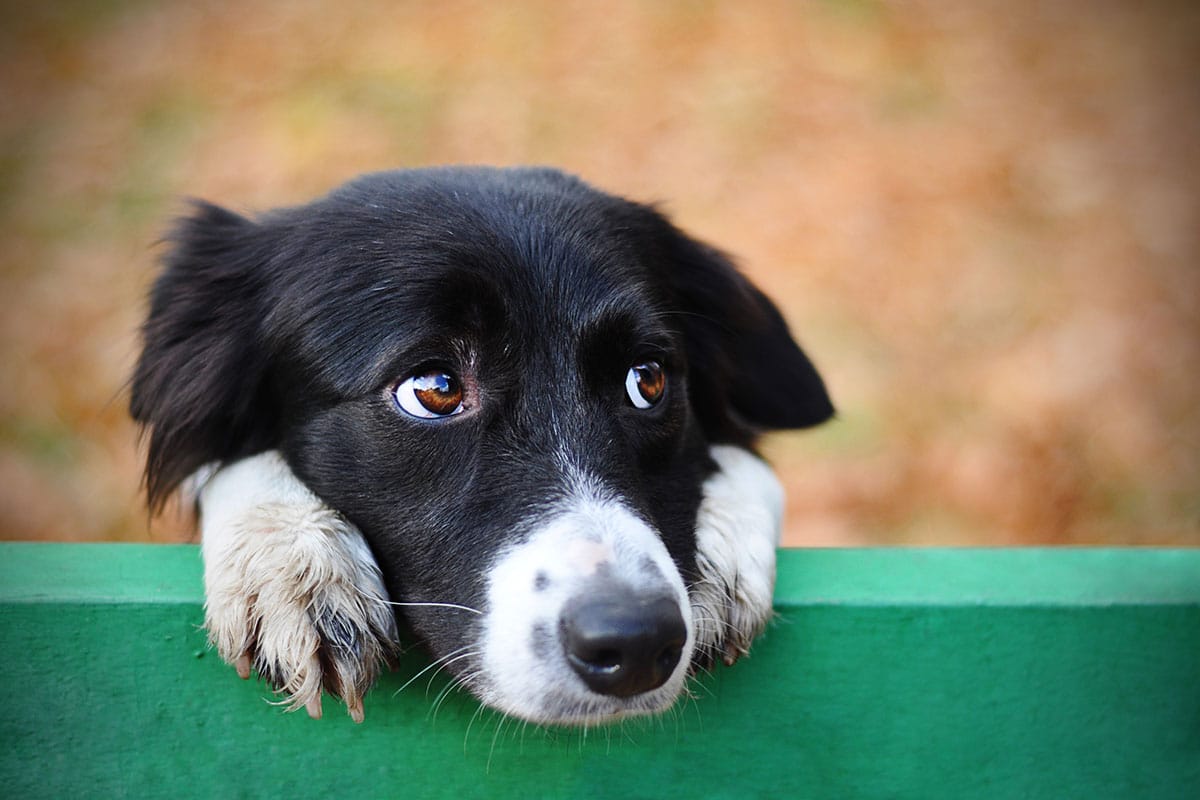
Looking away isn’t always avoidance. Dogs often do this to show deference or diffuse tension. It’s a way of saying, “I’m not here to challenge you,” or, “Please don’t be upset.” Especially during training or after a scolding, this gesture deserves a gentler understanding.
Pacing or Restlessness
 Shutterstock
If your dog is pacing, circling, or unable to settle, it may be more than energy. They might be anxious, confused, or even sensing something off in their environment—or in you. Dogs often mirror our inner state, especially if their bond with us is strong.
Following You Everywhere
 Shutterstock
Shadowing your every move isn’t just about loyalty. It can be a sign of dependence, curiosity, or separation anxiety. For older or previously abandoned dogs, following you is sometimes their way of making sure you’re not going to leave again.
Raising One Paw
 Shutterstock
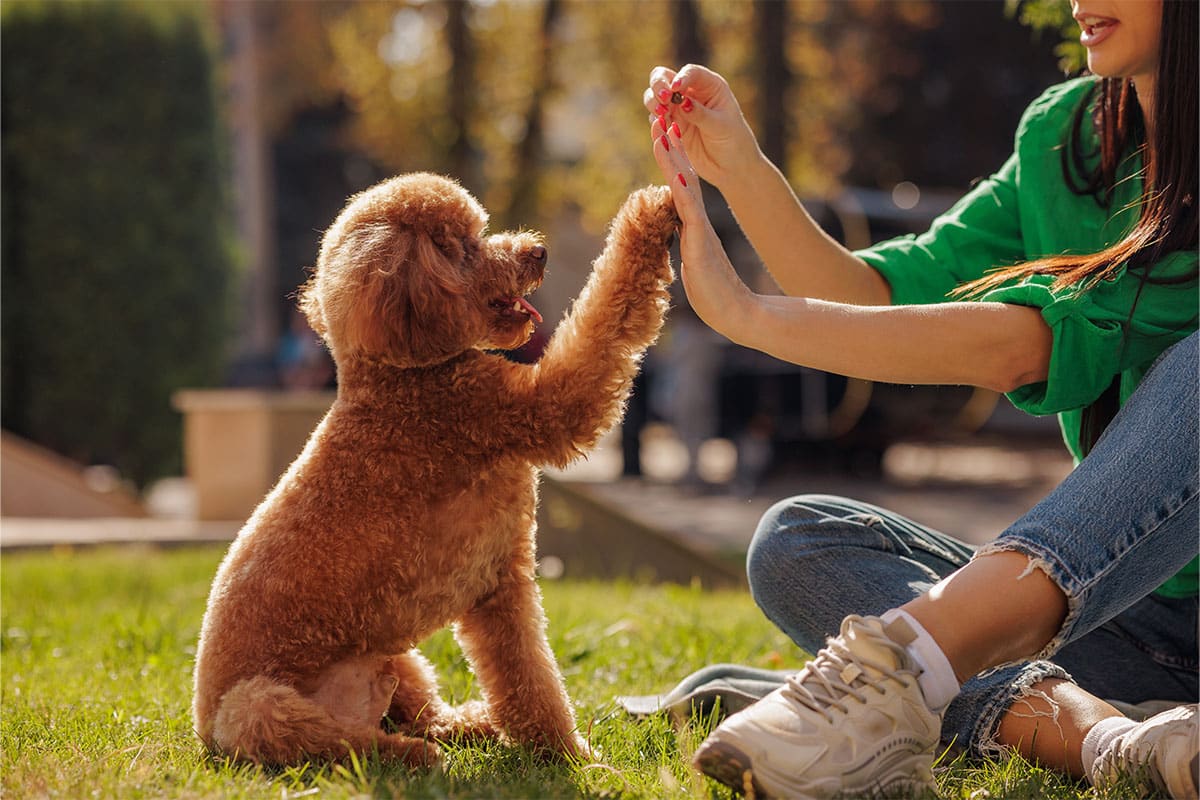
When a dog pauses and raises a front paw, they may be trying to tell you they’re uncertain, curious, or conflicted. Hunters do it instinctively, but so do family dogs when they’re trying to “point” something out or figure out what’s going on.
Flattened Ears
 Shutterstock
Ear position is one of the clearest emotional signals. Pulled back ears can mean fear, submission, or deep unease. Paired with other signs like lip licking or a lowered tail it’s your cue to slow down and offer comfort or space.
Sleeping Against You
 Shutterstock
When your dog chooses to nap beside you or on top of you, it’s an act of complete trust. In their most vulnerable state, they choose your presence. This simple act says more than any bark or tail wag ever could: “With you, I am safe.”
Talk Dog to Me
 Shutterstock
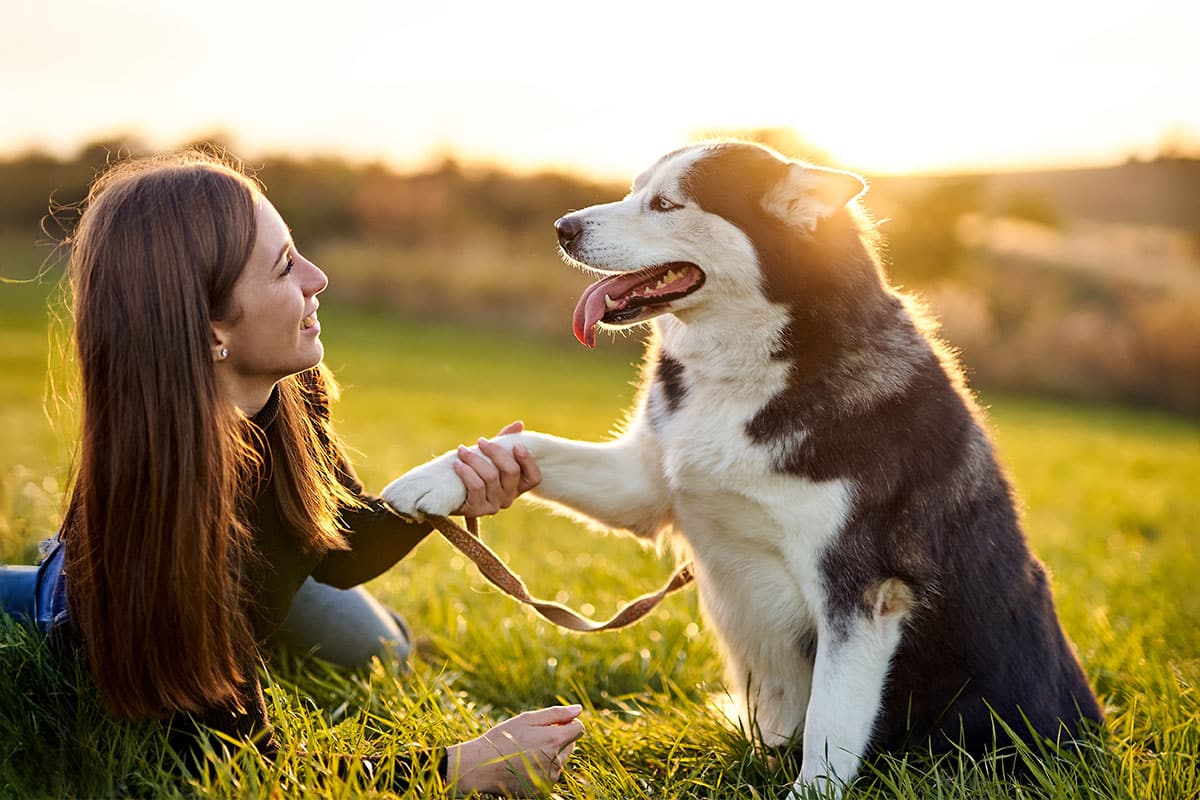
Learning to read your dog’s cues isn’t about control it’s about connection. The more we tune in, the more our dogs feel heard, seen, and safe. These moments of understanding become the glue of our bond, built not just on words, but on presence. Next time your dog “says” something, pause. They just might be telling you something important in the only language they know.
 Toledo, United States.