
Your dog hides the second the doorbell rings. They press against your legs whenever a stranger reaches down to pet them. Three months in, and they still won’t let your best friend sit next to them on the couch.
Sound familiar?
You’re not doing anything wrong. Some dogs just take longer to trust people. Not because they’re broken or poorly socialized, but because caution is hardwired into their breed. These are the dogs who study a room before entering it, who prefer one person over a crowd, who love deeply but on their own timeline.
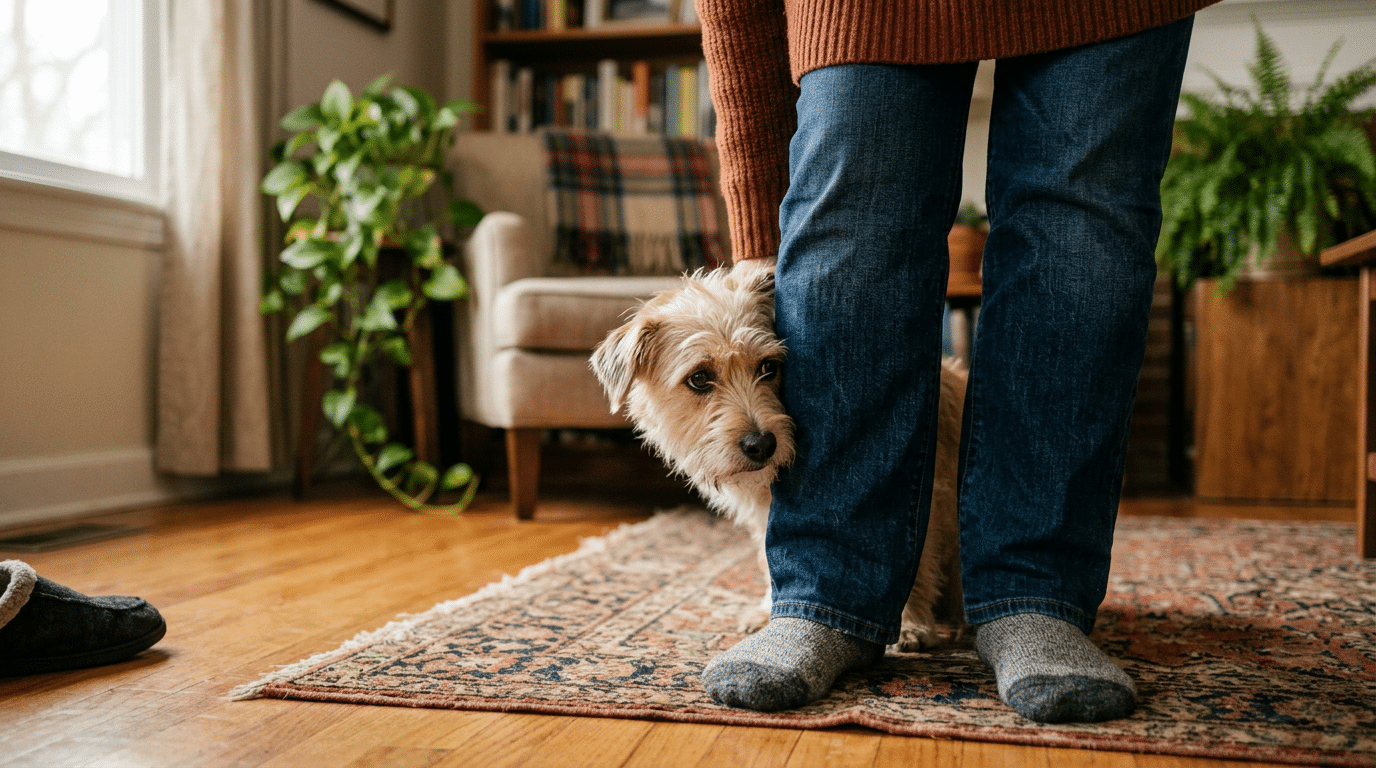
Once you understand what’s going on behind the shyness, everything changes. You stop taking it personally. You start reading the signals. And when that cautious dog finally relaxes into your lap? There’s nothing like it.
This guide covers 12 shy dog breeds, explains the science behind why they behave this way, and gives you specific strategies that actually work. If you tend to gravitate toward calmer, more reserved dogs, you’ll probably also like this list of polite dog breeds known for gentle manners.
Shy Dog Breeds Quick Reference 2026
| Breed | Shyness Level | Size | Good for Families? | Time to Warm Up |
|---|---|---|---|---|
| Greyhound | Moderate | Large | Yes, with calm kids | Days to weeks |
| Shiba Inu | Moderate-High | Medium-Small | With experienced owners | Weeks to months |
| Basenji | Moderate | Small-Medium | With older children | Weeks |
| Afghan Hound | Moderate-High | Large | In quiet homes only | Weeks to months |
| Italian Greyhound | High | Small | Best for adults | Weeks to months |
| Akita | Moderate-High | Large | With experienced owners | Months |
| Whippet | Moderate | Medium | Yes | Days to weeks |
| Borzoi | Moderate-High | Large | In calm homes | Weeks |
| Tibetan Spaniel | Moderate | Small | Yes | Days to weeks |
| Saluki | Moderate-High | Large | In quiet homes | Weeks to months |
| Chinese Shar Pei | High | Medium | With experienced owners | Months |
| Chow Chow | High | Medium-Large | With experienced owners | Months |
What Actually Makes a Dog Shy?
Shyness in dogs isn’t one thing. It’s a mix of genetics, early experiences, and individual temperament, and the balance between those three shifts depending on the breed.
Genetics plays the biggest role. A 2019 study published in Scientific Reports analyzed over 14,000 dogs and found that breed alone explained roughly 50% of behavioral variation, including fear and sociability scores. That’s huge. It means a Shiba Inu raised in the most social household imaginable may still be more reserved than a Labrador who barely left the backyard as a puppy.
Early socialization matters too, but there’s a narrow window. Puppies need positive exposure to new people, dogs, sounds, and environments between 3 and 14 weeks old. Miss that window, and fear responses become much harder to undo. Many shy breeds already have a genetic predisposition toward caution, so a lack of early socialization hits them harder than it would a naturally outgoing breed.
Then there’s individual temperament. Even within a litter, you’ll find one puppy who charges toward strangers and another who hangs back. That’s normal. It doesn’t mean the cautious puppy is damaged. It means they process the world differently.
One more thing worth knowing: reserved breeds often end up in shelters more frequently because people misread their caution as aggression or indifference. Understanding shyness isn’t just interesting. It saves lives.
1. Greyhound
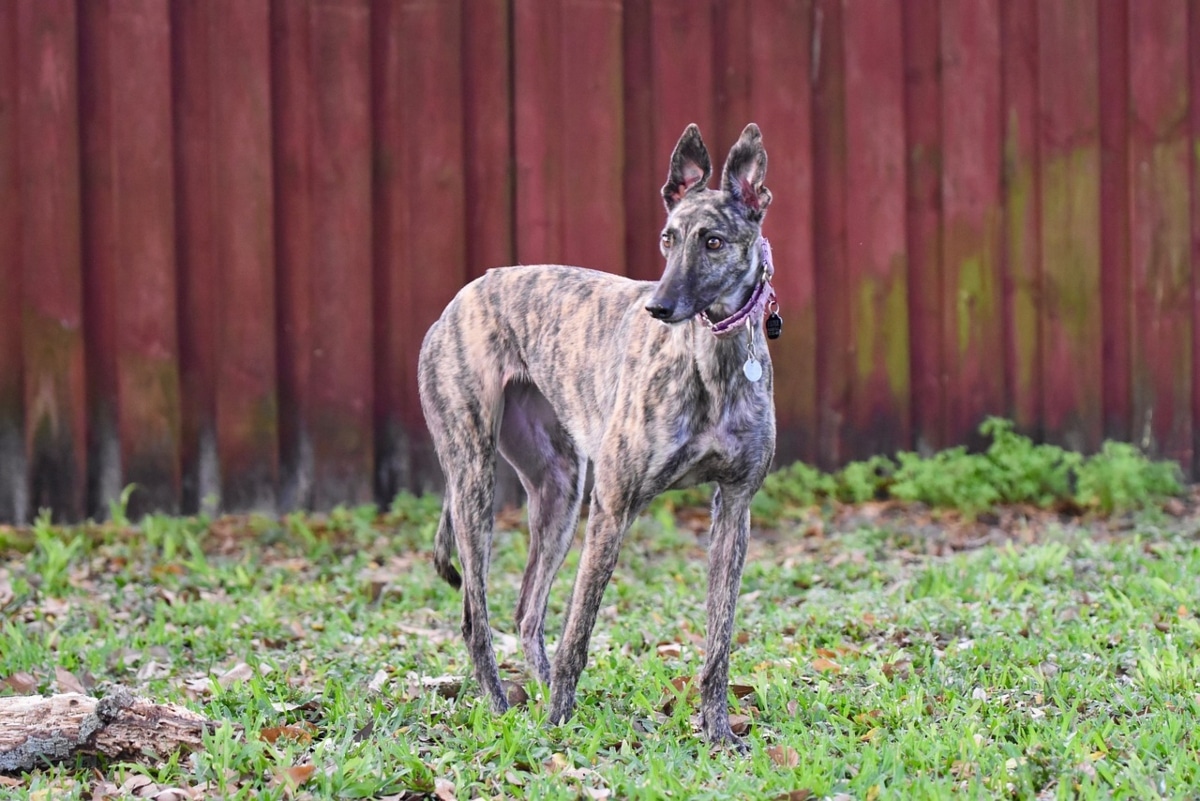
People expect Greyhounds to be high-energy athletes. In reality, most of them are 45-mph couch potatoes who’d rather nap than socialize. Retired racing Greyhounds can be especially timid because they spent their early years in kennels with very little exposure to normal household life, like vacuums, doorbells, and toddlers.
Give a Greyhound a quiet room and a soft bed, and they’ll start opening up within days. They bond deeply once they feel safe. Just don’t rush it. Forcing a nervous Greyhound into a busy dog park on day two is a recipe for a setback.
They’re gentle with kids who know how to be calm around dogs. Loud, grabby toddlers? Not a great match. But a Greyhound in a peaceful home becomes one of the most affectionate dogs you’ll ever meet.
2. Shiba Inu

The Shiba Inu doesn’t warm up to just anyone, and they’re not sorry about it. Originally bred to hunt in the mountains of Japan, Shibas are independent, alert, and selective about who earns their trust. They’ll observe a new person for weeks before deciding whether that person is worth their time.
This isn’t a dog who clings. They’re closer to cats in temperament, choosing when to give affection on their own terms. If you want a dog who greets every guest with a wagging tail, skip the Shiba. But if you appreciate a dog who watches the world with quiet intelligence and occasionally decides you’re their favorite human? There’s nothing quite like it.
Shibas need experienced owners who respect boundaries. Pushy handling makes them shut down fast. If you’re curious about dogs with a similar vibe, check out dog breeds similar to the Shiba Inu.
3. Basenji
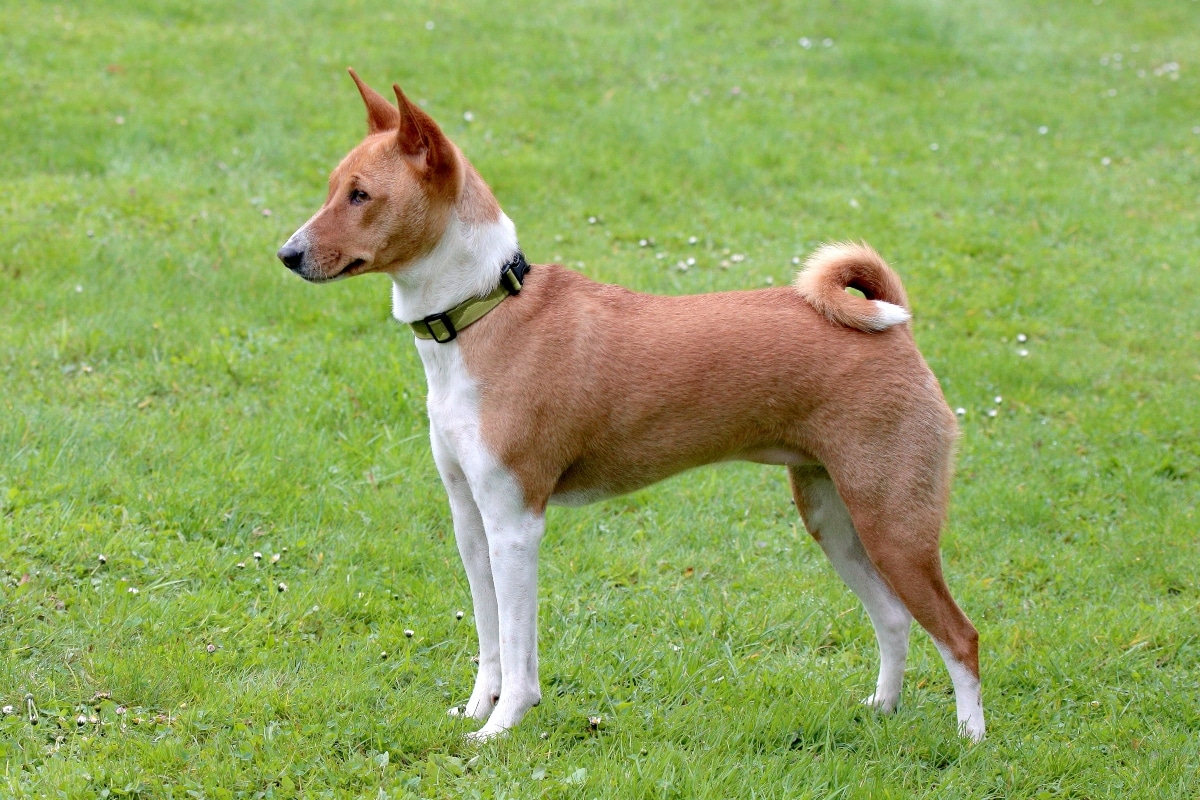
The Basenji, also called the “barkless dog,” communicates through yodels, whines, and intense stares. That alone should tell you this isn’t your average pet. These dogs trace their lineage to Central Africa, where they hunted independently alongside humans for thousands of years. Independence is baked in.
Basenjis are reserved around strangers but fiercely loyal to their person. They pick one or two humans and that’s their world. Everyone else gets polite indifference at best. They’re clean, quiet, and self-contained, which is perfect for apartment life. Just don’t leave them bored. A bored Basenji becomes a destructive Basenji in about 15 minutes.
They do best with older children who understand “don’t grab the dog.” Small kids tend to overwhelm them.
4. Afghan Hound
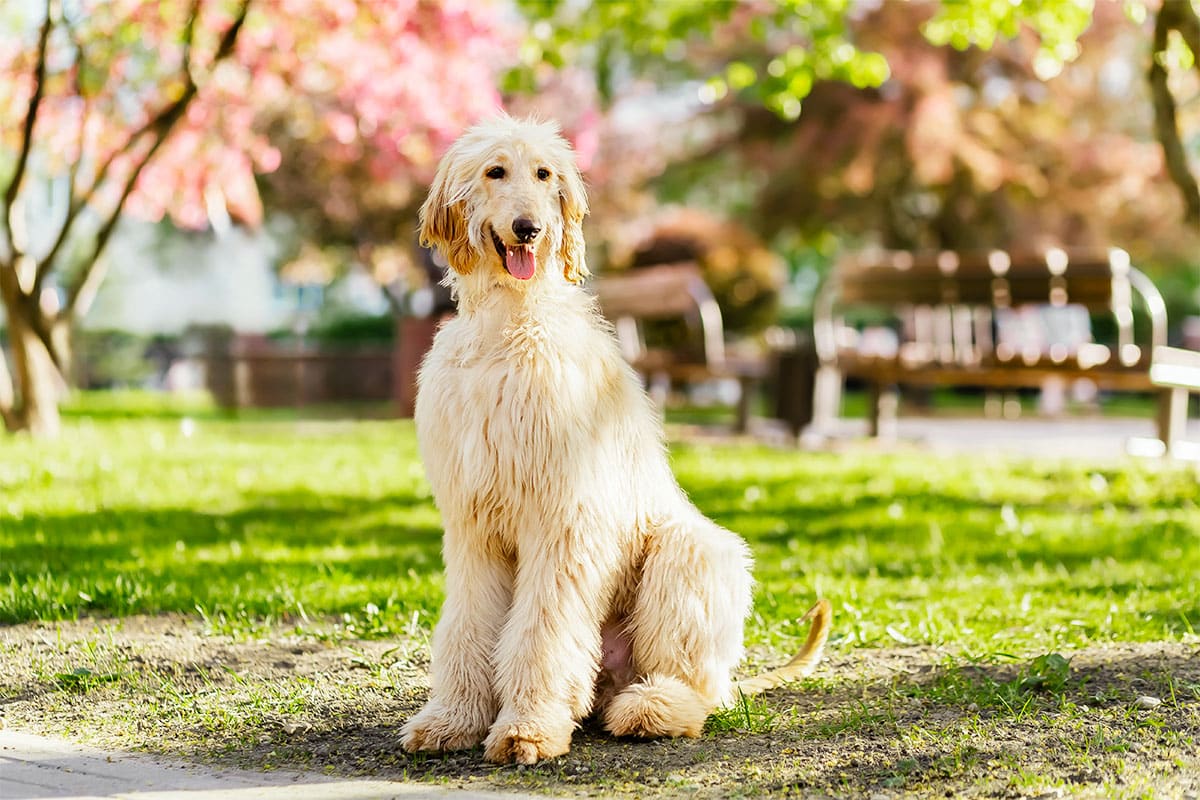
Afghan Hounds look regal, and they act like it. These dogs carry themselves with a kind of aristocratic detachment that some people mistake for stupidity. They’re not dumb. They just don’t see the point in performing for strangers.
Originally bred for coursing game across the rugged Afghan terrain, these hounds are built for speed and endurance, not obedience class. They’ll learn a command and then decide whether following it seems worthwhile today. It’s maddening and hilarious in equal measure.
Afghans are sensitive to tone and energy. Harsh corrections make them withdraw. Gentle, consistent training with plenty of patience works. They need daily grooming (that coat doesn’t maintain itself), regular exercise, and a quiet home where nobody yells much.
5. Italian Greyhound
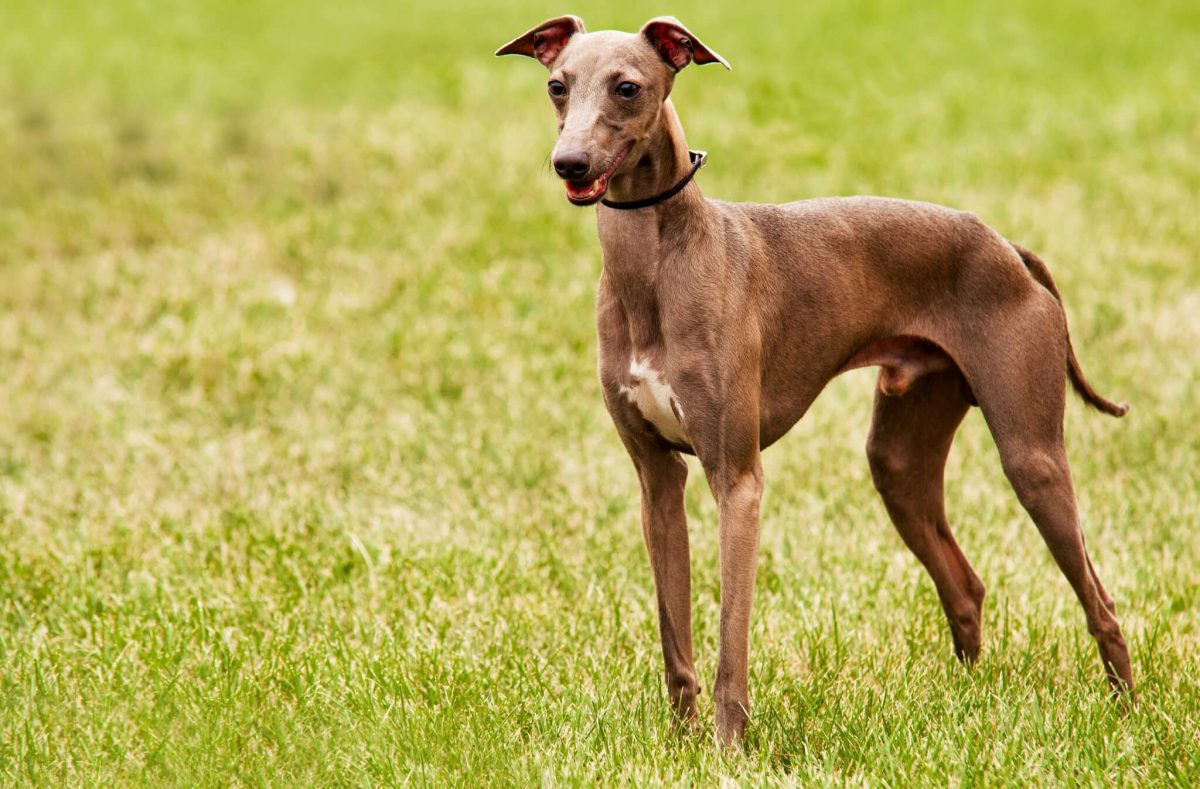
Italian Greyhounds are the smaller, more anxious cousins of the standard Greyhound. They weigh 7 to 14 pounds and feel every ounce of their fragility. Loud sounds, sudden movements, unfamiliar dogs, new environments… it all registers as potential danger.
These dogs bond intensely with their primary person and can develop separation anxiety if that bond isn’t managed carefully. They’re Velcro dogs at home and wallflowers everywhere else. If you love small dog breeds that don’t shed, the Italian Greyhound is a strong option, though they’ll need a sweater in winter because they have almost no body fat.
Best for adult-only households or homes with very gentle, older children. They’re too delicate for roughhousing.
6. Akita

Akitas are reserved with strangers and fiercely protective of their families. This is a breed that takes guarding seriously. They won’t bark at every passerby, but they’ll position themselves between you and any person they haven’t vetted yet. Quiet, watchful, and not interested in making friends with the mailman.
That loyalty runs deep. Hachiko, the famous Akita who waited at a train station for his deceased owner for nearly 10 years, isn’t just a nice story. It’s breed-typical behavior. Akitas don’t give their heart to many, but when they do, it’s permanent.
Early socialization is critical with this breed. Without it, wariness toward strangers can tip into territorial behavior. They need an owner who’s calm, consistent, and comfortable leading a 100-pound dog who has opinions.
7. Whippet
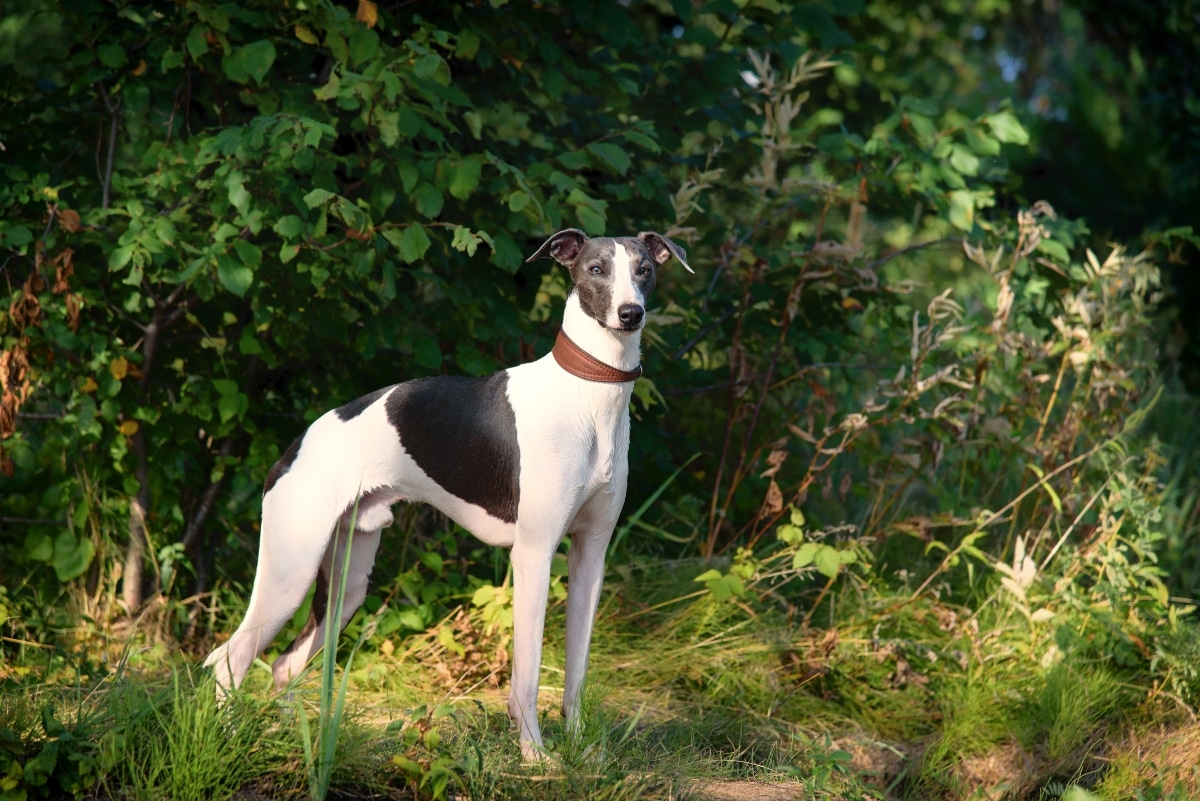
Whippets are sensitive in every sense of the word. Sensitive to cold. Sensitive to harsh voices. Sensitive to changes in routine. They pick up on your mood faster than most dogs, and they don’t hide their reactions. If you’re stressed, your Whippet is stressed.
But that sensitivity is also what makes them such excellent companions. Once a Whippet trusts you, they’re all in. They’ll curl up next to you on the couch, tuck their pointed nose under your arm, and stay there for hours. Around strangers, they’re polite but distant. No hostility, just a clear preference for the people they already know.
Whippets do well with families, including kids, as long as the household isn’t chaotic. They’re sprinters, not marathon runners, so a few short bursts of speed in the yard and they’re satisfied.
8. Borzoi
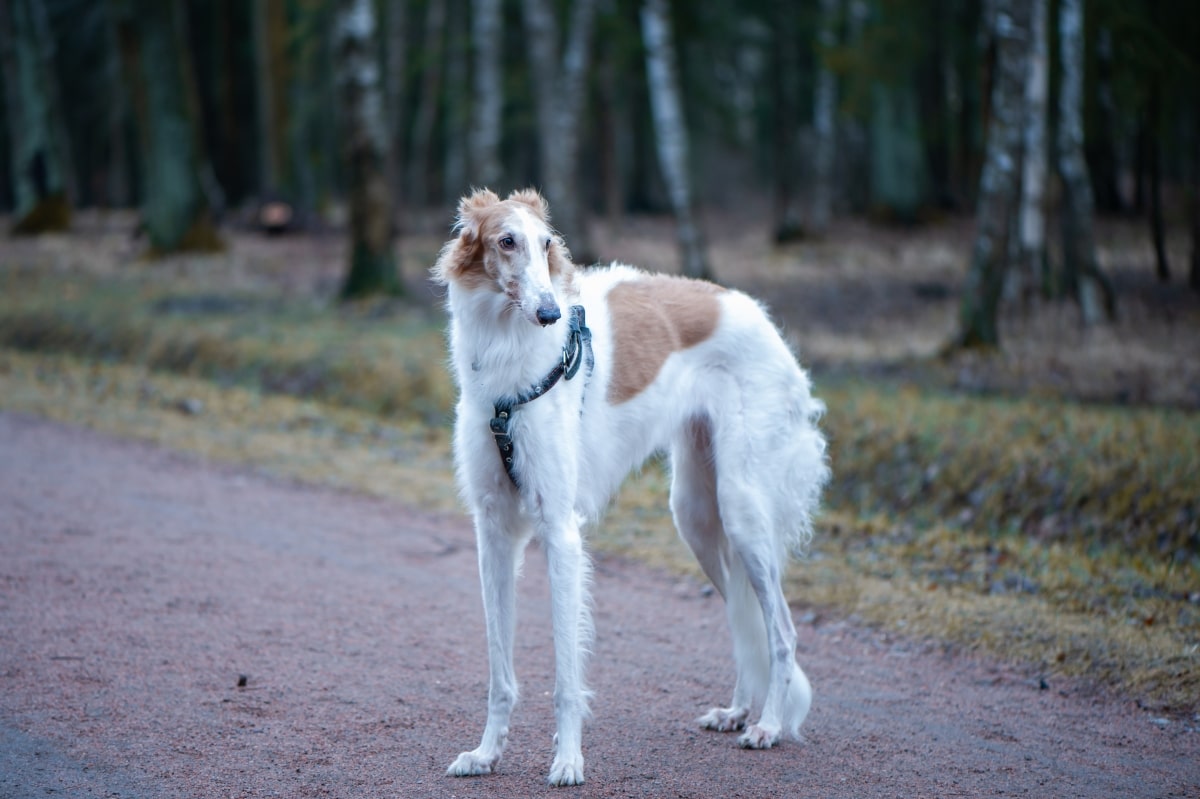
Picture a Greyhound stretched to 28 inches at the shoulder, draped in a flowing silk coat, with the personality of a retired aristocrat who’s seen it all and finds most of it tiresome. That’s a Borzoi.
These Russian sighthounds are calm, dignified, and completely unbothered by your attempts to get them excited about fetch. They’ll play when they feel like it. They’ll greet new people when they feel like it. They operate on their own timeline, and no amount of treat-bribing will speed that up.
Borzois are gentle, though. Not aggressive, not snappy, just selective. They do best in homes where the energy is low and the couches are long enough for a 60-pound dog to stretch out completely.
9. Tibetan Spaniel

Tibetan Spaniels were bred to sit on monastery walls and watch for intruders. That job description tells you everything. These are observant, alert dogs who take their sentry role seriously, even when the “intruder” is your neighbor coming over for coffee.
They warm up faster than some breeds on this list. Give them a session or two around a new person and they’ll usually relax. But the initial assessment period is non-negotiable. They’ll sit at a distance, watching. Evaluating. Deciding.
Tibbies are great for families and apartments. They’re small (9 to 15 pounds), quiet by nature, and affectionate once trust is established. If you want a lap dog who also happens to have excellent situational awareness, this is your breed.
10. Saluki
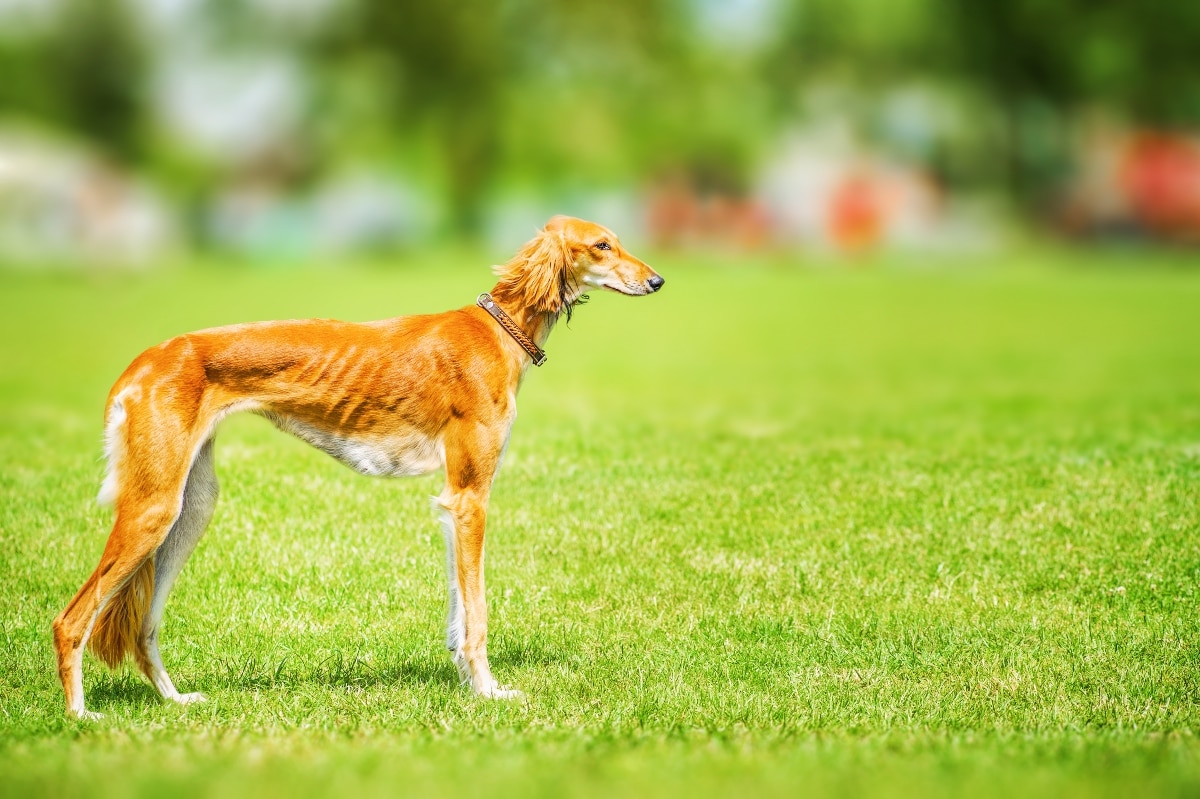
Salukis are one of the oldest dog breeds on the planet, with records going back at least 5,000 years. In the Middle East, they were treated as gifts from God, never bought or sold, only given. That reverence makes sense once you meet one. They carry themselves with a quiet grace that makes every other dog in the room look like they’re trying too hard.
They’re also deeply reserved. Salukis won’t come running when a stranger calls. They won’t perform tricks for applause. They’ll sit apart from the group, watching, and only approach when they’ve decided on their own terms.
These dogs need regular exercise (they’re fast, and they need to run), a secure yard with high fencing (they can clear a 5-foot fence without much effort), and an owner who appreciates that love from a Saluki is earned, not given freely.
11. Chinese Shar Pei
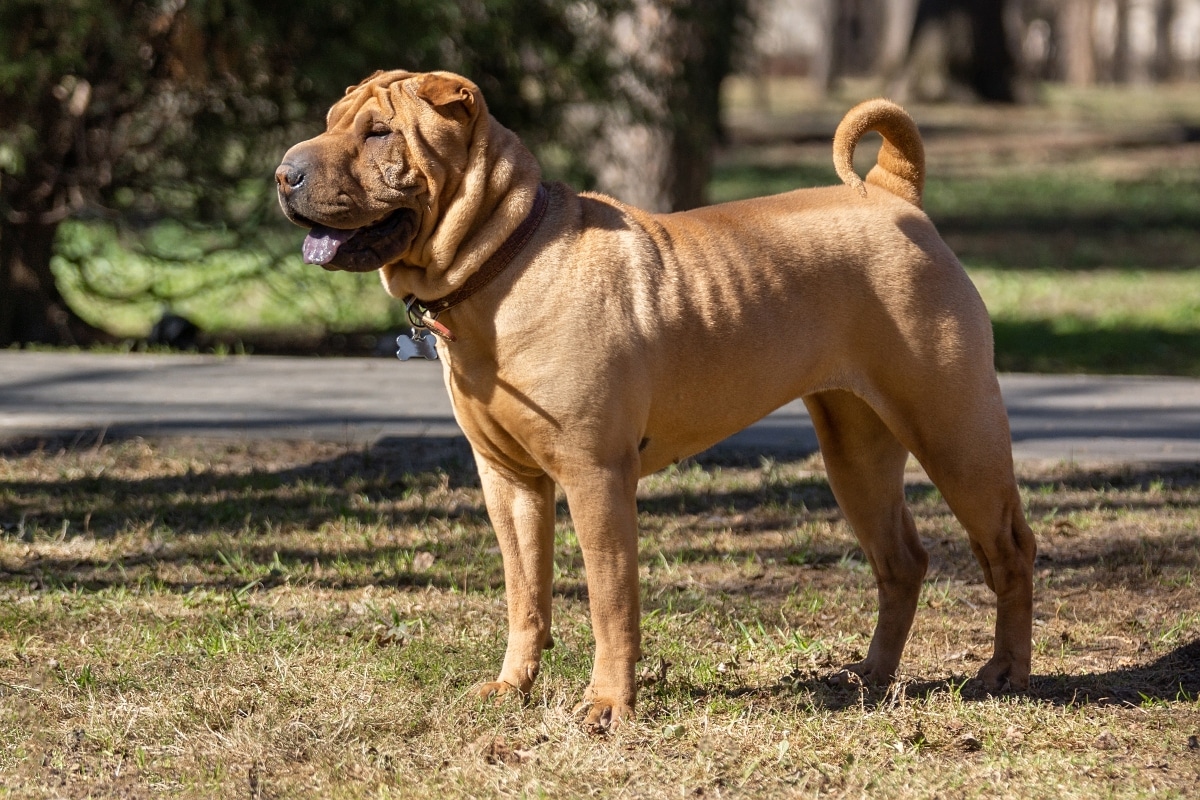
The Shar Pei’s wrinkled face might look like a permanent frown, and honestly, that matches their attitude toward strangers pretty well. These dogs are devoted to their families and suspicious of everyone else. It’s not meanness. It’s centuries of breeding as guard dogs in southern China.
Shar Peis are independent thinkers. They’ll learn what you’re asking, then decide whether they feel like complying. Training needs to be firm, patient, and reward-based. Punishment doesn’t work. It just makes them dig in harder.
They’re prone to skin issues (those wrinkles trap moisture and bacteria) and eye problems, so budget for regular vet visits. If you’re looking for dog breeds with soft temperaments and tough exteriors, the Shar Pei is the poster child.
12. Chow Chow

Chow Chows look like fluffy teddy bears. They do not act like fluffy teddy bears. These dogs are one of the most cat-like breeds out there, loyal to their family and completely disinterested in strangers. They won’t fake friendliness. If they don’t know you, they’d rather you didn’t touch them.
Chows were guard dogs and hunting companions in ancient China, and that protective instinct is still strong. They’ll alert you to anything unusual in the house without excessive barking. One look is usually enough.
They need early and ongoing socialization, regular grooming (that double coat is no joke), and an owner who respects their space. A Chow who trusts you will be loyal until the end. But they hand out that trust slowly, and never to more than a few people.
Why Shy Dogs Make Incredible Companions
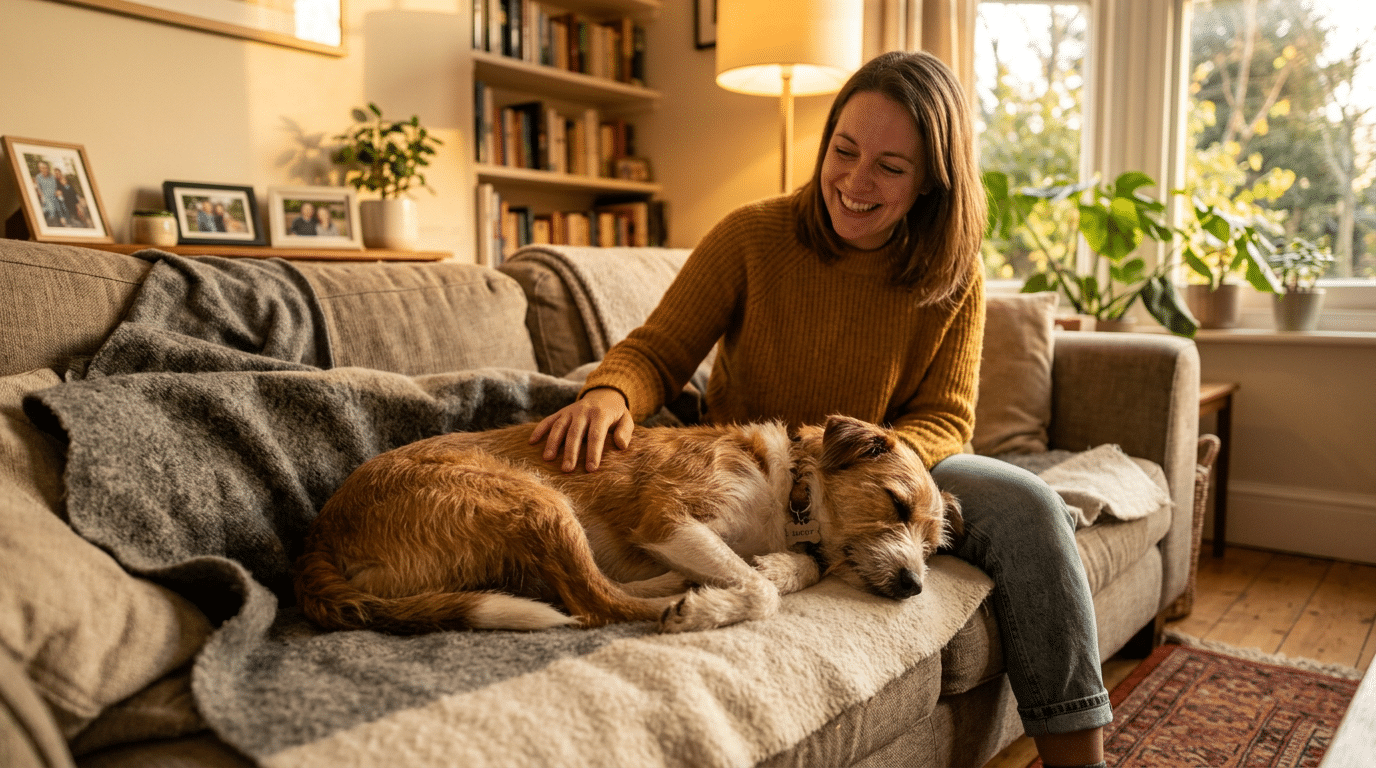
There’s a common assumption that shy dogs are somehow lesser companions than the boisterous, tail-wagging greeters. That’s wrong.
Shy dogs form deeper bonds. When a naturally cautious dog chooses to trust you, that trust means more because it wasn’t given automatically. You earned it. Every evening, they curl up next to you…every time they rest their head on your knee, it’s a conscious decision on their part.
What You Get with a Shy Dog
- ✅ Deeper bond – trust earned, not assumed
- ✅ Calmer home – no barking at every leaf
- ✅ Better reading skills – you learn to read subtle body language
- ✅ Less jumping on guests – they avoid strangers, remember?
- ✅ Quiet loyalty – they show love through presence, not noise
- ❌ Not great for – dog parks, busy events, or homes with constant visitors
Living with a shy dog also makes you a better dog owner. You learn to read subtle signals: a slightly tucked tail, a glance away, a lip lick. Those micro-expressions are easy to miss with a confident dog. With a shy one, reading body language becomes second nature.
And here’s something no one tells you: shy dogs are often calmer overall. They don’t bark at every delivery truck. They don’t leap on guests. They’re observers, not reactors. For people who value a peaceful home, shy dogs are perfect.
How to Help a Shy Dog Build Confidence
Patience is the foundation. Everything else is built on top of it.
Start with routine. Shy dogs thrive on predictability. Same feeding time. Same walk route. Same bedtime. When the world feels predictable, they have energy left over for bravery instead of spending it all on vigilance.
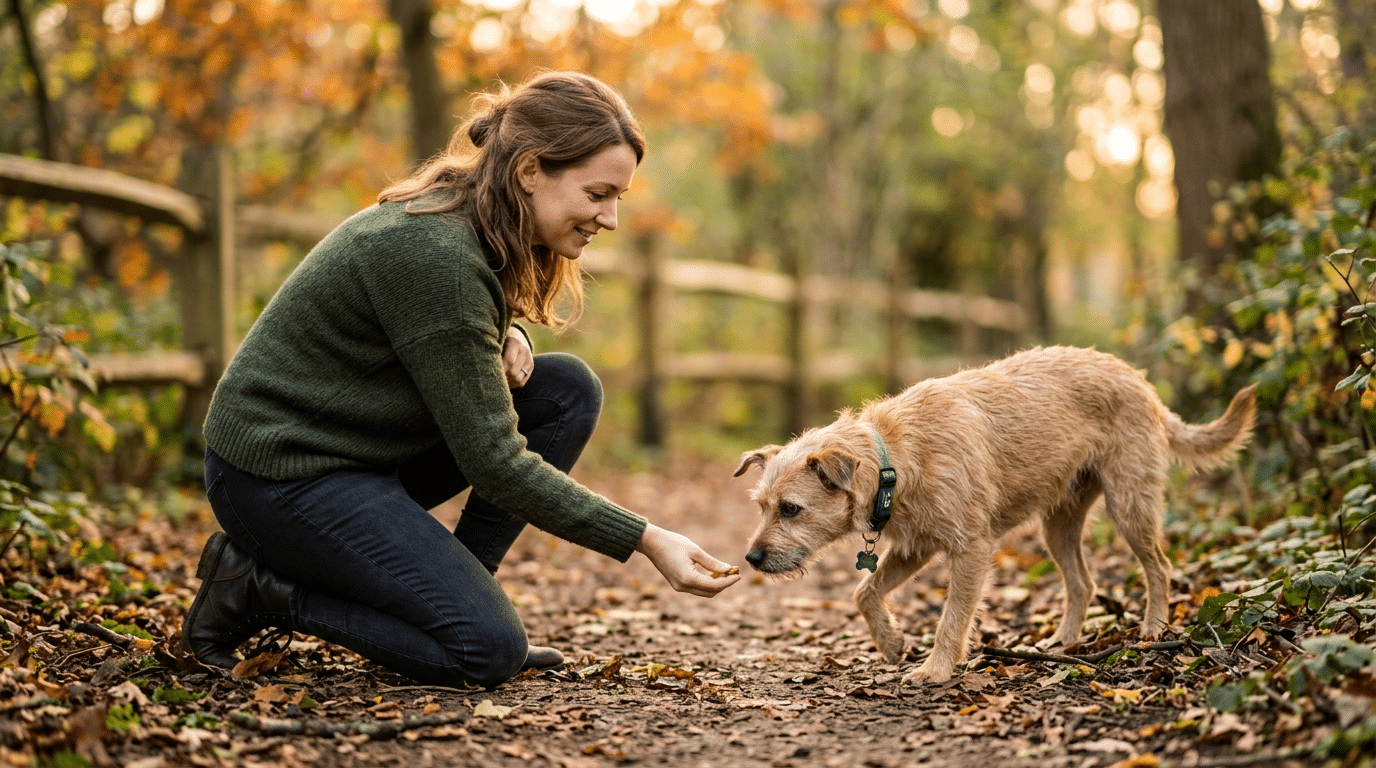
Desensitization works, but only at the dog’s pace. If your dog is nervous around strangers, don’t invite ten people over and hope for the best. Start with one calm person sitting at a distance, ignoring the dog. Let the dog approach when ready. Reward any movement toward the person with a treat. Over sessions (not minutes, sessions), decrease the distance.
A no-pull harness designed for sensitive dogs can make walks less stressful for both of you. Shy dogs often pull backward or freeze on leash when they’re overwhelmed. A well-fitted harness gives you control without adding pressure to their neck.
Avoid flooding. That’s the technical term for exposing a dog to their fear trigger at full intensity. It doesn’t build confidence. It builds trauma. Slow and steady wins this one every time.
Work with a certified dog behaviorist if the shyness seems extreme, especially if it involves aggression when cornered or panic-level fear responses. Some dogs benefit from anti-anxiety medication combined with behavioral training. That’s not a failure on your part. It’s a tool.
When Shyness Signals Something Bigger
Most shy dogs are just temperamentally cautious. But occasionally, shyness masks a medical or behavioral issue that needs professional attention.
Watch for these signs:
- Sudden onset shyness in a previously confident dog (could indicate pain, vision loss, or thyroid problems)
- Extreme fear responses like trembling, drooling, or loss of bladder control during normal activities
- Aggression when cornered, which is fear-based and needs professional intervention
- Inability to recover from a startle, even after the trigger is gone
- Refusal to eat or drink when slightly stressed
If you’re seeing any of those, call your vet. A full checkup can rule out physical causes, and your vet can refer you to a veterinary behaviorist if needed. Some shy breeds, like the Italian Greyhound and Shar Pei, are also prone to anxiety disorders that benefit from medication.
Don’t wait until the behavior escalates. Early intervention is always easier and more effective.
Frequently Asked Questions About Shy Dog Breeds
What’s the shyest dog breed?
The Chow Chow and Chinese Shar Pei are typically the most reserved around strangers. Both breeds were originally guard dogs, so wariness toward unfamiliar people is deeply ingrained. Italian Greyhounds also rank high on the shyness scale due to their sensitive, anxious temperament.
Can you train a shy dog to be more social?
You can help a shy dog become more comfortable around people and new situations, but you probably won’t turn a naturally reserved dog into a social butterfly. The goal isn’t to change their personality. It’s to reduce their anxiety so they can handle normal situations without shutting down.
Are shy dogs more likely to bite?
Fear-based aggression is real, and it’s the most common reason dogs bite. A shy dog who feels cornered or overwhelmed may snap defensively. That’s why it’s so important to respect their space and never force interactions. Most shy dogs prefer flight over fight, but take away the escape option and you’re asking for trouble.
How long does it take for a shy dog to warm up to a new home?
Expect 2 to 4 weeks for basic comfort and 3 to 6 months for a shy dog to fully relax in a new home. Some breeds, like Akitas and Chow Chows, may take even longer. The “3-3-3 rule” is a helpful framework: 3 days to decompress, 3 weeks to learn routines, 3 months to feel at home.
Should I get a shy dog if I have kids?
It depends on the breed and the kids. Whippets and Tibetan Spaniels do fine with respectful children. Breeds like Italian Greyhounds and Shar Peis are better suited to homes with older kids or adults only. The key question isn’t whether the dog can handle kids. It’s whether your kids can handle a dog who needs space and patience.
Do shy dogs get along with other pets?
Many shy breeds get along fine with other dogs, especially if they’re introduced slowly. Sighthounds like Greyhounds, Whippets, and Borzois often do well in pairs. Breeds with strong guarding instincts (Akitas, Chow Chows, Shar Peis) can be more challenging with other dogs and typically prefer being the only pet.
Is my dog shy or just poorly socialized?
Both can look the same on the surface, but the distinction matters. A genetically shy dog was cautious from birth and remains that way regardless of exposure. A poorly socialized dog may have been confident as a young puppy but became fearful due to a lack of positive experiences during the critical 3-to-14-week socialization window. A vet or behaviorist can help you figure out which applies to your dog.
The Dog Who Chose You
Shy dogs don’t love less. They love differently. Quieter. Deeper. With a selectiveness that makes their affection mean something.
Living with a cautious breed teaches you things a confident, easy-going dog never would. You learn patience that sticks. You learn to read an animal’s emotional state from the angle of their ears. You learn that trust isn’t a switch you flip. It’s something you build, day by day, by being consistent, calm, and present.
If you’re thinking about bringing home one of these 12 breeds, go in with realistic expectations. They won’t greet your friends at the door. They might hide during parties. They’ll probably take months to fully relax in your home. And when they finally do? When they lean their full weight against your leg and close their eyes? That’s the reward. Every cautious step was worth it.
For more on breeds that march to their own beat, check out our guide to dogs with strong opinions about everything. You’ll notice some familiar faces.
 Toledo, United States.