
For some shelter dogs, finding a forever home takes far longer than anyone hopes. Days turn into weeks, weeks become months, and some dogs spend years watching other animals leave with new families while they continue waiting for someone to choose them. Often, the reasons aren’t about anything the dogs have done wrong, but about the questions potential adopters don’t know how to answer.
What breed is this dog? How big might they get? Could they have inherited health conditions? Those uncertainties can make adopting feel intimidating, especially when a dog’s history is largely unknown. Now, a program from canine DNA testing company Embark is helping shelters answer some of those questions, and its early results suggest that a little more information could make a meaningful difference for dogs who have waited the longest.

A New Approach to Helping Overlooked Shelter Dogs
In 2025, Embark launched an initiative called Long Stay, No Longer, designed specifically for dogs who had spent extended periods in shelters without finding permanent homes. Rather than relying only on traditional adoption profiles, the program gives participating shelters access to genetic information that can help them tell each dog’s story in greater detail.
Through its Shelter & Rescue Program, Embark provided free DNA tests for 75 long-stay dogs. These weren’t necessarily dogs who needed to become more lovable or more deserving of adoption, but animals who needed additional opportunities to connect with the right people.
DNA testing can provide information about a dog’s breed ancestry, certain inherited health risks, physical traits, and potential genetic relatives. Shelters can use those results to create more informative adoption profiles and help prospective families better understand the dogs they’re considering.
The goal is simple: replace some of the uncertainty surrounding adoption with useful information. For dogs who have been overlooked for months or years, that extra insight may help a potential adopter finally see a promising match.
Half the Dogs Found Homes Within Just 10 Weeks
When Embark shared an update in March 2026, the early results were encouraging. According to the company, participating dogs had spent an average of approximately 1.5 years in shelter care before receiving their DNA tests. Yet within just 10 weeks of receiving their results, one in two of those dogs had found homes.
For animals who had already spent so long waiting, that represented a remarkable change in their circumstances. The program gave shelters new information to share and another opportunity to introduce these dogs to potential adopters.
The findings are promising, although they don’t establish that DNA testing alone caused the adoptions. Embark also helps participating shelters promote the dogs through social media, and several factors may contribute to a successful placement.
Still, the results highlight an interesting possibility. Sometimes, helping an overlooked dog find a home may begin with helping people understand that dog a little better.

Buckley Waited Two Years for Someone to Choose Him
One of the dogs featured in Embark’s initiative is Buckley, a shelter resident who had been waiting approximately two years for a permanent home. Buckley was described as a Supermutt, meaning his ancestry included a mixture of breeds that couldn’t be neatly summarized by a single breed label.
He also had cerebellar hypoplasia, a neurological condition involving underdevelopment of the cerebellum, the part of the brain that helps coordinate movement. Dogs with this condition may have unusual movements or difficulty with balance, but the condition itself is generally considered nonprogressive.
For prospective adopters unfamiliar with Buckley’s condition, his medical history may have raised questions about what his future would look like. Understanding whether a condition is inherited or likely to progress can be an important part of making an informed adoption decision.
Through Long Stay, No Longer, Buckley received a free Embark DNA test. According to Embark, the results helped clarify that his condition wasn’t linked to an identified genetic cause and was not expected to worsen.
It’s important to note that a DNA test cannot independently rule out every possible genetic cause or establish whether a neurological condition will progress. In Buckley’s case, Embark presented the findings as reassuring information that helped potential adopters feel more confident about his future. And after two years of waiting, Buckley’s story finally changed. Just two months after receiving his DNA results, he found his forever home.
Why Knowing a Dog’s Breed Mix Can Help Adopters
Many shelter dogs arrive without detailed histories, especially when they’ve been found as strays or transferred between organizations. Their exact ancestry, family background, and potential inherited health risks may be unknown.
For some adopters, those unanswered questions can create hesitation. They may want to know whether a dog has ancestry associated with certain physical traits or whether genetic screening identifies health risks worth discussing with a veterinarian.
DNA testing can help provide part of that picture. Breed ancestry results may reveal unexpected combinations, while genetic health screening can identify certain inherited variants that could be relevant to a dog’s care.
However, DNA results aren’t a crystal ball. Breed ancestry alone cannot reliably predict an individual dog’s personality, behavior, compatibility with children, or ability to live with other pets. Those questions still require careful observation, behavioral assessments, conversations with shelter staff, and time getting to know the individual dog. Genetic information is most useful when treated as one part of a larger picture rather than a substitute for understanding the animal.
For shelters, though, even a few additional details can help create a more complete adoption profile. And for a potential adopter, learning something new about a dog may be enough to encourage a closer look.
How Long Stay, No Longer Works
Embark designed the initiative to make participation relatively straightforward for eligible shelters and rescues. Organizations already involved in its Shelter & Rescue Program can nominate long-stay dogs for consideration once per quarter. Selected dogs receive free DNA test kits, and shelter staff collect samples using a cheek swab. The samples are then mailed to Embark’s laboratory for analysis.
According to the company, results typically arrive in approximately two weeks. Shelters can then use the information to update adoption profiles, discuss relevant findings with prospective adopters, and highlight details that make each dog unique.
Embark also helps amplify the dogs’ stories through social media, potentially introducing them to people who might never have encountered their original adoption listings. That added exposure can be especially valuable for animals who have spent a long time waiting.
The initiative is part of Embark’s broader Shelter & Rescue Program, which works with organizations in the United States and Canada. Participating shelters can access discounted testing and other resources intended to support adoption and animal care.
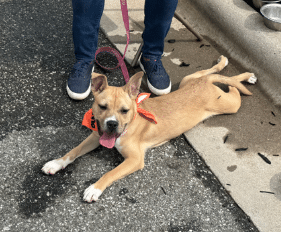
Every Shelter Dog Deserves a Chance to Be Seen
One of the most heartbreaking parts of long-term shelter stays is that a dog can be a wonderful companion and still struggle to find the right family. Sometimes, an animal simply hasn’t been introduced to someone whose home, lifestyle, and expectations are a good match.
Programs like Long Stay, No Longer offer shelters another way to tell those dogs’ stories. Instead of describing an animal only by an estimated breed or a brief personality summary, they can share additional information that may help adopters ask better questions and make more informed decisions.
For someone considering adoption, the most important step is still getting to know the individual dog. Spending time together, speaking with shelter staff, and understanding the animal’s needs can reveal far more about compatibility than any single test result. But when DNA information is combined with thoughtful adoption counseling and greater visibility, it may help some long-overlooked dogs finally connect with the families they’ve been waiting for.
Buckley’s journey is a beautiful example. After two years in a shelter, he received another opportunity to show potential adopters who he was, and soon afterward, he was heading home.
A Little More Information Could Lead to More Forever Homes
For the dogs participating in Embark’s Long Stay, No Longer initiative, a cheek swab became the beginning of a new chapter. The test results didn’t change who the dogs were, but they gave shelters another way to help potential families understand them.
The company’s early results suggest the approach is worth exploring further, particularly for animals who have already spent months or years waiting. While additional research would be needed to determine exactly how much DNA testing contributes to adoption outcomes, the number of participating dogs finding homes is encouraging.
And for dogs like Buckley, the impact is much more personal than a statistic. It’s the difference between another day of waiting and finally settling into a home of their own. Every shelter dog has a story worth telling, even when much of their past remains a mystery. Sometimes, discovering a little more about that story can help the right person recognize the companion they’ve been looking for all along.
This content was created with AI assistance and edited by the iHeartDogs team.
 Toledo, United States.