
Your dog rides shotgun, claims the back seat, or sticks their head out the window like they own the road. But what happens if you have to slam on the brakes? An unrestrained dog can become a projectile in a collision, putting both your pup and everyone else in the car at serious risk.
Crash-tested dog harnesses exist specifically for this reason. They’re designed to keep your dog secure during sudden stops or accidents, absorbing impact the way a seatbelt does for humans. Not all harnesses are created equal, though. Some have been through real crash simulations and earned independent safety certifications, while others just look the part.
Here’s what to know before you buy, plus the top-rated options worth considering.

Top-Rated Crash-Tested Dog Harnesses for Safe Car Travel in 2026
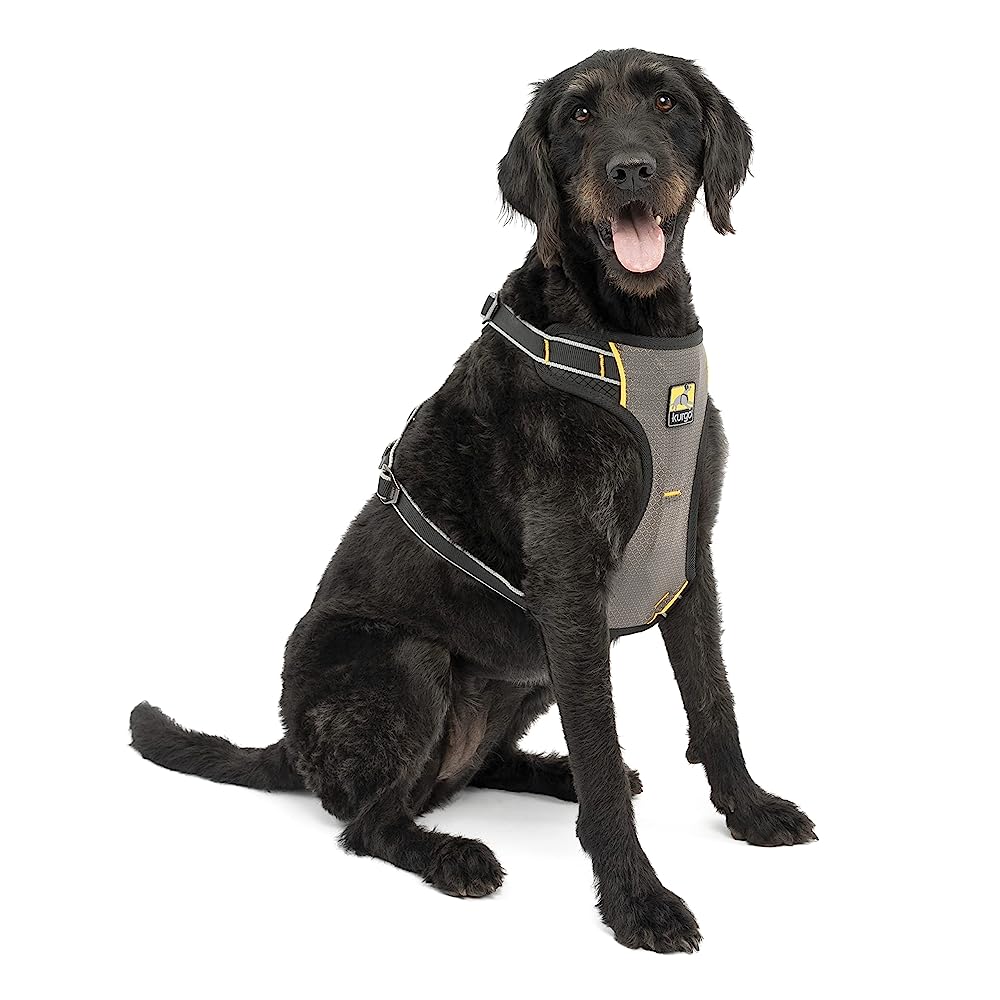
Kurgo Tru-Fit Enhanced Strength Dog Harness
Kurgo’s Tru-Fit is one of the most popular crash-tested options on the market, and for good reason. It’s rated for dogs up to 75 lbs and includes a seatbelt tether right in the box. The adjustable straps let you fine-tune the fit, and the padded chest plate helps distribute force across your dog’s body instead of concentrating it on one spot. You can also clip a leash to the front D-ring for no-pull walks, so it pulls double duty.


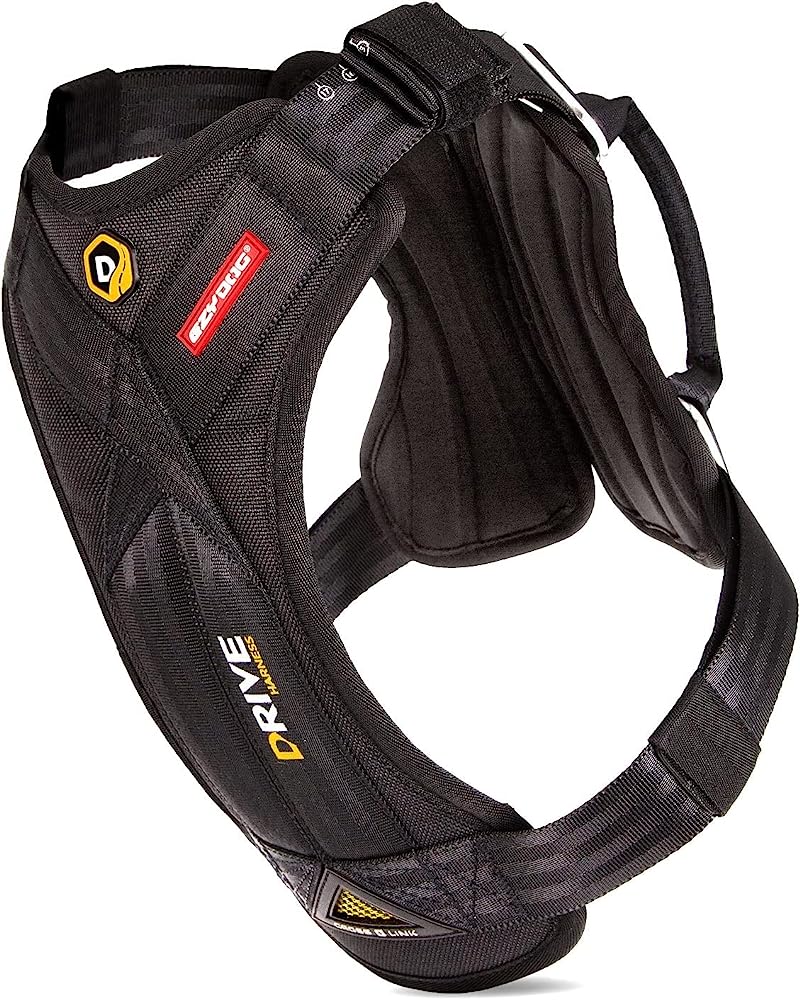
EzyDog DRIVE Dog Car Harness
The EzyDog DRIVE is certified under FMVSS 213, the same federal standard used for child car seats. That alone sets it apart from most competitors. It’s built with aluminum alloy hardware for strength without bulk, and the one-time-fit design means you adjust it once and then just clip your dog in for every ride after that. Quick on, quick off. If your dog hates fussy buckles, this one’s worth a look.
Sherpa Seatbelt Safety Harness
Sherpa’s crash-tested harness converts from a car restraint to a no-pull walking harness in seconds. That’s a real convenience factor if you’re traveling and don’t want to carry two separate pieces of gear. The seatbelt-style straps secure through your car’s existing belt system, and the adjustable fit works for a range of body types. It’s a practical pick for dogs who go from car to trail without much downtime.

Kurgo Impact Dog Car Harness
Kurgo’s Impact harness takes a slightly different approach than their Tru-Fit model. It integrates directly with your car’s seatbelt system using a tether loop, so there’s no separate attachment to manage. The all-steel buckle system and padded chest plate handle the safety side, while the lightweight design keeps things comfortable for longer drives. Available in multiple sizes for dogs of different weights.
What to Look For in a Crash-Tested Dog Harness
Not every harness labeled “crash-tested” actually passed an independent safety test. Here’s what actually matters when you’re shopping:
Key Features to Check
- Independent certification: Look for harnesses tested by the Center for Pet Safety or certified under FMVSS 213. Marketing claims without third-party testing don’t mean much.
- Proper fit: Snug but not tight. You should be able to slide two fingers between the harness and your dog’s body.
- Strong materials: Reinforced nylon webbing, steel or aluminum hardware. Plastic buckles can fail under crash forces.
- Chest plate padding: Distributes impact across a wider area instead of concentrating it on narrow straps.
- Car compatibility: Make sure it works with your vehicle’s seatbelt or LATCH system before buying.
Comfort matters too. A harness your dog refuses to wear is a harness that stays in the closet. Padding in the chest and shoulder areas goes a long way, especially on road trips. And if you can find one that doubles as a walking harness, that’s one less thing to pack.
Some dogs do better with a gradual introduction to car rides, so give your dog time to adjust to wearing the harness in the car before a long trip.
Frequently Asked Questions About Crash-Tested Dog Harnesses
1. What does “crash-tested” actually mean for a dog harness?
It means the harness was put through simulated crash conditions, typically at speeds of 30 mph or higher, to see how it performs under real impact forces. The best ones are tested by independent labs like the Center for Pet Safety, not just by the manufacturer.
2. Do I really need a crash-tested harness, or is a regular one fine?
Regular harnesses aren’t built to handle crash forces. In a 30 mph collision, a 60-pound dog generates roughly 2,700 pounds of force. A standard walking harness will snap or fail. Crash-tested models are reinforced to handle that kind of impact.
3. How should the harness fit my dog?
Snug enough that it won’t shift during a stop, but loose enough that your dog can breathe and sit comfortably. Two fingers between the harness and your dog’s body is the standard check. If it’s too loose, it won’t restrain properly in an accident.
4. Can my dog wear a crash-tested harness for walking too?
Some models, like the Sherpa and Kurgo Tru-Fit, include leash attachment points and work as both car restraints and walking harnesses. Check the product details before assuming yours does both.
5. How often should I replace a crash-tested harness?
Inspect it regularly for fraying, stretched webbing, or cracked hardware. Replace it immediately after any accident, even if it looks undamaged. The internal structure may be compromised. Under normal use, most manufacturers recommend replacing every 2-3 years.
Keeping Your Co-Pilot Safe on Every Drive
Your dog trusts you with every car ride. A crash-tested harness is one of the simplest ways to honor that trust. Pick the right fit, buckle them in, and you’ll both travel with a lot more peace of mind.
If you’re planning a road trip with your dog, a quality harness should be at the top of your gear list. It’s a small investment that could save your dog’s life.
 Toledo, United States.