
If your dog won’t stop scratching their ears, licking their paws, or rolling around trying to reach a spot on their belly, a yeast infection could be the culprit. Dog yeast infections are more common than most owners realize, and they’re often mistaken for simple allergies or dry skin. The good news: once you know what to look for, they’re not hard to spot, and most cases respond well to treatment.
- The most common culprit is Malassezia pachydermatis, a yeast that lives naturally on dog skin
- Yeast overgrowth most often affects ears, paws, skin folds, and belly
- Chronic yeast infections are frequently linked to underlying food allergies
- Dogs with hypothyroidism, Cushing’s disease, or a weakened immune system are at higher risk
- A vet must confirm the diagnosis before treatment begins
- Without treating the root cause, yeast infections typically keep coming back
What Is a Yeast Infection in Dogs?
Yeast is a type of fungus, and a small amount of it lives on every dog’s skin and in their ears without causing any issues. Problems start when something disrupts the balance, allowing yeast to multiply rapidly. The two most common types of yeast responsible for dog infections are Malassezia pachydermatis (a skin and ear yeast) and Candida (more commonly associated with the digestive tract and urinary system).
Yeast loves warm, moist environments. That’s why ear canals, skin folds, paw pads between the toes, and areas around the tail base or groin are the spots most likely to be affected. Once yeast takes hold in one of these areas, it produces waste products that irritate the skin and create the redness, smell, and itching that owners usually notice first.
The tricky part is that the symptoms can look a lot like other skin conditions, including bacterial infections, contact dermatitis, or seasonal allergies. Yeast infections in dogs are rarely one-and-done situations, either. If you don’t identify and address the underlying trigger, the infection tends to cycle back within weeks.
How to Tell If Your Dog Has a Yeast Infection
Yeast infections don’t look the same on every dog, and they don’t always appear in the same location. That said, there are some patterns that show up consistently. Here’s what to watch for:
Intense, persistent itching. Not just a quick scratch here and there. Yeast infections cause relentless itching that makes dogs scratch, lick, chew, and bite at themselves repeatedly. If your dog seems obsessed with a particular spot, that’s a red flag.
Musty or “corn chip” smell. This is one of the most reliable signs of a yeast problem. Many owners describe it as a sweet, musty, or bread-like odor. The smell comes from the metabolic byproducts of yeast as it multiplies. If your dog smells a little funky even after a bath, yeast is a likely explanation.
Redness, greasiness, or thickened skin. Infected areas often look red, greasy, or irritated. In chronic cases, the skin can thicken and take on a darker, almost elephant-skin appearance. Hair loss around the affected area is common too.
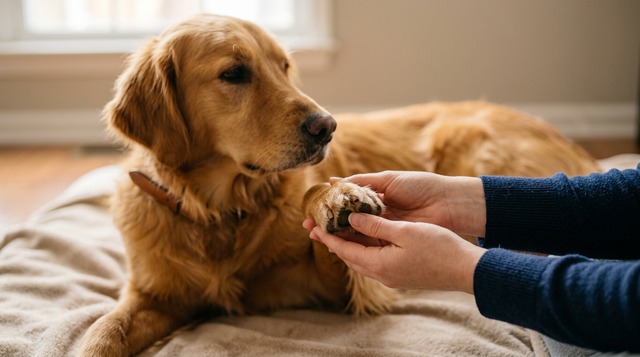
Excessive paw licking. Constant paw licking is a telltale sign of yeast between the toes. The paws may look red or brownish-stained between the pads, especially on light-colored dogs. Some dogs will chew at their paws until they bleed.
Head shaking or ear scratching. Yeast in the ear canal causes discomfort that dogs express by shaking their heads or pawing at their ears. You might also notice a dark, waxy discharge and a yeasty or sour smell coming from the ear.
Yeast Infections in Dog Ears
Ear yeast infections are one of the most frequent reasons dogs end up at the vet. The ear canal’s warm, enclosed environment is practically a perfect incubator. Dogs with floppy ears, like Cocker Spaniels, Basset Hounds, and Labrador Retrievers, are especially prone because their ear flaps restrict airflow.
Signs of an ear yeast infection include dark brown or black waxy discharge, a strong odor, redness inside the ear flap, and obvious discomfort when you touch the ear. Some dogs become head-shy or yelp when their ears are handled. In severe cases, the horizontal ear canal can become almost completely blocked with debris.
Ear infections in dogs can be caused by bacteria, yeast, or a combination of both. A vet needs to look at a sample under a microscope (called a cytology) to know for sure what you’re dealing with before prescribing treatment. Using the wrong treatment can make things worse or create antibiotic resistance.

Yeast Infections on Dog Skin and Skin Folds
Skin yeast infections in dogs often start small, showing up as a patch of redness or a greasy area of skin. Over time, with repeated scratching and licking, the skin becomes irritated, and secondary bacterial infections can develop on top of the yeast.
The most vulnerable spots are anywhere that skin traps moisture: under skin folds on Bulldogs, Shar Peis, and other wrinkly breeds; the belly and groin area; between the toes; around the tail base; and the area around the genitals. Dogs who’ve been on long-term antibiotics or steroids are at higher risk because those medications can disrupt the natural bacterial balance that normally keeps yeast in check.
You’ll often see a combination of symptoms in skin yeast cases: redness, itching, a greasy or oily texture, and sometimes a crust or scaly appearance. Chronic skin yeast infections can also cause the skin to become hyperpigmented (darkened) in affected areas. If your dog has itchy, discolored skin that keeps flaring up and clearing only partially with treatment, an underlying yeast problem may be why. The natural remedies for itchy dog skin article covers some supportive care options worth exploring.
What Causes Yeast Infections in Dogs?
Yeast infections don’t come out of nowhere. Something has to tip the balance and let the yeast population get out of control. The most common triggers include:
- Food allergies dietary triggers inflame the gut lining and disrupt immune balance, creating ideal conditions for yeast
- Environmental allergies grass, mold, pollen, and dust mites can cause ongoing inflammation
- Antibiotic use kills beneficial bacteria that compete with yeast
- Steroid or immunosuppressant therapy lowers the immune defenses that control yeast populations
- Diabetes or Cushing’s disease high blood sugar feeds yeast growth
- Hypothyroidism slows metabolism and affects skin barrier function
- Chemotherapy suppresses the immune system broadly
- Hot, humid weather warm, moist skin is a yeast paradise
- Skin injuries or parasites disrupt the skin barrier and allow yeast to take hold
Food allergies deserve a special mention here because they’re one of the most under-recognized causes of recurrent yeast infections in dogs. When a dog reacts to a protein in their food (chicken, beef, and dairy are common culprits), the resulting inflammation affects the whole body, including the skin and gut. A dog with food allergies doesn’t necessarily vomit or have loose stools, but they may have persistent ear infections, paw licking, or itchy skin that never fully resolves. Senior dogs, especially, may develop food sensitivities that manifest as recurring skin or ear problems.
Gut health matters here, too. A disrupted microbiome makes it easier for yeast to proliferate, both in the intestines and on the skin. Digestive enzyme supplements and probiotics are sometimes used alongside medical treatment to help restore that balance.
Which Dogs Are Most at Risk?
Any dog can get a yeast infection, but some are more prone than others due to their anatomy, coat type, or breed-specific health tendencies.
Breeds with skin folds, such as Bulldogs, Shar Peis, Basset Hounds, and Mastiffs, have skin that traps moisture in the folds, creating warm pockets where yeast thrives. These dogs need regular fold cleaning as part of routine grooming.
Breeds with floppy ears, such as Cocker Spaniels, Golden Retrievers, Beagles, and Dachshunds, have ear canals with limited airflow. Ear yeast infections are almost a chronic condition for some of these breeds without consistent preventive ear care.
Dogs with allergies, any dog with environmental or food allergies, is at significantly higher risk. The inflammation from allergies compromises the skin’s natural defenses. If your dog has recurring yeast infections, this is the first underlying cause worth investigating.
Dogs on long-term medications, particularly steroids like prednisone, which suppress the immune response. Some dogs need steroids to manage their allergies, but long-term use creates an ongoing yeast risk that requires monitoring.
How Vets Diagnose a Dog Yeast Infection
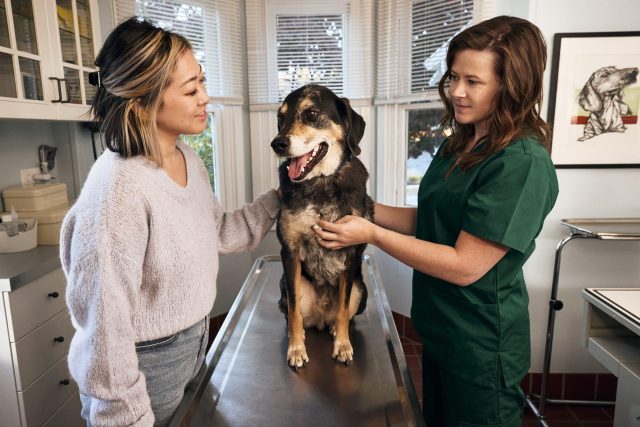
Diagnosis usually starts with a physical exam and a review of your dog’s symptoms and medical history. From there, your vet will likely perform one or more of the following tests:
Cytology (skin or ear swab). This is the go-to diagnostic tool. Your vet will take a swab from the affected area and look at it under a microscope. Yeast cells have a distinctive shape that’s easy to identify. This test also shows whether bacteria are present alongside the yeast, which affects treatment.
Impression smear. A piece of tape or a glass slide is pressed against the skin and then stained. The yeast cells stick to the tape or slide and can be examined under a microscope.
Culture and sensitivity. In chronic or treatment-resistant cases, your vet may send a sample to a lab to identify the exact species and determine which antifungal medications are most effective.
Don’t skip the diagnosis step and go straight to treatment. Bacterial skin infections and yeast infections look similar from the outside, and the treatments are completely different. Using an antifungal on a bacterial infection (or vice versa) wastes time and lets the actual infection get worse.
Treatment Options for Dog Yeast Infections
Treatment depends on the location and severity of the infection and whether there’s an underlying cause to address at the same time. Your vet will typically recommend one or more of the following:
Topical antifungal medications. These come as shampoos, sprays, wipes, or creams. Medicated shampoos containing ketoconazole, miconazole, or chlorhexidine are commonly prescribed for skin yeast infections. For most skin cases, weekly medicated baths are part of the treatment protocol, sometimes for 4-8 weeks.
Ear drops. For ear infections, your vet will prescribe antifungal ear drops. Some formulas also contain a corticosteroid to reduce inflammation and a cleaner to remove debris from the canal. Most ear treatments are applied once or twice daily for 1-2 weeks, though chronic cases may need longer courses.
Oral antifungal medications. Systemic infections, stubborn cases, or widespread skin involvement may require oral antifungals like fluconazole, ketoconazole, or itraconazole. These are prescription-only and can have side effects, particularly on the liver, so follow-up bloodwork may be recommended during long-term treatment.
Addressing the underlying cause. This step is where most cases succeed or fail long-term. If food allergies are driving the yeast, switching to a limited-ingredient or novel protein diet may dramatically reduce flares. If the issue is anatomical (skin folds or ear shape), ongoing maintenance cleaning becomes part of the routine. If steroids are the trigger, your vet may explore alternative allergy treatments to reduce reliance on them.
Some dogs with compulsive licking behavior linked to skin discomfort need help breaking the itch-lick-scratch cycle even after the yeast is cleared. Your vet may recommend an e-collar during treatment to prevent re-infection from licking.
Home Care and Prevention Tips
Prescription treatment handles the active infection, but there’s a lot you can do at home to prevent recurrence and support your dog’s recovery.
Keep affected areas clean and dry. After walks in wet weather or baths, dry your dog thoroughly, especially in skin folds, between toes, and inside ear flaps. A blow dryer on a low, cool setting works well for drying ear canals gently.
Clean ears regularly. For dogs prone to ear infections, weekly ear cleaning with a vet-approved ear cleaner helps remove wax and debris before it becomes a problem. Don’t use cotton swabs deep in the canal, as this can push debris further in. If your dog licks or chews their paws constantly, check between the toes for signs of yeast weekly too.
Support gut health. A healthy gut microbiome helps keep yeast in check throughout the body. Talk to your vet about adding a quality probiotic designed for dogs. Avoiding unnecessary antibiotics also helps preserve the beneficial bacteria that compete with yeast.
Consider a dietary evaluation. If your dog has recurring yeast infections and you haven’t done a food trial, it may be worth exploring. An elimination diet, where your dog eats a single novel protein and carbohydrate for 8-12 weeks, is the gold standard for identifying food allergies. Your vet can guide you through the process.
Limit moisture-trapping conditions. In hot, humid weather, try to keep your dog’s coat trimmed in areas that trap moisture, and make sure they’re not sitting in damp grass or wet bedding for long periods.
When to Call the Vet
Not every itchy dog needs an emergency appointment, but some situations warrant a call sooner rather than later:
- The infection doesn’t improve after a week of treatment
- Your dog seems to be in significant pain or is crying when you touch the affected area
- The skin is broken, bleeding, or showing signs of a secondary bacterial infection (pus, swelling, warmth)
- Your dog is shaking their head so vigorously they’re at risk of an aural hematoma (a blood blister in the ear flap)
- The infection is in or near the eye
- Symptoms spread rapidly or your dog stops eating or acting normally
Recurrent yeast infections, meaning more than two or three per year, also warrant a deeper workup. There’s almost always an underlying driver, and finding it makes a real difference in your dog’s long-term comfort and health.
Frequently Asked Questions About Dog Yeast Infections
These are the questions that come up most often when owners are dealing with a yeast infection diagnosis.
1. Can I use human antifungal cream on my dog?
It’s not recommended. Some human antifungal creams, like Monistat (miconazole), are sometimes mentioned online as a home remedy, but using them without vet guidance can mask symptoms, cause skin reactions, or lead to treatment failure if the diagnosis isn’t accurate. Always get a vet confirmation before treating.
2. Are dog yeast infections contagious?
No. The yeast that causes dog infections, primarily Malassezia pachydermatis, is a normal resident of dog skin and doesn’t transfer from dog to human or between dogs in a typical household. You don’t need to isolate your dog during treatment.
3. How long does treatment take?
Mild yeast infections often show improvement within 1-2 weeks of starting treatment. More severe or widespread cases can take 4-8 weeks to fully resolve. Recurrent or deep-seated infections may require ongoing management rather than a fixed treatment window.
4. Can yeast infections go away on their own?
Rarely. Without treatment and without addressing the underlying cause, most yeast infections get worse over time rather than better. They can also develop secondary bacterial infections, which complicate treatment. Don’t wait too long to get a vet involved.
5. What does a yeast infection smell like on a dog?
Most owners describe it as a musty, sweet, or “corn chip” smell, sometimes compared to Fritos or popcorn. The smell is distinct and tends to be most noticeable around the ears and paws. If your dog smells off even after a bath, yeast is high on the list.
6. Is apple cider vinegar safe for dog yeast infections?
Diluted apple cider vinegar is sometimes used as a rinse on intact skin, but it should never be applied to broken or irritated skin, as it will cause pain and further damage. It’s not a substitute for medical treatment. Talk to your vet before using any home remedies alongside prescribed medications.
7. Why does my dog keep getting yeast infections?
Recurring yeast infections almost always point to an underlying issue that hasn’t been addressed, most commonly food allergies, environmental allergies, or a structural factor like deep skin folds or floppy ears. Work with your vet to identify the root cause so you can break the cycle.
Don’t Let Yeast Win
A dog yeast infection is one of those health issues that’s frustrating to deal with because it has a way of coming back, especially if you only treat the surface symptoms without digging into the cause. But with the right diagnosis, the right treatment, and a closer look at what’s driving the problem, most dogs can get significant relief.
Your best first step is always a vet visit rather than guessing at a remedy. Once you have confirmation and a treatment plan, stay consistent. Follow the full course of medication even when your dog seems better, because clearing yeast entirely takes time. And if this is the third time in six months you’re dealing with the same infection, push for a more thorough workup. There’s an answer there, and finding it could change things significantly for your dog.
Yeast is persistent. But so are good dog owners, and that’s usually enough to get ahead of it.
