
As dogs age, their needs change, requiring special attention to ensure they remain healthy and comfortable. Knowing how to care for a senior dog is crucial for maintaining their quality of life. Senior dogs often face joint-related challenges such as pain, reduced mobility, and weight gain. By understanding these changes and adapting their care routine accordingly, you can help your aging dog enjoy their golden years with grace and comfort.
This article provides comprehensive tips on caring for a senior dog’s joint health, covering aspects like nutrition, exercise, health monitoring, and creating a senior-friendly environment.
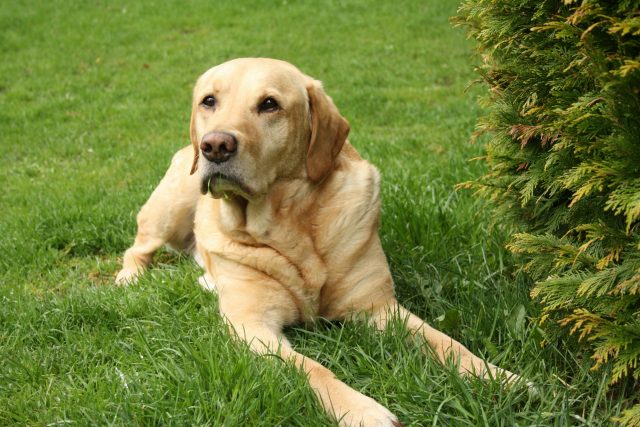
Understanding the Needs of Senior Dogs
Senior dogs have unique needs that differ significantly from those of younger dogs. As dogs age, their metabolism slows down, making them prone to weight gain. Mobility can also become an issue due to joint stiffness or arthritis. Recognizing these changes is the first step in learning to take care of a senior dog effectively. Additionally, senior dogs might require more frequent veterinary visits and specialized care to manage these age-related conditions.
Explore Top Supplements For Your Senior Dog’s Health
Proper Nutrition for Senior Dogs
A balanced diet is vital for the health of senior dogs. As metabolism slows, it’s important to provide food that is lower in calories but rich in essential nutrients. Look for dog food specifically formulated for senior dogs, which often includes added supplements for joint health, like glucosamine and chondroitin. Omega-3 fatty acids can also help reduce inflammation and support overall health. Consult with your veterinarian to determine the best diet plan for your senior dog, including any necessary supplements to address specific health concerns.
Exercise and Mobility Support
Regular exercise remains important for senior dogs, though the intensity and type of exercise may need to be adjusted. Low-impact exercises such as short walks, gentle play, and swimming can help maintain mobility without putting too much strain on the joints. Mobility aids such as ramps, orthopaedic beds, and joint supplements can also be beneficial. Understanding how to care for a senior dog includes recognizing when they need extra help with mobility and ensuring they remain active to support their overall health.
Regular Health Monitoring and Veterinary Care
Frequent health check-ups are crucial for senior dogs. Regular veterinary visits can help detect and manage health issues early. Common health problems in senior dogs include arthritis, dental disease, kidney issues, and diabetes. Preventive care, such as blood tests, dental cleanings, and vaccinations, plays a key role in maintaining your senior dog’s health. Establishing a routine schedule for veterinary care is essential for managing a senior dog’s health and ensuring they receive the necessary treatments and interventions.
Creating a Comfortable Environment
Creating a senior-friendly environment at home can significantly improve your dog’s quality of life. Provide a comfortable, supportive bed that helps alleviate joint pain. Use ramps or non-slip mats to ensure easy access to food, water, and outdoor areas. Maintain a stable temperature to keep your dog comfortable, as senior dogs can be more sensitive to extreme temperatures. These adjustments are key in learning to take care of a senior dog effectively, ensuring they feel secure and comfortable in their living space.
Discover Dog Breeds That Stay Healthy Into Old Age
Managing Chronic Conditions and Pain
Many senior dogs develop chronic conditions such as arthritis, diabetes, or heart disease. Managing these conditions requires medication, dietary changes, and regular veterinary care. Pain management is also crucial; your veterinarian may recommend pain relief medications, physical therapy, or acupuncture. Understanding how to care for a senior dog involves addressing these chronic issues to enhance their comfort and quality of life, ensuring they can enjoy their daily activities without discomfort.
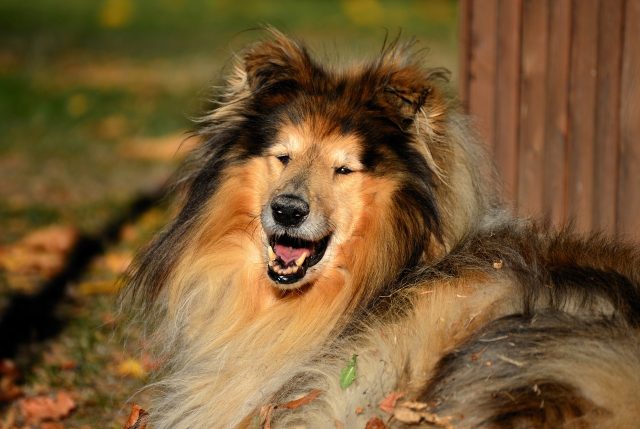
Ensuring a Happy and Healthy Life for Your Senior Dog
In conclusion, understanding how to care for a senior dog is essential for ensuring their health and happiness as they age. By providing proper nutrition, regular exercise, frequent health monitoring, and a comfortable environment, you can help your senior dog enjoy a high quality of life. Additionally, managing chronic conditions, maintaining dental health, and offering mental stimulation are crucial components of senior dog care. With dedication and informed care, you can make your dog’s golden years truly enjoyable and fulfilling.
 Toledo, United States.