
You take a daily multivitamin. You probably don’t think twice about it. But when you look down at your dog staring up from their bowl, you might wonder: should they be taking one too?
It’s a fair question, and you’re not alone in asking it. A Gallup poll found that 50% of American adults take a multivitamin regularly. Yet when it comes to our dogs, the numbers drop sharply. Most pet parents never consider supplementation, even when their dog could genuinely benefit from it.
So let’s break it down. Does your dog actually need a multivitamin? What vitamins matter most? And how do you pick one that works without overpaying or overcomplicating things?

What Exactly Is a Dog Multivitamin?
A dog multivitamin is a supplement that combines several essential vitamins, minerals, and sometimes additional nutrients like probiotics or omega fatty acids into a single dose. Think of it as nutritional insurance for your pup.
These supplements come in several formats:
- Powder – sprinkled over food (easiest for picky eaters)
- Soft chews – flavored treats your dog actually wants to eat
- Tablets – traditional pill form (trickiest to administer)
- Liquid – mixed into food or water
Unlike single-ingredient supplements that target one issue (like glucosamine for joints or fish oil for skin), a multivitamin covers multiple nutritional bases at once. That’s what makes them practical for everyday use.

Does Your Dog Really Need a Multivitamin in 2026?
Here’s the honest answer: it depends on your dog’s diet, age, and health status.
If your dog eats a commercially prepared kibble or wet food labeled “complete and balanced,” it technically meets AAFCO (Association of American Feed Control Officials) standards for minimum nutritional requirements. That means the food contains the baseline vitamins and minerals your dog needs to survive.
But “survive” and “thrive” aren’t the same thing. Here’s when a multivitamin might fill real gaps:
Your dog eats a homemade or raw diet. Home-cooked meals give you full control over ingredients, but balancing every vitamin and mineral perfectly is incredibly difficult. Studies from the University of California, Davis found that 95% of homemade dog food recipes were deficient in at least one essential nutrient. A multivitamin acts as a safety net.
Your dog is a senior. Dogs over 7 (large breeds) or over 10 (small breeds) often absorb nutrients less efficiently. Their digestive systems slow down, appetites shift, and their bodies need more support to maintain energy, joint health, and immune function.
You’re not 100% confident in your dog’s food. Commercial dog food should contain everything your dog needs. But ingredient quality varies wildly between brands. Processing can degrade vitamin potency. And if you’ve ever read a recall list, you know trust isn’t always earned.
Your dog has a specific health condition. Allergies, digestive issues, or chronic conditions can increase nutritional demands. Dogs recovering from illness or surgery may benefit from extra nutritional support during healing.
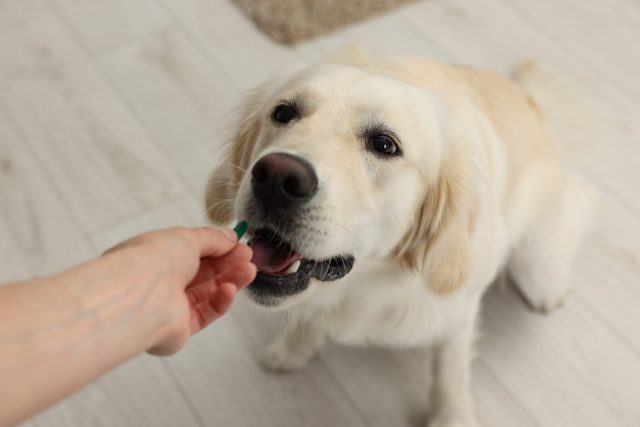
The Key Vitamins and Minerals Dogs Need
Dogs require many of the same vitamins humans do, though in different amounts. Here’s what matters most and why each one plays a role in your dog’s daily health:
Essential Vitamins for Dogs
Vitamin A – Supports vision, immune function, and cell growth. Found in liver, carrots, and sweet potatoes.
B Complex (B1, B2, B6, B12) – Powers energy metabolism, nerve function, and red blood cell production. Critical for active dogs.
Vitamin C – An antioxidant that supports immune health. Dogs produce some on their own, but stressed or senior dogs may need more.
Vitamin D – Essential for calcium absorption and bone health. Unlike humans, dogs can’t synthesize vitamin D from sunlight efficiently.
Vitamin E – Protects cells from oxidative damage. Important for skin health and immune response.
Vitamin K – Necessary for proper blood clotting. Most dogs get enough from food, but deficiencies can occur.
Key Minerals for Dogs
Calcium & Phosphorus – Work together for strong bones and teeth. The ratio between them matters as much as the amounts.
Iron – Carries oxygen in the blood. Low iron leads to fatigue and weakness.
Zinc – Supports immune function, skin health, and wound healing. Some breeds (like Huskies and Malamutes) are prone to zinc deficiency.
Selenium – Another antioxidant mineral that works with vitamin E to protect cells.
6 Benefits of a Daily Multivitamin for Dogs
When your dog’s diet has gaps, or when age and health create extra demands, a quality multivitamin can make a noticeable difference. Here are the benefits backed by veterinary research:
1. Stronger immune system. Vitamins A, C, and E work as antioxidants, fighting free radicals that damage cells. A dog with solid immune support gets sick less often and recovers faster when they do.
2. Healthier joints and mobility. Many multivitamins include glucosamine, chondroitin, or MSM for joint support. This is especially valuable for large breeds and seniors dealing with stiffness or arthritis.
3. Better skin and coat. Omega-3 fatty acids, biotin, and zinc all contribute to a shiny coat and healthy skin. If your dog scratches constantly or has dull fur, nutritional gaps might be part of the problem.
4. Improved digestion. Multivitamins with added probiotics support gut health, which affects everything from nutrient absorption to stool quality. A healthy gut means your dog actually uses the nutrients they eat.
5. More energy and vitality. B vitamins drive energy metabolism at the cellular level. Dogs getting the right B complex tend to be more active, alert, and engaged.
6. Cognitive support for aging dogs. Antioxidants and certain B vitamins may help slow cognitive decline in senior dogs. If your older pup seems confused or disoriented, nutritional support could help.
When Should You Start Giving Your Dog a Multivitamin?
There’s no single right age to start. But there are clear situations that signal it’s time:
Senior dogs (7+ years for large breeds, 10+ for small breeds). This is when nutrient absorption starts declining and health issues become more common. Starting a multivitamin at this stage is one of the simplest things you can do to support their quality of life.
Dogs on homemade or raw diets. Start supplementing from day one of the diet transition. Don’t wait for a deficiency to show up. By the time you see symptoms like a dull coat, lethargy, or brittle nails, the deficiency has been building for weeks or months.
Picky eaters. Some dogs refuse certain foods or pick around ingredients. If your dog isn’t eating a balanced variety, a multivitamin picks up the slack.
Dogs with chronic health conditions. Allergies, digestive disorders, or autoimmune conditions can increase your dog’s nutritional needs beyond what food alone provides. Talk to your vet about whether supplementation makes sense for your dog’s specific situation.
After illness or surgery. Recovery demands extra resources. A multivitamin can support healing and help your dog bounce back faster.

How to Choose the Right Multivitamin for Dogs
Not all supplements are created equal. Here’s what to look for when shopping:
Look for the NASC seal. The National Animal Supplement Council (NASC) quality seal means the product has passed independent quality audits. It’s the closest thing to a guarantee in the pet supplement world.
Check the ingredient list. A good multivitamin should list specific vitamins and minerals with their amounts, not just vague proprietary blends. You want to know exactly what your dog is getting.
Consider the format. Powder supplements are often the best choice for dogs who won’t take pills. They mix right into food with zero fuss. Soft chews work well for dogs who see them as treats. Tablets are the hardest to administer consistently.
Watch for unnecessary fillers. Artificial colors, flavors, and excessive sugar don’t belong in a health supplement. Look for products with clean ingredient lists.
Talk to your vet first. Especially if your dog takes medication or has a health condition. Some vitamins can interact with medications, and your vet can help you avoid problems.
For a side-by-side comparison of top options, check out our best dog multivitamin products roundup.
Safety First: Can You Give Your Dog Human Vitamins?
Short answer: no. Never give your dog a human multivitamin.
Human supplements often contain doses that are toxic to dogs. Xylitol, a common sweetener in human gummy vitamins, can cause life-threatening hypoglycemia and liver failure in dogs even in small amounts.
Fat-soluble vitamins (A, D, E, and K) are particularly dangerous in excess because they accumulate in your dog’s body rather than being flushed out. Vitamin D toxicity, for example, can cause kidney failure.
Iron supplements designed for humans can also be deadly to dogs. Even a few pills can cause severe gastrointestinal damage.
Warning Signs of Vitamin Toxicity in Dogs
Vitamin A overdose: Joint pain, bone spurs, lethargy, vomiting
Vitamin D overdose: Excessive thirst, drooling, kidney failure, weight loss
Iron overdose: Vomiting, bloody diarrhea, organ damage within hours
Xylitol ingestion: Seizures, loss of coordination, collapse (emergency – call your vet immediately)
If your dog accidentally ingests a human supplement, contact your veterinarian or the ASPCA Animal Poison Control Center (888-426-4435) right away.
Multivitamins Are Surprisingly Affordable
One thing that surprises most pet parents is how budget-friendly dog multivitamins actually are, especially compared to buying separate supplements for different health concerns.
Think about it: a standalone joint supplement might run $25-40 per month. A separate omega-3 supplement adds another $15-25. Probiotics can cost $20-35. If you’re buying all three individually, you’re looking at $60-100 per month.
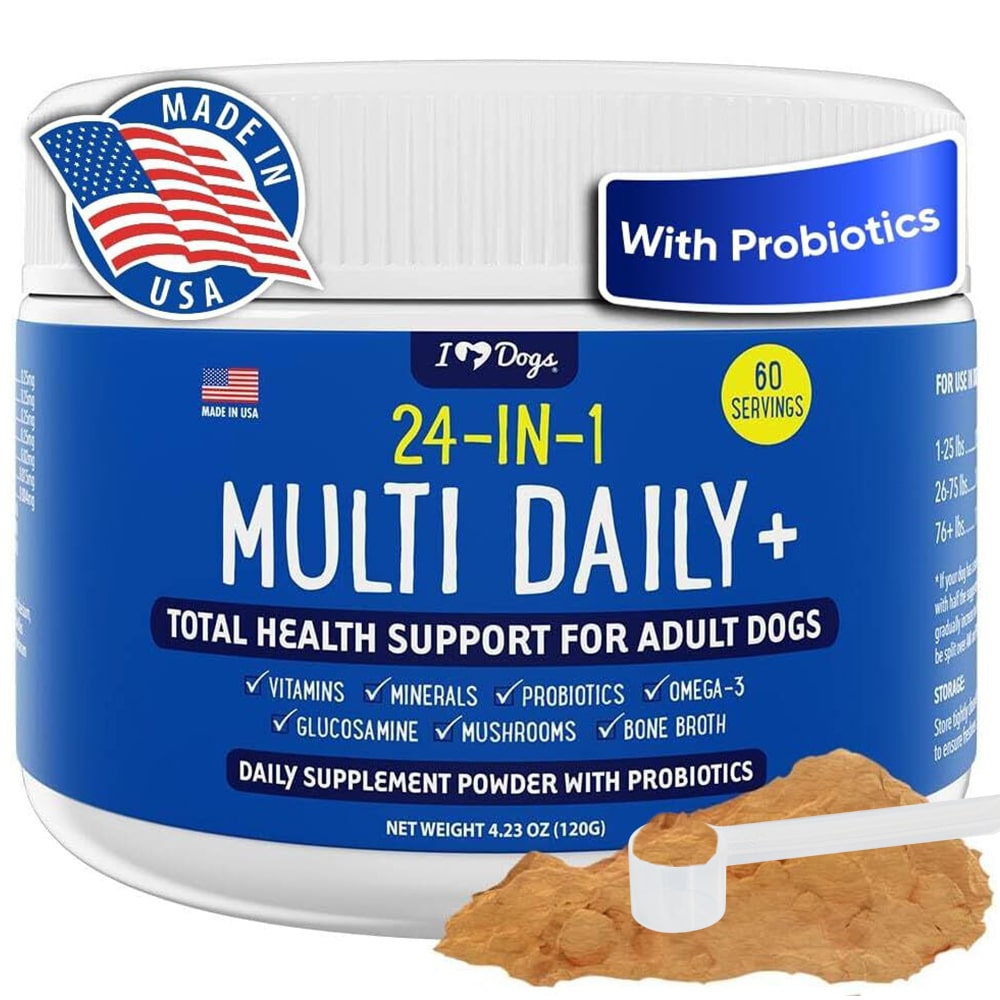
A quality all-in-one multivitamin combines these ingredients at a fraction of that cost. The iHeartDogs 24-in-1 Adult Multivitamin Daily+, for example, packs 24 active ingredients into one easy scoop, including probiotics, omega-3, glucosamine, mushrooms, and bone broth. That kind of coverage in a single product means less hassle and real savings compared to a drawer full of separate bottles.
Getting Your Dog to Actually Take a Vitamin
Let’s be real. If you’ve ever tried to shove a pill down a dog’s throat, you know exactly how that goes. The head turn. The lip licking. The dramatic spit-out 30 seconds later. Even hiding tablets in cheese or peanut butter doesn’t fool some dogs for long.
That’s why the supplement format matters almost as much as the ingredients. Powder supplements are the easiest to administer by far. Just sprinkle the serving over your dog’s regular food and let them eat it up. No wrestling. No tricks. No wasted pills found behind the couch cushion.
The iHeartDogs 24-in-1 Adult Multivitamin Daily+ comes in a chicken-flavored powder that most dogs eat without hesitation. It dissolves right into wet food or sticks to kibble when sprinkled on top. One scoop, 24 ingredients, done.
Soft chews are the next easiest option. Most dogs treat them like snacks. The downside is that they often contain more fillers and sugar than powders or tablets.
Whatever format you choose, consistency is key. Give the supplement at the same time each day, ideally with a meal. Most dogs show noticeable improvements in energy, coat quality, and overall demeanor within 4-6 weeks of daily use.

Frequently Asked Questions About Multivitamins for Dogs
1. Can puppies take a multivitamin?
Puppies have different nutritional needs than adult dogs. Most puppy foods are already formulated to meet growing dogs’ requirements. If you want to supplement a puppy’s diet, choose a product specifically designed for puppies and consult your vet first. Adult multivitamins can contain levels of certain nutrients that aren’t appropriate for growing dogs.
2. How long does it take to see results from a dog multivitamin?
Most pet parents notice visible changes within 4-6 weeks of consistent daily use. Coat improvements (shinier fur, less shedding) tend to show first. Joint benefits and energy changes may take 6-8 weeks. Immune system improvements happen internally and may not be immediately visible but are working from day one.
3. Can you give a dog too many vitamins?
Yes. Over-supplementation is a real risk, particularly with fat-soluble vitamins (A, D, E, K) that build up in the body. Always follow the dosage instructions on the product label and don’t stack multiple supplements that contain the same vitamins without your vet’s guidance.
4. Should I give my dog a multivitamin if they eat high-quality kibble?
High-quality kibble labeled “complete and balanced” covers the basics. However, processing can reduce vitamin potency, and every dog’s absorption rate is different. Senior dogs, dogs with health conditions, or those who don’t finish their meals consistently may still benefit from supplementation even on premium food.
5. Are there any side effects of dog multivitamins?
When dosed correctly, side effects are rare. Some dogs may experience mild digestive upset (soft stool or gas) during the first few days as their system adjusts. Starting with a half dose for the first week can help. If symptoms persist beyond a week, stop the supplement and consult your vet.
6. What’s the difference between a dog multivitamin and a dog supplement?
A multivitamin provides a broad range of vitamins and minerals for overall health. A supplement typically targets one specific area, like joint support (glucosamine), skin health (omega-3), or digestive function (probiotics). Some multivitamins include these targeted ingredients alongside standard vitamins, giving you both in one product.
Your Dog Deserves to Feel Their Best Every Day
At the end of the day, a multivitamin isn’t magic. It won’t fix a bad diet, replace regular vet visits, or turn back the clock on aging. But it can fill nutritional gaps that food alone might miss, especially for senior dogs, picky eaters, and pups on homemade diets.
The fact that you’re even asking this question means you care about your dog’s health. That already puts you ahead of most pet parents. Whether you decide a multivitamin makes sense right now or not, keep paying attention to what your dog eats, how they move, and how they feel. Those small observations are worth more than any supplement.
And if you do start supplementing, give it time. Consistent daily use for 4-6 weeks is when most dogs start showing real results. Your dog can’t tell you they feel better, but you’ll notice it in their energy, their coat, and the way they greet you at the door.
These statements have not been evaluated by the Food and Drug Administration. This product is not intended to diagnose, treat, cure, or prevent any disease. The information on this website is not intended to replace a one-on-one relationship with a qualified health care professional.
 Toledo, United States.