
Over the last decade, feeding dogs a raw food diet has grown into a popular trend among pet owners seeking a more “natural” and nutrient-rich alternative to commercial kibble. Proponents of raw feeding argue that raw meat, organs, and bones mirror a dog’s ancestral diet and can lead to better digestion, shinier coats, and improved energy levels. However, veterinary experts and peer-reviewed research have increasingly warned of serious risks associated with this feeding approach.
Here we’ll explore the pros and cons of raw dog food diets, highlighting scientific evidence and expert opinions, as well as safer alternatives for health-conscious pet parents.

What Is a Raw Dog Food Diet?
A raw dog food diet typically includes raw muscle meat, bones, organ meats, raw eggs, and occasionally raw vegetables or fruits. It is often referred to as a “BARF” diet, which stands for Biologically Appropriate Raw Food or Bones and Raw Food.
Advocates believe raw feeding improves dogs’ digestion, dental health, coat quality, and overall vitality by avoiding processed ingredients and preservatives found in traditional kibble and canned foods.
However, as with any trend, it’s crucial to evaluate both the benefits and the risks based on scientific evidence.
The Documented Dangers of Raw Feeding
1. Bacterial Contamination Is Common
One of the most concerning risks of raw dog food is pathogenic bacterial contamination. A 2014 study published in Public Health Reports found that 45% of commercially prepared raw pet foods tested positive for harmful bacteria such as:
-
Salmonella
-
Listeria monocytogenes
-
Shiga toxin-producing Escherichia coli (STEC)
These bacteria not only pose a health risk to dogs but also increase the risk of zoonotic transmission—spreading dangerous bacteria to humans, particularly in households with children, elderly individuals, pregnant women, or those with compromised immune systems.
According to the FDA, pet owners handling raw food may inadvertently contaminate kitchen surfaces, leading to foodborne illnesses in humans.
2. Nutritional Imbalances Are a Serious Concern
Many homemade or commercial raw diets are not nutritionally balanced. A 2013 review published in the Journal of the American Veterinary Medical Association (JAVMA) by Dr. Lisa Freeman et al. examined multiple raw meat-based diets (RMBDs) and found that many lacked essential nutrients or had inappropriate ratios of fat, calcium, and phosphorus.
Poorly formulated raw diets can lead to:
-
Nutrient deficiencies (e.g., calcium, vitamin D)
-
Excessive fat intake, which may trigger pancreatitis in predisposed dogs
-
Urinary crystals or stones
-
Developmental orthopedic disease in growing puppies

3. GI Disruption and Intestinal Flora Imbalance
Veterinarians have observed that raw diets can alter a dog’s gut microbiome, sometimes causing gastrointestinal imbalances, loose stools, or vomiting. Dogs with sensitive stomachs, inflammatory bowel disease, or other chronic conditions may experience worsened symptoms.
4. Use of 4-D Meats in Pet Foods
Some commercial raw pet foods have been found to use 4-D meats—meat sourced from animals that are:
-
Dead
-
Dying
-
Diseased
-
Disabled
These meats are considered unfit for human consumption and can harbor elevated levels of bacteria or toxins. While the USDA prohibits 4-D meat from entering the human food chain, enforcement in the pet food industry is lacking, and 4-D meat may be included in both raw and processed pet foods without transparent labeling.
Expert Opinions: What Veterinarians Say About Raw Diets
Dr. Oscar Chavez, BVetMed, MRCVS, MBA, Chief Medical Officer at JustFoodForDogs and Clinical Nutrition professor at Cal Poly Pomona, warns against mainstream raw feeding due to the above risks. Dr. John Tegzes, VMD, DABVT, a professor of toxicology at Western University of Health Sciences, echoes these concerns, especially regarding public health threats.
“The biggest issue isn’t just your dog getting sick—it’s your family getting sick from contaminated food bowls, surfaces, and saliva.” — Dr. John Tegzes
While some dogs may appear to thrive on raw food, these professionals agree that the approach is not suitable for most pets and carries substantial avoidable risks.
Why Some Veterinarians Recommend Raw Diets
Despite the risks, a small number of veterinarians recommend raw diets as a way to avoid heavily processed commercial pet food, which can also contain preservatives, chemical additives, and low-quality ingredients.
However, experts emphasize that raw is not the only alternative. Safer options exist that provide the same benefits with fewer risks.
Safer Alternative: Lightly Cooked Whole Food Diets
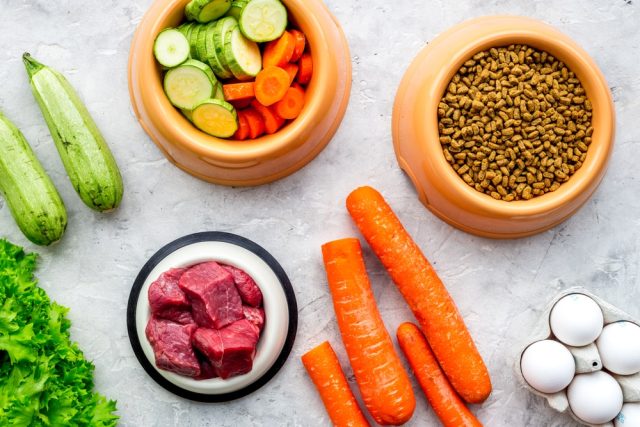
A lightly cooked, fresh food diet can offer the benefits of raw feeding—such as improved digestibility and high-quality ingredients—without the bacterial contamination risks. Light cooking:
-
Kills pathogens like Salmonella and Listeria
-
Preserves nutrients if formulated properly
-
Is easier to handle and store safely
Companies like JustFoodForDogs and similar services offer veterinarian-formulated, lightly cooked, whole food diets that are balanced and tailored to a pet’s specific health needs. Recipes are available for DIY preparation at home, and custom diets can be created for pets with allergies, sensitive stomachs, or chronic illnesses.
Dr. Chavez states:
“I’ve personally formulated hundreds of successful therapeutic diets that are lightly cooked. There is no need for raw feeding to achieve health results.”
Does Cooking Really Destroy Nutrients?
One common argument in favor of raw food is that cooking “kills nutrients.” This is a misconception.
According to the USDA National Nutrient Database, while some nutrients are reduced by cooking, few are lost completely, and professional diet formulation accounts for these reductions to maintain nutritional adequacy.
Cooking also enhances digestibility for certain proteins and carbohydrates, especially for dogs with sensitive GI tracts.
Do the Benefits of Raw Feeding Outweigh the Risks?
Pros:
-
Avoids processed ingredients in kibble/canned food
-
Offers real, whole-food ingredients
-
May improve digestion in some dogs
Cons:
-
High risk of bacterial contamination
-
Potential for nutrient imbalance
-
Dangerous for immunocompromised humans in the home
-
Involves difficult food handling and storage
-
May contain unsafe meat sources (e.g., 4-D meat)
Considering lightly cooked diets provide the same benefits with significantly reduced risks, most veterinary nutritionists agree: raw diets are not worth the gamble.
Before Switching Your Dog’s Diet
If you’re considering changing your dog’s food:
-
Consult your veterinarian, preferably one with nutrition training or board certification.
-
Do your own research using peer-reviewed sources, not social media claims.
-
Avoid one-size-fits-all trends. Dogs are individuals, and their dietary needs vary by age, breed, health condition, and lifestyle.
-
Consider a second opinion if your current vet seems unfamiliar with fresh food options.

Raw Feeding for Dogs: A Risky Trend Better Replaced by Safer Alternatives
Feeding a raw diet to your dog may sound appealing in theory, but in practice, it carries significant health risks—for both pets and people. Science-backed, lightly cooked whole food diets offer a safer, equally nutritious alternative that eliminates many of the dangers associated with raw feeding.
When it comes to your dog’s health and longevity, it’s wise to choose what’s proven over what’s popular.
 Toledo, United States.