
 Shutterstock
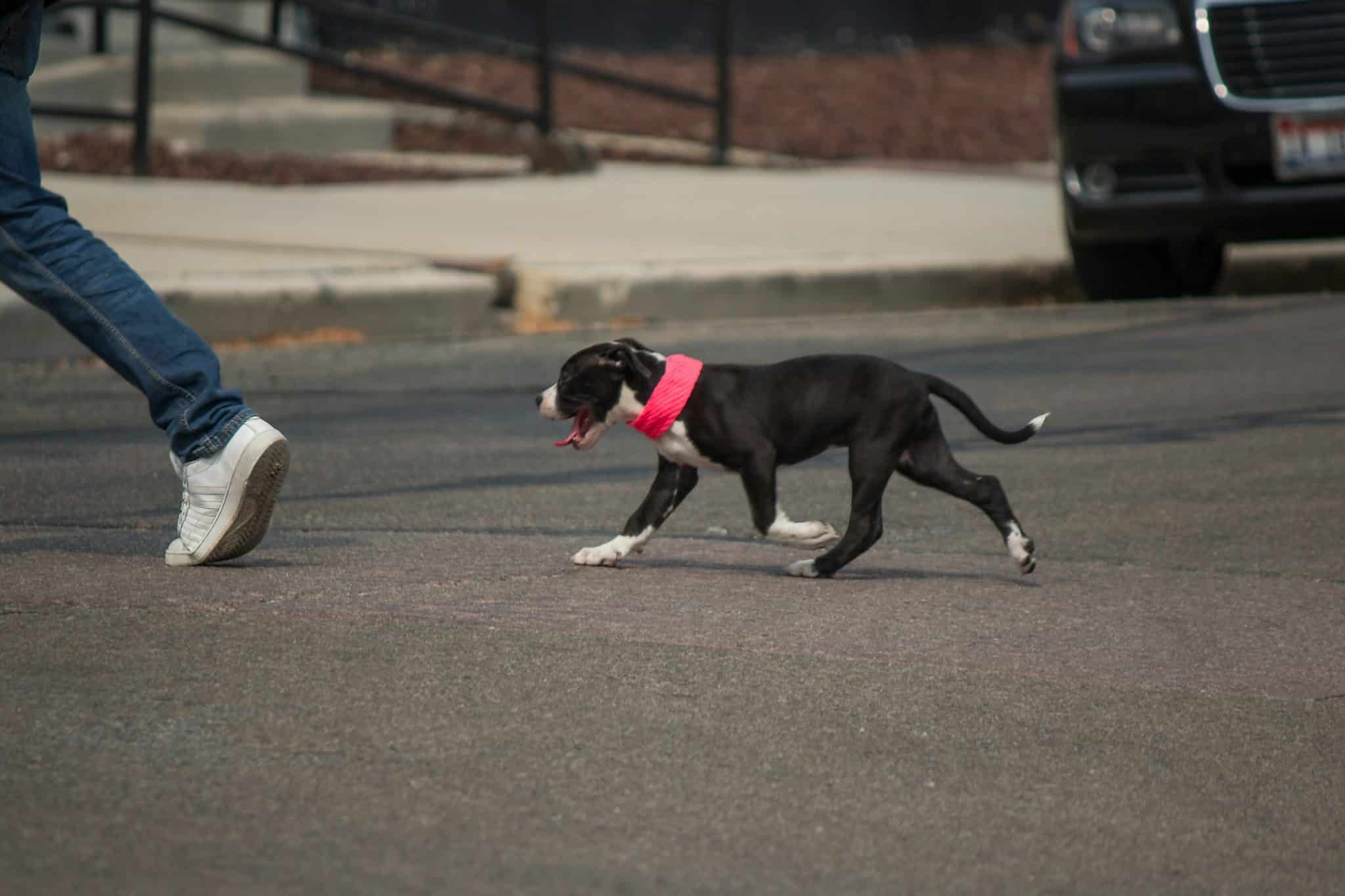
Some dogs follow their favorite humans everywhere, from room to room and even outside closed doors. While this adorable habit can make you feel like a celebrity with a devoted fan, it often has meaningful explanations. Dogs may follow people because of affection, curiosity, attachment, social instincts, or a desire for security. Understanding this behavior helps you appreciate your special bond, recognize normal companionship, and identify when extra training or enrichment might be needed to keep your furry shadow happy, confident, and comfortable.
They Love You More Than Anything
 Shutterstock
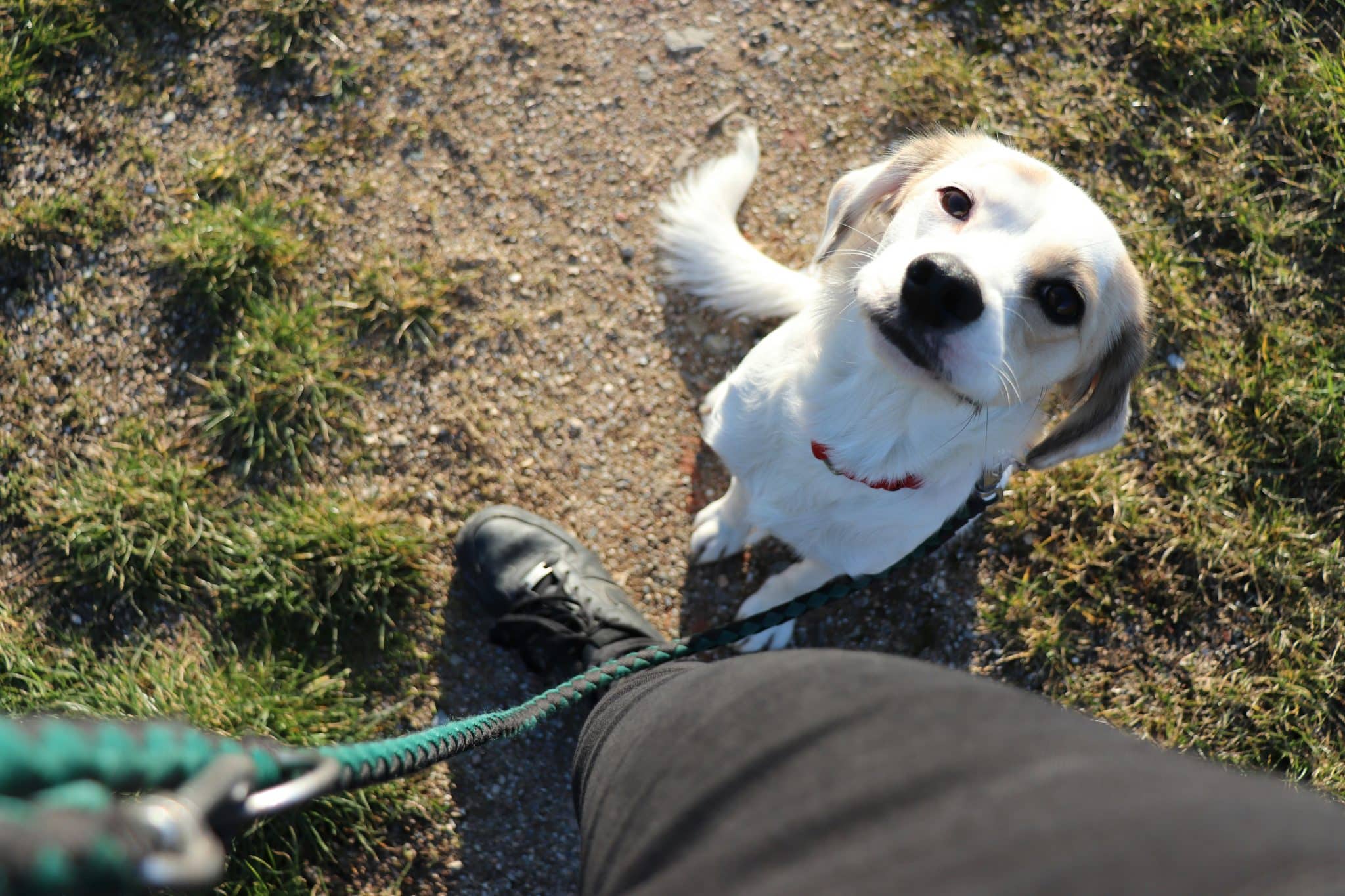
One of the simplest explanations for your dog’s constant companionship is affection. Dogs form strong social bonds with their favorite people, and staying nearby allows them to enjoy that connection throughout the day. Your pup might follow you into the kitchen, curl up beside your chair, or move to another room simply because being close to you feels rewarding. For many dogs, companionship is not something reserved for special occasions. It is part of their everyday happiness. This behavior can be especially noticeable when your dog greets you enthusiastically after a short absence or settles peacefully beside you while you work. Your presence may provide comfort, familiarity, and opportunities for positive interaction. Although following you does not automatically prove a particular emotional state, it can be one of several signs of a close relationship. Enjoy those affectionate moments while encouraging your dog to feel comfortable relaxing independently, too.
They Feel Safer When You Are Nearby
 Shutterstock
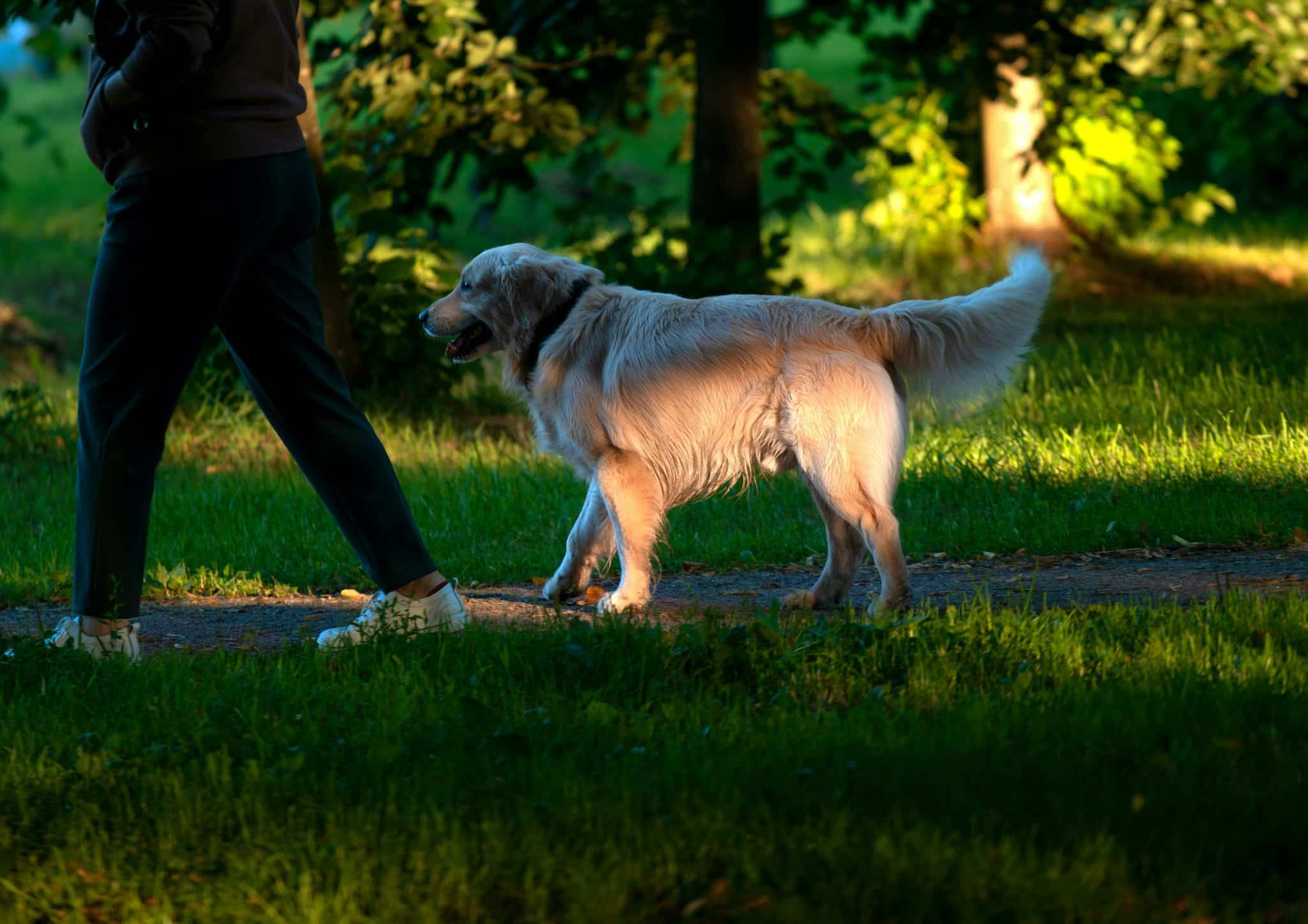
To many dogs, their trusted human represents familiarity and security. Your voice, scent, movements, and daily routines can help them feel more comfortable in their surroundings. Following you allows your pup to remain close to someone they know and trust, particularly when unfamiliar sounds, visitors, or changes around the home make them uncertain. Even confident dogs may prefer having their favorite person nearby when something unexpected happens. This tendency can be especially understandable in puppies who are still learning about the world. Young dogs often look to familiar caregivers for reassurance as they explore new experiences. Adult dogs may also seek proximity during thunderstorms, household disruptions, or unfamiliar situations. However, there is a difference between choosing to stay close and becoming distressed whenever you leave. If your dog panics, vocalizes excessively, destroys household items, or struggles to settle when alone, consult a veterinarian or qualified behavior professional to determine whether anxiety may be involved.
They Have Learned That Following You Pays Off
 Shutterstock
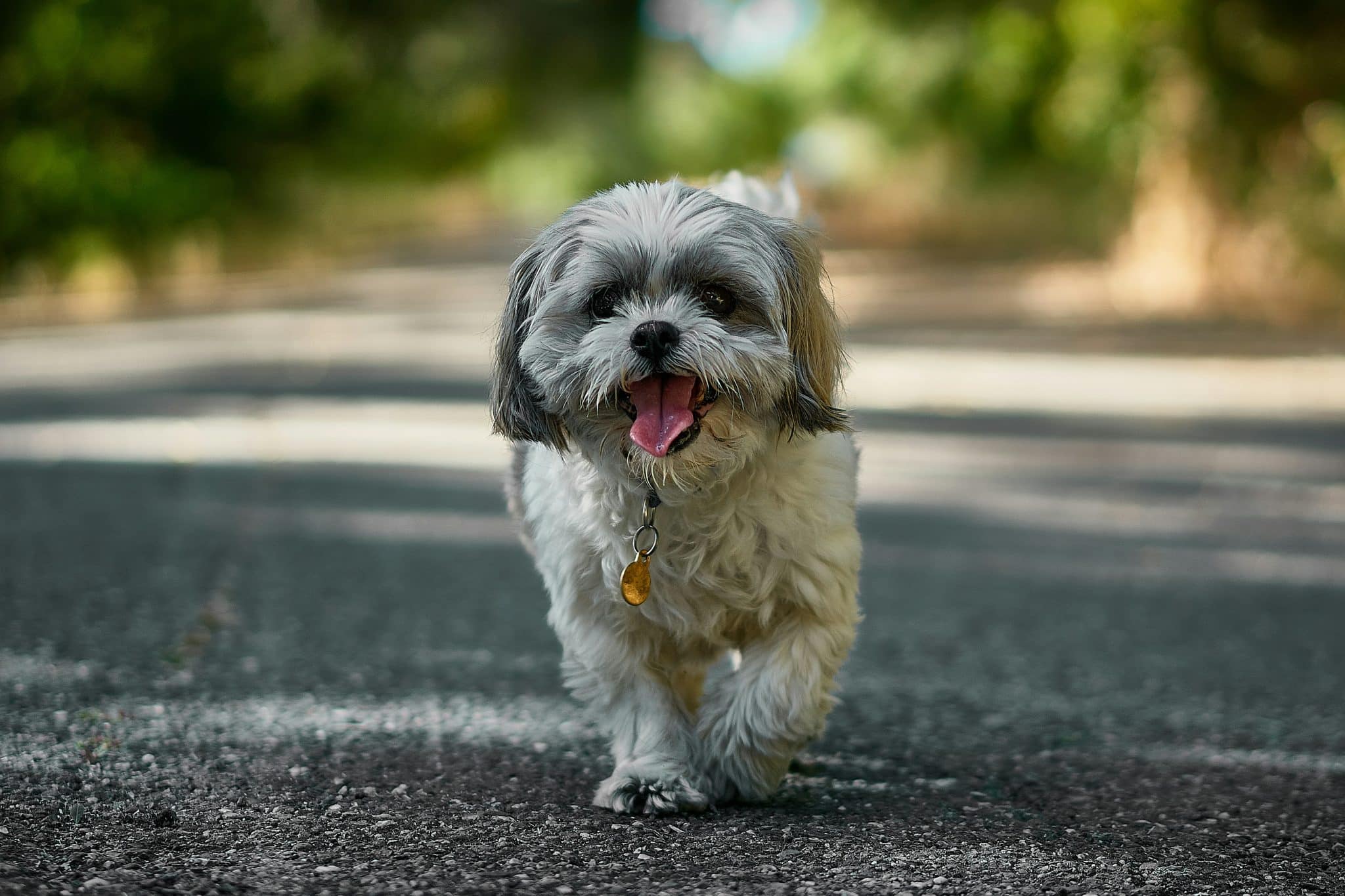
Dogs are excellent observers, especially when everyday habits lead to something enjoyable. If following you often results in a tasty snack, a cheerful greeting, a belly rub, or an invitation to play, your pup may quickly decide that staying close is a worthwhile strategy. From your dog’s perspective, you are a walking source of interesting opportunities, and keeping you within sight makes it easier to notice when something exciting might happen. Even small rewards can reinforce this behavior over time. Perhaps you tend to pet your dog whenever they follow you into the living room, or you offer praise when they appear beside you in the kitchen. Your pup learns to associate proximity with positive outcomes. There is nothing inherently wrong with rewarding friendly companionship, but teaching a reliable settle cue and rewarding independent relaxation can help create a healthy balance. That way, your dog can enjoy your company without feeling obligated to supervise every step you take.
They Are Naturally Social Animals
 Shutterstock
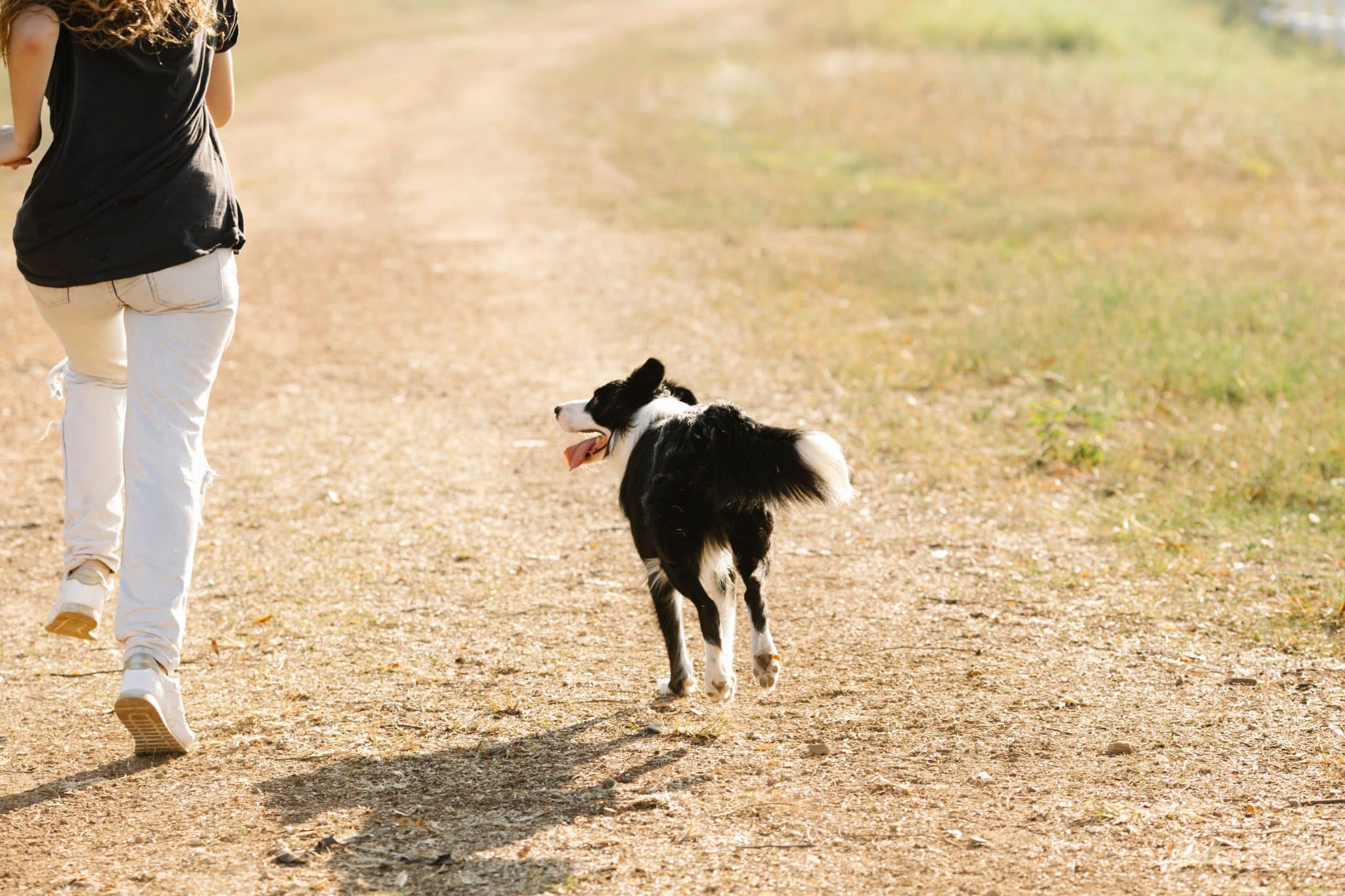
Dogs descended from social ancestors and have evolved alongside humans for thousands of years. Although modern dogs differ considerably in temperament, many enjoy spending time with familiar individuals and participating in household activities. Following you can be one way your pup remains involved in the social life of the home. Rather than viewing every room as a separate destination, your dog may simply prefer being wherever the rest of their trusted social group happens to be. This instinct can be particularly noticeable in dogs that enjoy shared activities, including walks, games, training, and quiet time together. Some dogs are happiest when included in ordinary routines, even when nothing particularly exciting is happening. Others are naturally more independent and enjoy resting in another room. Neither personality is automatically better. Understanding your dog’s individual preferences helps you provide the companionship, stimulation, and downtime they need to feel comfortable and content.
They Are Curious About Everything You Do
 Shutterstock
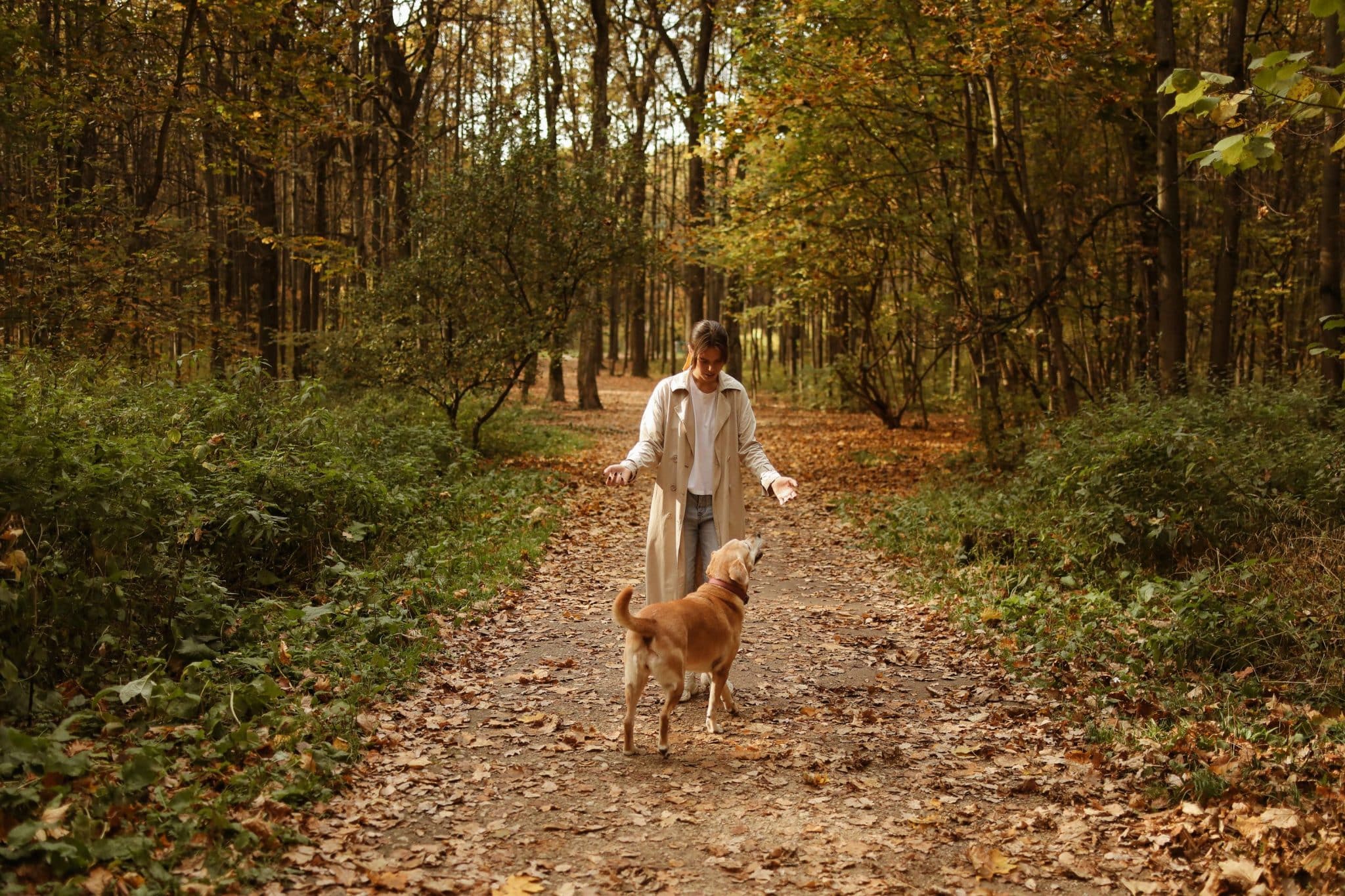
Dogs experience the world through a fascinating combination of smell, sound, sight, and observation. When you stand up, walk toward another room, or begin doing something unfamiliar, your pup may wonder what is happening. Following you gives them a better opportunity to investigate new scents, watch your movements, and discover whether an interesting activity is about to begin. To a curious dog, even an ordinary household routine can become a fascinating investigation. Your pup might appear especially interested when you enter rooms they do not visit frequently or begin tasks that involve unusual sounds. They may watch you closely, sniff around afterward, or settle nearby to observe. This curiosity is generally harmless when your dog remains relaxed and respects household boundaries. You can encourage healthy exploration by offering appropriate sniffing opportunities, food puzzles, and supervised enrichment activities. These experiences satisfy natural curiosity without requiring you to provide a running commentary on everything happening around the house.
They Hope Something Exciting Is About to Happen
 Shutterstock
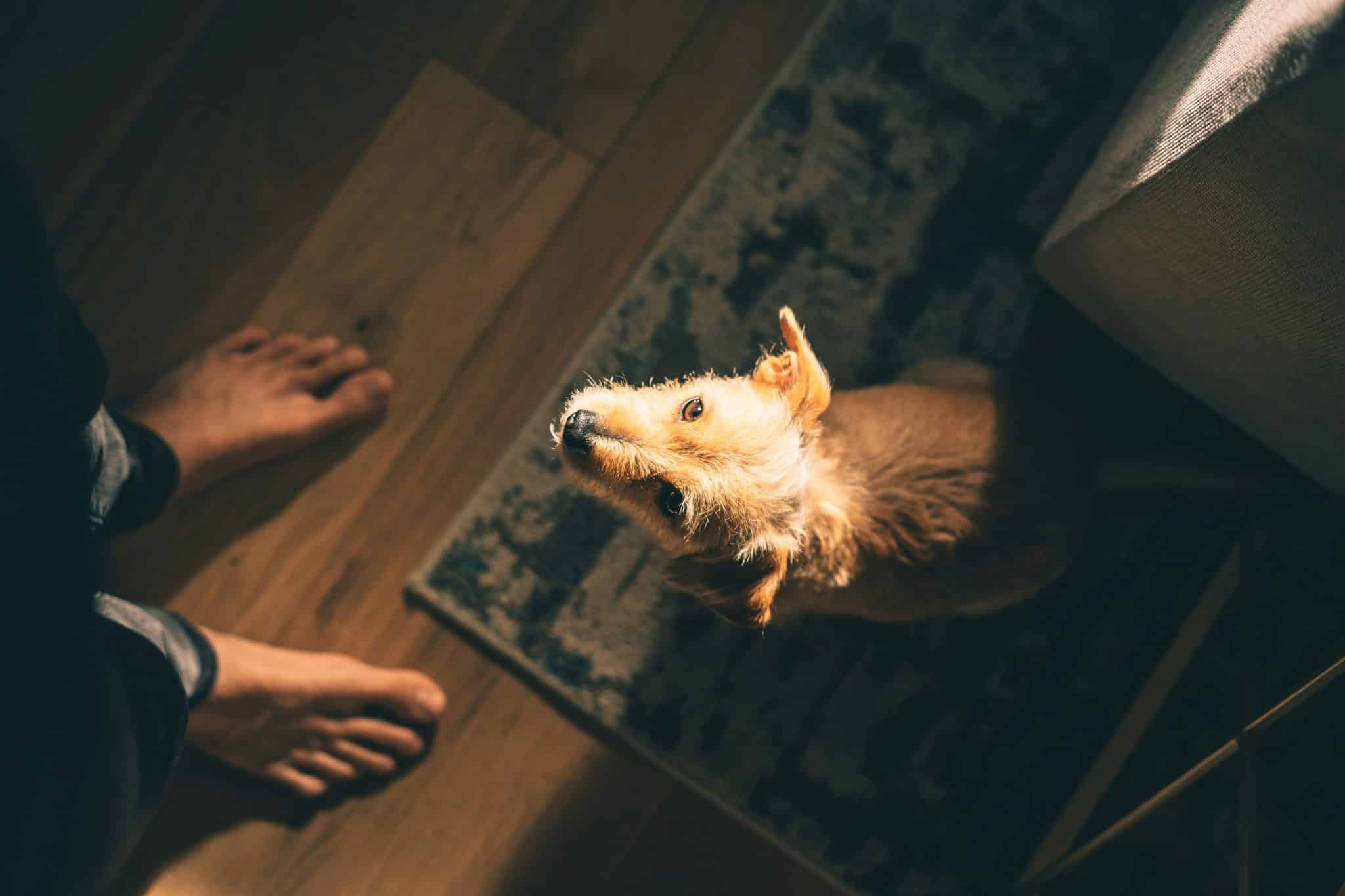
Dogs quickly connect certain human movements with predictable events. Picking up your shoes might signal a walk, opening a cupboard might suggest mealtime, and reaching for a favorite toy could mean playtime is approaching. Once your pup recognizes these patterns, following you becomes a practical way to avoid missing out. Your dog may not know precisely what you are planning, but they are certainly willing to investigate the possibilities. This anticipation can make dogs seem remarkably attentive to everyday details. Some begin waiting near the door when they notice you getting ready to leave for a walk. Others follow you into the kitchen because past experience has taught them that food sometimes appears there. You can use this enthusiasm constructively by establishing predictable routines, providing appropriate exercise, and rewarding calm behavior. Your dog will still enjoy joining your adventures, but they can also learn that not every movement means something exciting is about to happen.
They Are Looking for Attention
 Shutterstock
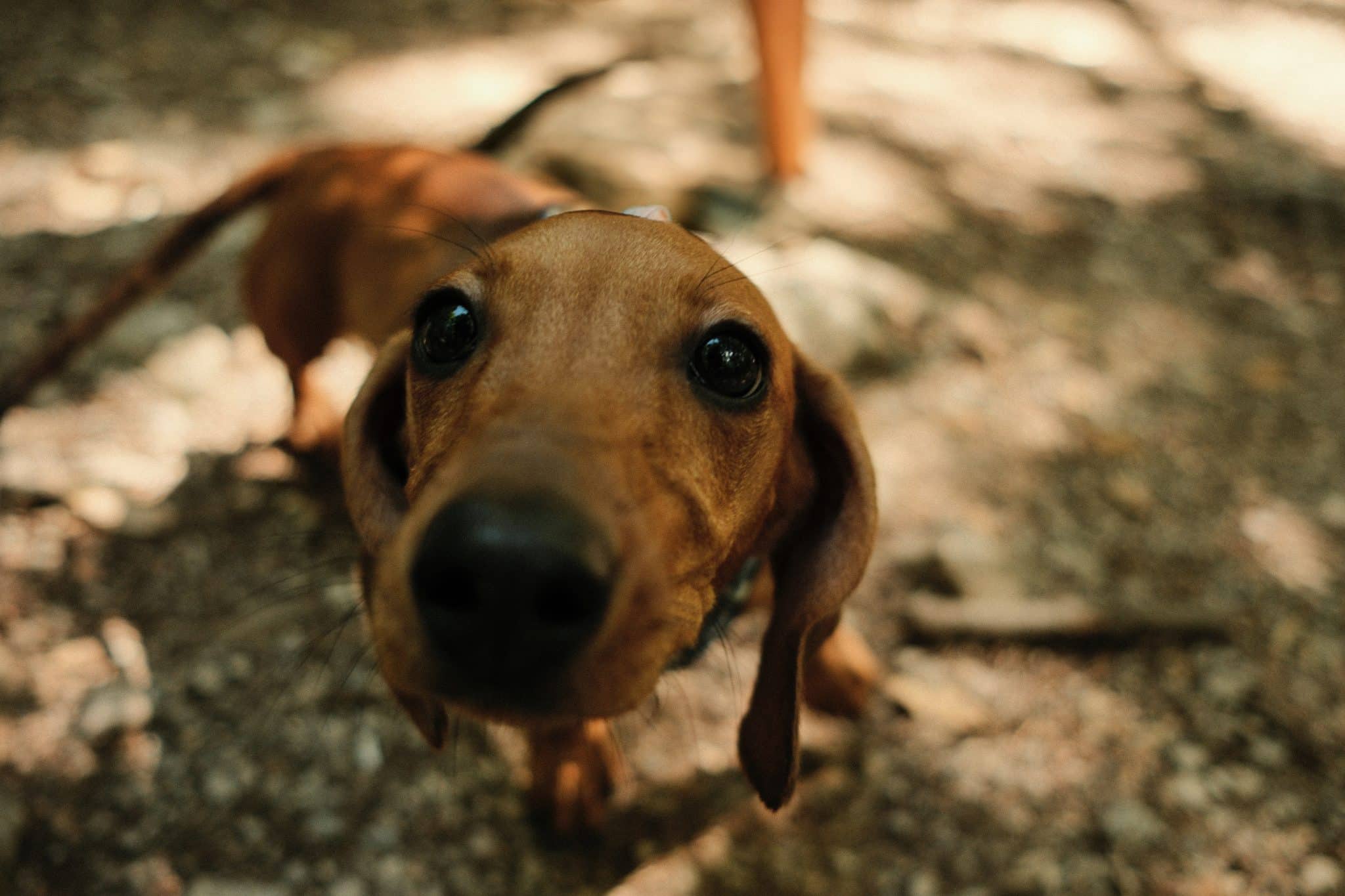
Sometimes, your pup follows you because they want something simple and wonderfully familiar: your attention. Dogs may seek petting, conversation, play, or a moment of connection when their favorite person is nearby. If approaching you regularly leads to interaction, your dog may continue using this strategy whenever they feel social or want to engage. A gentle nudge, an expectant stare, or a dramatic flop beside your feet might be their way of requesting a little quality time. Consider what happens after your dog follows you. Do you automatically reach down to pet them, speak to them, or toss a toy? These responses can reinforce the habit, even when you do not consciously intend to. Make time for positive interaction throughout the day, including short training sessions and enjoyable games. At the same time, reward your dog for settling quietly nearby rather than demanding constant attention. This teaches them that companionship is available without requiring them to follow every movement or interrupt every activity.
They Belong to a People-Oriented Breed
 Shutterstock
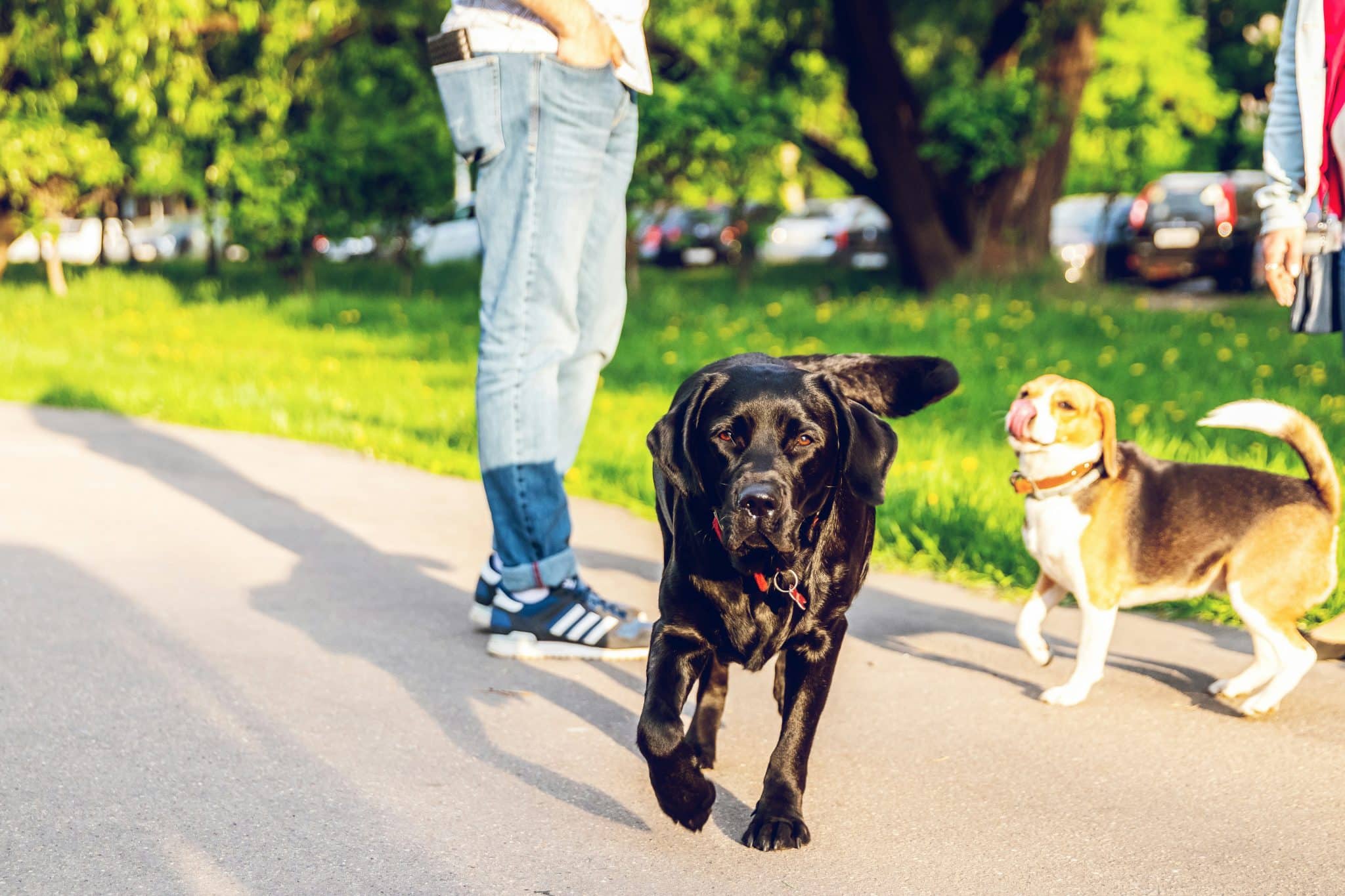
Some dog breeds have been developed for generations to work closely with humans, making close cooperation an important part of their typical temperament. Labrador Retrievers, Golden Retrievers, Border Collies, Australian Shepherds, and many companion breeds often enjoy staying engaged with their people. Dogs from these backgrounds may be especially attentive to human movements because cooperation, responsiveness, or companionship has historically been valuable in their roles. A Border Collie might shadow you because it is eager to anticipate your next move, while a Golden Retriever may simply enjoy being included in whatever the family is doing. A small companion breed might prefer a warm resting spot near your chair rather than an activity-filled afternoon. Genetics can influence behavior, but upbringing, training, health, and personality matter, too. Whatever your dog’s breed, provide appropriate exercise, mental enrichment, and opportunities to relax independently.
They Are Used to Being Part of Your Routine
 Shutterstock
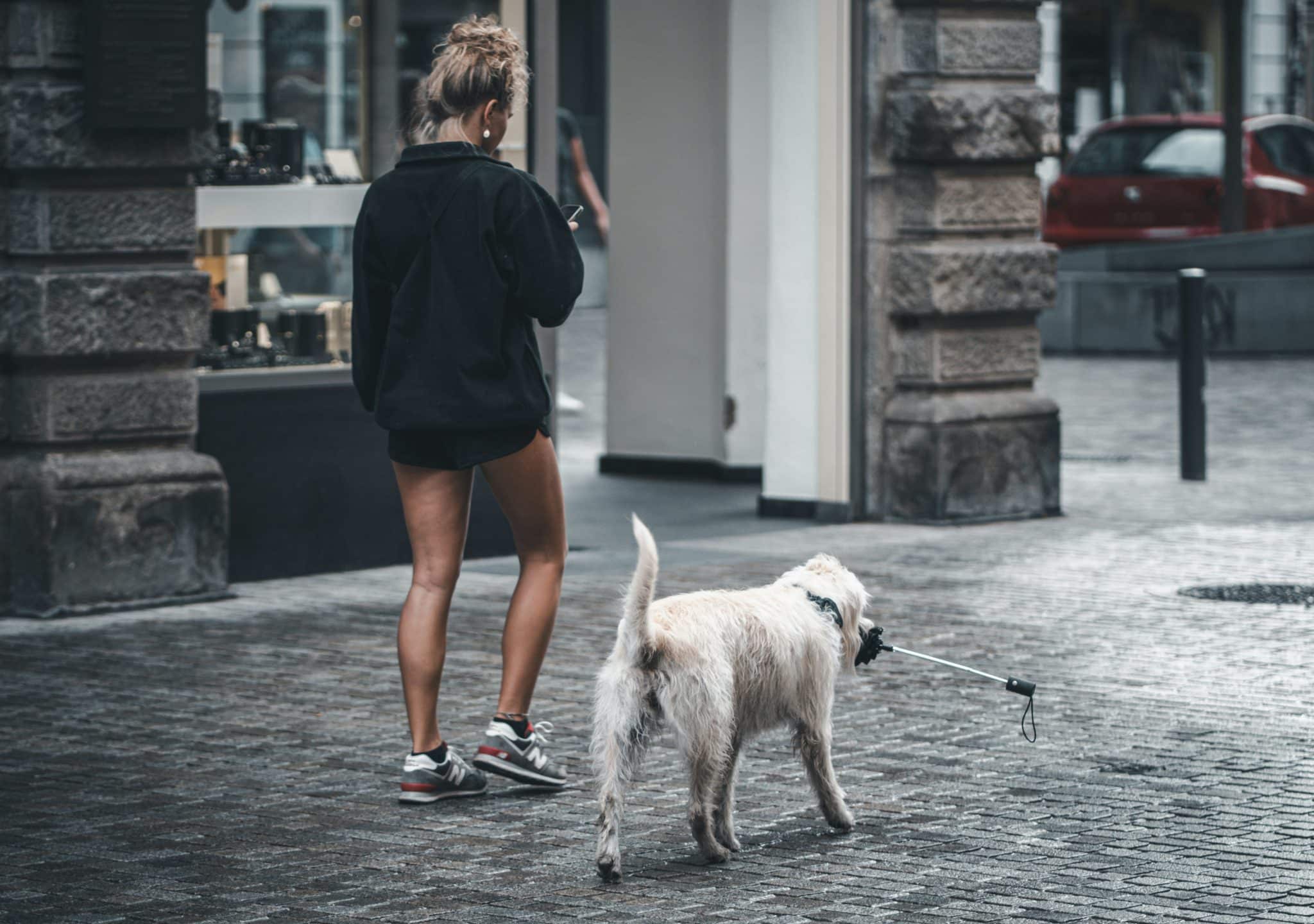
Dogs thrive on familiar patterns, and your daily schedule may have become an important part of their world. If you usually prepare breakfast, work at a particular desk, take an afternoon walk, and settle down in the evening, your pup learns what to expect. Following you helps them remain connected to this predictable sequence of events. They may simply be checking what comes next because your routine has become familiar and rewarding. This behavior often becomes more noticeable when your dog has spent years sharing your daily activities. They may know exactly when you usually finish work or when it is time for an evening stroll. If your schedule changes suddenly, your pup might follow you more closely while trying to understand the new pattern. Maintaining consistent meal times, walks, and rest periods can help dogs feel secure. Gradually introducing flexibility also teaches them to cope when everyday activities do not happen at precisely the expected moment.
They May Be Feeling Bored
 Shutterstock
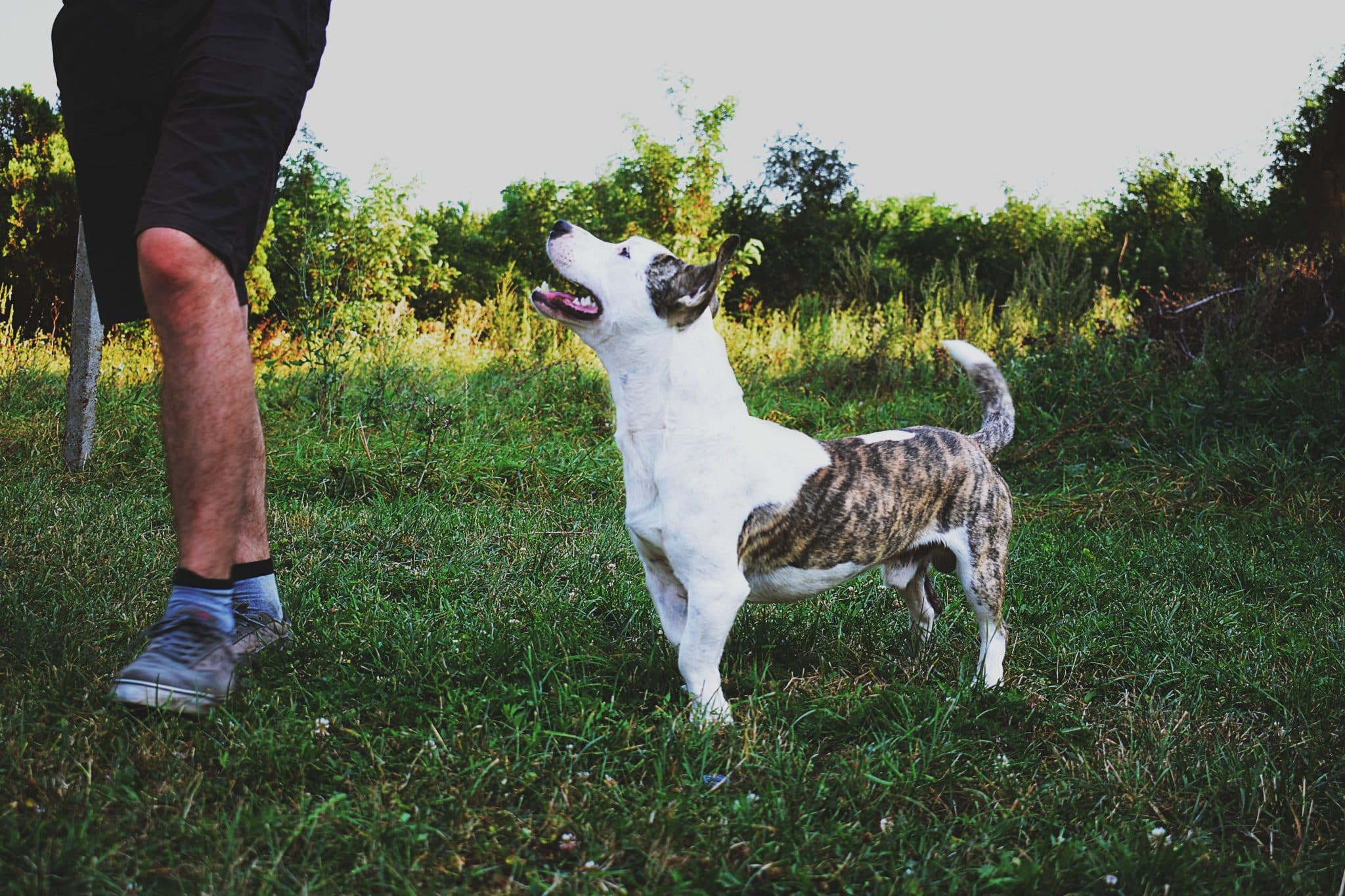
A dog who lacks sufficient stimulation may decide that following you is the most interesting activity available. Watching you move around the house provides something to do, especially when toys are ignored, walks are brief, or opportunities to explore are limited. Your pup might follow you closely because they hope you will eventually initiate a game, offer an activity, or do something more exciting than the usual afternoon routine. Boredom can also contribute to other behaviors, including excessive barking, chewing, digging, and persistent attempts to gain attention. The right amount of activity depends on your dog’s age, health, breed tendencies, and individual energy level. Try incorporating sniff walks, food puzzles, short training sessions, and safe interactive play into the day. Mental enrichment can be just as valuable as physical exercise. If your dog receives appropriate stimulation and still follows you, that may simply reflect their social nature rather than a problem that needs fixing.
They Feel Uncomfortable Being Alone
 Shutterstock
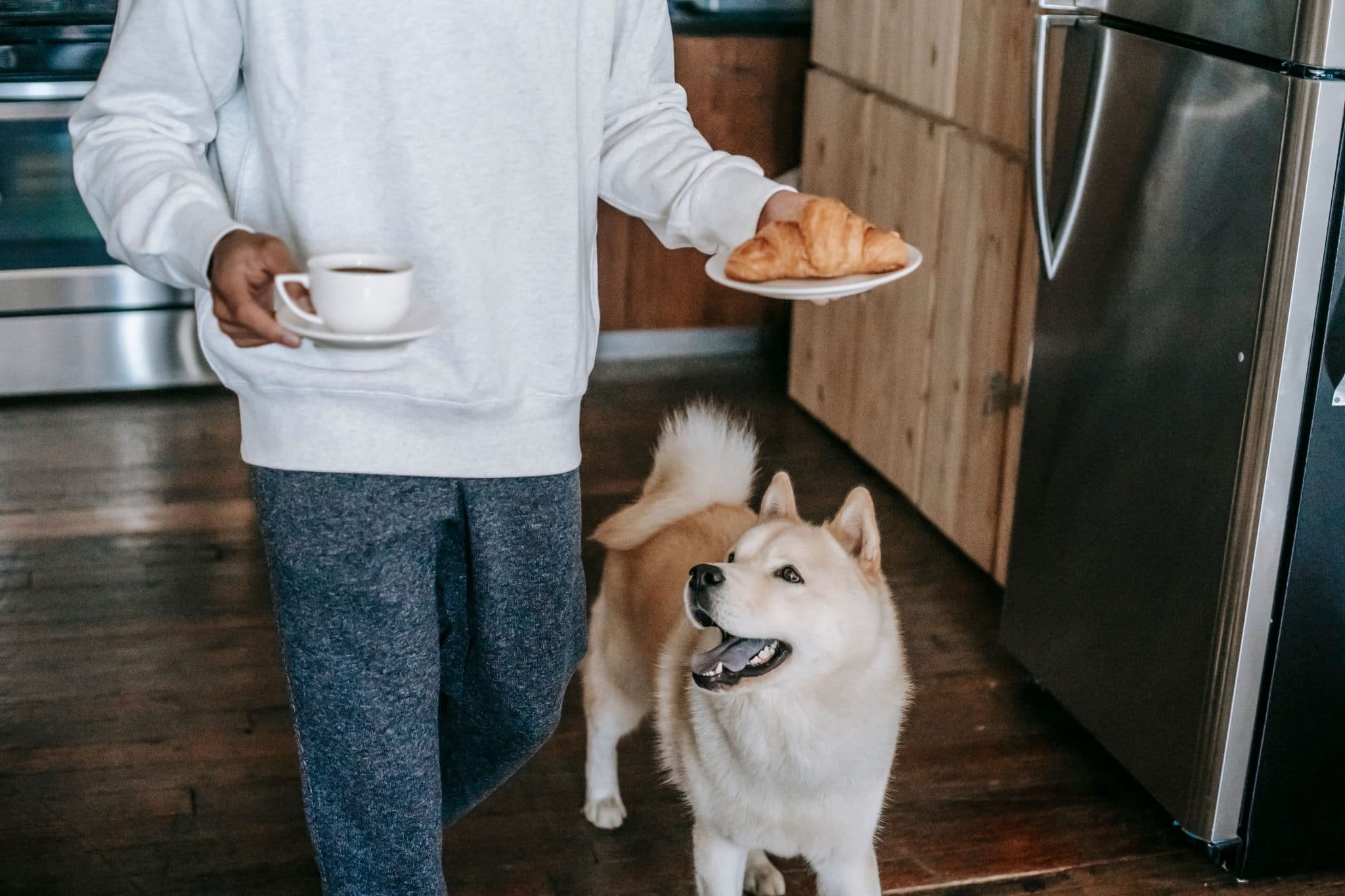
Some dogs follow their people because being apart makes them uneasy. This can happen after a change in household routine, a move, a stressful experience, or a period when the dog has spent unusually little time alone. Staying close may help them feel comfortable, especially if they are uncertain about what happens when their trusted person disappears behind a door. Following you does not automatically mean your dog has separation anxiety. A relaxed dog may happily accompany you from room to room and then settle down when you leave. By contrast, a dog with separation-related distress may bark continuously, pace, pant, drool, scratch doors, or attempt to escape when separated from you. If you notice these signs, consult a veterinarian to rule out medical concerns and discuss appropriate behavioral support. Gradual, positive independence training can help, but dogs experiencing significant distress may need an individualized treatment plan rather than simply being expected to tolerate longer periods alone.
They Are Getting Older or Not Feeling Well
 Shutterstock
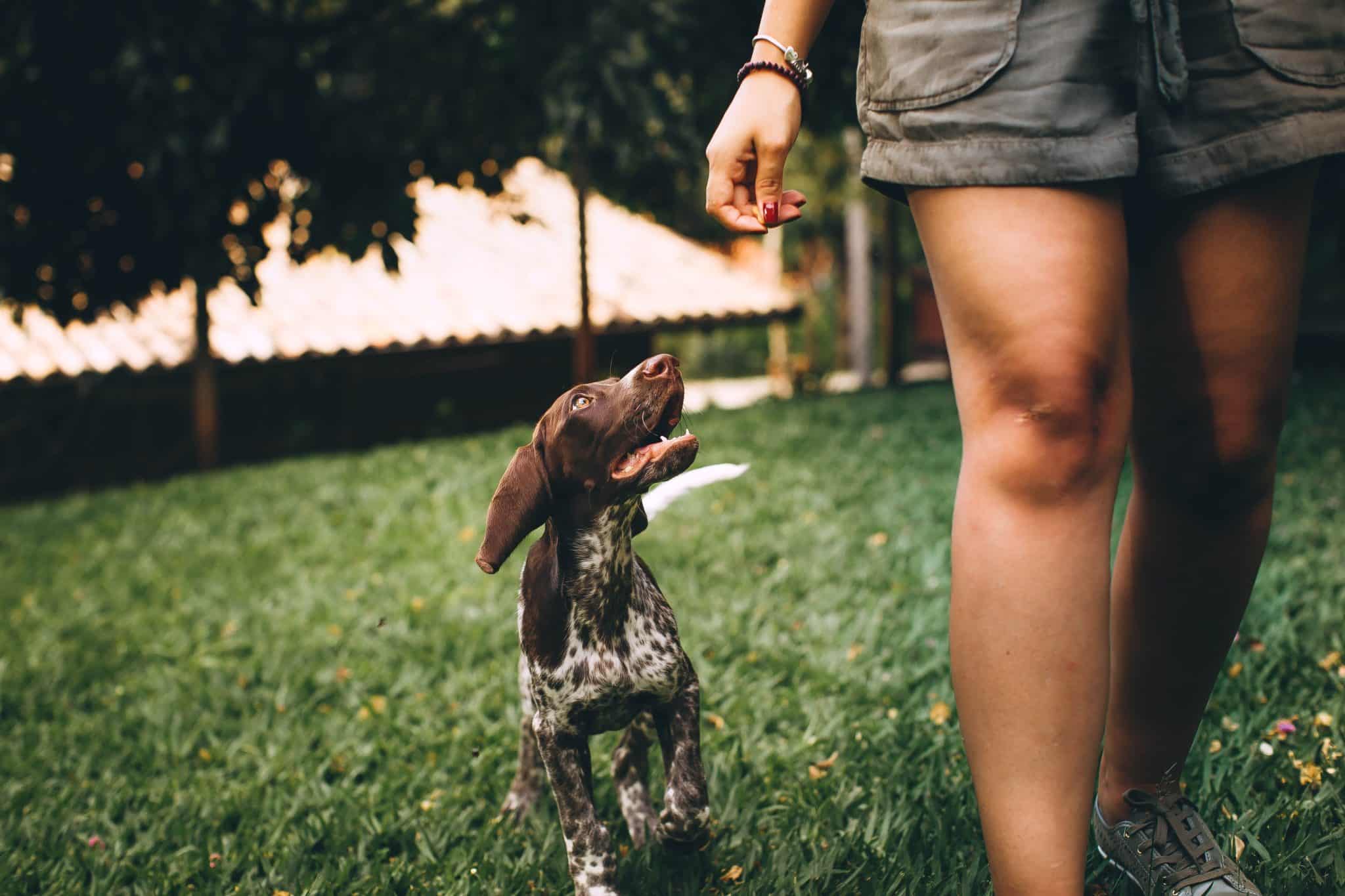
Changes in your dog’s health can sometimes explain an increase in the following behavior. An older dog may become more dependent on familiar people as vision, hearing, mobility, or cognitive function changes. Staying nearby can help them navigate their surroundings and feel more secure. Similarly, a dog experiencing pain, nausea, weakness, or general discomfort may seek reassurance from someone they trust instead of resting alone. Pay attention if your previously independent dog suddenly begins shadowing you much more often. Other changes, such as reduced appetite, unusual panting, restlessness, confusion, altered sleep, or reluctance to move, can provide important clues. Senior dogs may also develop age-related cognitive changes that affect their routines and behavior. A veterinary examination is especially important when the change is sudden, persistent, or accompanied by other symptoms. Rather than assuming your dog is simply becoming extra affectionate, consider whether their behavior could be communicating a need for comfort or medical attention.
They Simply Enjoy Being Your Little Shadow
 Shutterstock
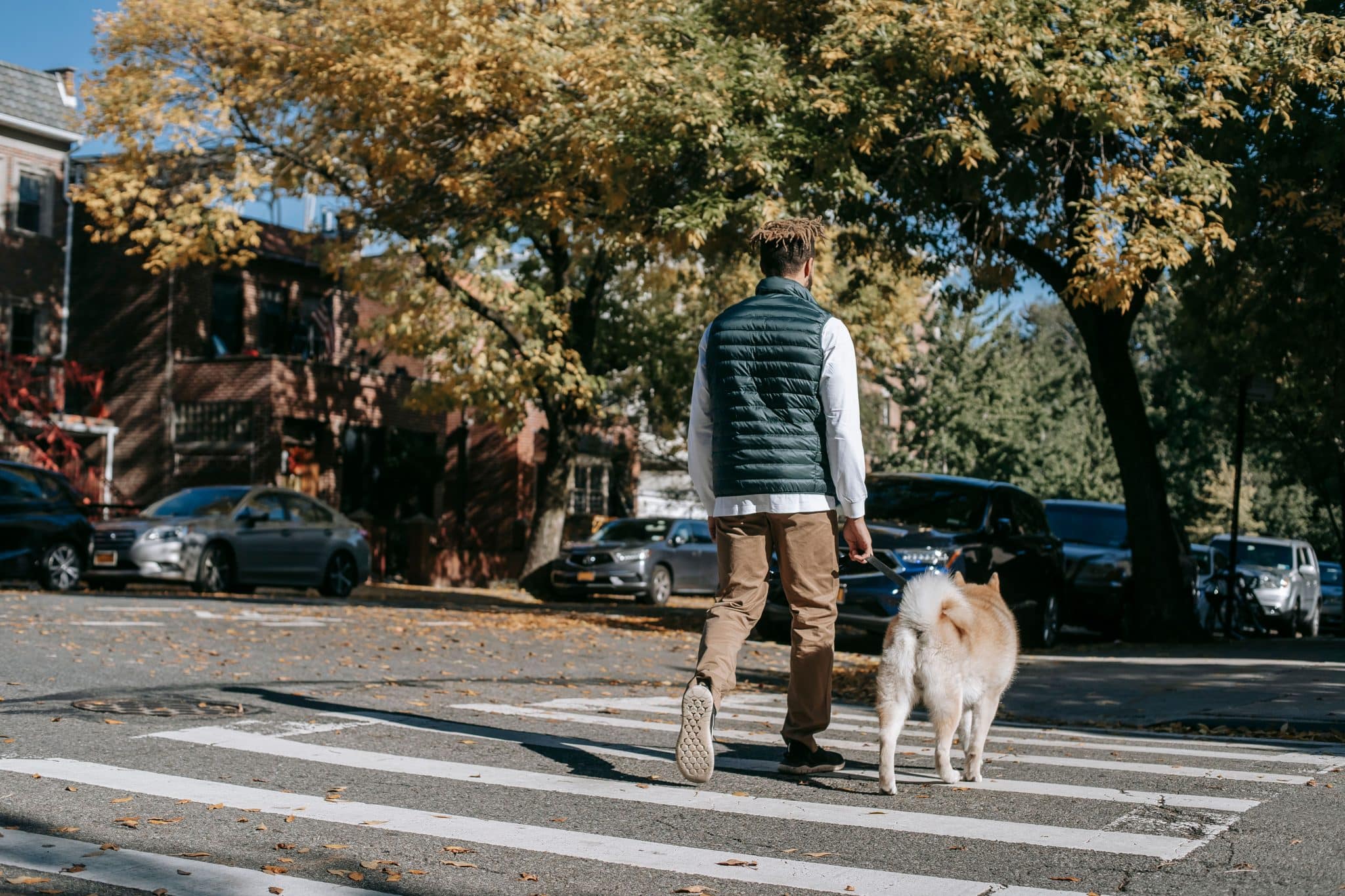
Sometimes, the explanation is wonderfully straightforward: your dog likes your company. They may not be anxious, bored, hungry, or waiting for a walk. They simply enjoy sharing space with you, even when the activity involves folding laundry, answering emails, or moving between rooms for reasons that make absolutely no sense to their canine supervisor. Dogs have individual personalities, and some are naturally more attached to their people than others. A confident, content dog can enjoy following you while remaining perfectly capable of relaxing independently when needed. If your pup follows you with a loose body, settles comfortably nearby, and handles short separations without distress, the behavior may simply be part of their affectionate personality. You can enjoy this closeness while still teaching useful skills, such as staying on a bed or resting in another room. A healthy relationship gives your dog both companionship and confidence.
The Furry Supervisor Never Takes A Day Off
 Shutterstock
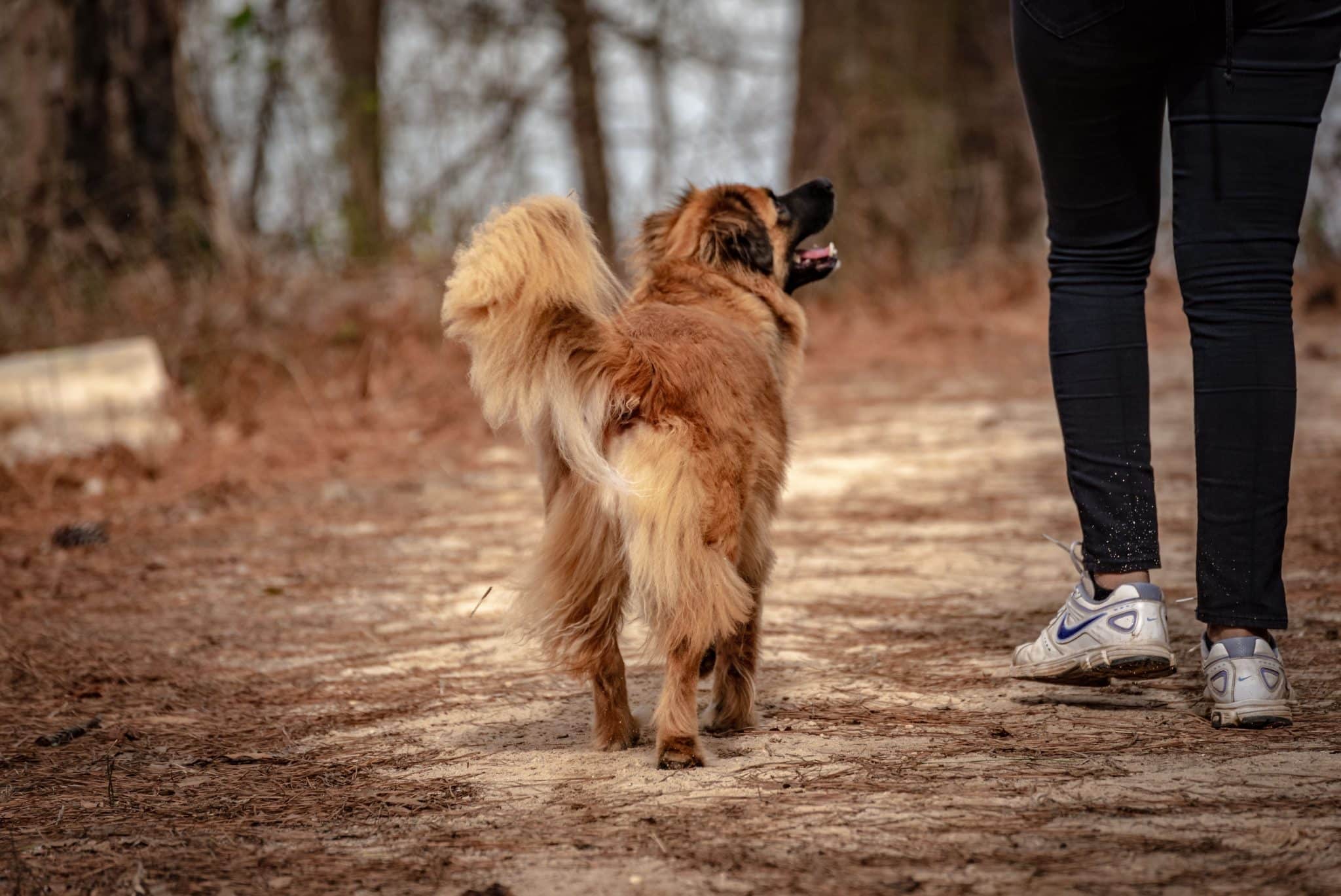
Having a dog who follows you everywhere can turn ordinary household activities into a surprisingly entertaining experience. One minute, you are heading to the kitchen, and the next, you have a furry assistant inspecting your every move as though you are conducting the world’s most important mission. This behavior can reflect affection, curiosity, social instincts, familiar routines, or a simple desire to spend time together. Understanding your pup’s individual personality helps you appreciate the companionship while recognizing when increased clinginess might signal boredom, anxiety, or a health concern. The goal is not to discourage every step your dog takes behind you, but to help them feel secure whether you are together or apart. Offer plenty of affection, appropriate exercise, mental enrichment, and predictable routines, while rewarding calm independence when opportunities arise. If your dog’s following becomes sudden, intense, or accompanied by signs of distress, consult your veterinarian for guidance. Otherwise, enjoy the devotion, even if privacy becomes a distant memory. After all, some dogs believe that being your best friend is a full-time job, and apparently, bathroom breaks require supervision.
This content was created with AI assistance and edited by the iHeartDogs team.
 Toledo, United States.