
 Shutterstock
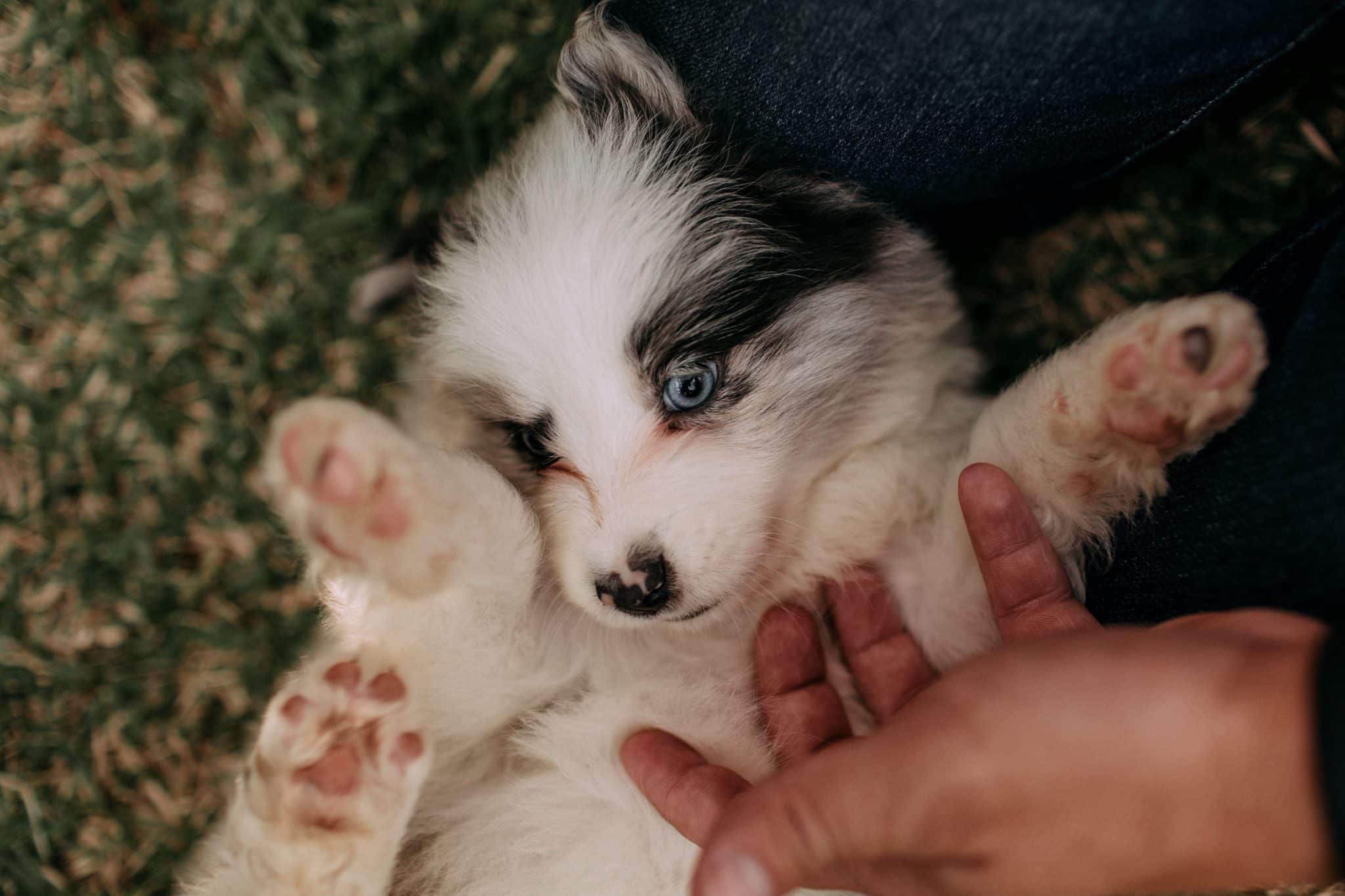
A dog’s trust is one of the most rewarding gifts a pet parent can receive. It grows through patience, kindness, consistency, and everyday moments that help a dog feel safe and understood. From relaxing beside you to seeking comfort during uncertainty, dogs communicate confidence in subtle, heartwarming ways. Although every dog expresses affection differently, certain behaviors reveal a strong bond. Recognizing these signs helps you appreciate your relationship and strengthen a connection built on security, respect, and unconditional love for years to come.
Your Dog Relaxes Completely Around You
 Shutterstock
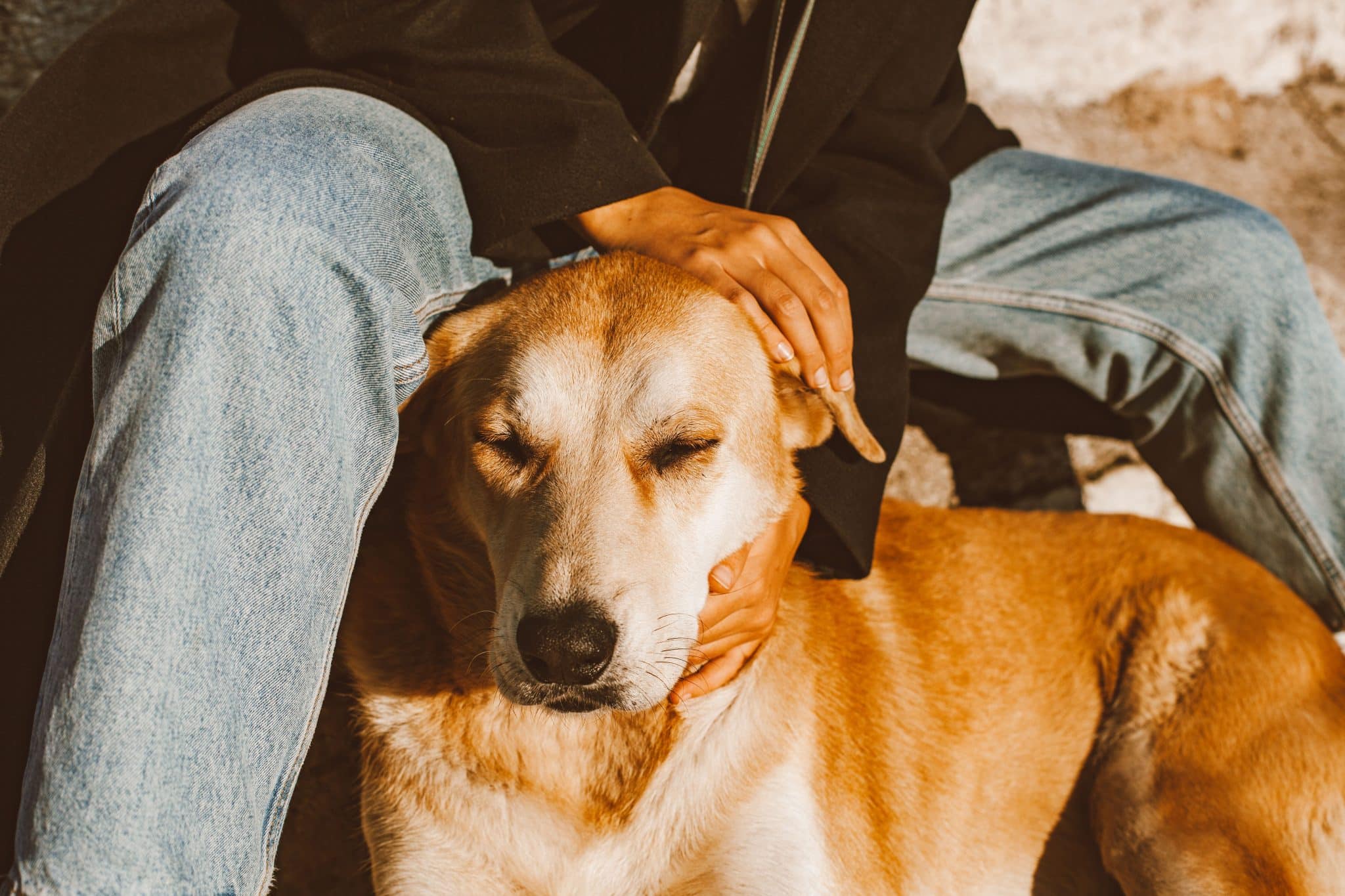
One of the clearest signs that your dog trusts you is the ability to relax in your presence. A comfortable dog may stretch out on the floor, rest on their side, loosen their muscles, or settle into a peaceful nap without repeatedly checking what you are doing. Their ears may rest naturally, their facial muscles may soften, and their breathing may become steady. These signals suggest that your dog feels safe enough to let their guard down. However, not every dog enjoys sleeping in an exposed position, and some naturally prefer curling up in a familiar bed or quiet corner. Trust is not about forcing your dog to relax in a particular way. It is about creating an environment where they can choose how to rest comfortably. When your dog regularly settles peacefully near you, it may be a meaningful sign that your presence feels reassuring rather than threatening.
Your Dog Seeks Comfort From You
 Shutterstock
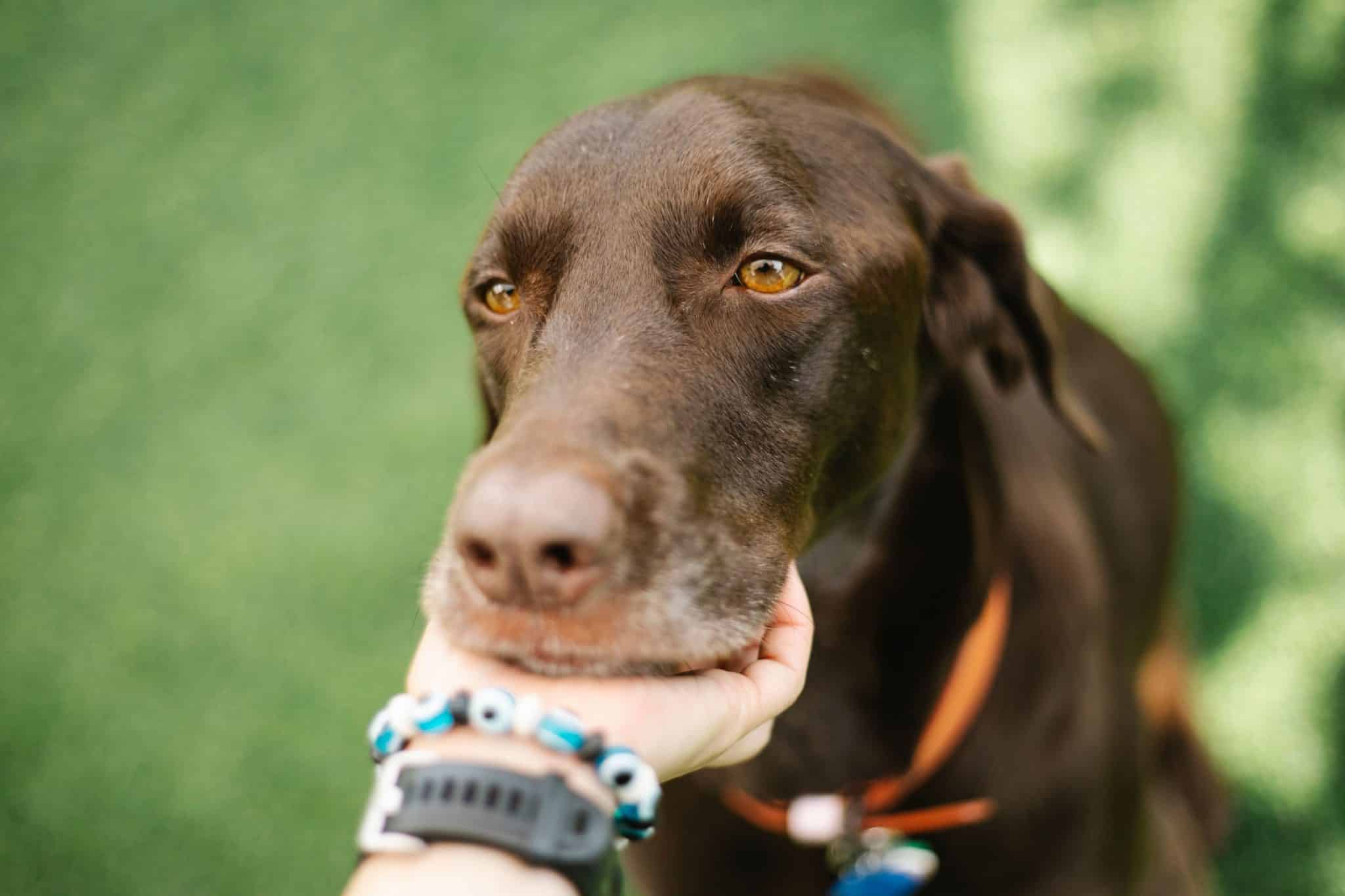
A trusting dog may turn to you when something feels frightening, unfamiliar, or overwhelming. Thunder, fireworks, unfamiliar visitors, and sudden noises can make some dogs uneasy, prompting them to approach their favorite person for reassurance. Your dog might stand close to your legs, lean gently against you, or settle nearby while observing the situation. This behavior suggests that your presence has become associated with safety and comfort. It does not mean your dog expects you to eliminate every frightening experience, but it can show that they feel comfortable seeking support from you. Respond calmly, allow them to choose their distance, and provide a quiet retreat when needed. Avoid forcing your dog to approach whatever frightens them, as this can increase their distress. A dog who voluntarily seeks you during uncertain moments may be demonstrating a powerful form of trust built through repeated experiences of gentle, dependable care.
Your Dog Makes Soft, Comfortable Eye Contact
 Shutterstock
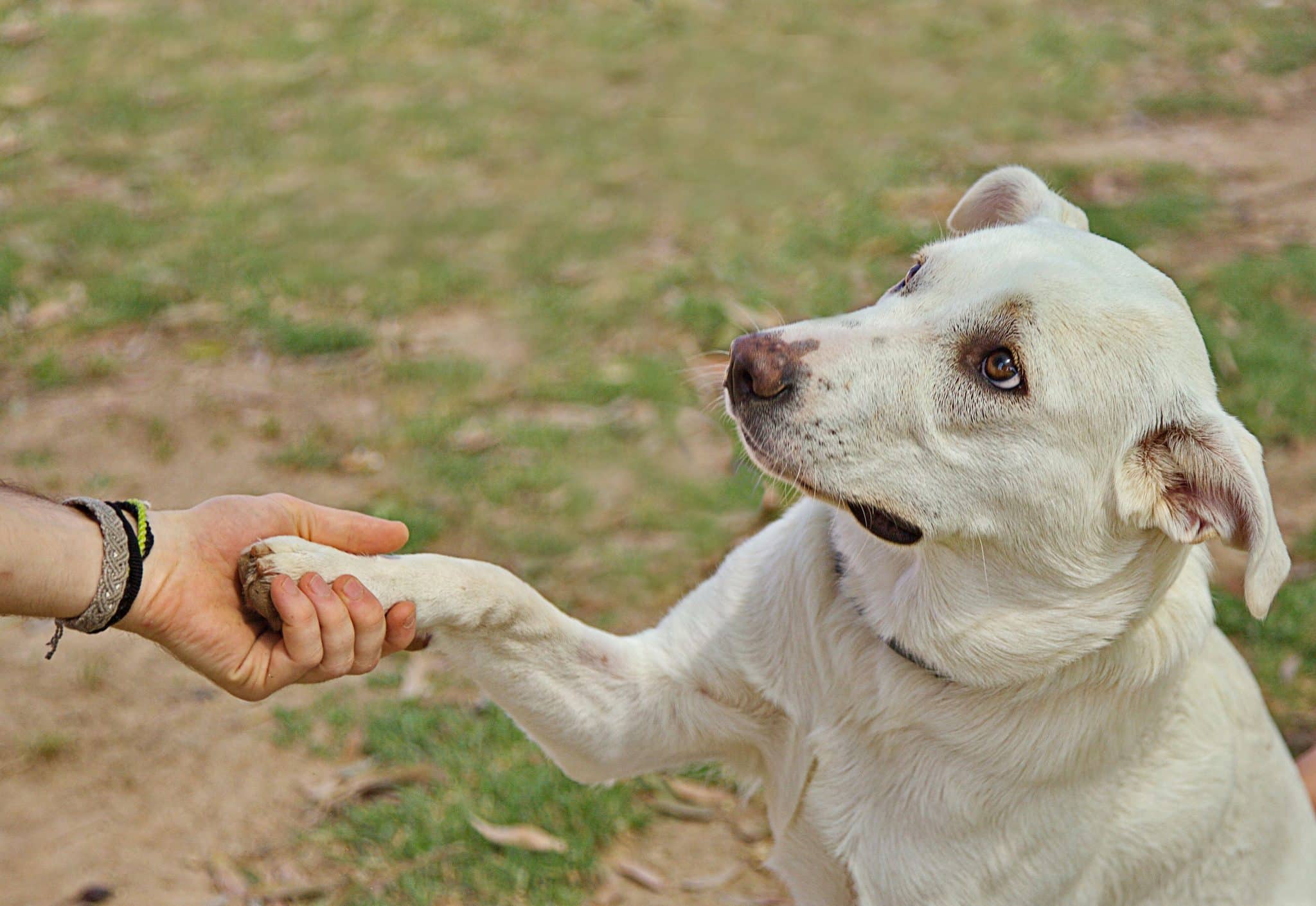
Eye contact can offer clues about your dog’s comfort level, especially when it appears naturally during calm interactions. A trusting dog may glance toward you with relaxed eyes, a soft expression, and loose facial muscles. They might look at you during a quiet moment, check in during a walk, or watch your face while waiting for a familiar cue. These gentle looks can support communication and reflect a positive relationship. However, prolonged staring is not always a sign of affection. A tense, fixed gaze combined with a stiff body, closed mouth, or other warning signals may indicate discomfort or a challenge. Dogs differ in how much eye contact they enjoy, and some may look away because direct staring feels uncomfortable. Respect your dog’s individual preferences instead of demanding eye contact. When your dog voluntarily looks toward you with a relaxed expression, it can be one small but meaningful sign that they feel secure in your company.
Your Dog Sleeps Near You
 Shutterstock
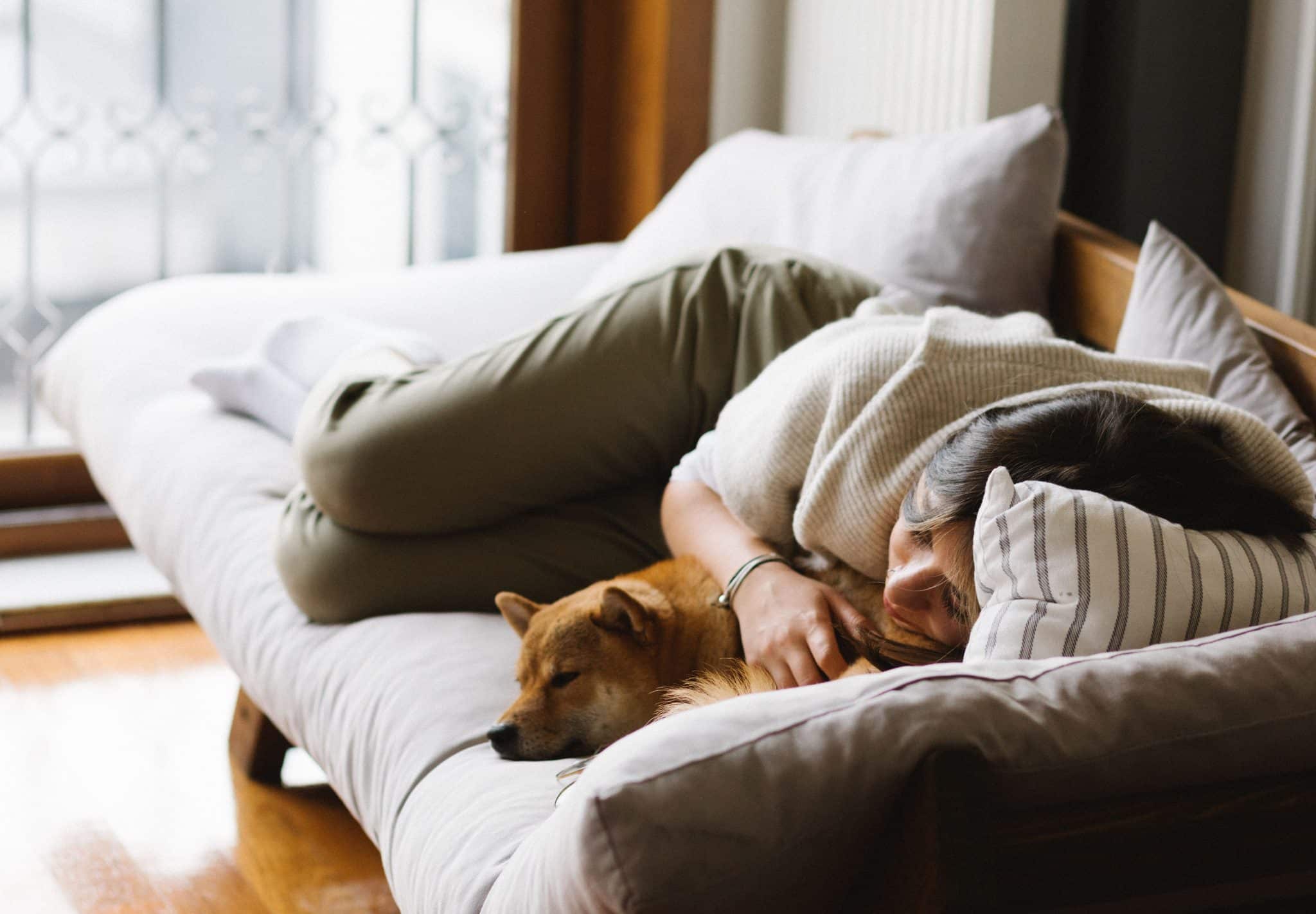
Sleep is a vulnerable state, so choosing to rest near you can indicate that your dog feels safe in your presence. Some dogs curl up beside the bed, settle near your feet, or choose a comfortable spot in the same room. Others prefer their own crate or bed but still enjoy resting where they can see or hear you. These preferences can reflect individual personality, temperature, habit, and sleeping comfort, so sleeping directly beside you is not required for a strong bond. The important detail is whether your dog can settle peacefully without appearing tense or continually checking for danger. Provide a comfortable sleeping space and let your dog choose where to rest. Avoid disturbing them unnecessarily, particularly when they are deeply asleep. If your dog regularly chooses to sleep nearby, that voluntary closeness may reflect a reassuring connection built through familiarity, routine, and positive experiences.
Your Dog Shows You Their Belly Voluntarily
 Shutterstock
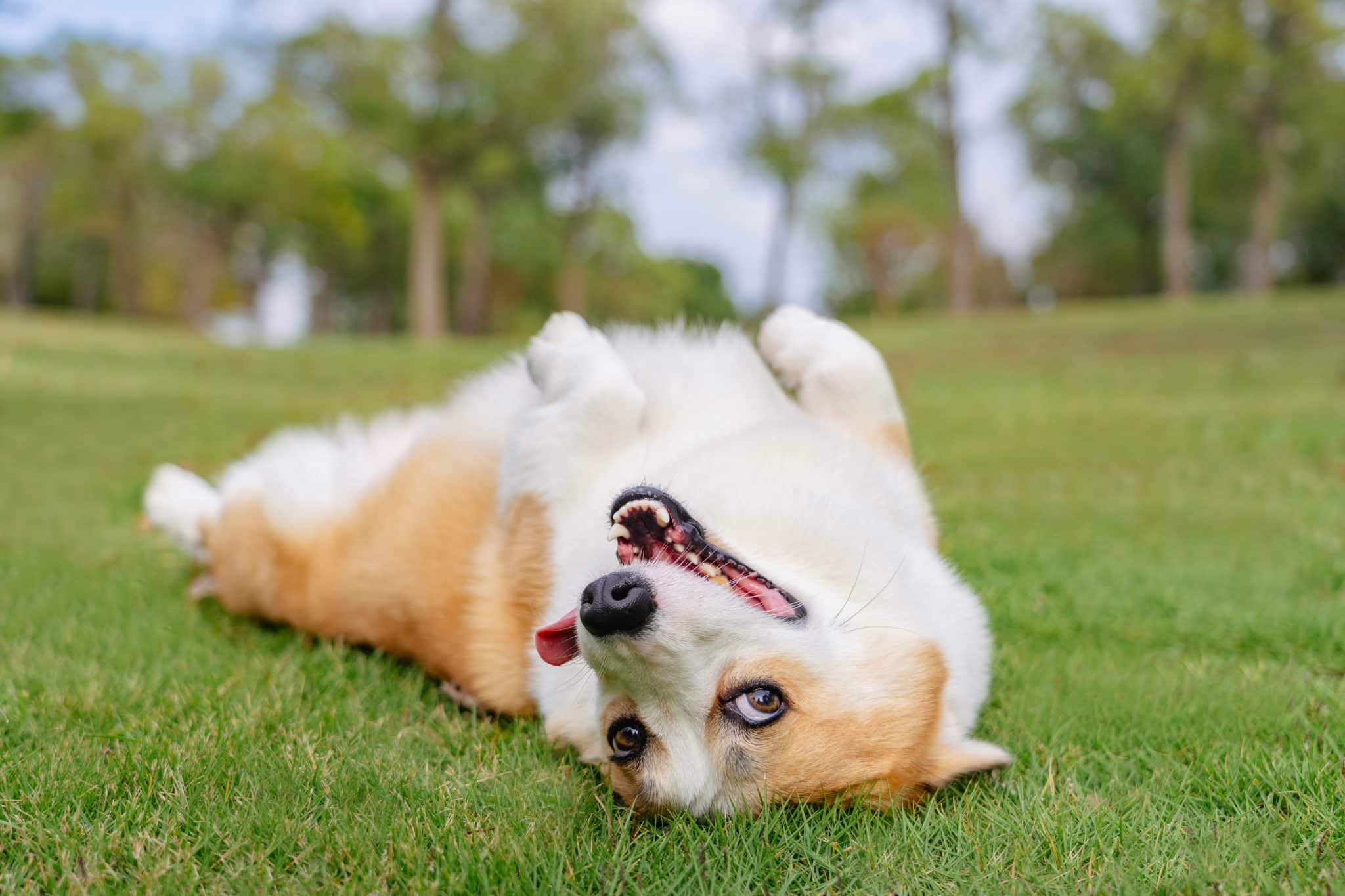
A dog rolling onto their back and exposing their belly can look like the ultimate invitation for affection, but the meaning depends on the rest of their body language. When a dog appears loose and wiggly, has a relaxed face, and approaches you willingly, the posture may reflect comfort or a desire for gentle interaction. Some dogs enjoy belly rubs, while others simply like stretching or showing that they feel relaxed. Importantly, exposing the belly can also be a submissive or appeasement gesture, especially if the dog looks tense, tucks their tail, or turns their head away. Do not assume every belly display means your dog wants to be touched. Pause, observe their response, and stop if they stiffen, move away, or appear uncomfortable. When your dog voluntarily relaxes around you and freely chooses affectionate contact, that willingness can be a lovely sign of growing trust.
Your Dog Brings You Favorite Toys
 Shutterstock
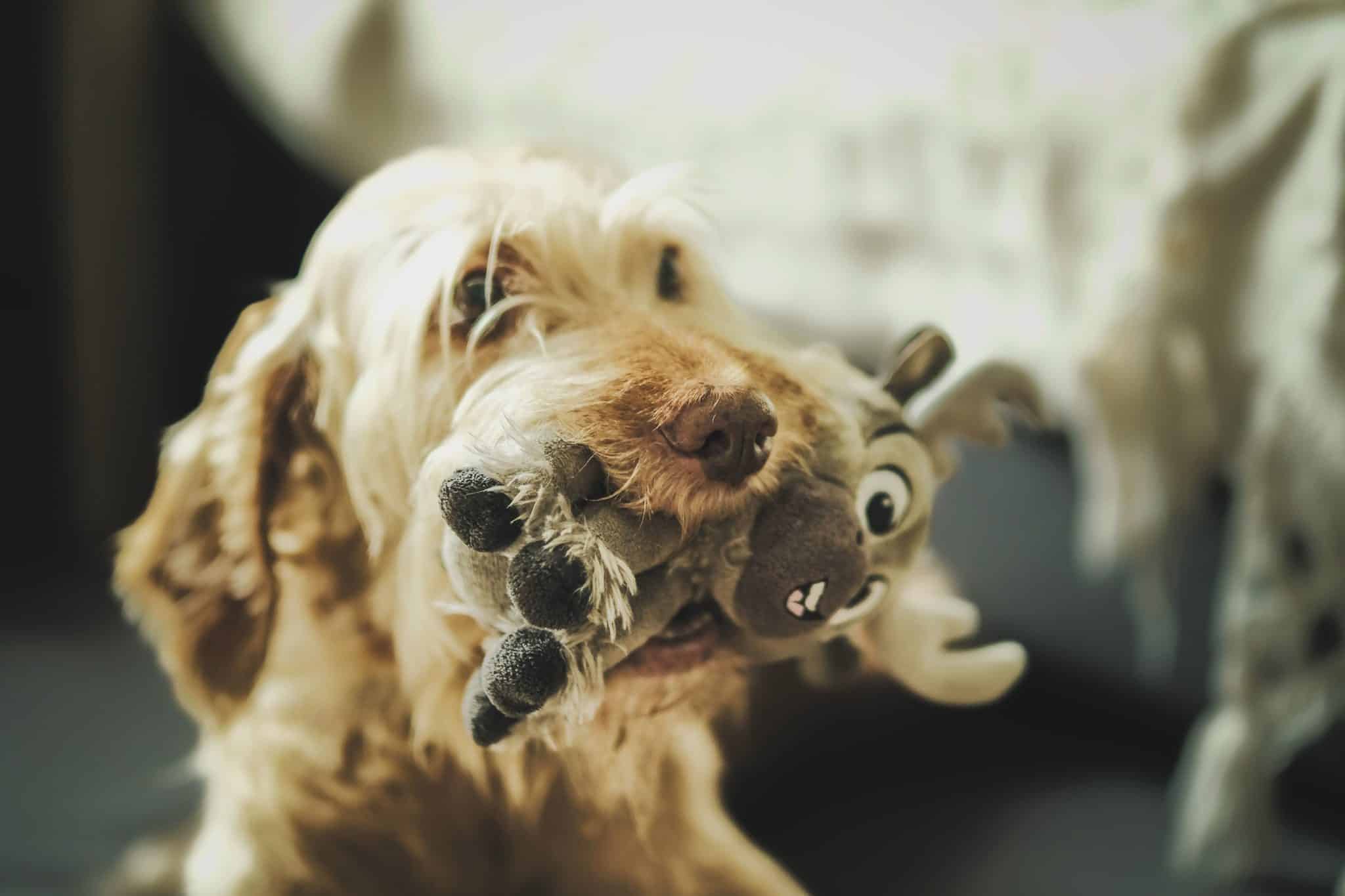
When your dog brings you a favorite toy, it may be an invitation to play, an attempt to gain your attention, or a way of sharing an activity they enjoy. Dogs often learn that bringing a ball, soft toy, or tug toy leads to fun interaction with their favorite people. This repeated exchange can strengthen your relationship because it combines communication, predictability, and positive experiences. Some dogs may also carry toys around their owners without wanting to play, while others prefer keeping their treasured objects to themselves. Avoid taking a valued toy by force, particularly if your dog seems protective of it. Instead, use gentle games, reward-based exchanges, and clear cues to make sharing enjoyable. A dog that regularly approaches you with a toy may be showing that they associate you with excitement, companionship, and rewarding attention. That playful invitation can be a cheerful sign of the bond you have built together.
Your Dog Checks In With You During Walks
 Shutterstock
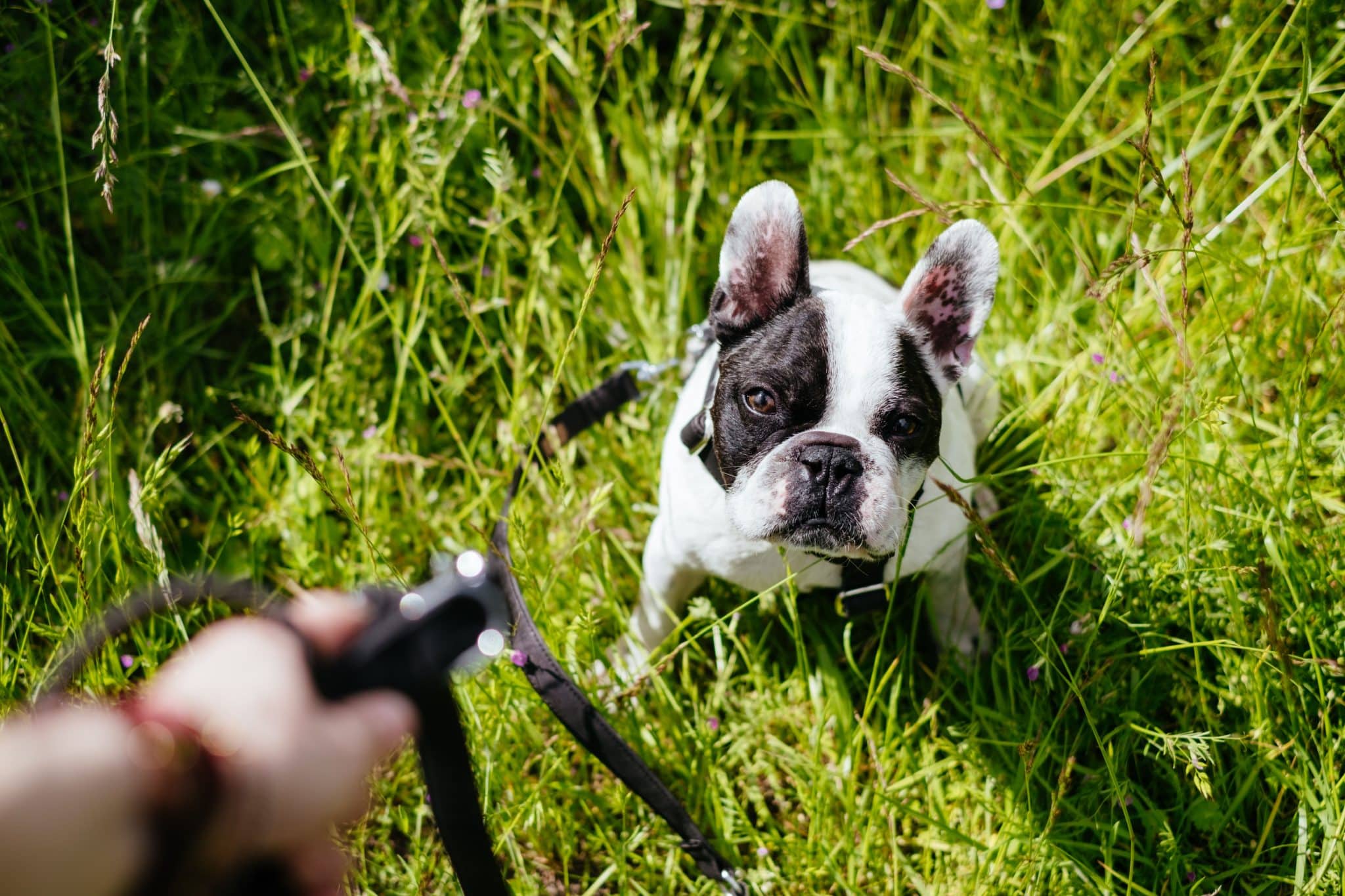
A dog that occasionally looks back at you during a walk may be keeping track of their trusted companion. These check-ins can happen when your dog explores an interesting smell, navigates a new route, or moves through an unfamiliar environment. Some dogs naturally glance toward their handlers for guidance, while others have learned that checking in earns praise or a treat. This behavior can support safer walks because it encourages communication and helps you maintain awareness of each other. You can reinforce it by rewarding voluntary eye contact, using a cheerful voice, and allowing appropriate opportunities to sniff and explore. Avoid expecting your dog to stare at you constantly, since walks should also provide freedom to investigate the world. When your dog explores confidently while still choosing to reconnect with you, it may indicate a healthy balance between independence and trust.
Your Dog Accepts Gentle Handling From You
 Shutterstock
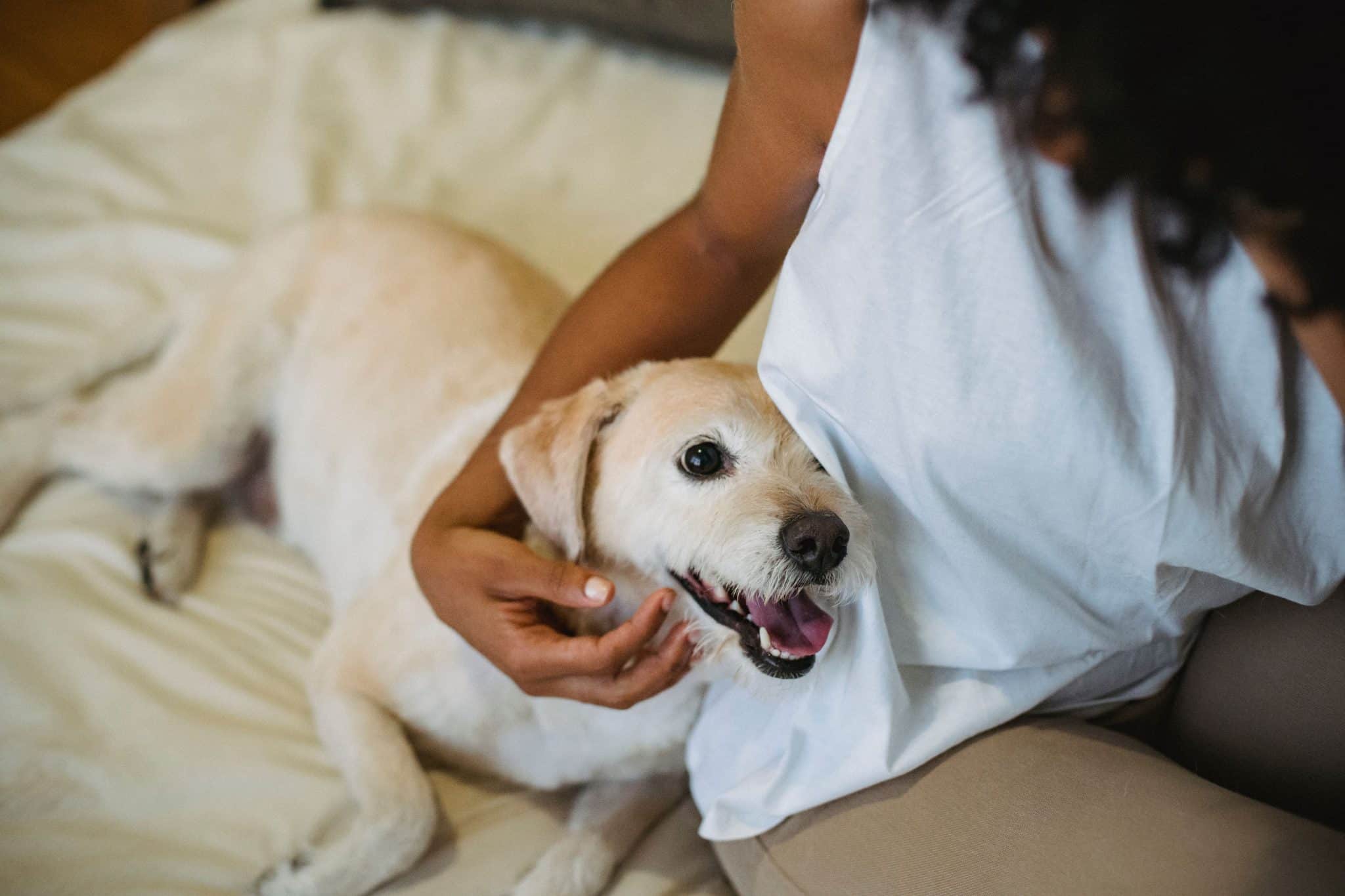
Trust may be reflected in your dog’s willingness to participate in everyday care, such as brushing, collar adjustments, paw checks, or routine grooming. A comfortable dog may remain relaxed while you handle them gently, particularly when these experiences have been introduced gradually and paired with positive rewards. This cooperation can make daily care easier and help you notice changes that may need veterinary attention. Still, tolerance is not the same as enjoyment, and even a trusting dog may dislike having their paws, ears, or face touched. Watch for signs of discomfort, including lip licking, turning away, freezing, tense muscles, or attempts to leave. Give your dog breaks and use short, positive sessions rather than forcing them to endure handling. Building trust around care means respecting your dog’s limits while helping them feel safe. A dog who willingly cooperates with familiar handling may have learned that your touch is predictable and gentle.
Your Dog Plays Freely Around You
 Shutterstock
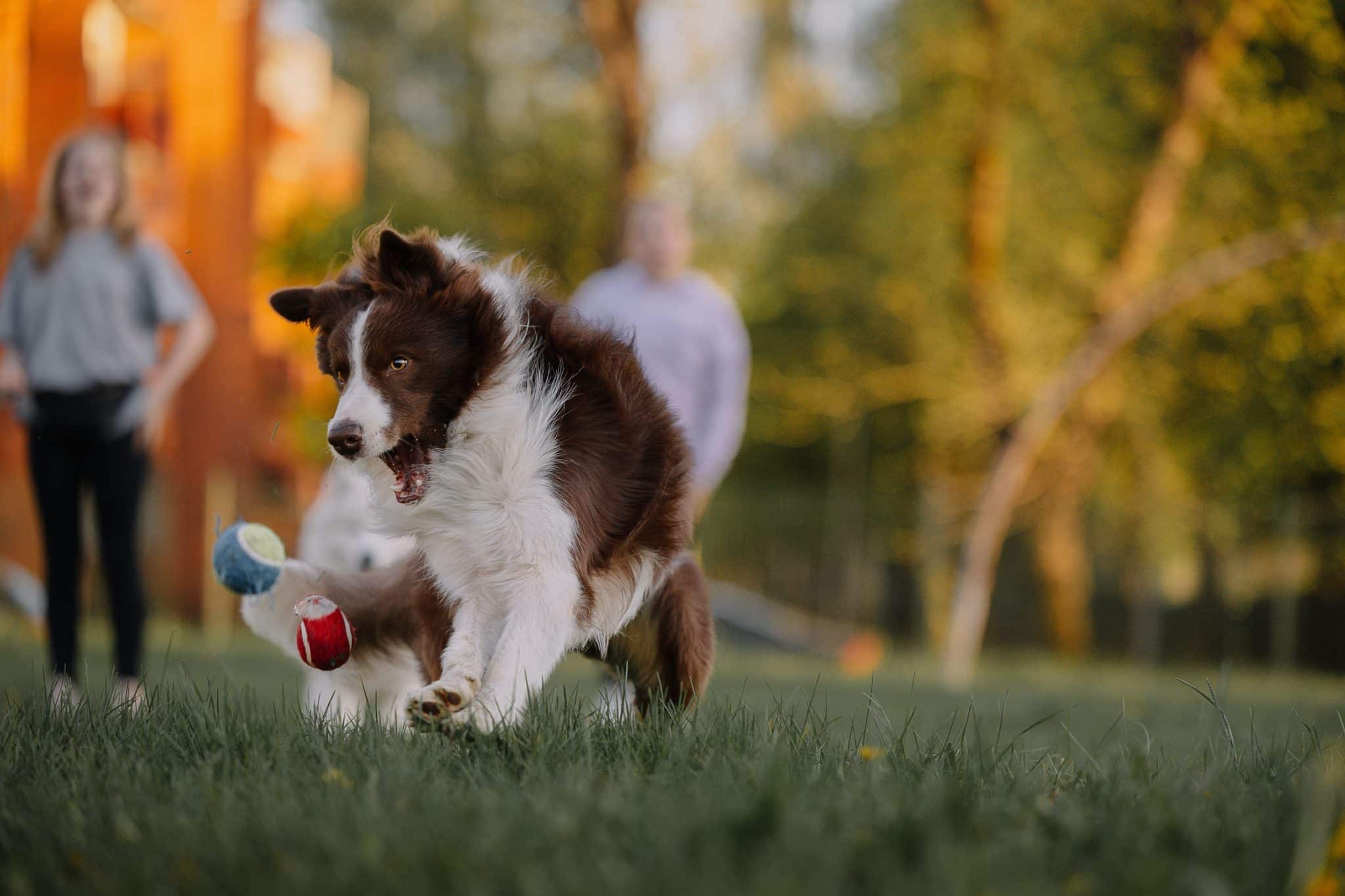
Playfulness can reveal a great deal about how comfortable a dog feels. A trusting dog may bounce around, initiate games, perform a playful bow, or briefly run away before returning to invite another round. Some dogs become delightfully silly around familiar people, showing off favorite toys or inventing their own games. Play can encourage bonding because it allows dogs and humans to communicate through enjoyable, repeated interactions. However, dogs vary in their preferred play styles, and a quiet dog can trust you just as deeply as an energetic one. Keep games appropriate for your dog’s size, age, health, and temperament. Avoid rough play that causes fear or encourages unsafe behavior, and give your dog opportunities to pause. When your dog willingly initiates play and appears loose, happy, and engaged, it may indicate that they feel comfortable expressing themselves around you.
Your Dog Responds to Your Voice
 Shutterstock
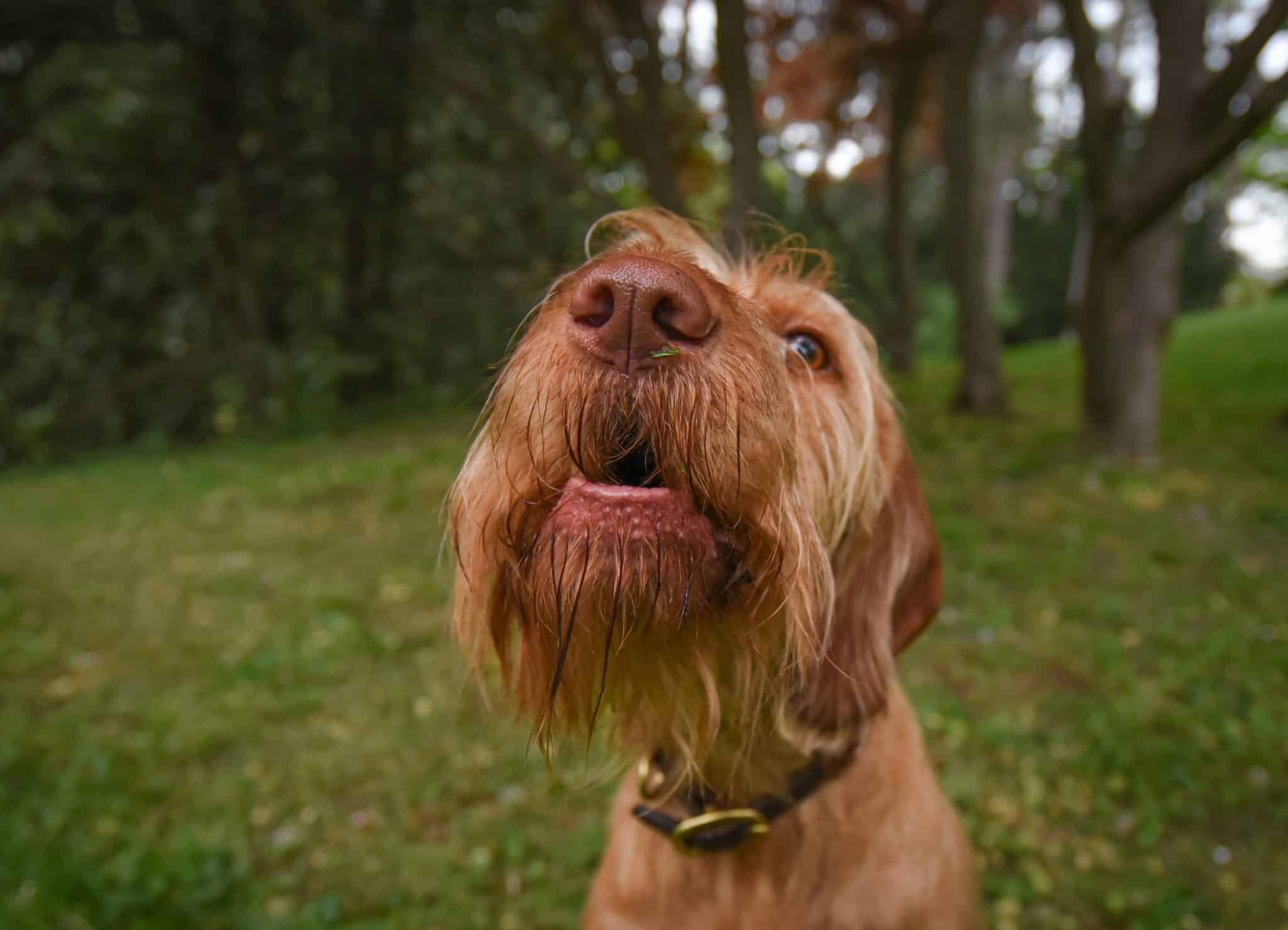
A dog who recognizes your voice and responds comfortably to familiar words may have developed a strong foundation of trust and communication with you. They might turn their head when you speak, approach when called, or settle after hearing a familiar, reassuring phrase. These responses develop through repetition, experience, and learning, particularly when communication is paired with rewards and calm interactions. However, a dog who does not respond immediately is not necessarily distrustful. Distractions, hearing changes, fear, age, and training history can all influence how a dog reacts. Use a friendly tone, reward desired responses, and avoid calling your dog only for unpleasant experiences. Reliable communication grows when your dog learns that listening to you is worthwhile and safe. When your dog frequently responds to your voice with relaxed attention or willingly approaches you, it can be a reassuring sign of familiarity and a positive relationship.
Your Dog Chooses to Stay Close Without Being Asked
 Shutterstock
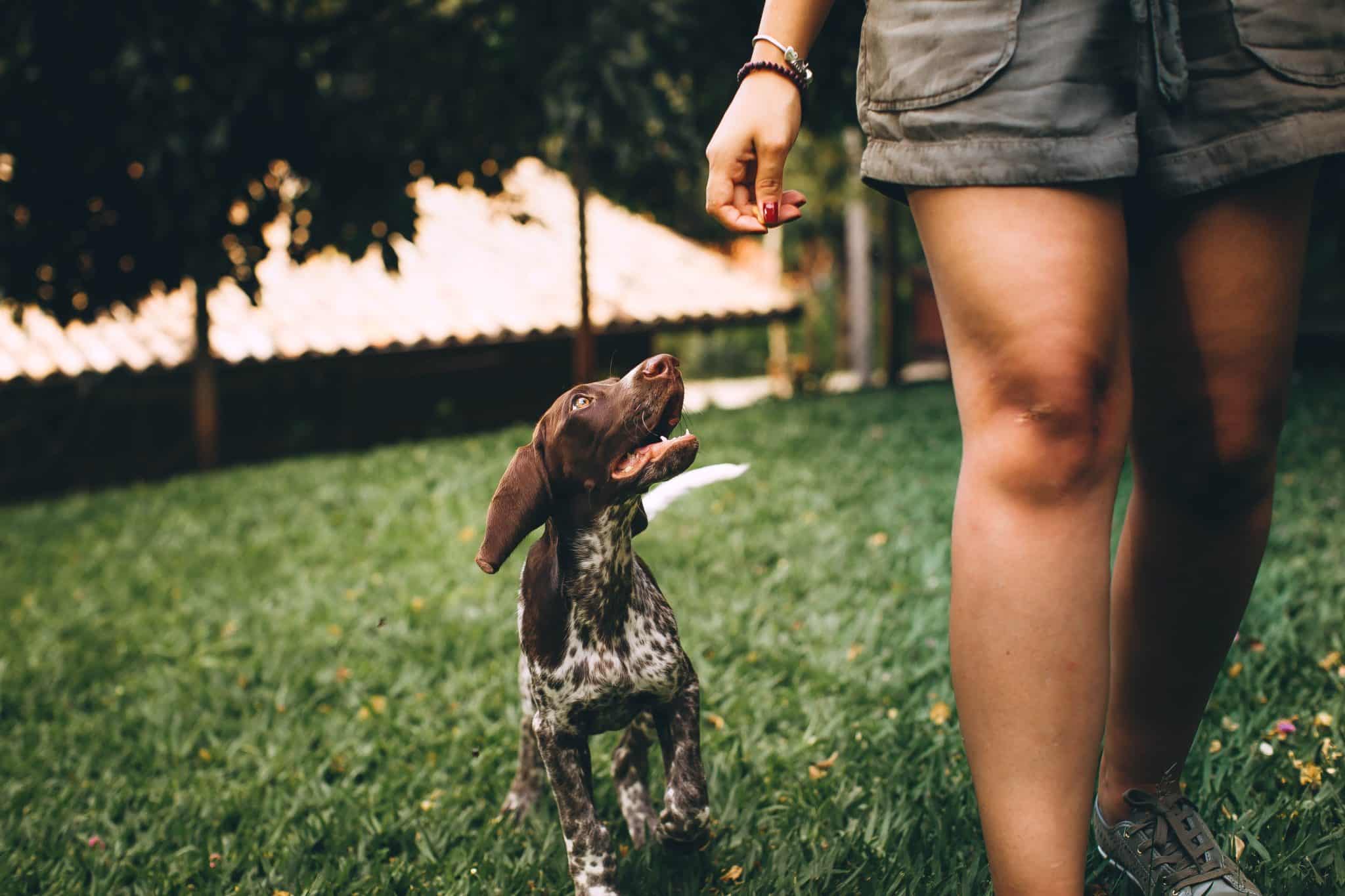
Perhaps one of the sweetest signs of trust is when your dog chooses your company even when nothing exciting is happening. They may settle near your chair while you work, follow you into another room, or lie nearby while you relax. Unlike behavior driven by a specific command or food reward, voluntary closeness can suggest that your dog simply enjoys feeling near you. However, constant following can also arise from anxiety, boredom, or difficulty being alone, so consider your dog’s overall behavior. A confident, trusting dog should also have opportunities to explore independently and rest comfortably when you are elsewhere. Encourage independence with enrichment, predictable routines, and gradual practice being alone when needed. If separation causes intense distress, consult a veterinarian or qualified behavior professional. When your dog chooses to spend quiet time with you while remaining comfortable and independent, it can be a beautiful reflection of the relationship you have built.
The Trust Department Has Approved Your Cuddle Application
 Shutterstock
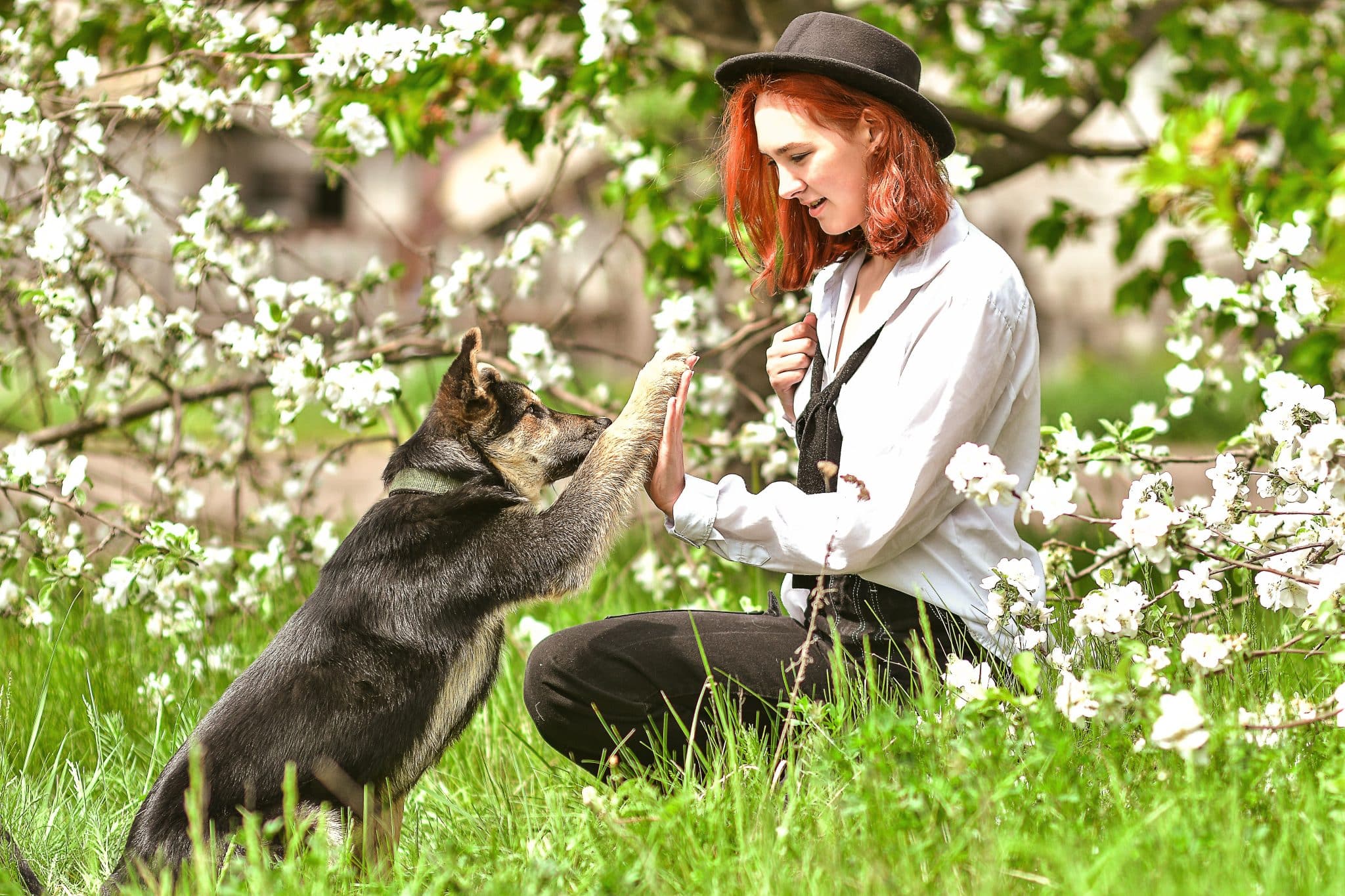
Earning a dog’s trust rarely happens through one grand gesture. It grows through daily actions, including keeping routines predictable, respecting boundaries, offering gentle guidance, and enjoying activities together. A relaxed nap nearby, a voluntary check-in, or a comforting lean may suggest your dog feels secure. Every dog has a unique personality, so affection looks different for each companion. Continue building your bond through patience, positive reinforcement, appropriate care, and respect. The reward is mutual understanding, with you becoming your dog’s trusted human, snack supervisor, and favorite pillow.
This content was created with AI assistance and edited by the iHeartDogs team.
 Toledo, United States.