
iHeartDogs is reader-supported. When you buy via links on our site, we may earn an affiliate commission at no extra cost to you.

✅ The Complete Lab Puppy Shopping List
Are you planning to welcome a new furry addition to your family in the form of a playful and adorable Lab puppy? As exciting as it may sound, getting everything your little pup needs can be overwhelming, especially for first-time pet owners. Fear not! Our ultimate Lab puppy shopping list covers all the essential items your little one needs to thrive and grow into a healthy adult. From food and bedding to toys and training aids, this comprehensive new puppy checklist of 22 must-have items will ensure you have everything you need to give your new furry friend the best start in life.
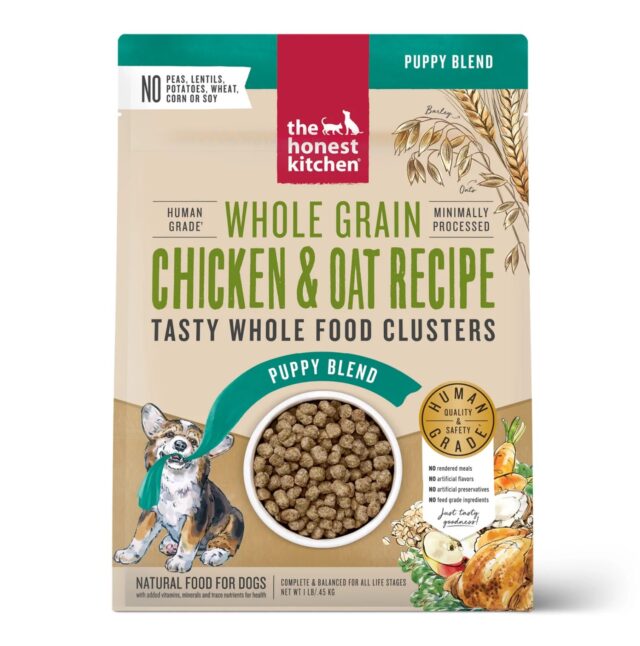
1. Lab Puppy Food
When it comes to choosing a good food for a Lab puppy, there are a few things to consider. Firstly, the puppy’s age. Puppies in the first few weeks of life will require different nutrition than older puppies. For example, a newborn puppy will need a food that is high in fat and protein, while an older puppy may require a food that is lower in fat and higher in fiber. Many Lab owners prefer to continue using the same food that the breeder or rescue was using, at least in the beginning. In addition, always speak with your veterinarian about their food recommendation.
To view which puppy foods iHeartDogs recommends, visit our guide here.

2. Hubulk Pet Dog Bowls
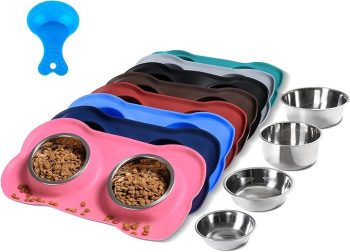
When choosing a water and food bowl for a Lab puppy, it’s important to choose one that is easy to clean and will not harbor bacteria. Plastic bowls are often the most popular choice, as they are inexpensive and can easily be replaced. However, plastic bowls are more likely to harbor germs. Stainless steel and ceramic bowls are a good choice, as they are more durable and do not hold onto odors. It’s important to choose a bowl that is the right size for your Lab puppy, as too large a bowl could make it difficult for them to eat and drink from it. Additionally, try to find a bowl with a non-slip bottom, as this will help to keep it from sliding around on the floor when your puppy is eating or drinking. Finally, check for any sharp edges that could hurt your puppy.
We love this puppy bowl from Amazon because it includes a silicone mat to prevent messes.

3. Personalized Dog Collar
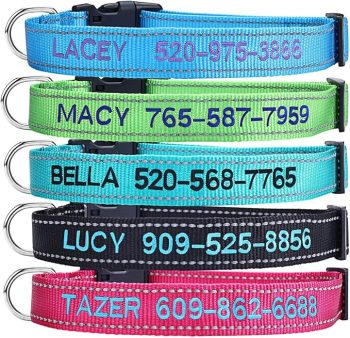
You’ll need a quality collar and a leash for your new Lab pup. Make sure the collar is the right size and comfortable for your pup to wear. Keep in mind, they will likely grow out of them quickly, so you may want to buy multiple in different sizes.
For collars, we love these simple and durable embroidered collars. Having your dog’s name and phone number personalized directly on the collar is an extra precaution, as dog ID tags can easily wear out and fall off.
4. Midwest Homes for Pets
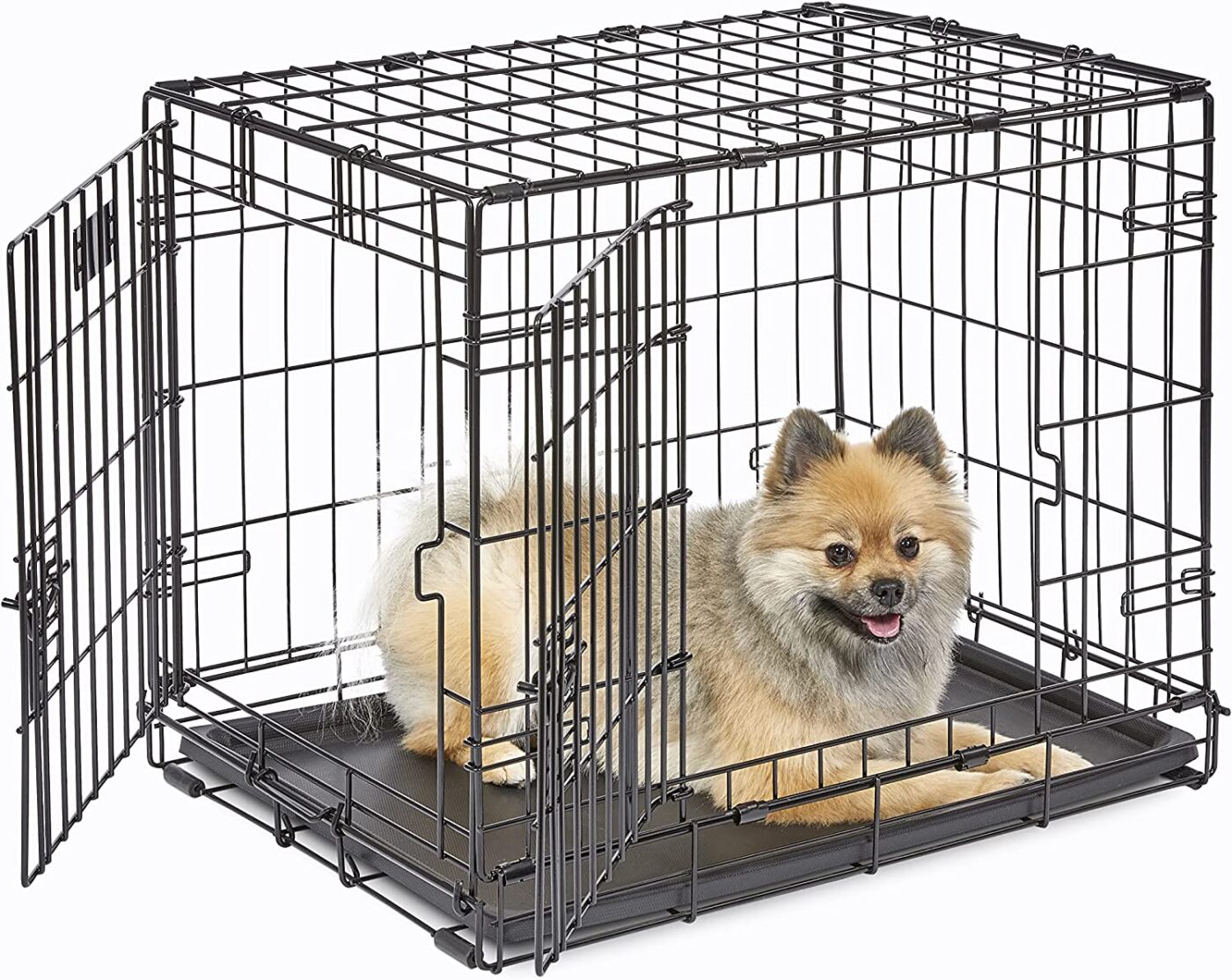
If you plan to crate train your pup, you’ll need a crate. When choosing a crate for your puppy, there are a few things to consider. First, make sure to purchase one that is the appropriate size for your puppy. The crate should be big enough for your puppy to comfortably stand up, turn around, and lie down, but not too big that they have too much extra space. Second, consider the type of crate you purchase. Wire crates are more breathable and typically lighter, but plastic crates create a more enclosed space, which is ideal for puppies that are anxious or crate-trained. Third, think about the features of the crate. Look for crates with removable trays, handles, and locks for safety and convenience. Lastly, consider the price range of the crate. Many pet stores have a variety of crates within different price ranges, so you can choose one that fits your budget.
This is Amazon’s best-selling dog crate. It can be adjusted as your puppy grows.
5. (3 Pack) Kong Puppy Binkie Dog Toy
When choosing toys for a new puppy, it’s important to find ones that are safe and durable. Look for toys that are made with non-toxic materials, are easily washable, and don’t have small parts that can be chewed off and swallowed. Soft, plush toys are great for cuddling and playing, and durable rubber or plastic toys can help with teething. Choose a variety of toys to keep your puppy entertained and help them learn about the world around them. It’s also a good idea to rotate toys. Periodically add and remove toys from your puppy’s toy box to keep them fresh and exciting. And lastly, always always monitor your puppy while playing to ensure they don’t destroy a toy and it becomes a choking hazard!
Kong brand toys are a great option for their durability and versatility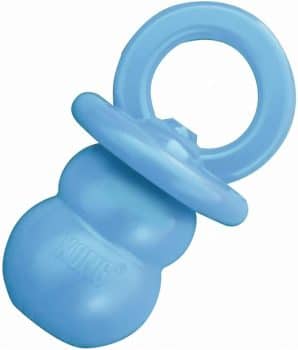
6. Earth Animal No-Hide Chews
In addition to durable toys, you’ll likely want to invest in some long-lasting natural chews for your Lab pup. Avoid chews with dangerous or synthetic ingredients like rawhide. Our puppies have always enjoyed the Earth Animal No-Hide chews. They look and feel like rawhide, but are made from safe, long-lasting ingredients.
No Hide chews are an excellent and very popular option for puppies

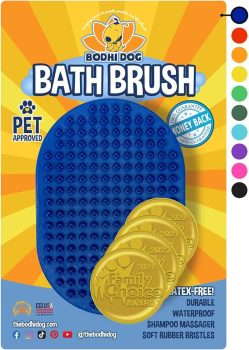
7. Bodhi Dog Shampoo Brush
If you plan to groom your pup yourself, you’ll need some basic grooming supplies. This includes a brush, shampoo, nail clippers, and anything else you need to groom your pup.
8. Dog Bed
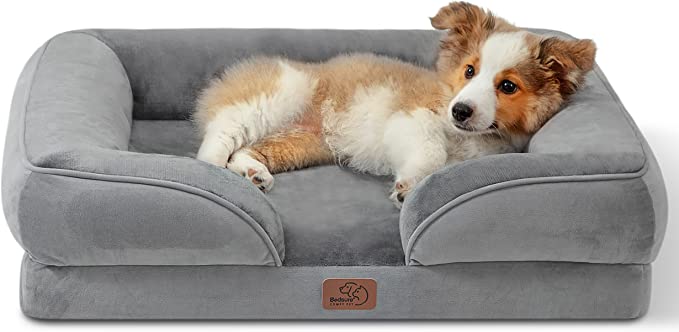
Choosing a good bed for your new Lab puppy is important. Look for one that is comfortable, supportive, and easily washable. Make sure the bed is large enough for your puppy to grow into, and that the material is durable enough to withstand wear and tear. Choose a bed that is made from a breathable material to help keep your puppy cool and comfortable. Finally, look for a bed that is easy to clean and maintain.
This washable and waterproof bed is currently the most popular puppy bed on Amazon
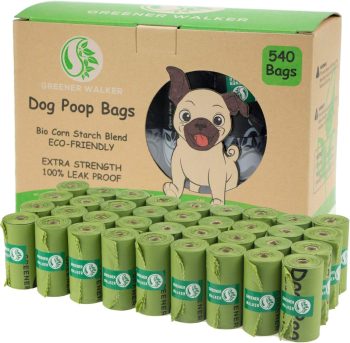
9. Greener Walker Poop Bags for Dog Waste
A good stock of poop bags is essential. The best deal we’ve found on eco-friendly bags is this 540-box on Amazon. Don’t skimp on quality, as there is nothing worse than putting your hand into a poop bag only to find a hole!
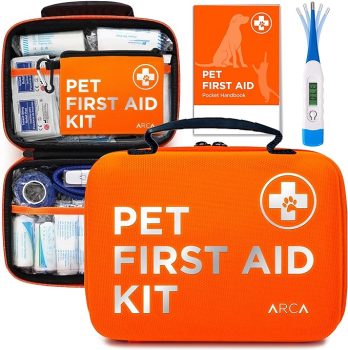
10. Cat & Dog First Aid Kit for Car
Accidents can happen, so it’s important to have a pet first aid kit on hand in case of an emergency. This should include items like gauze, bandages, and antiseptics.
This economical first aid kit contains all the basics plus an emergency collar and thermometer.
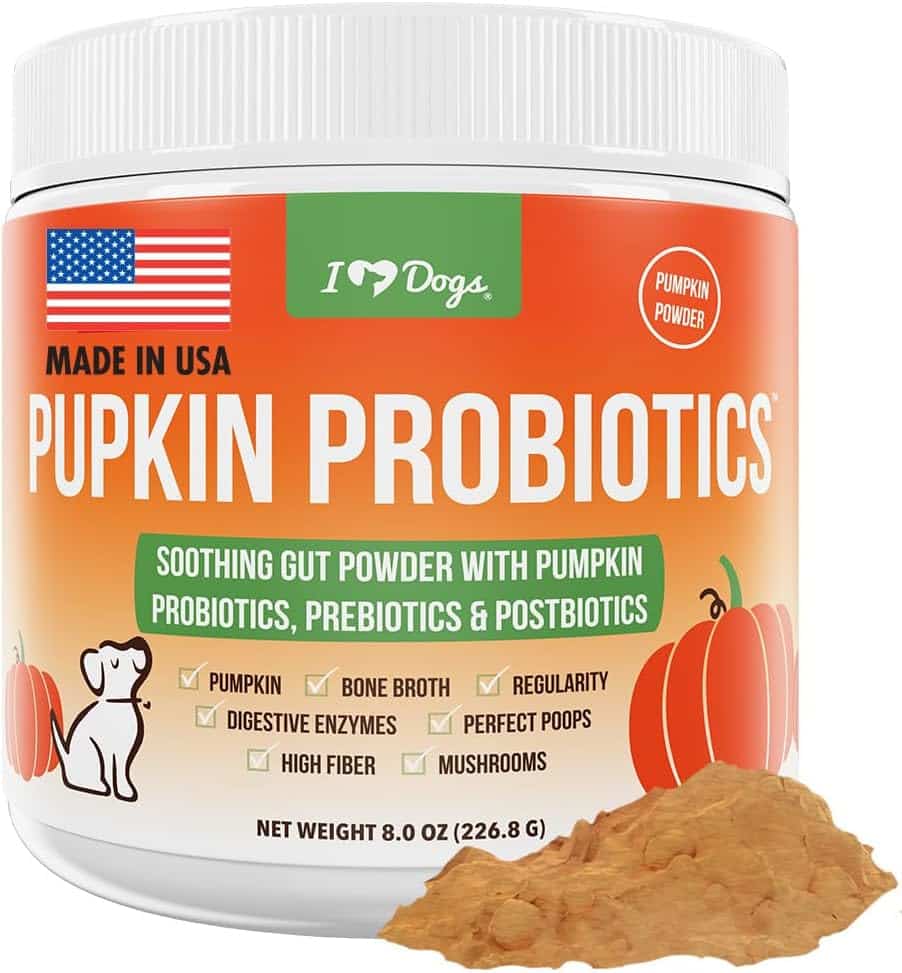
11. iHeartDogs Pupkin Probiotics
Transitioning to a new home can be stressful for your new Lab pup. This stress often results in an upset stomach, which can make potty training extra difficult. A good quality, multi-strain probiotic can help soothe your dog’s stomach and regulate their bowel movements. We like this Pupkin Probiotic, Prebiotic, and Post-biotic for dogs with Pumpkin on Amazon.
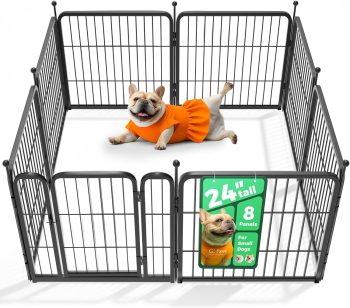
12. Puppy Gate or Pen
There will likely be times when you wish to keep your Lab puppy contained in a smaller area. There are many great puppy gates or pens available for such a need.
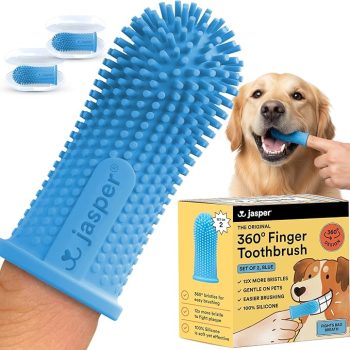
13. Jasper Dog Toothbrush
Veterinarians recommend getting your new puppy used to teeth brushing at an early age. They should quickly get used to the idea of someone touching their teeth. We like these small puppy finger toothbrushes.
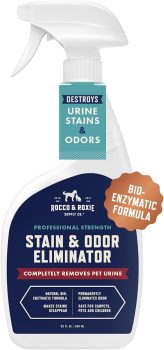
14. Rocco & Roxie Supply Co. Stain & Strong Odor Eliminator
Accidents happen! Inevitably, you’re going to need a good quality enzymatic urine cleaner. Our favorite formula is the Rocco and Roxie stain and odor eliminator on Amazon.
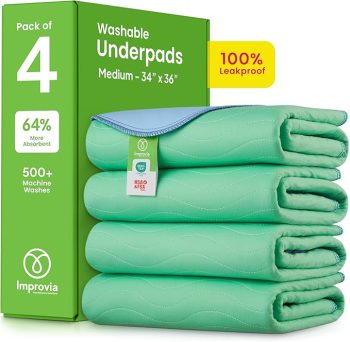
15. IMPROVIA® Washable Underpads
When choosing pee pads for your new puppy, it is important to consider the size, absorbency, and material of the pad. You’ll want to make sure the pad is large enough for your puppy to use comfortably and will last throughout the day. It’s also important to consider the absorbency of the pad. Look for a pad that will quickly and effectively absorb liquid and keep your puppy’s paws dry. In addition, you’ll want to make sure the material of the pad is safe for your puppy. Avoid materials that may contain harsh chemicals or irritants that could be harmful to your puppy’s skin. We love these eco-friendly, reusable potty pads on Amazon.
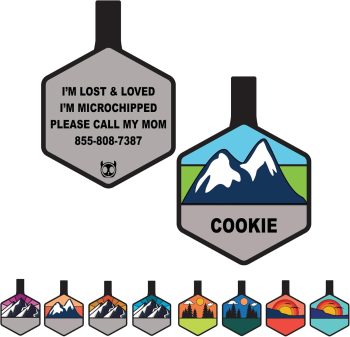
16. ID Tags
One absolute essential for your new pup is an ID tag to clip on their collar. In fact, go ahead and buy a couple, just in case one falls off! Make sure to include their name and 2 phone numbers where you can be reached if someone finds your pup. Always remember to remove the collar (along with the ID tag) if your puppy is left alone, as it can easily become tangled in something and risk serious injury. Here’s a roundup of our favorite dog ID tag designs on Amazon.
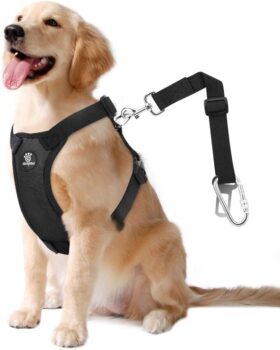
17. Dog Seat Belt, Safety Vest Dog Car Harness
If you plan on taking your Lab with you in the car, a seat belt that connects to their harness is a must! NEVER connect a seat belt to your dog’s collar, as even a small impact will put all the pressure on your dog’s neck.
We like this heavy-duty seat belt from Amazon that includes a harness as well.
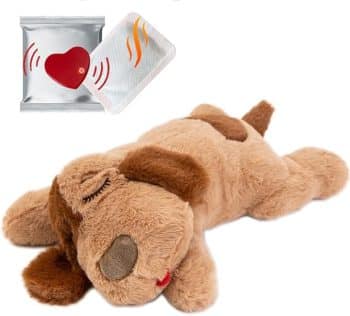
18. iHeartDogs Heartbeat Puppy Toy
One of the most popular new items for a Lab puppy is a calming heartbeat puppy plush toy. This plush mimics the heartbeat of a mother dog. It also includes a one-time-use heat pack to mimic the warmth as well. Many dog owners find these very useful for crate training or periods of time when the puppy needs to be left alone.
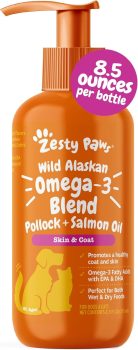
19. Zesty Paws Wild Alaskan Omega-3 Blend Pollock + Salmon Oil
Although not essential, if you were to give your Labrador Retriever puppy one supplement, it should be a high-quality omega-3 fish oil. Omega-3s, including DHA and EPA, play an important role in healthy brain development, joint function, skin health, and maintaining a soft, shiny coat during your puppy’s growth stages. While some puppy foods contain omega-3s, the amounts are often limited and can lose potency during the high-heat manufacturing process used to make kibble.
We like Zesty Paws Wild Alaskan Omega-3 Blend on Amazon. Made with wild-caught Alaskan pollock and salmon oil, it provides a rich source of essential fatty acids that support healthy skin and coat condition. Compared with many lower-quality fish oils, it has a cleaner scent, excellent palatability, and is easy to add to your Lab puppy’s daily meals.
20. Brain Games
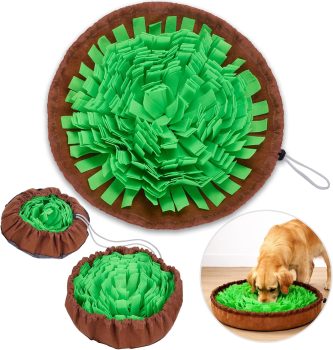
We all know puppies need to exercise their bodies, but what about their brains? Teaching a dog to use smell to find treats is called “nosework,” and it’s becoming an extremely popular way to engage a bored dog. Remember, a bored puppy is a destructive puppy!
We love these high-quality snuffle mats on Amazon. We tried several, and there is a big difference in fabric quality; many get dirty or tear easily.
21. Lab Puppy Training Course
Last, but certainly not least: don’t forget dog training! Training your Lab puppy is absolutely critical for their development. Dog training could even save their life in an emergency!
We’re big fans of SpiritDog training, as their online courses have excellent, easy-to-understand videos. They also allow you to ask unlimited questions to their trainers.
Here are our top recommendations for Lab puppy training courses:
- Potty Training for Labs Course
- Obedience Training for Labs Course
- Loose Leash Walking for Labs Course (teaching your Lab puppy not to pull)
- Coming When Called Lab Course
- Calming Down a Lab Course
They also have training bundles that are a much better value, since they contain multiple courses in one:
By having these items on hand, you’ll be well-prepared for your new Lab pup. While it might seem like a lot to buy, these items are essential for providing your pup with the care and attention they need. With the right supplies, you can give your pup the best start to their life.

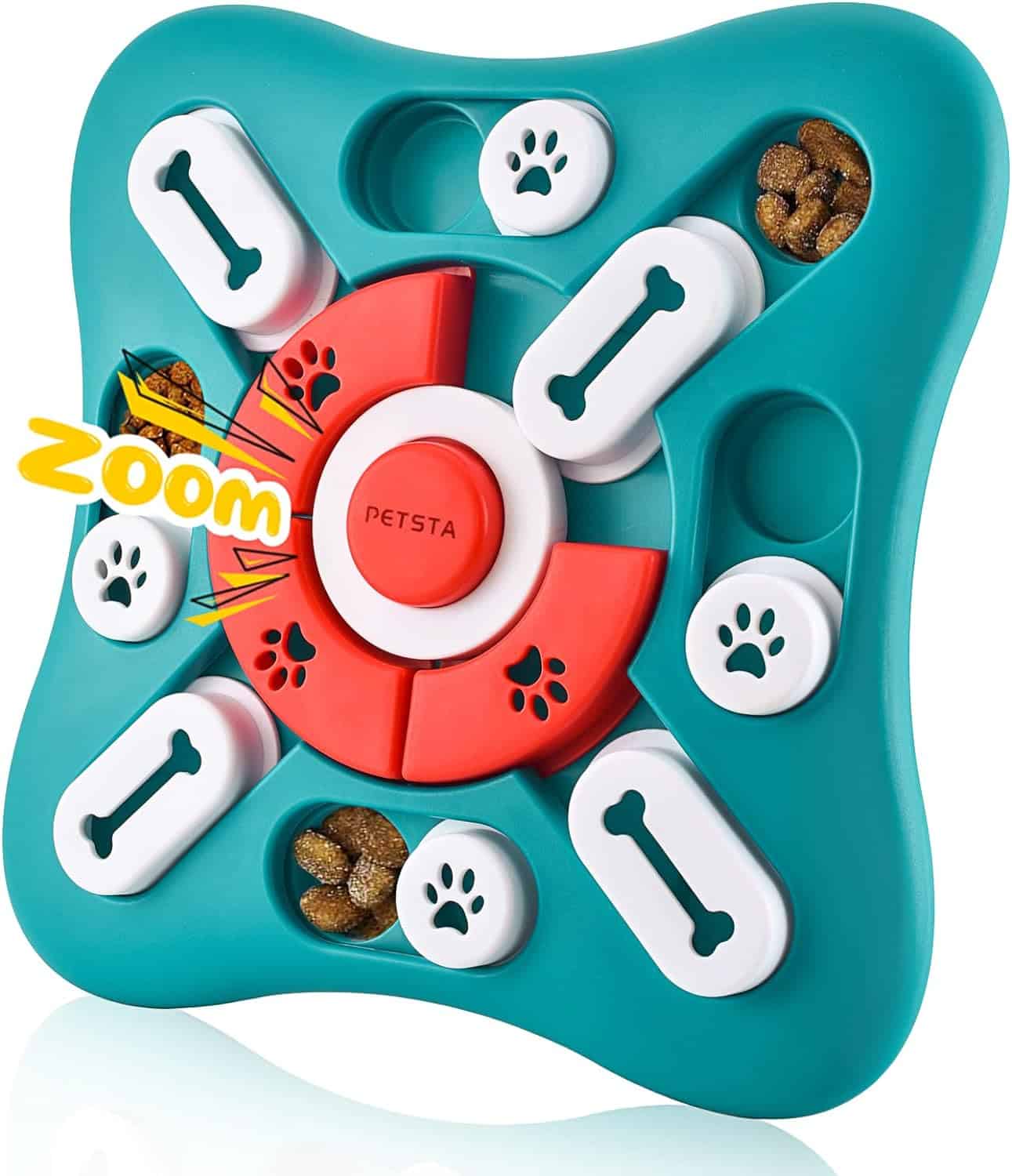
22. PETSTA Dog Puzzle Toys
A puzzle toy provides mental stimulation that helps keep a puppy’s mind sharp and engaged. It can reduce boredom and destructive behavior by offering a fun, rewarding challenge. Puzzle toys also encourage problem-solving and can help build confidence in young dogs.
Frequently Asked Questions by New Lab Shepherd Puppy Owners
1. What should I feed my Lab puppy?
One of the most important aspects of raising a healthy and happy Lab puppy is feeding them a well-balanced diet. It’s essential to choose high-quality dog food that contains all the essential nutrients your puppy needs to grow and develop. Look for a puppy food that is specifically formulated for large breed dogs, like Labradors, and contains protein, fat, carbohydrates, vitamins, and minerals. Avoid feeding your Lab puppy human food, as it can cause digestive issues and even be harmful to their health. Always provide your puppy with fresh, clean water, and avoid giving them too many treats or table scraps.
2. How often should I take my Lab puppy to the vet?
Regular veterinary check-ups are crucial to ensure your Lab puppy stays healthy and receives the necessary vaccinations and preventive care. It’s recommended to take your puppy to the vet at least once every three to four weeks until they are around four months old, and then every six months until they reach adulthood. During these check-ups, your vet will examine your puppy’s overall health, monitor their growth and development, and provide any necessary vaccinations and medications to prevent common puppy illnesses.
3. How can I potty train my Lab puppy?
Potty training your Lab puppy requires patience, consistency, and positive reinforcement. Begin by establishing a regular schedule for feeding and taking your puppy outside to go potty. Take them out first thing in the morning, after meals, and before bedtime. Watch for signs that your puppy needs to go, such as sniffing, circling, or whining, and immediately take them outside to their designated potty area. Reward your puppy with treats and praise every time they successfully go potty outside, and avoid punishing or scolding them for accidents inside. With time and patience, your Lab puppy will learn to associate going potty outside with positive rewards and develop good potty habits.
4. How can I socialize my Lab puppy?
Socialization is essential for helping your Lab puppy develop into a well-adjusted, friendly adult dog. Start by introducing your puppy to a variety of people, places, and experiences, such as different types of dogs, animals, and environments. Take your puppy to puppy playdates, puppy classes, and other socialization opportunities to help them learn how to interact appropriately with other dogs and people. Reward your puppy with treats and praise for good behavior and avoid scolding or punishing them for being fearful or shy. With consistent socialization, your Lab puppy will become more confident, outgoing, and well-behaved around other dogs and people.
5. How can I keep my lab puppy from chewing on everything?
Labrador puppies are naturally curious and love to explore the world with their mouths, which often leads to chewing on furniture, shoes, and other household items. To prevent destructive chewing, make sure your Lab puppy has plenty of safe, durable chew toys to satisfy their need to chew—especially during teething.
When you catch your puppy chewing on something they shouldn’t, calmly redirect them to an appropriate toy and praise them when they chew on it instead. Avoid punishment, as it can create fear or confusion. Puppy-proof your home by keeping tempting items like shoes, cords, and children’s toys out of reach.
Make sure your Lab puppy gets enough exercise and mental stimulation each day, as boredom often leads to unwanted chewing. Consistent redirection, supervision, and positive reinforcement will help your puppy learn what’s appropriate to chew on while keeping your belongings safe.
Key Essentials for Raising Your Lab
In conclusion, owning a Lab puppy is a rewarding and joyful experience, but it also requires a lot of responsibility and care. By following these common questions and answers, you’ll be better equipped to provide your puppy with the proper nutrition, healthcare, training, and socialization they need to grow into a healthy and happy adult dog. Remember to always consult with your vet if you have any concerns or questions about your Lab puppy’s health or behavior.
 Toledo, United States.