
If your dog isn’t eating their food, you’re not alone. Food refusal is one of the most common concerns dog owners search for, and most of the advice out there assumes the problem is the dog.
Most of the time, it’s not.
Dogs refuse food for specific, science-backed reasons, and once you know what they are, figuring out what to do gets a lot easier. Below, we cover why dogs stop eating, what to check first, and what tends to actually help.
How Dogs Smell What We Can’t
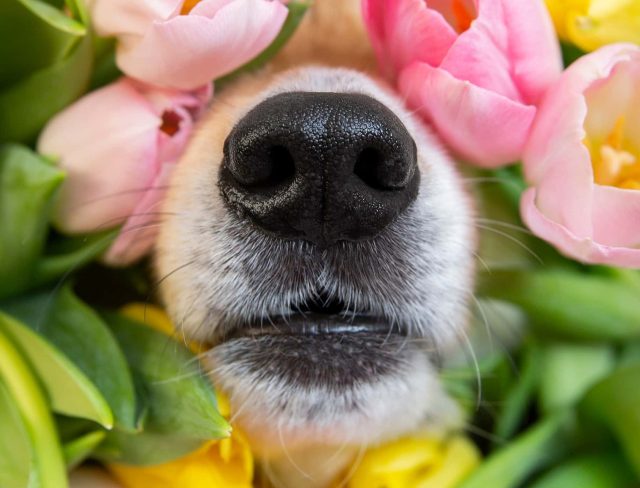
Here’s a number worth sitting with: dogs have roughly 300 million olfactory receptors in their noses. Humans have about 6 million.
That’s not a minor difference. That’s a completely different experience of the world. Your dog smells things you can’t detect, at concentrations you can’t begin to register. Their nose is, in a very real sense, their primary sense. It’s how they read food, their environment, and other animals.
So what does this mean for that bowl of dry food sitting on your kitchen floor?
Dry dog food starts oxidizing the moment you open the bag. This is called lipid oxidation, and it happens when fats in the food react with oxygen in the air. The process produces compounds called aldehydes and ketones that carry distinct odors as they form.
You probably can’t smell them. But your dog absolutely can.
This isn’t fringe theory. It’s basic food chemistry. A bag of kibble that smells perfectly fine to you may smell noticeably off to your dog before it’s anywhere near technically expired. The older the bag, the more pronounced the effect. Store it somewhere warm, and the process moves even faster.
Your dog isn’t being dramatic. Their nose is working exactly as it should.
It’s Not a Dog Problem. It’s a Food Problem.
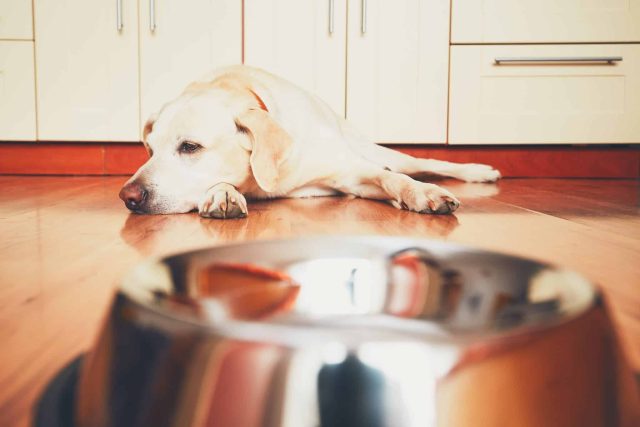
Most owners troubleshoot food refusal like a behavior issue. They skip a meal so the dog gets hungry enough to eat. They switch flavors within the same brand. They add broth, toppers, or mix-ins. They ask their vet if the dog is “just being picky.”
All of these steps treat the dog as the variable to fix.
The science points somewhere else.
Dry food is designed to have a long shelf life. Achieving that shelf life requires heavy processing, preservatives, or both. The end product may technically meet nutritional standards, but it doesn’t look, smell, or taste the way food does to an animal with a nose forty times more sensitive than ours. It’s been heated, extruded, dried, and packaged in ways that extend shelf life, and those processes change the food’s chemistry in ways that dogs can detect.
Freshly made food is different. Real meat and vegetables, gently cooked and quickly frozen, retain the natural moisture and aroma that dogs respond to. No oxidized fat. No chemical odor building up over time. The food smells like what it actually is.
That’s a meaningful difference when you’re feeding an animal built to detect it.
Discover how fresh, gently cooked meals with the appetizing smell of whole foods can make a difference for aging dogs, and see what a personalized plan from The Farmer’s Dog looks like.
What “Freshly Made” Actually Means
The phrase gets used loosely, so it’s worth being precise.
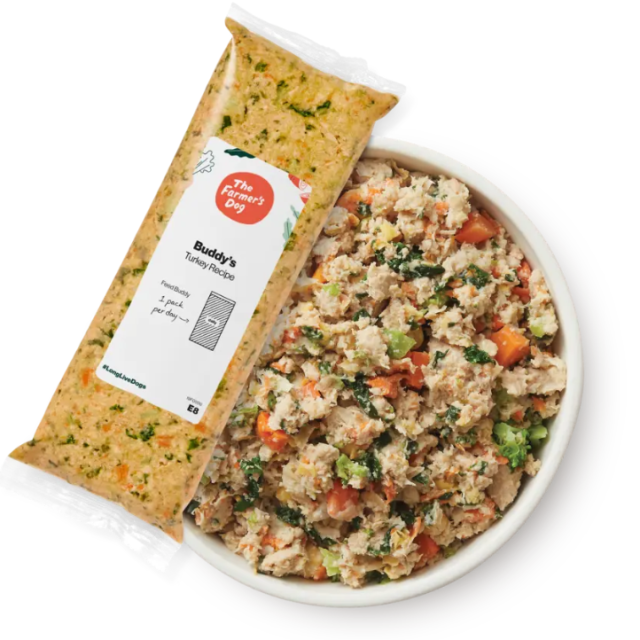
Freshly made dog food starts with whole meats and vegetables. It’s cooked at relatively low temperatures to eliminate pathogens while preserving the food’s natural moisture and nutritional value. Then it’s quickly frozen for delivery. No heavy preservatives. No high-heat extrusion process.
The Farmer’s Dog follows this definition specifically. Every recipe is developed by on-staff Board Certified Veterinary Nutritionists® (the highest credential in companion animal nutrition) and formulated to meet or exceed AAFCO and WSAVA guidelines.
So your dog isn’t just getting food that smells better. They’re getting complete and balanced nutrition built by the most qualified people in the field.
Plans are personalized, too. When you sign up, you share information about your dog: their age, breed, size, weight, and activity level. The plan is built around those specifics, and the food arrives in pre-portioned packs so you’re not scooping a cup that varies by a third every time. If your dog’s needs change, the plan can change with them.
This matters for food refusal in a practical way. Pre-portioning removes the guesswork around amounts. Overfeeding can blunt appetite over time. A dog who’s consistently getting too much food may not be picky so much as just not that hungry. Pre-portioned packs sidestep that problem from day one.
Fresh, human-grade food is also highly digestible, meaning your dog absorbs more of the food’s nutrients than they would from heavily processed options. Smaller poops are one of the most tangible signs owners notice first.
What to Do If Your Dog Won’t Eat
Before you try anything else, run through this checklist.
1. Check how long the bag has been open.
Lipid oxidation starts as soon as the bag is opened. If you’re more than a few weeks into a bag, the food may smell noticeably different to your dog, even if it seems fine to you.
2. Look at how you’re storing it.
Heat and air speed up oxidation. If you’re storing food in a warm garage or leaving the bag open between meals, switch to an airtight container in a cool, dry spot. It helps, though it doesn’t stop the process entirely.
3. Rule out a medical cause.
A dog who has been eating normally for years and suddenly loses interest in food may have something going on beneath the surface. Dental pain, nausea, gastrointestinal issues, and other conditions can all show up as appetite changes first. If food refusal is sudden, or if your dog seems off in other ways, such as lethargy, vomiting, or drinking more water than usual, talk to your veterinarian before trying a food switch.
4. Try a freshly made option.
If your dog sniffs kibble and walks away but eats something else eagerly, the food is the variable. A trial of freshly made food can answer the question quickly. Most dogs who are “picky” about processed food eat fresh food without hesitation.
5. Transition gradually.
When switching foods, give it 7 to 10 days. Mix the new food in slowly, increasing the ratio over time. This gives your dog’s digestive system time to adjust and reduces the risk of stomach upset.
FAQ: Why Won’t My Dog Eat?
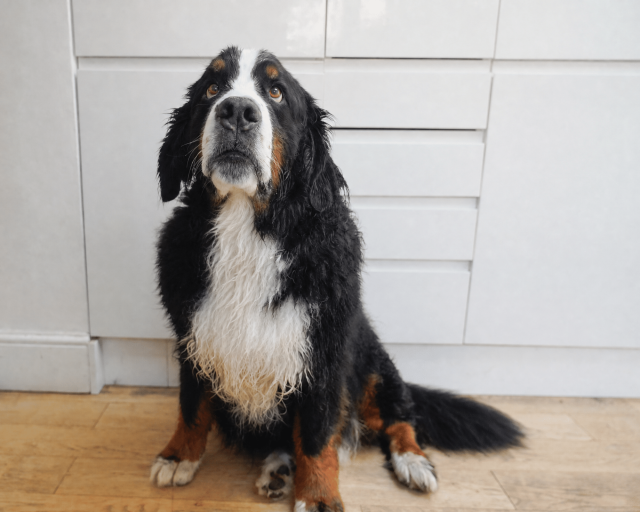
Why does my dog sniff their food and walk away?
Dogs have roughly 300 million scent receptors, far more than the 6 million humans have, and can detect subtle changes in food that we simply can’t smell. The most common reason a dog sniffs and walks away is that they’re detecting oxidized fats in dry food, which produce compounds with an off-putting odor. This isn’t picky behavior. It’s accurate sensory detection.
Is my dog actually a picky eater, or is the food the problem?
In many cases, the food is the problem. Dogs don’t refuse food they find appealing out of stubbornness; they respond to smell and taste cues. If your dog consistently rejects one type of food but eats enthusiastically when offered something else, the original food is likely the variable worth changing, not your dog’s behavior.
Can dry dog food go bad after the bag is opened?
Yes. Dry dog food begins to oxidize once the bag is opened, a process that changes the fat compounds in the food and produces odors dogs detect, even when the food looks and smells perfectly fine to humans. Storing food in an airtight container in a cool, dry spot slows this process, but oxidation continues regardless.
Why does my dog eat some foods but not others?
Palatability varies significantly between foods based on ingredient quality, moisture content, processing method, and freshness. Freshly made foods with natural moisture tend to score higher on palatability because they retain natural aroma. Dogs aren’t always wrong when they prefer one food over another.
When should I actually be worried about my dog not eating?
A dog who skips one meal is usually not cause for alarm. A dog who refuses food for more than 24 to 48 hours, or who previously ate well and suddenly stops, warrants a vet visit. Appetite changes can sometimes signal an underlying health issue. If your dog is also lethargic, vomiting, or showing any other symptoms, contact your veterinarian promptly.
What’s the difference between fresh dog food and kibble in terms of smell and taste?
Kibble is heavily processed at high heat, which removes most of the natural moisture and alters the fats and proteins in the food. Fresh dog food is gently cooked at lower temperatures and quickly frozen, preserving natural moisture, aroma, and nutritional content. Most dogs find fresh food significantly more palatable because it smells and tastes closer to actual food.
Why Dog Parents Who’ve Tried Everything Keep Coming Back to Fresh Food
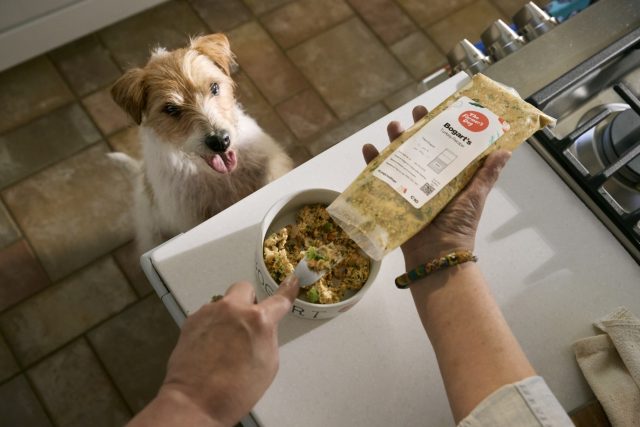
If you’ve cycled through flavors, toppers, and tricks and your dog still won’t eat consistently, the food itself probably needs to change, not your approach to feeding.
The Farmer’s Dog has served over one billion nutritious meals across ten years in business. That’s not a marketing number; that’s a decade of real dogs eating real food. Thousands of veterinarians not only recommend it but feed it to their own dogs.
And the research backs it up. A study from The Farmer’s Dog found that fresh food can support healthier aging in senior dogs, helping them maintain the kind of whole-body health that adds up to a longer, better life.
The plans are built to remove complexity, too. Personalized, pre-portioned, and delivered on a schedule you control.
Maintaining a healthy weight is one of the biggest longevity boosters there is. Lean dogs can live up to 2.5 years longer than dogs carrying extra weight. Pre-portioned packs make that easier because there’s no estimating, no overfeeding, and no guesswork.
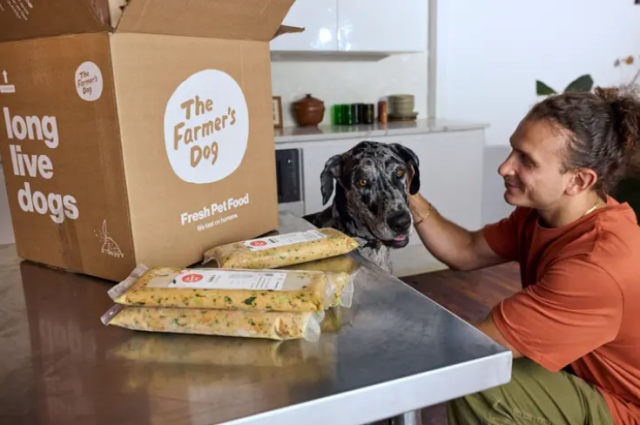
If your dog has been refusing food and you’ve run out of ideas, the food itself is the simplest place to start.
The Farmer’s Dog offers personalized fresh food plans, and right now, new customers can get 50% off their first box. Build your dog’s plan today.
 Toledo, United States.