
If you are considering bringing home a new pug, whether it is a puppy or a rescue, there are several things you should know before making this commitment. Pugs are a popular breed that has a unique set of characteristics and traits that set them apart from other breeds. They are known for being affectionate, playful, and loyal pets, but they also require special attention and care due to their brachycephalic (flat-faced) features. In this article, we will discuss 12 things to know before bringing home a new pug, including the importance of pet insurance and dog training.
1. The History of Pugs
Pugs are an ancient breed that originated in China over 2,000 years ago. They were bred to be companion dogs for Chinese royalty and were later brought to Europe by Dutch traders in the 16th century. Pugs quickly became popular in Europe and eventually made their way to the United States, where they continue to be a beloved breed today.
2. Pugs have Unique Physical Characteristics
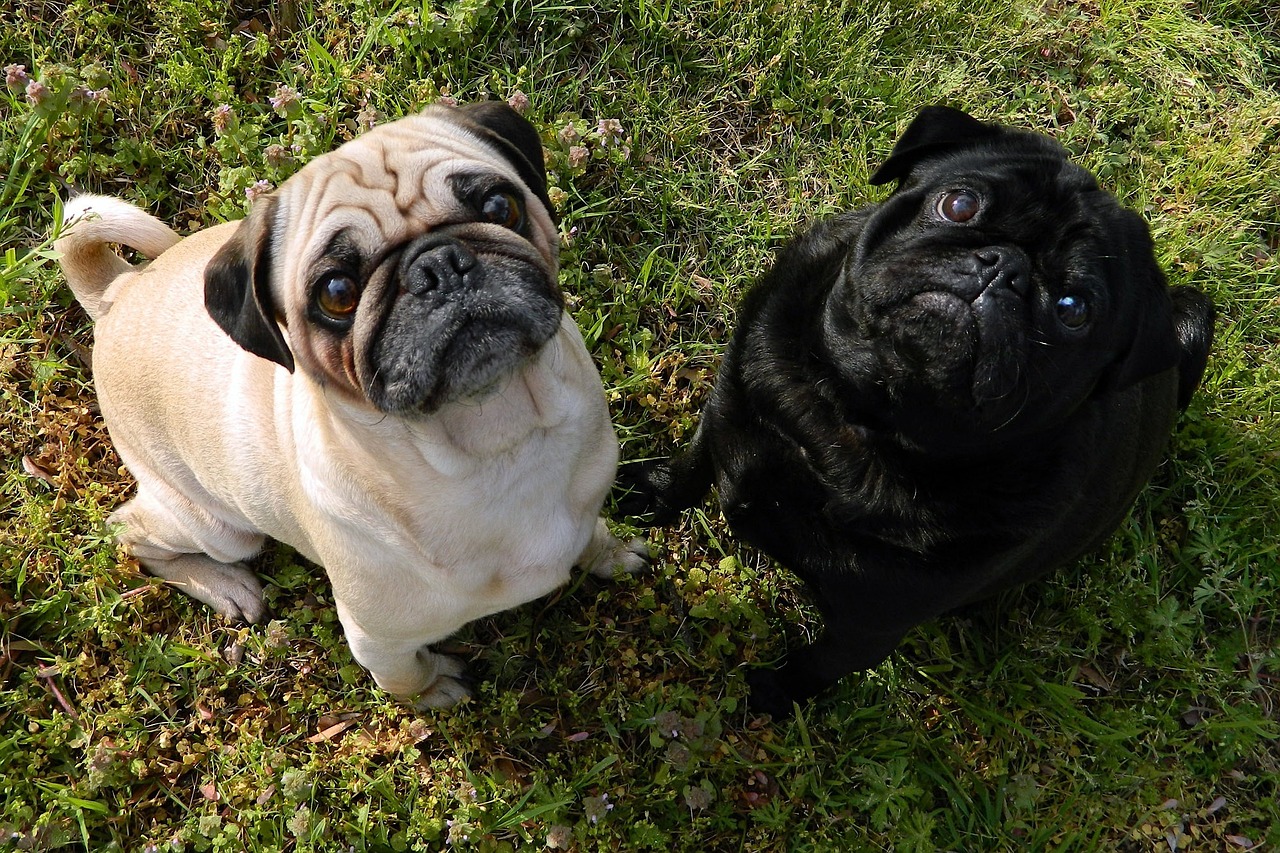
Pugs have a distinct look that sets them apart from other breeds. They have a flat face, curly tail, and compact body. However, their flat face can lead to several health issues, such as breathing problems, eye issues, and dental problems. It is important to understand these health issues and take steps to prevent them.
3. Pugs are Social Animals
Pugs are known for being social animals and thrive on human companionship. They love to cuddle and be close to their owners, so if you are looking for a lap dog, a pug may be the perfect fit for you. However, this also means that they may suffer from separation anxiety if left alone for long periods of time, so it is important to make sure they have plenty of social interaction.
4. Pugs are Energetic and Playful
Despite their small size, pugs are energetic and playful dogs. They love to play and need plenty of exercise to stay healthy and happy. However, due to their brachycephalic features, they can easily overheat and become exhausted, so it is important to keep their exercise routine moderate and monitored.
5. Pugs Shed a Lot
Pugs have a short, fine coat that sheds a lot. They require regular brushing to keep their coat healthy and to prevent excess shedding. However, despite their shedding, pugs are considered to be hypoallergenic and are a good choice for people with allergies.
6. Pugs are Prone to Obesity
Pugs love to eat, and they are prone to obesity if their diet is not carefully monitored. It is important to feed them a balanced diet and to avoid overfeeding them. Regular exercise is also essential to help them maintain a healthy weight.
7. Pugs Can Develop Health Problems
Pugs are prone to several health problems due to their unique physical characteristics. Some of the most common health issues include breathing problems, eye issues, and dental problems. It is important to stay up-to-date with their vet checkups and to address any health issues promptly.
8. Pugs Require Regular Grooming
Pugs require regular grooming to keep their coat healthy and to prevent skin issues. They should be bathed regularly and their wrinkles should be cleaned daily to prevent infection. Their nails should also be trimmed regularly to prevent overgrowth and discomfort.
9. Pugs Can Benefit from Training
Training is essential for any dog, and pugs are no exception. They can benefit from obedience training, as well as socialization to help them become well-behaved and well-adjusted pets. Pugs are also known for being stubborn, so it is important to be patient and consistent with training.
Check out the Best 7 Online Dog Training Programs here.
10. Pugs May Benefit from Pet Insurance
Pet insurance can be a valuable investment for pug owners. Due to their unique health issues, pugs may require more frequent trips to the vet, which can add up in cost. Pet insurance can help offset the cost of veterinary care and provide peace of mind in case of unexpected health issues.
Tip: This free tool lets you compare pet insurance prices across all the major carriers.
11. Pugs May Require Special Care in Extreme Weather
Due to their flat faces, pugs can have difficulty regulating their body temperature in extreme weather conditions. In hot weather, they can easily become overheated and dehydrated, while in cold weather, they may require extra layers to stay warm. It is important to monitor their temperature and adjust their care accordingly.
12. Pugs are a Lifelong Commitment
Finally, it is important to remember that bringing home a pug is a lifelong commitment. They require love, attention, and care throughout their lives. Before bringing home a pug, it is important to make sure you are ready for this commitment and that you have the time, resources, and patience to provide them with the care they need.
13. Make Sure These Products Are On Your Shopping List!
Bringing home a new Pug can be overwhelming, so we compiled a comprehensive list of every product you’ll need for your new Pug here.
FAQ for First-Time Pug Owners
1. How much exercise do pugs need?
Pugs require moderate exercise to stay healthy and happy. A daily walk and playtime in the backyard should be sufficient, but it is important to monitor their activity to prevent overheating or exhaustion.
2. Are pugs good with children?
Pugs are generally good with children and make great family pets. However, as with any dog, it is important to supervise interactions between children and pets to ensure that they are safe and respectful of each other.
3. Do pugs bark a lot?
Pugs are not known for being excessive barkers, but they may bark to alert their owners of visitors or other noises. Proper training can help control excessive barking behavior.
4. Are pugs easy to train?
Pugs can be stubborn and may require patience and consistency in training. However, with positive reinforcement and regular practice, they can learn obedience and good behavior.
5. Should I consider pet insurance for my pug?
Pet insurance can be a valuable investment for pug owners, as they may require more frequent veterinary care due to their unique health issues. It is important to research different pet insurance options and choose a plan that best fits your budget and needs.
6. How often should I groom my pug?
Pugs require regular grooming to keep their coat healthy and prevent skin issues. They should be brushed at least once a week, bathed regularly, and their wrinkles should be cleaned daily. Their nails should also be trimmed regularly to prevent discomfort.
7. How often should I take my pug to the vet?
Pugs should have regular checkups with their veterinarian to maintain their health. It is recommended to take them to the vet at least once a year for a checkup and to keep up with their vaccinations. However, if you notice any changes in your pug’s behavior or health, it is important to take them to the vet as soon as possible.
8. How can I prevent my pug from becoming overweight?
Pugs are prone to weight gain, so it is important to monitor their diet and exercise to prevent obesity. Make sure to feed them a balanced diet and avoid giving them table scraps or too many treats. Regular exercise and playtime can also help keep them at a healthy weight.
9. How do I socialize with my pug?
Socialization is important for all dogs, and pugs are no exception. Exposing your pug to different people, animals, and environments can help them become well-adjusted and well-behaved pets. Consider taking them to obedience classes, dog parks, or introducing them to other dogs and people in a controlled setting.
10. How do I manage my pug’s wrinkles?
Pugs have adorable wrinkles, but they also require regular maintenance to prevent skin issues. Their wrinkles should be cleaned daily with a damp cloth to remove any dirt or debris. It is important to dry their wrinkles thoroughly to prevent moisture buildup, which can lead to skin infections.
11. Are pugs good apartment dogs?
Pugs can make great apartment dogs due to their small size and moderate exercise needs. However, it is important to provide them with enough exercise and mental stimulation to prevent boredom and destructive behavior.
12. How long do pugs usually live?
Pugs have an average lifespan of 12-15 years. However, their lifespan can be affected by their health and lifestyle factors, such as obesity and lack of exercise. With proper care and attention, pugs can live long and happy lives.
Conclusion
Bringing home a new pug can be a joyful and rewarding experience, but it is important to be prepared and informed about their unique needs and characteristics. From their health issues to their socialization needs, there are many factors to consider when bringing home a new pug. With proper care and attention, your pug can become a beloved member of your family for years to come.
 Toledo, United States.