
 Reviewed by:

Every dog owner knows the feeling. You look at your dog sleeping in a sunbeam and think: I want as many years with this dog as I can possibly get. That feeling is universal, and the good news is that there’s real science behind what makes dogs live longer. Some of it comes down to genetics, but a lot of it comes down to daily choices you’re already making, or could easily make.
Veterinarians, canine nutritionists, and longevity researchers have identified a consistent set of habits that show up in dogs who live well past their expected lifespan. These aren’t obscure medical interventions. They’re practical, everyday decisions about food, exercise, environment, and veterinary care that add up to something meaningful over a dog’s lifetime. A recent study published in Frontiers in Genetics even examined the overlapping genes of two dogs who lived into their twenties, suggesting that gene expression may play a role in extreme canine longevity. But you don’t need to wait for genetic science to catch up. The strategies below are available right now.
🐾 15 Ways to Help Your Dog Live Longer: Quick Reference
- Control calorie intake and maintain a healthy weight
- Choose food made from high-quality, real ingredients
- Add probiotics to support gut and immune health
- Store food properly to prevent contamination and rancidity
- Use safe, easy-to-clean bowls
- Get their heart pumping with daily exercise
- Keep them safely leashed or fenced outdoors
- Teach a reliable recall command
- Protect joint health before problems develop
- Build a dental hygiene routine and stick with it
- Use filtered water when possible
- Reduce unnecessary chemical and toxin exposure
- Keep up with preventive veterinary visits
- Learn the early signs of illness in dogs
- Play, every single day
1. Control Their Calorie Intake
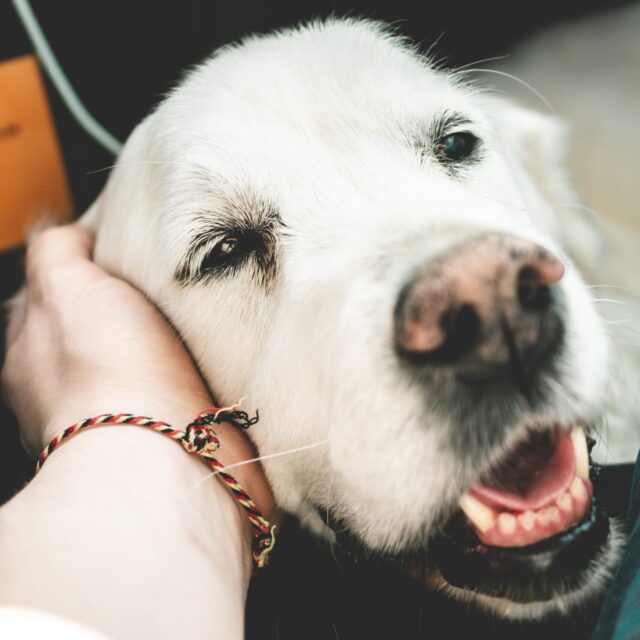
It shouldn’t surprise anyone that healthy-weight dogs outlive overweight ones. What might surprise you is how significant the difference actually is. A 2011 study found that dogs eating about 25% fewer calories than the standard recommended amount lived an average of two years longer than dogs fed at typical levels. Two years is a lot of time with a dog you love.
Part of the problem is that most dog food companies recommend feeding more than most dogs actually need, since selling more food is in their financial interest. Your veterinarian can calculate the right number of daily calories for your dog’s specific size, age, and activity level. An Etekcity Food Kitchen Scale makes it easy to measure portions consistently instead of eyeballing scoops.
“Keeping dogs trim is the one thing we have great evidence for that leads to an increased life span,” says veterinarian Deborah E. Linder, head of the Tufts Obesity Clinic for Animals.

2. Choose a Diet with High-Quality Ingredients
Calorie control is only half of the nutrition equation. What those calories are made of matters just as much. A dog eating real meat, vegetables, and whole ingredients is going to age differently than a dog eating the same calorie count from corn syrup, artificial flavors, and low-grade fillers.
Veterinarians recommend avoiding foods with artificial preservatives, synthetic colors, excessive sodium, and cheap meat byproducts. A crude protein content below 20% is a red flag. Fresh, flash-frozen, and home-cooked diets have gained traction among dog owners who want better health outcomes, and many dogs show real improvements in coat condition, energy, and digestion when their diet improves.
“Pets fed a high quality diet have a shiny hair coat, healthy skin, and bright eyes,” says Lori Huston, DVM. “A good diet can help strengthen your pet’s immune system, help maintain his or her intestinal health, help increase his or her mental acuity, help keep joints and muscles healthy, and much more.”
3. Give Probiotics
About 70% of your dog’s immune cells live in the gut. That means what happens in your dog’s digestive system has a direct effect on how well they fight off illness, tolerate stress, and recover from whatever life throws at them. Probiotics are one of the most accessible ways to keep the gut healthy, and the benefits go well beyond digestion.
Balanced gut bacteria supports a calmer immune response, less systemic inflammation, and the kind of steady energy that comes with a body working the way it’s supposed to. When dogs feel better internally, they move more, eat better, and recover faster. The best dog probiotics come in powders, chews, and capsules that mix easily into meals with no fuss.
“Probiotics are an excellent way to balance your dog’s stomach bacteria levels,” writes canine herbalist Rita Hogan. “Balanced gut bacteria leads to healthy digestion and a strong immune system. Gut health has a direct correlation to overall well-being.”
4. Store Food Properly
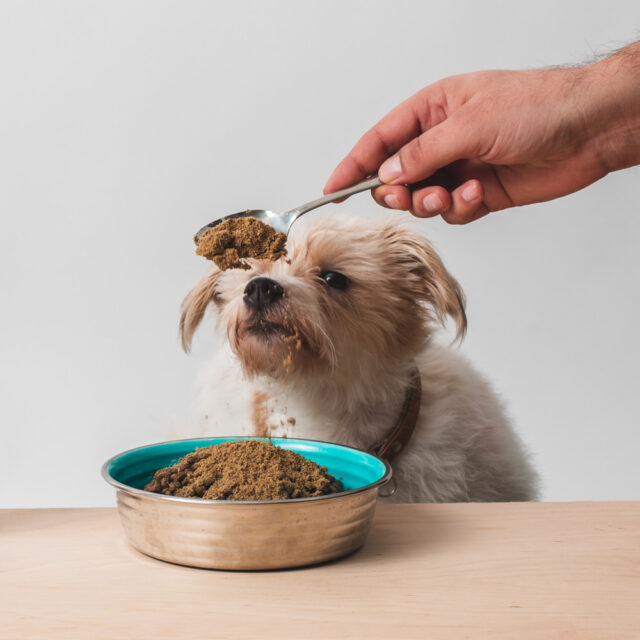
Improper food storage is a risk most dog owners underestimate. Rancid kibble, bacterial contamination, pest infiltration, and vitamin degradation are all real consequences of food that isn’t handled correctly, and these issues don’t always produce obvious symptoms right away. They chip away at health over time.
A few non-negotiable rules: keep dry food in a cool, dry spot in a tightly sealed container; always place the entire bag inside the container rather than pouring kibble directly in, since the bag itself provides a fat barrier that slows rancidity; refrigerate opened canned food and use within 2 to 4 hours if left at room temperature; and check with the manufacturer for specific shelf life guidelines once a bag is opened. Check out these airtight dog food containers to upgrade your dog’s food storage.
5. Use Better Bowls
The bowl your dog eats and drinks from every single day deserves more thought than most people give it. Plastic bowls scratch easily, and those scratches harbor bacteria that’s nearly impossible to fully clean out. Some plastics also cause contact allergies that show up as facial acne or persistent skin irritation around the muzzle. Ceramic bowls look great but can chip, and some glazes contain lead.
Stainless steel and glass are the safest options because they’re non-porous, non-toxic, and genuinely easy to clean. The FDA recommends washing dog bowls with hot water and soap after every meal, which eliminates a surprising amount of bacterial buildup. Stainless steel dog bowls hold up to that daily washing without degrading over time.

6. Get Their Heart Pumping Every Day
Daily cardiovascular exercise strengthens the heart, reduces inflammation, lowers cortisol, and keeps your dog at a healthy weight. It also does something harder to measure but just as important: it gives your dog a reason to feel engaged and good about their day. Dogs that get consistent exercise tend to sleep better, eat better, and behave better than dogs who don’t.
How much exercise your dog needs depends on their breed, age, and health status, but most adult dogs need between 30 minutes and 2 hours of active movement per day. Even senior dogs benefit significantly from gentle daily walks. As veterinarian Dr. Shari Brown says: “Put a leash on your dog and take them for a few laps around your backyard or house. Anything to get him moving.” A well-fitted harness like the BARKBAY No Pull Dog Harness makes those daily outings easier and more comfortable for dogs that tend to pull.

7. No Roaming
Some people romanticize the idea of a dog roaming freely, but domestic dogs face genuinely life-threatening hazards the moment they’re unsupervised outdoors. Traffic, toxic substances like antifreeze, encounters with aggressive animals, and encounters with people who don’t share your affection for your dog are all real risks. The numbers on outdoor, unsupervised pets are consistently worse than for contained ones.
Keep your dog on a leash or inside a secure fence whenever they’re outdoors. Beyond that, microchipped dogs are nearly 250% more likely to be reunited with their owners if they do get out. A good ID tag is the first line of defense when a chip reader isn’t immediately available. Take a look at the best dog ID tags for options that balance durability with readability.
8. Train the Recall Command
A reliable recall is one of the most genuinely life-saving skills you can teach a dog. If your dog doesn’t come back reliably when called, every off-leash moment carries real risk. The good news is that training a solid recall isn’t as complicated as it sounds, and the investment pays off for the rest of your dog’s life. Learn how to teach a reliable boomerang recall command that actually holds under distraction.
The key is making coming to you the most rewarding thing your dog can do from their perspective. High-value treats, enthusiastic praise, and never punishing a dog for eventually returning all reinforce the behavior. Practice in low-distraction environments first and build up gradually to more challenging settings.
9. Support Their Joints
Mobility problems are one of the leading reasons dogs are euthanized early, particularly in larger breeds. Joint deterioration can progress silently for years before the signs become obvious, and by then, significant damage has already occurred. Getting ahead of it with preventive care is far more effective than trying to manage severe arthritis after the fact.
Low-impact exercise like swimming and leash walking preserves joint health without putting excessive stress on cartilage. Glucosamine and chondroitin supplements have strong research behind them for slowing cartilage breakdown and reducing joint inflammation. Small home modifications help too. A long nonslip runner rug in hallways gives dogs better traction, and a Pawaboo Dog Ramp eliminates the jumping that gradually wears down hips and knees.
10. Prioritize Dental Health
Dental disease isn’t just about bad breath or lost teeth. The bacteria responsible for periodontal disease can enter the bloodstream through inflamed gum tissue and reach the heart, kidneys, and liver. Dr. Patty Khuly put it plainly: “Periodontal disease has been demonstrated to lead to difficult-to-identify pain, tooth loss, tooth root abscesses, heart valve infections, kidney and liver disease, and is correlated with a shorter lifespan in both pets and humans.”
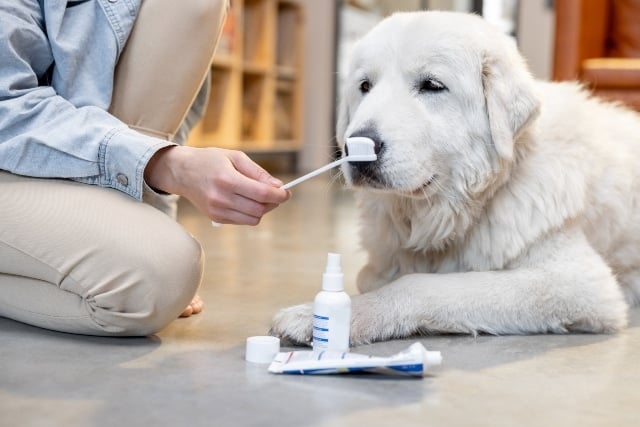
Daily brushing is the gold standard, but any consistent dental routine is better than none. Dental chews, dental toys, enzymatic rinses, and water additives all make a measurable difference in plaque accumulation. The goal is daily mechanical disruption of plaque before it hardens into tartar that only a professional cleaning can remove.
11. Use Filtered Water
Tap water quality varies enormously depending on where you live. Heavy metals, chlorine, chloramines, fluoride in excess amounts, agricultural runoff, and pharmaceutical residues have all been documented in municipal water supplies at levels that may accumulate over a dog’s lifetime of daily drinking. This isn’t a reason for panic, but it is a reason to pay attention.
Water expert Michael Cervin notes that while small doses of individual contaminants may not be acutely dangerous, the total chemical load from thousands of compounds adds up over time. A simple pitcher filter or under-sink filter removes most common contaminants at a reasonable cost. For a convenient option, check out the best dog water fountains, many of which include built-in filtration that keeps water fresher and cleaner throughout the day.

12. Limit the Chemicals That Enter Their Bodies
Every substance your dog’s body must process puts a demand on the liver and kidneys. That’s true of medications, vaccines, flea and tick preventatives, cleaning products they walk through, and lawn chemicals they encounter on outdoor surfaces. Some of these exposures are unavoidable and necessary. But some of them can be meaningfully reduced with a bit of thought.
Canine herbalist Rita Hogan frames it as “toxic load”: “Longevity is all about toxic load. Toxic load can be explained by the amount of toxins you put in your body and how your body processes those toxins.” Annual antibody titer tests can confirm whether your dog actually needs booster vaccinations before automatically repeating them, reducing the risk of over-vaccination. Talk with your vet to find flea and tick prevention options with the most favorable safety profile for your dog’s specific age and health.
13. Stay on Schedule with Preventive Vet Visits
Dogs don’t complain about pain. They’re wired to hide it, which is a survival instinct from their wild ancestors that now works against them in domestic life. Many conditions that are easily managed when caught early, including certain cancers, kidney disease, thyroid dysfunction, and heart disease, go undetected for years because dogs simply don’t show symptoms until the disease is advanced.
As veterinarians Krista Williams and Cheryl Yuill put it: “If a disease or condition can be detected before your dog shows signs of illness, steps can often be taken to manage or correct the problem before irreversible damage occurs, therefore improving the prognosis for a successful outcome.” For adult dogs, once a year is the minimum. For senior dogs, twice a year is better. Each visit gets you bloodwork, a physical exam, and a trained professional who can catch what you’d never notice at home.

14. Know the Signs of Illness
The more fluent you are in your dog’s normal behavior and the physical signs of illness, the faster you can get help when it counts. Do you know what healthy gum color looks like in a dog? A pale, blue, or white tinge to the gums is a veterinary emergency. What does normal water intake look like for your dog, and what level of change would be concerning? Can you recognize subtle pain signals like a hunched posture, squinting, or reluctance to put weight on a limb?
Learning the common signs of illness in dogs isn’t about becoming a hypochondriac. It’s about having enough baseline knowledge that something that’s actually wrong registers as wrong. Catching a UTI before it becomes a kidney infection, or recognizing early bloat before it becomes a crisis, can be the difference between a quick vet visit and a tragedy.
15. Play
Play isn’t optional enrichment. For dogs, it’s a biological need. Regular play provides cardiovascular exercise, mental stimulation, social bonding, and stress relief in one activity, and it costs nothing except time. That makes it one of the most accessible longevity interventions on this entire list.
Puzzle toys and mental games are especially valuable for senior dogs. Research shows that problem-solving activities help keep aging brains active and may slow cognitive decline. As Dr. Leticia Fanucchi, a veterinarian at Washington State University, explains: “These kinds of mental games help wake up areas of the brain that have been inactive. The combination of sight, scent, and spatial orientation required to solve the puzzle helped make connections between different parts of the brain. The tasty reward motivated the dogs to stick with the activity.” And playing with your dog lowers your blood pressure, reduces cortisol, and raises endorphins for both of you. That part is worth noting.
🔔 Signs You’re Already on the Right Track
- Your dog maintains a healthy weight where you can feel their ribs without pressing hard
- Their coat is shiny, skin isn’t flaky, and eyes are bright and clear
- They’re excited about walks and physically able to complete them
- Their teeth don’t show heavy brown tartar buildup
- They drink normal amounts of water (roughly 1 ounce per pound of body weight per day)
- They engage readily with play and mental activities
- They’re up to date on vet visits and you have a relationship with a vet you trust

Frequently Asked Questions About Helping Your Dog Live Longer
1. What is the most important thing you can do to help your dog live longer?
Weight management is consistently cited by veterinarians as the single biggest predictor of longevity in dogs. Even a moderate reduction in daily calories, keeping your dog trim rather than overweight, can add years to their life according to published research. Everything else on this list matters, but if you pick one thing to focus on, make it your dog’s body condition score.
2. Do bigger dogs really live shorter lives than smaller dogs?
Yes, and the size-longevity gap is well-documented. Giant breeds like Great Danes often live 7 to 10 years, while small breeds like Chihuahuas regularly reach 15 or more. The prevailing explanation is that larger dogs age faster at the cellular level, though research is ongoing. Joint care, weight management, and preventive veterinary attention matter even more for large and giant breed dogs because the cumulative effects hit harder and faster.
3. Can diet really add years to a dog’s life?
Yes. The 2011 Purina lifespan study showed that dogs maintained at a leaner body condition lived nearly two years longer on average. Beyond calorie restriction, the quality of ingredients matters for organ function, inflammation levels, coat and skin health, and immune response. Dogs fed high-quality, minimally processed diets tend to show measurable improvements in energy and health markers within weeks of switching.
4. When should I start thinking about joint supplements for my dog?
Earlier than most owners start. Joint deterioration begins well before it becomes visible as stiffness or limping. Many veterinarians recommend beginning glucosamine and chondroitin supplementation in large breed dogs at 5 to 7 years, and in giant breeds even sooner. Prevention is dramatically more effective than treatment once significant cartilage damage has occurred. Ask your vet for a recommendation based on your specific dog’s breed, size, and activity level.
5. How often should senior dogs see the vet?
Twice a year is the standard recommendation for dogs over 7, and for giant breeds, that threshold often moves to 5 or 6. Senior wellness visits include bloodwork panels that catch changes in kidney function, liver enzymes, thyroid levels, and blood cell counts that your dog won’t show any external symptoms of until the condition is advanced. Early detection changes outcomes dramatically for most common age-related diseases in dogs.

Every Good Day Is Part of the Total
The heartbreaking reality of dog ownership is that most of us will outlive our dogs. But the work you do every day, the walks, the portions, the dental chews, the vet appointments you keep even when nothing seems wrong, that work adds up. It adds years, and it adds quality to those years. A dog who moves well, eats well, and feels well throughout their life is a dog you get to enjoy fully throughout their life.
None of these 15 strategies require dramatic lifestyle overhauls. They’re small, consistent choices that compound over time. Some of them, like playing more and keeping your dog at a healthy weight, are things you can start doing differently today. Others, like joint support and preventive vet care, are investments you make early that pay off later when it matters most.
Your dog can’t tell you what they need in words. But they show you every day, in the way they greet you, the way they move, the light in their eyes when you pick up the leash. Paying attention to those signals, and acting on what you learn, is the most direct path to more years of exactly that.
 Toledo, United States.