
Your dog’s brain is always working. Even when they’re stretched out on the couch looking completely useless, their brain is processing sounds, smells, and whatever you’re doing in the kitchen. So what you feed them matters more for brain function than most people realize.
The foundation is a high-quality diet with real whole-food ingredients. But targeted supplements and brain-supportive foods can fill the gaps, especially as dogs age. Veterinary nutrition research has expanded significantly in recent years, and we now have a clearer picture of which nutrients actually make a meaningful difference.
Here are four nutrients worth paying close attention to, along with what the current research actually says about each one.

Why Your Dog’s Brain Needs Targeted Nutrition
Most commercial dog foods meet basic nutritional requirements. But meeting minimum requirements isn’t the same as supporting better brain function.
The brain is one of the most energy-intensive organs in the body, and it has specific nutritional needs that standard diets often don’t address at meaningful levels. Canine cognitive dysfunction (CDS) affects an estimated 14-35% of senior dogs, and rates climb significantly as dogs live longer. The condition closely resembles Alzheimer’s disease in humans, with similar brain changes including amyloid plaque buildup and oxidative damage.
A 2025 systematic review published in the journal Geroscience examined the accumulated evidence on enriched diets and nutraceuticals for cognitive function in aging dogs. The findings were encouraging: targeted nutrition doesn’t just slow cognitive decline, it can improve function in dogs that are already showing early symptoms.
That’s not small news. It means the choices you make about your dog’s diet today have a real impact on how they think and feel in their senior years.
4 Science-Backed Nutrients for Dog Brain Health
#1: DHA and EPA: Omega-3 Fatty Acids for the Brain
Here’s something most dog owners don’t know: the brain is roughly 60% fat by dry weight. And not just any fat. The brain’s structure depends heavily on omega-3 fatty acids, specifically DHA (docosahexaenoic acid) and EPA (eicosapentaenoic acid).
DHA is a structural component of brain cell membranes. Without enough of it, cell-to-cell communication breaks down. EPA’s role is different but equally important: it reduces neuroinflammation, which is one of the primary drivers of cognitive dysfunction in aging dogs. Together, they’re the most well-researched brain-supportive nutrients in veterinary nutrition.
A 2025 systematic review published in Geroscience by Blanchard and colleagues found strong evidence that omega-3 supplementation supports memory, learning, and cognitive performance in aging dogs and cats. The effects were most significant in older dogs showing early signs of CDS, though dogs without symptoms also showed benefits when supplemented consistently.
Both DHA and EPA come primarily from marine sources: fish oil, krill oil, and algae-based supplements. Dogs don’t convert plant-based omega-3s (like flaxseed) into DHA and EPA efficiently, so marine-sourced supplements are the right choice. Look for products that list actual DHA and EPA amounts rather than just total omega-3 content. One option worth knowing about is Honey Guard™ Allergy & Itch Omega 3-6-9 Powder, which provides DHA and EPA alongside omega-6 and omega-9 fatty acids in an easy powder format.
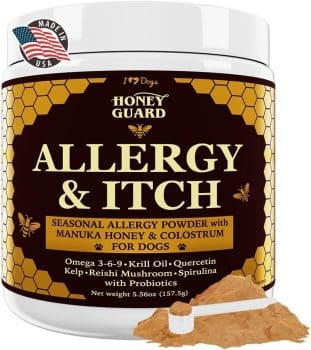
A typical starting dose for an average-sized adult dog is 500-1,000mg of combined DHA and EPA daily, but your vet can tailor this to your dog’s weight, breed, and health status. For dogs that are already showing signs of cognitive slowing, higher therapeutic doses are sometimes recommended.
#2: B Vitamins: The Quiet Essentials
B vitamins don’t get the attention they deserve in pet nutrition. They’re not trendy, but they’re foundational for how your dog’s brain operates on a day-to-day level.
Vitamin B6 plays a direct role in neurotransmitter production. Neurotransmitters are the chemical messengers that allow brain cells to signal each other. Without enough B6, that signaling becomes less efficient, which can show up as slower learning, shorter attention spans, and mood changes. Vitamin B12 supports myelin production, the protective coating that allows nerve signals to travel quickly and accurately. When myelin degrades, nerve conduction slows down across the board.
Most of the B vitamins your dog needs are found in meat, which is why a diet with real animal protein as the first ingredient is so important. High-quality kibble generally covers the basics. Where supplementation becomes relevant is in senior dogs, dogs with digestive conditions like inflammatory bowel disease (which impairs B12 absorption), or dogs on plant-heavy or low-protein diets.
Top Food Sources of Brain-Supportive B Vitamins for Dogs
Vitamin B6: Chicken, beef, turkey, salmon, sweet potato
Vitamin B12: Beef liver, sardines, eggs, clams
Folate (B9): Spinach, broccoli, asparagus, lentils
Biotin (B7): Egg yolk, beef liver, salmon, pork
If your dog eats a complete commercial diet with real meat, B vitamins are likely covered. Check with your vet if your dog has digestive health issues or refuses meat-based foods.
#3: Luteolin: The Brain Protector in Everyday Vegetables
Luteolin is a flavonoid found in a range of fruits and vegetables, and there’s a decent chance your dog is already getting small amounts of it without you knowing.
It shows up in carrots, celery, broccoli, rosemary, and parsley. Luteolin’s brain-specific benefit is its ability to reduce neuroinflammation, the chronic low-grade inflammation in brain tissue that accelerates cognitive aging. In rodent studies, luteolin supplementation restored cognitive performance in aged animals to levels closer to younger animals. Direct canine research is still limited, but the mechanism holds across species and the safety profile from food sources is excellent.
The easiest way to get luteolin into your dog’s diet is through vegetables. A few florets of broccoli, some carrot pieces, or a sprig of fresh parsley added to their regular meals a few times per week covers it without any special supplementation. Plain, raw or lightly steamed, no seasoning.
Luteolin supplements designed for dogs do exist, but they’re not as well-validated as omega-3 or antioxidant products. Whole food sources are the more reliable route for now. Anti-aging supplements for dogs that include plant-based polyphenols may also contain meaningful amounts of luteolin or related compounds, so it’s worth checking labels.
#4: Vitamins C and E: Antioxidant Defense for the Aging Brain
Free radicals are a normal byproduct of cellular metabolism, but they cause real damage when they accumulate. The brain is especially vulnerable because of its high energy use and fat-rich composition. Both conditions favor oxidative damage over time.
Vitamins C and E are two of the most effective antioxidants for addressing this problem. Vitamin E protects brain cell membranes from oxidative damage directly. Vitamin C works alongside it, and these two antioxidants actually regenerate each other, which is why they’re most effective when both are present.
The same 2025 Geroscience systematic review found that antioxidant-enriched diets, including those with elevated vitamins C and E, helped slow cognitive decline in aging dogs. The effects were most pronounced in dogs already showing early CDS symptoms, though protective benefits were also seen in healthy senior dogs. The combination of antioxidants with omega-3 fatty acids appeared to provide synergistic effects beyond either nutrient alone.
Natural food sources of these antioxidants for dogs include blueberries, kale, spinach, and broccoli (vitamin C), along with sunflower seeds and wheat germ oil (vitamin E). Many premium senior dog foods already include elevated antioxidant levels. If your dog is 7 or older and you’re not using a senior-formula food, it may be worth making the switch.
For dogs already showing cognitive changes, therapeutic antioxidant supplementation is worth discussing with your vet. Dosing matters, and a vet can assess whether your dog’s current diet already provides adequate amounts before adding more.
BONUS: Your Dog’s Brain Needs Exercise Too
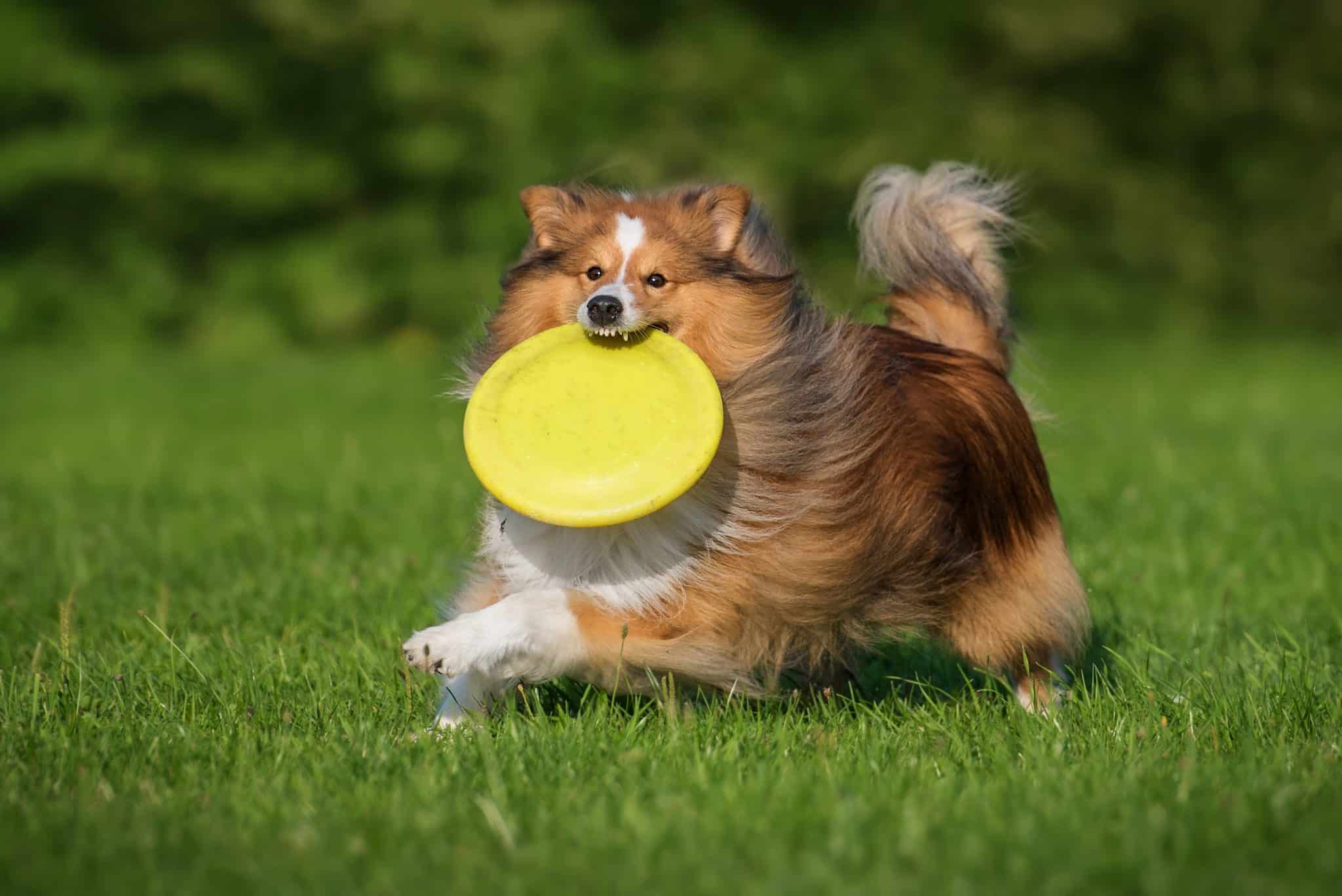
Nutrition is foundational, but the brain also needs to be used to stay sharp. Think of it like physical fitness: you can eat all the right foods, but you still need to move.
Puzzle toys and treat-dispensing balls give your dog’s brain a workout. They require problem-solving, sustained focus, and short-term memory. For senior dogs especially, these tools aren’t just entertainment; they’re mental exercise. Regular use can help slow cognitive decline when combined with good nutrition.
Training sessions work too. Even five to ten minutes of basic training with an older dog, reviewing sit, stay, and find-it, keeps neural pathways active and reinforces the bond between you. New commands and tricks create new connections in the brain. That matters at any age, but it matters most when cognitive decline is a real risk.
Consistency is the key. A daily 10-15 minute session with a puzzle toy or training game, combined with the nutritional support above, gives you the best shot at keeping your dog mentally engaged well into their senior years.
Warning Signs Your Dog’s Brain Needs More Support
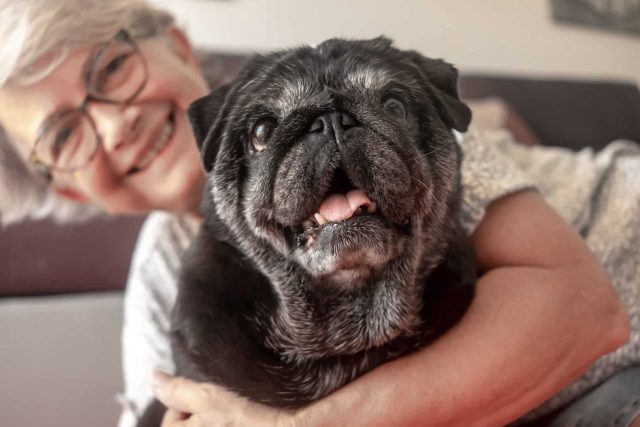
If you’re wondering whether your dog might already be experiencing cognitive decline, these are the signs vets look for. The acronym DISHAA is the standard framework in veterinary practice:
D: Disorientation: Getting lost in familiar places, staring at walls, or seeming confused in rooms they know well.
I: Interactions changed: Less interested in people or other pets, or suddenly more clingy or anxious than usual.
S: Sleep-wake cycle changes: Sleeping more during the day, restless or awake in the middle of the night.
H: House soiling: Accidents inside despite being house-trained for years.
A: Activity changes: Less interest in play, slower response to commands they used to know reliably.
A: Anxiety: More vocalizing, pacing, or general restlessness without a clear cause.
Two or more of these symptoms appearing consistently is a reason to bring it up at your next vet visit. CDS is a diagnosis of exclusion, meaning your vet will rule out pain, thyroid issues, and other treatable conditions first. Catching it early gives you more options. And the nutritional changes described in this article are appropriate to start regardless of whether a diagnosis follows. Helping your senior dog avoid dementia often comes down to consistent, proactive care rather than waiting for symptoms to appear.
Quick-Start Brain Nutrition Plan for Your Dog
Step 1: Start with a high-quality, meat-first diet. Real animal protein provides B vitamins and the amino acids the brain needs to make neurotransmitters.
Step 2: Add a marine-sourced omega-3 supplement with verified DHA and EPA amounts on the label. Fish oil or krill oil are reliable options.
Step 3: Add brain-supportive vegetables a few times per week. Blueberries, carrots, broccoli, and leafy greens provide luteolin plus vitamins C and E.
Step 4: For dogs 7+, consider a senior-formula food with elevated antioxidants, or ask your vet about specific antioxidant supplementation.
Step 5: Add 10-15 minutes of puzzle toy play or training sessions daily. Physical and mental exercise work together to support brain health.
If your dog takes medication or has an existing health condition, run any supplement additions by your vet first.
For dogs already diagnosed with CDS, dedicated cognitive supplements for dogs exist that combine several of these nutrients in therapeutic doses. These are worth exploring with your vet alongside dietary changes.

Frequently Asked Questions About Feeding Your Dog’s Brain
1. Can omega-3 supplements really help with my dog’s brain health?
Yes. A 2025 systematic review in the journal Geroscience found strong evidence that omega-3 fatty acids, particularly DHA and EPA from marine sources, support cognitive function in aging dogs. The effects were most significant in senior dogs showing early signs of canine cognitive dysfunction, though healthy adult dogs also showed benefits. Use a marine-sourced supplement with DHA and EPA amounts listed on the label rather than just “total omega-3.”
2. What vegetables are good for a dog’s brain?
Carrots, celery, and broccoli contain luteolin, a flavonoid that reduces neuroinflammation. Blueberries, spinach, and kale provide vitamins C and E, antioxidants that protect brain cells from oxidative damage. Feed them plain and unseasoned. Raw or lightly steamed works well for most dogs, and a small amount added to regular meals a few times per week is enough to make a difference.
3. Do puzzle toys actually improve cognitive function in dogs?
Research and clinical observation both support this. Puzzle toys and treat-dispensing toys require dogs to problem-solve and use short-term memory, which keeps neural pathways active. For senior dogs in particular, regular mental stimulation appears to slow cognitive decline when combined with appropriate nutrition. Ten to fifteen minutes of puzzle play or training daily is a reasonable target.
4. When should I start focusing on my dog’s brain health?
Earlier is better, but the most critical window is around age 7 for large breeds and age 9-10 for smaller breeds. Dogs in those ranges are considered seniors and have higher CDS risk. Starting brain-supportive nutrition before symptoms appear is more effective than waiting, so building these habits in your dog’s adult years sets them up well for aging.
5. Are vitamins C and E safe to give my dog?
Yes, when given through food or appropriate supplement doses. Both vitamins are found naturally in fruits and vegetables that are already safe for dogs. Very high supplemental doses of vitamin C can cause gastrointestinal upset in some dogs, so it’s worth checking with your vet on the right amount if you’re considering a dedicated supplement. Food sources are generally the safest starting point.
6. What’s the difference between canine cognitive dysfunction and normal aging?
Normal aging brings some slowing down and changes in sleep. Canine cognitive dysfunction involves more pronounced and progressive changes: disorientation in familiar places, house soiling after years of being house-trained, significant personality changes, and anxiety without a clear cause. If your senior dog is showing two or more of those signs consistently, a vet evaluation is the right next step rather than assuming it’s just age.
Start Small, Stay Consistent
Most dog owners spend a lot of time thinking about weight, coat condition, and joint health. The brain tends to get overlooked until something goes wrong. But the research is clear: what you feed your dog today has a real impact on how clearly they think in their senior years.
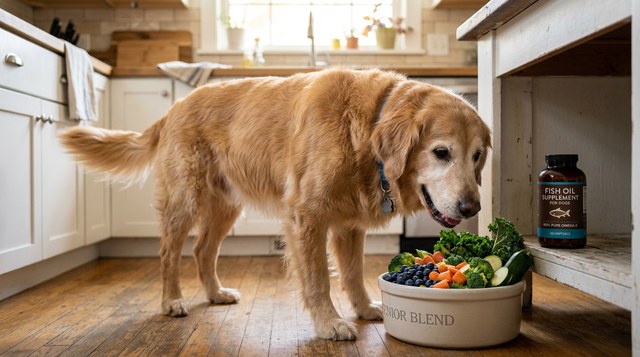
DHA and EPA, B vitamins, luteolin, and vitamins C and E are accessible, well-researched, and genuinely beneficial for dogs at every life stage. You don’t need to overhaul everything at once. Pick one change this week. Add a fish oil supplement. Throw some blueberries in with their dinner. Start a 10-minute puzzle toy session each morning. Then build from there.
Small, consistent habits are how you actually move the needle on long-term brain health. Your dog can’t ask for what they need. But now you know what to give them.
These statements have not been evaluated by the Food and Drug Administration. This product is not intended to diagnose, treat, cure, or prevent any disease. The information on this website is not intended to replace a one-on-one relationship with a qualified healthcare professional.
 Toledo, United States.