
Your dog won’t tell you they’re getting older. They just stop jumping onto the couch, take longer to stand up after a nap, or lose that spark behind their eyes. Aging happens gradually, and most owners don’t notice until their pup’s body is already struggling.
The good news? You can fight back. Anti-aging supplements for dogs target the specific systems that break down with time: joints, digestion, brain function, skin, and cellular health. The right supplement routine can help your dog feel younger, move more easily, and stay healthier for years to come.
This guide breaks down the five best anti-aging supplements for dogs, what each one does inside your dog’s body, and which products actually deliver results.
Why Dogs Need Anti-Aging Support
Dogs age roughly 7 times faster than humans. That’s not just a saying. A 10-year-old Labrador has joint cartilage, organ function, and immune strength comparable to a 70-year-old person. Their bodies face oxidative stress from free radicals, chronic low-grade inflammation, and declining nutrient absorption, all of which speed up the aging process.
Three things drive age-related decline in dogs:
Oxidative stress. Free radicals damage cells, DNA, and proteins throughout your dog’s body. Antioxidants neutralize them, but your dog produces fewer antioxidants as they age.
Chronic inflammation. Low-level inflammation builds up over time, attacking joints, organs, and the gut lining. This “inflammaging” is one of the biggest contributors to health problems in senior dogs.
Nutrient gaps. Older dogs absorb fewer nutrients from food, even if their diet hasn’t changed. Supplements bridge that gap and deliver targeted support where aging bodies need it most.
📈 Dog Aging by the Numbers
- 7 years old: Most breeds officially enter their senior phase
- 80% of dogs over age 8 show signs of joint stiffness
- 50% of dogs over age 11 develop canine cognitive dysfunction
- 30-40% decline in gut bacterial diversity happens between ages 7 and 12
Signs Your Dog Is Aging
Before you start adding supplements, take stock of what’s changing. Some signs of aging are obvious. Others sneak up on you.
Physical changes:
- Slower to get up from lying down, especially in the morning
- Stiffness after walks or play sessions
- Thinning coat, dry skin, or dull fur
- Weight gain without eating more
- Cloudy eyes or reduced vision
Behavioral shifts:
- Less interest in toys, walks, or greeting you at the door
- Confusion or disorientation, like staring at walls or getting stuck in corners
- Changed sleep patterns (sleeping more during the day, restless at night)
- Digestive issues: gas, loose stools, or decreased appetite
Sound familiar? If you’re nodding along, your dog could benefit from one or more of the supplements below. And honestly, starting supplements before these signs appear gives you the best chance at slowing them down.
Here are the best supplements for aging dogs, broken down by what they actually do and why they matter.
1. Omega Fatty Acids (3-6-9)
If you only add one supplement to your aging dog’s routine, make it omega fatty acids. They’re called “essential” because your dog’s body can’t produce them on its own. They have to come from food or supplements.
Most people know omegas for giving dogs a soft, shiny coat. That’s real, but it barely scratches the surface. Omega-3 fatty acids (EPA and DHA specifically) are powerful anti-inflammatory compounds. They calm the chronic, low-grade inflammation that drives joint pain, skin problems, and even cognitive decline in older dogs.
Why Omegas Matter for Aging Dogs
Research published in the Journal of the American Veterinary Medical Association shows that omega-3 supplementation can reduce inflammatory markers in dogs with osteoarthritis. DHA also supports brain cell membrane integrity, which matters a lot for senior dogs showing early signs of cognitive dysfunction.
Here’s what omega fatty acids do for aging dogs:
- Fight inflammation: EPA and DHA reduce joint swelling and stiffness
- Protect brain function: DHA supports neural membrane health and signal transmission
- Strengthen immunity: Balanced omega ratios keep immune response calibrated, not overactive or sluggish
- Improve skin and coat: Omega-6 (GLA) repairs dry, flaky skin common in senior dogs
Key Ingredients to Look For
Not all omega supplements are created equal. Look for products with krill oil (better absorption than fish oil alone), ahiflower oil (plant-based omega source), and a balanced 3-6-9 ratio. Avoid products that rely solely on flaxseed, since dogs convert ALA to EPA and DHA very inefficiently.
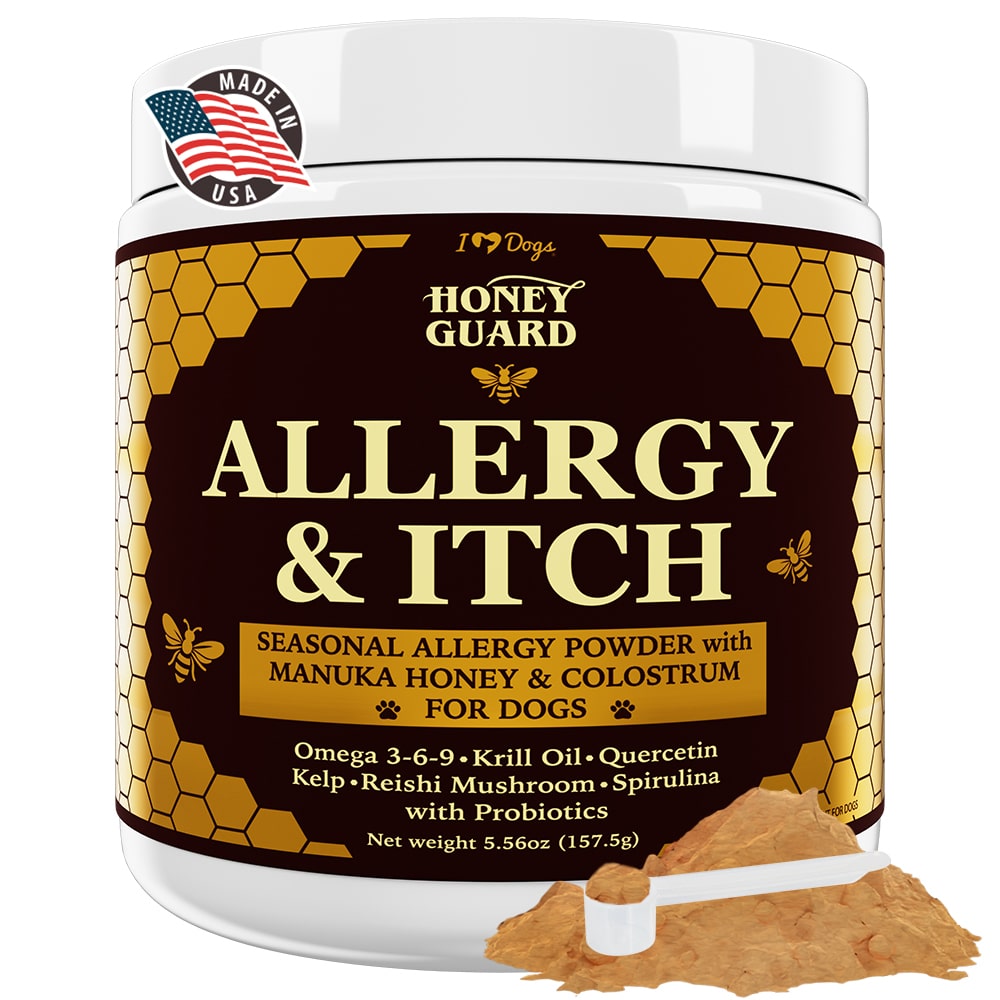
Our Pick: Honey Guard™ Allergy & Itch Omega 3-6-9 Powder
Honey Guard™ Allergy & Itch Omega 3-6-9 Powder goes beyond basic omega supplementation. It combines krill oil, ahiflower oil, and fish oil powder for a complete omega 3-6-9 profile, plus anti-inflammatory powerhouses like quercetin (a natural antihistamine), Manuka honey, and colostrum for immune support. The powder format mixes easily into your dog’s food, making daily dosing simple.
For aging dogs specifically, the combination of inflammation-fighting omegas and immune-modulating ingredients like reishi mushroom and spirulina helps slow the cellular damage that accumulates with age.
💡 Signs Your Dog Needs Omega Support
- ✓ Dry, flaky skin or excessive shedding
- ✓ Dull, brittle coat that has lost its shine
- ✓ Stiff joints, especially after resting
- ✓ Frequent ear infections or hot spots
- ✓ Slow wound healing
2. Glucosamine, Chondroitin & MSM for Joints
Joint supplements aren’t just for dogs already limping. By the time you see visible lameness, significant cartilage damage has already occurred. Starting joint support early, ideally around age 5 for large breeds and age 7 for smaller dogs, protects the cartilage before it breaks down.
How Joint Supplements Fight Aging
Glucosamine and chondroitin are building blocks of cartilage. Your dog’s body uses them to repair and maintain the cushioning between bones. As dogs age, cartilage production slows while breakdown accelerates. Supplementing with glucosamine and chondroitin gives the body raw materials to keep up with repair demands.
MSM (methylsulfonylmethane) adds another layer. It’s a naturally occurring sulfur compound that reduces inflammation, supports connective tissue, and helps the body absorb other nutrients more efficiently. MSM levels drop as dogs age, which is partly why senior dogs often struggle with mobility.
Clinical studies from the Veterinary Centers of America confirm that glucosamine-chondroitin supplementation can ease pain and improve mobility in arthritic dogs, especially when combined with anti-inflammatory ingredients like turmeric.
Key Ingredients to Look For
The best joint supplements combine glucosamine HCl, chondroitin sulfate, and MSM as a base. Then look for extras: turmeric (curcumin) for inflammation, hyaluronic acid for joint lubrication, and Boswellia for pain relief. Multi-ingredient formulas work better than single-compound products because they attack joint deterioration from multiple angles.
Our Pick: iHeartDogs Advanced 8-in-1 Hip & Joint Supplement
The iHeartDogs Advanced 8-in-1 Hip & Joint Supplement packs glucosamine, chondroitin, MSM, turmeric, Boswellia, hyaluronic acid, and omega fatty acids into a single bacon-flavored chew. That 8-in-1 formula means your dog gets complete joint protection without needing multiple supplements.
At $0.38 per day, it’s among the most affordable joint supplements on the market. Dogs genuinely love the taste, so you’re not fighting to get them to take it.

3. Probiotics, Prebiotics & Postbiotics
Gut health isn’t just about digestion. About 70% of your dog’s immune system lives in their gut. When the bacterial balance shifts (and it always shifts with age), your dog becomes more vulnerable to infections, allergies, and chronic inflammation.
Stress, antibiotics, processed food, and simply getting older all disrupt the delicate ecosystem of beneficial bacteria in your dog’s digestive tract. Rebuilding and maintaining that ecosystem is the single best thing you can do for an aging dog’s overall health.
Why Gut Health Matters More as Dogs Age
Aging dogs lose bacterial diversity in their gut. Studies show a 30-40% decline in beneficial gut bacteria between ages 7 and 12. Fewer good bacteria means less efficient nutrient absorption, weaker immune response, and more digestive problems like gas, diarrhea, and constipation.
Modern gut health science has moved beyond just probiotics. The triple-action approach of probiotics (live beneficial bacteria), prebiotics (fiber that feeds good bacteria), and postbiotics (beneficial metabolites from bacterial fermentation) provides the most complete gut support available.
Key Ingredients to Look For
Look for multi-strain probiotics with at least 1 billion CFU per serving. Important strains include Bacillus subtilis, Lactobacillus acidophilus, and Bacillus coagulans. Prebiotic fiber (pumpkin is excellent) feeds the probiotics, while digestive enzymes help your dog break down food more completely. Postbiotics are the newest addition and represent a real upgrade in gut support.
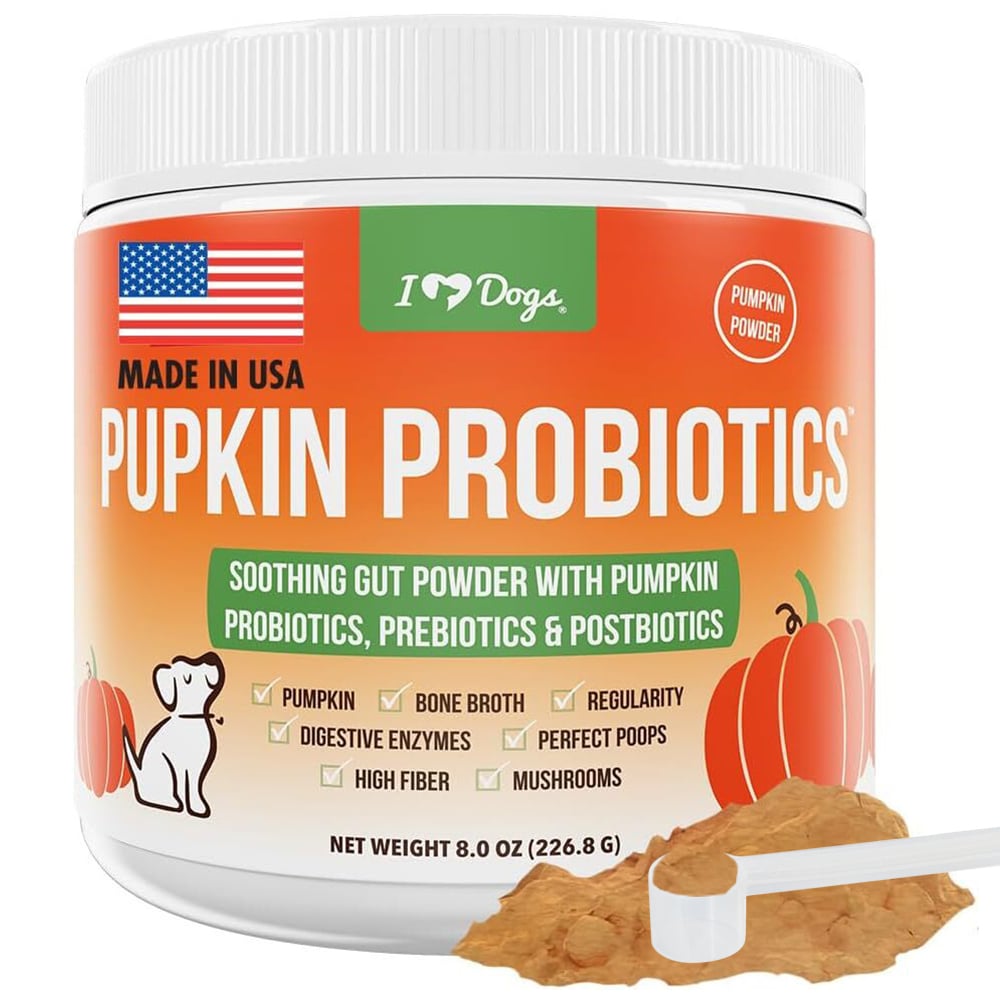
Our Pick: Pupkin™ Probiotics, Prebiotics & Postbiotics
iHeartDogs Pupkin™ Probiotics, Prebiotics & Postbiotics uses a triple-action formula with 3 billion CFU of multi-strain probiotics, pumpkin-based prebiotics, and 300 million postbiotic cells. It also includes gut-soothing bone broth, turkey tail mushroom extract, and a full digestive enzyme blend.
For aging dogs, this combination rebuilds bacterial diversity, strengthens immune function, and improves nutrient absorption so your dog actually gets more from the food they’re already eating. The powder format lets you adjust dosing based on your dog’s size.
4. SAM-e for Liver and Brain Support
SAM-e (S-adenosylmethionine) is the bioactive form of the amino acid methionine. It’s involved in more than 40 chemical reactions throughout the body, making it an incredibly versatile anti-aging compound for dogs.
Veterinarians recommend SAM-e for two main reasons: liver protection and cognitive support. Both of these become critical as dogs age, especially for dogs on long-term medications like NSAIDs for arthritis pain.
Why SAM-e Matters for Aging Dogs
Your dog’s liver processes every medication, toxin, and metabolic byproduct that enters their body. Years of this work take a toll. SAM-e supports liver cell regeneration and helps the organ produce glutathione, the body’s master antioxidant.
On the brain side, SAM-e supports neurotransmitter production and protects brain cells from oxidative damage. Dogs with canine cognitive dysfunction (the dog version of Alzheimer’s) often show improvement with regular SAM-e supplementation.
If you’re looking for a deep dive into SAM-e options, our guide to the best SAM-e supplements for dogs covers everything from dosing to what to look for on the label.
Key Ingredients to Look For
Choose enteric-coated SAM-e tablets for maximum absorption (stomach acid destroys uncoated SAM-e). Look for products with added B vitamins, since they work as co-factors in SAM-e metabolism. Zinc and other amino acids can boost effectiveness, too. The National Center for Complementary and Integrative Health provides research-backed information on supplement ingredients.
5. Senior Multivitamins with Antioxidant Support
Think of a senior multivitamin as nutritional insurance. Even dogs on high-quality diets can develop nutrient gaps as they age because their digestive system absorbs less efficiently. A good multivitamin fills those gaps and adds antioxidant protection that specifically targets age-related cellular damage.
Not all multivitamins are worth buying, though. Generic “all-purpose” vitamins often contain low doses of too many ingredients. Senior-specific formulas concentrate on what aging dogs actually need: cognitive support, anti-inflammatory compounds, immune boosters, and antioxidants.
Why Senior Dogs Need a Targeted Multivitamin
After age 7, your dog’s body struggles with several nutrient-related challenges. Declining stomach acid reduces mineral absorption. Oxidative stress increases demand for antioxidants. Brain cells need more support to maintain memory and orientation. The immune system becomes less responsive.
A properly formulated senior multivitamin addresses all of these simultaneously. Look for one that goes beyond basic vitamins and minerals to include functional ingredients like mushroom blends, turmeric, lutein (for eye health), and fish oil.
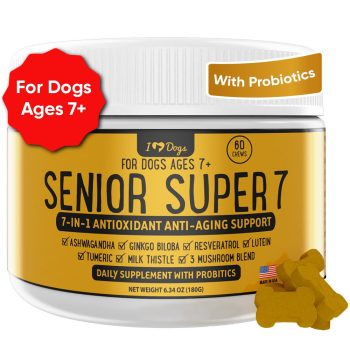
Our Pick: Senior Super 7 Daily MegaVitamin
The Senior Super 7 Daily MegaVitamin is built specifically for aging dogs. Its 7-in-1 formula targets cognitive function (with ingredients that boost GABA and serotonin), provides antioxidant support for longevity, includes a three-mushroom blend for immune health, and adds probiotics for digestive support.
Unlike generic multivitamins that spread ingredients too thin, the Senior Super 7 concentrates on the seven areas that matter most for aging dogs: cognition, inflammation, vision, digestion, immunity, mood, and cellular health. At $0.67 per day, it’s a solid investment in your dog’s quality of life.
🛠 When to Start Anti-Aging Supplements
- Giant breeds (Great Danes, Mastiffs): Start at age 4-5
- Large breeds (Labs, Goldens, Shepherds): Start at age 5-6
- Medium breeds (Beagles, Bulldogs): Start at age 6-7
- Small breeds (Yorkies, Chihuahuas): Start at age 7-8
- Any dog on long-term medications: Start immediately, with vet approval
How to Choose the Right Supplements for Your Aging Dog
You don’t need to give your dog all five supplement types at once. Start by identifying your dog’s biggest challenges, then build from there.
If your dog’s coat looks dull and they’re itchy: Start with omega fatty acids.
If they’re stiff getting up or reluctant to jump: Joint supplements with glucosamine, chondroitin, and MSM should be first.
If digestive issues are the main concern: A probiotic with prebiotics and postbiotics will help the most.
If your dog seems confused or disoriented: Look into SAM-e for cognitive support, and talk to your vet about the symptoms.
If you want broad-spectrum aging support: A senior multivitamin covers the most ground in a single supplement.
Keep in mind that many of these work well together. Omega fatty acids and joint supplements, for example, both fight inflammation from different angles. And probiotics improve nutrient absorption, which makes every other supplement work better.
Always talk to your vet before starting a new supplement, especially if your dog takes medications. Some supplements can interact with prescription drugs, and your vet can recommend dosing based on your dog’s weight, health status, and specific needs. Check out our list of must-have items for senior dogs for more ways to support your aging pup.
Frequently Asked Questions
1. What age should I start giving my dog anti-aging supplements?
Most veterinarians recommend starting anti-aging supplements when your dog enters their senior years, which is around age 7 for most breeds. Giant breeds like Great Danes and Mastiffs age faster and benefit from starting supplements at age 4-5. If your dog takes long-term medications or shows early signs of aging, talk to your vet about starting sooner.
2. Can I give my dog multiple supplements at the same time?
Yes, most anti-aging supplements work well together. Omega fatty acids and joint supplements both target inflammation from different pathways, and probiotics improve nutrient absorption, which helps other supplements work better. Start with one supplement, wait 2-3 weeks to watch for any reactions, then add a second. Your vet can help you build the right combination for your dog’s needs.
3. How long does it take for anti-aging supplements to work?
Results vary by supplement type. Probiotics often show digestive improvements within 1-2 weeks. Joint supplements like glucosamine typically need 4-6 weeks of consistent daily use before you see noticeable mobility improvements. Omega fatty acids usually improve coat quality within 3-4 weeks, with anti-inflammatory benefits building over 6-8 weeks.
4. Are anti-aging supplements safe for dogs with health conditions?
Most anti-aging supplements are very safe, but dogs with specific health conditions should always get vet clearance first. SAM-e, for example, shouldn’t be combined with certain antidepressant medications. Joint supplements containing shellfish-derived glucosamine may need alternatives for dogs with shellfish allergies. Your vet can review your dog’s medications and health history to flag any potential interactions.
5. Do anti-aging supplements for dogs actually work?
Yes, and there’s growing clinical evidence behind the key ingredients. Glucosamine and chondroitin have multiple peer-reviewed studies showing joint benefit in dogs. Omega-3 fatty acids have strong research support for reducing inflammation and supporting cognitive function. Probiotics are backed by veterinary science for gut health and immune support. The key is choosing products with clinically studied ingredients at effective doses, not bargain-bin formulas with minimal active ingredients.
6. What’s the difference between regular vitamins and senior-specific supplements?
Senior-specific supplements concentrate on ingredients that address age-related decline: antioxidants for cellular protection, anti-inflammatory compounds for joints and organs, cognitive-support nutrients for brain health, and immune modulators for the weakening senior immune system. Regular vitamins typically provide basic nutritional coverage without these targeted anti-aging ingredients. For dogs over 7, a senior-specific formula delivers much more relevant support.

Your Dog Deserves to Feel Good at Every Age
Growing older doesn’t have to mean slowing down. The right combination of anti-aging supplements for dogs can protect joints, sharpen thinking, strengthen immunity, and keep your dog’s tail wagging well into their golden years.
Start with one supplement that addresses your dog’s biggest need right now. Give it 4-6 weeks to take effect. Then consider adding a second. Small, consistent steps make the biggest difference in how your dog ages, and every day you invest in their health is a day they get to spend feeling like themselves.
Sources: PetMD, VCA Hospitals, National Center for Complementary and Integrative Health, AKC
These statements have not been evaluated by the Food and Drug Administration. These products are not intended to diagnose, treat, cure, or prevent any disease. The information on this website is not intended to replace a one-on-one relationship with a qualified healthcare professional.
 Toledo, United States.