
When temperatures drop and winter weather moves in, keeping your dog active can become a challenge. Shorter days, freezing temperatures, snow, and icy sidewalks may make your usual walks and outdoor play sessions less appealing. However, just because it’s cold outside doesn’t mean your dog needs less exercise. In fact, maintaining a consistent activity routine throughout winter is essential for their physical health, mental well-being, and overall happiness.
Dogs that don’t get enough exercise may experience weight gain, muscle loss, boredom, and behavioral problems caused by pent-up energy. Fortunately, there are plenty of ways to keep your dog fit during winter, even when the weather makes outdoor activities difficult. From indoor workouts and interactive training to exciting winter sports, these five ideas can help your pup stay healthy and entertained until spring.
1. Try a Dog Treadmill for Indoor Exercise

If your dog loves long walks or runs but winter weather makes outdoor exercise difficult, a dog treadmill may be a worthwhile investment. Treadmills designed specifically for dogs provide a controlled environment where your pup can walk or jog without exposure to freezing temperatures, icy sidewalks, or other winter hazards.
Dog treadmills are similar to human treadmills, but they’re designed to accommodate a dog’s natural gait and movement. Some models have adjustable speeds, safety rails, and longer running surfaces to accommodate different breeds and sizes. For active dogs that need substantial daily exercise, a treadmill can be particularly helpful during extended periods of bad weather.
There are also specialized options, such as slat mills and carpet mills, which are sometimes used for canine conditioning and dog sports. Unlike motorized treadmills, these typically rely on the dog’s movement to operate. However, they require proper training and supervision and may not be suitable for every dog.
If you’re considering treadmill exercise for your dog, introduce the equipment gradually. Allow your pup to investigate it while it’s turned off, rewarding calm behavior with praise and treats. Once they’re comfortable, begin with very short sessions at a slow walking pace, increasing the duration only as your dog becomes confident.
Important safety considerations: Never force a frightened dog onto a treadmill or leave them unattended while using one. Human treadmills may be unsuitable because their running surfaces can be too short for a dog’s natural stride. Dogs with arthritis, heart disease, mobility problems, or other medical conditions should receive veterinary clearance before beginning treadmill workouts.
A treadmill shouldn’t completely replace outdoor walks, which provide valuable opportunities for sniffing, exploring, and social interaction. However, it can be an excellent addition to your dog’s winter exercise routine.
2. Keep Your Dog Moving With Indoor Agility and Games
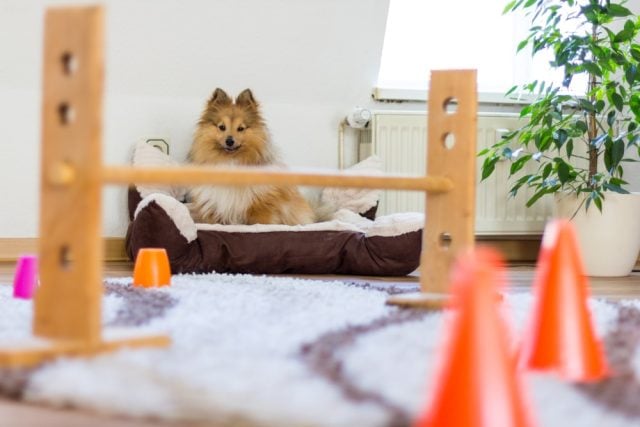
You don’t need a large backyard or professional agility equipment to give your dog a fun physical workout. Indoor agility courses and interactive games can turn an ordinary living room into an exciting exercise space while providing much-needed mental stimulation.
Professional indoor agility facilities offer classes for beginners and experienced competitors, allowing dogs to practice navigating tunnels, jumps, weave poles, and other obstacles in a climate-controlled environment. These activities help develop coordination, balance, confidence, and communication between dogs and their handlers.
However, you can also create a simple indoor agility course at home using everyday household items. For example, arrange chairs to create a path for your dog to weave through, set up a collapsible play tunnel, or teach your pup to step over low obstacles.
If your dog is new to agility, begin with simple activities and gradually introduce more challenging exercises. The goal isn’t necessarily to complete a complicated obstacle course. It’s to encourage safe movement while making exercise enjoyable.
Other indoor games that help keep dogs active during winter include:
- Hide-and-seek: Have your dog stay in one room while you hide somewhere else in the house, then call them to find you.
- Indoor fetch: Toss a soft toy down a clear hallway or across a carpeted room, provided there’s enough space to prevent collisions.
- Tug-of-war: Play a controlled game of tug using a sturdy dog toy, allowing your pup to engage their muscles while practicing commands such as “drop it.”
- Find the toy: Hide a favorite toy in an easy-to-reach location and encourage your dog to search for it.
- Obstacle courses: Guide your dog around cones, through tunnels, or over low, stable obstacles suited to their abilities.
When planning indoor exercises for dogs, choose a space with good traction and remove anything that could cause an injury. Avoid slippery floors, sharp turns, and high-impact jumping, especially for puppies, senior dogs, and breeds prone to joint problems.
Even several short play sessions throughout the day can help your dog burn energy and prevent boredom when outdoor exercise is limited.
3. Explore Winter Sports Like Skijoring and Sledding
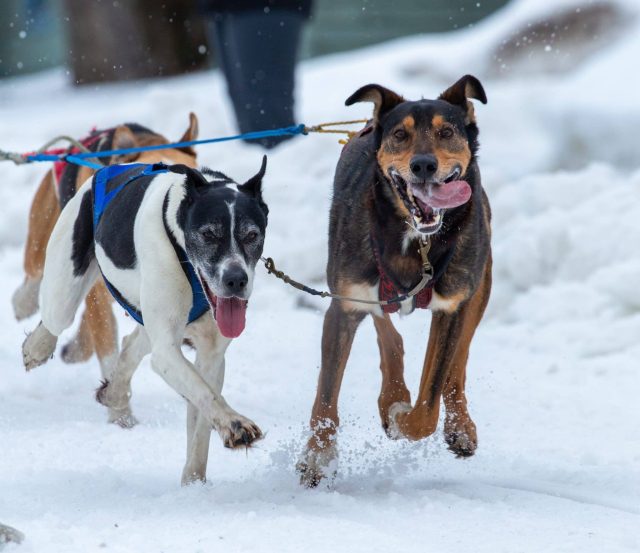
For adventurous dogs that enjoy running and spending time outdoors, winter can provide opportunities for exercise that aren’t available during warmer months. Activities such as skijoring, recreational sledding, and hiking through the snow can offer exciting physical challenges while allowing you and your dog to enjoy the season together.
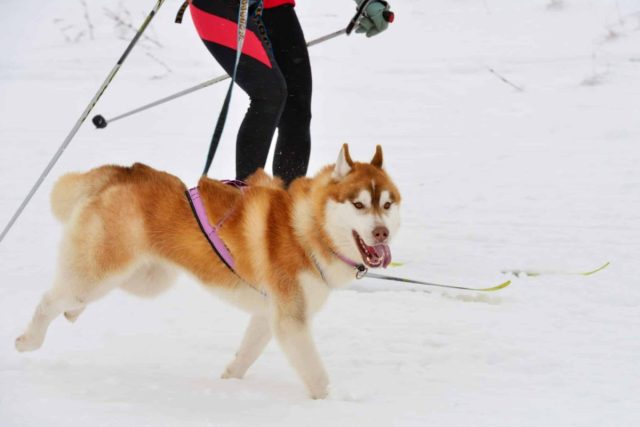
Skijoring is a winter sport in which a dog or team of dogs pulls a person wearing cross-country skis. The dog wears a specialized pulling harness connected to the skier by a shock-absorbing line. Although breeds such as Siberian Huskies and Alaskan Malamutes are often associated with winter sports, many other athletic dogs can participate with appropriate training and conditioning.
Recreational dog sledding is another option for dogs that enjoy pulling activities. However, both sports require specialized equipment, training, and a suitable level of physical fitness. Dogs should learn basic directional and stopping commands before participating, and beginners should consider working with an experienced instructor.
Not every dog is suited to pulling sports, and that’s perfectly fine. For dogs that enjoy snow but aren’t candidates for skijoring or sledding, simpler winter activities can be just as rewarding.
A brisk walk along a cleared trail, a supervised romp through shallow snow, or a game of fetch in a safely enclosed yard can provide valuable exercise. Some dogs even enjoy exploring snowy hiking trails, provided conditions are appropriate for their size, coat type, and fitness level.
How to Keep Your Dog Safe During Outdoor Winter Exercise
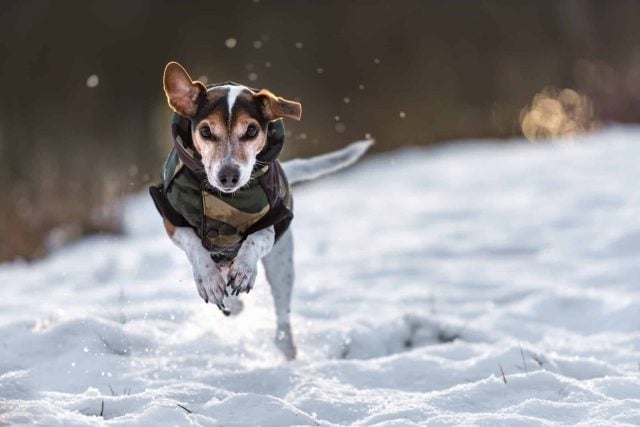
Cold-weather exercise requires a few extra precautions. While some dogs are naturally better equipped for freezing temperatures, others may become uncomfortable or dangerously cold much more quickly.
Before heading outdoors, consider your dog’s breed, age, coat thickness, body condition, and overall health. Small dogs, short-haired breeds, puppies, seniors, and dogs with certain medical conditions may need shorter outings or additional protection from the cold.
A properly fitted winter coat can help keep susceptible dogs comfortable, while protective booties may shield their paws from ice, snow, and irritating deicing products. Always check your dog’s paws after outdoor activities and remove any accumulated snow, ice, or salt.
Watch for signs that your dog is getting too cold, including shivering, lifting their paws, slowing down, whining, or attempting to return indoors. If your dog shows these behaviors, end the activity and help them warm up.
Remember that icy surfaces can also increase the risk of slips and injuries. Choose routes with good traction, avoid frozen bodies of water, and never push your dog to continue exercising when conditions are unsafe.
4. Enroll in an Indoor Obedience Class or Practice New Tricks
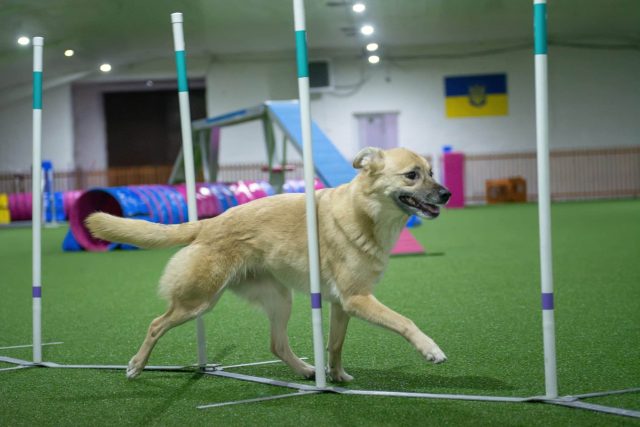
Physical exercise is important, but keeping your dog’s mind active is just as essential during the winter months. When cold weather limits outdoor adventures, obedience training and trick practice can provide an excellent combination of mental stimulation, light physical activity, and quality time together.
Indoor obedience classes are available year-round at many dog training facilities, making them a convenient option for dogs that need structured activities during winter. Whether your dog is learning basic commands or practicing more advanced skills, training encourages concentration, problem-solving, and cooperation.
For energetic dogs, classes can also provide a productive outlet for excitement and help reinforce good manners in distracting environments. Meanwhile, shy or inexperienced dogs may benefit from appropriately managed classes that allow them to build confidence at a comfortable pace.
You don’t need to enroll in a formal class to enjoy these benefits, either. Short training sessions at home can be equally rewarding.
Try teaching your dog a new trick, such as spinning in a circle, giving a high five, touching your hand with their nose, or retrieving a specific toy. You can also practice familiar commands like sit, stay, come, and place while gradually introducing new distractions.
For an added challenge, consider teaching your dog to identify toys by name or put their toys into a basket. These activities require concentration and problem-solving, helping to keep your pup mentally engaged when they can’t spend as much time exploring outdoors.
Don’t Forget About Scent Games
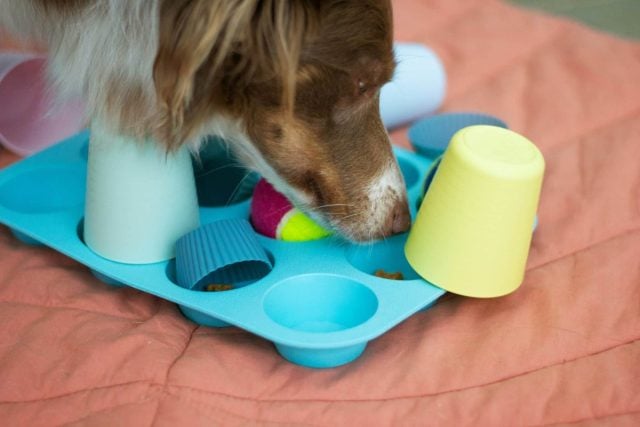
Dogs experience much of the world through their noses, making scent-based activities particularly enriching. In fact, sniffing games can be a wonderful way to keep dogs entertained indoors without requiring strenuous physical activity.
Try hiding a few treats around a room and encouraging your dog to find them. Start with obvious hiding places, then gradually increase the difficulty as your pup learns the game. Snuffle mats, puzzle feeders, and treat-dispensing toys can provide similar opportunities for mental stimulation.
These activities are especially useful for senior dogs and those with physical limitations because they allow dogs to use their natural instincts without excessive running or jumping.
Keep training sessions short, positive, and rewarding. A few minutes of focused practice several times a day can help prevent winter boredom while strengthening your relationship with your dog.
5. Maintain a Healthy Diet and Watch Your Dog’s Weight
Exercise is only one part of keeping your dog fit during winter. Maintaining a healthy diet and monitoring their weight are equally important, particularly if colder weather causes a noticeable decrease in daily activity.
Some dog owners assume their pets need extra calories during winter to stay warm. While this may be true for working dogs that spend substantial time outdoors in cold conditions, most household pets don’t automatically need more food simply because temperatures have dropped.
In fact, dogs that spend more time indoors and exercise less during winter may require fewer calories to maintain a healthy weight. Continuing to feed the same amount while significantly reducing physical activity can contribute to unwanted weight gain.
Excess weight places additional stress on your dog’s joints and may increase the risk of health problems, including arthritis-related discomfort and metabolic disease. Even a relatively small amount of weight gain can make movement more difficult, particularly for smaller breeds.
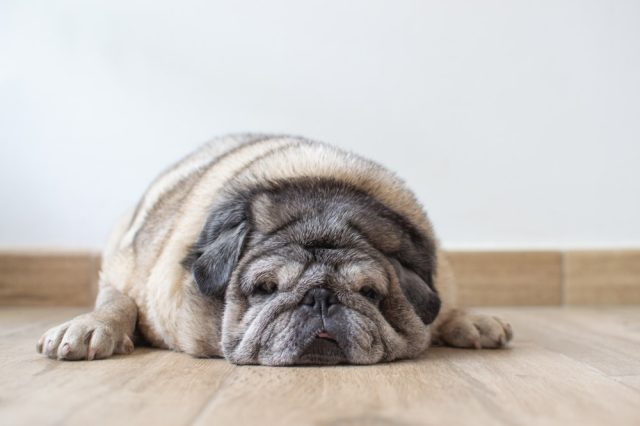
To help your dog maintain a healthy weight throughout winter, measure their meals rather than estimating portions, limit high-calorie treats, and monitor changes in their body condition. You should generally be able to feel your dog’s ribs beneath a thin layer of fat and see a waist when looking down from above, although ideal body shape varies by breed.
If you’re using treats for indoor training games, consider setting aside a portion of your dog’s regular kibble to use as rewards. This allows you to provide frequent positive reinforcement without adding unnecessary calories.
It’s also important to remember that dogs still need access to fresh drinking water during winter. Indoor heating can contribute to a dry environment, and dogs may lose moisture through panting during exercise even when the weather is cold.
If you notice significant weight changes or aren’t sure how much your dog should eat during winter, consult your veterinarian. They can help determine an appropriate calorie intake based on your dog’s age, size, activity level, and overall health.
How Much Exercise Does a Dog Need During Winter?
The amount of exercise a dog needs doesn’t necessarily decrease just because it’s winter. However, their routine may need to change depending on the weather and their individual needs.
Young, energetic dogs and active working breeds often require considerably more daily exercise than older, less active dogs. Breed tendencies, health conditions, and individual temperament all influence how much physical activity is appropriate.
Many healthy adult dogs benefit from at least 30 minutes to an hour of daily activity, while highly energetic breeds may need considerably more. However, there is no single exercise requirement that applies to every dog. Puppies, seniors, and dogs with medical conditions may need shorter, gentler sessions.
During winter, consider dividing your dog’s activity into several manageable periods throughout the day. For example, a short morning walk, an afternoon training session, and an evening game of indoor fetch may provide a better balance than one long outing in freezing temperatures.
Pay attention to how your dog responds. Signs of healthy activity include enthusiasm, comfortable movement, and the ability to settle and rest afterward. Excessive panting, limping, unusual fatigue, or reluctance to continue may indicate that an activity is too strenuous.
When in doubt, ask your veterinarian to recommend an exercise routine suited to your dog’s individual needs.
Keep Your Dog Healthy, Happy, and Active All Winter Long
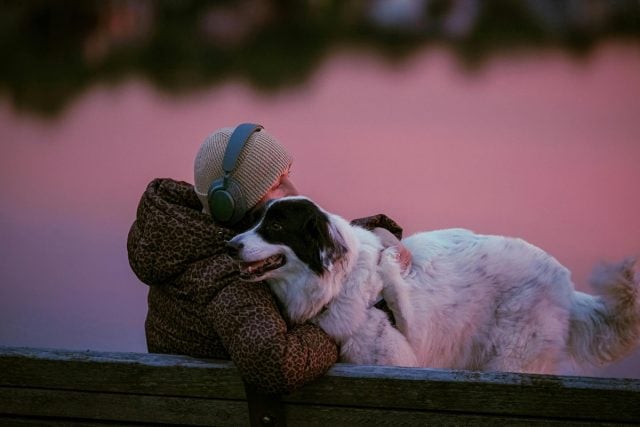
Winter weather may change how you exercise your dog, but it doesn’t have to put an end to their fitness routine. With a little creativity, you can provide plenty of opportunities for physical activity and mental enrichment, whether you’re exploring snowy trails, practicing obedience commands, or setting up an indoor obstacle course.
The key is finding activities that suit your dog’s age, health, energy level, and personality while adapting to changing weather conditions. Some dogs thrive on outdoor winter adventures, while others are happiest enjoying a few short walks and interactive games in the warmth of home.
By combining regular exercise, engaging activities, and a balanced diet, you can help your dog maintain a healthy weight, strong muscles, and a positive outlook throughout the colder months. Most importantly, staying active together provides valuable opportunities to bond with your pup, no matter what the weather brings.
 Toledo, United States.