
Vaccines have long been a cornerstone of both human and veterinary medicine, helping protect dogs from serious, sometimes deadly diseases. But in recent years, the conversation around how often dogs truly need vaccines has evolved. Many dog parents now find themselves asking an important—and reasonable—question: Are annual vaccines always necessary, or even beneficial?
Today, most veterinarians agree that vaccination decisions should be individualized, taking into account a dog’s age, lifestyle, environment, and medical history. Thanks to advances in veterinary science, we now have more tools than ever, such as vaccine titers, to help guide those decisions safely and thoughtfully.
Why Vaccines Still Matter
Vaccines protect dogs from highly contagious and potentially fatal illnesses like parvovirus, distemper, and rabies. These “core vaccines” are considered essential for nearly all dogs, particularly during puppyhood, when immune systems are still developing.
The debate isn’t about whether vaccines work (they do) but rather how often they need to be given once immunity has been established.

Location and Lifestyle Matter
Not every dog faces the same risks.
A dog living in a rural area, hiking in wooded regions, or frequently boarding may have very different exposure risks than a senior dog who rarely leaves a city apartment. For example:
-
Parvovirus is widespread and dangerous almost everywhere, especially for puppies.
-
Lyme disease risk is higher in tick-heavy regions and lower in urban environments with minimal exposure.
-
Leptospirosis risk varies significantly depending on wildlife exposure, water sources, and geography.
Modern veterinary practice increasingly emphasizes risk-based vaccination, meaning vaccines are recommended based on where a dog lives and how they live; not on a one-size-fits-all schedule.
Age Is a Key Factor
Puppies absolutely need vaccines. Their early vaccination series is critical for building immunity during a vulnerable stage of life.
But what about adult and senior dogs?
Research shows that dogs who receive a complete puppy series and appropriate boosters often develop long-lasting, sometimes lifelong, immunity to many core diseases. Because of this, many veterinary diagnostic labs now offer vaccine titer testing.
What Is a Titer Test?
A titer test is a blood test that measures antibodies against specific diseases, helping determine whether a dog is still protected from prior vaccination.
If a dog shows protective titers, additional vaccination for that disease may not be necessary at that time. Titers are commonly used for distemper and parvovirus, and when immunity is present, retesting is often recommended every three years.
It’s important to note:
-
Rabies vaccination is legally regulated and cannot be replaced by titers in most regions, regardless of immunity status.
-
While some veterinarians question titers in certain situations, many professional organizations now acknowledge them as a useful tool for informed decision-making.
Studies suggest that over 90% of properly vaccinated dogs maintain long-term immunity to core diseases.

Vaccine Reactions: What Dog Parents Should Know
Most dogs tolerate vaccines well, but adverse reactions can occur, particularly in smaller dogs, seniors, or dogs with underlying health conditions.
Common Mild Reactions
-
Temporary lethargy
-
Soreness at the injection site
-
Mild fever
-
Decreased appetite for 24–48 hours
Less Common but More Serious Reactions
-
Facial swelling
-
Hives
-
Vomiting or diarrhea
-
Difficulty breathing
-
Collapse or anaphylaxis (rare but urgent)
Dogs who experience reactions should have this documented in their medical record, as future vaccine plans may need to be adjusted.
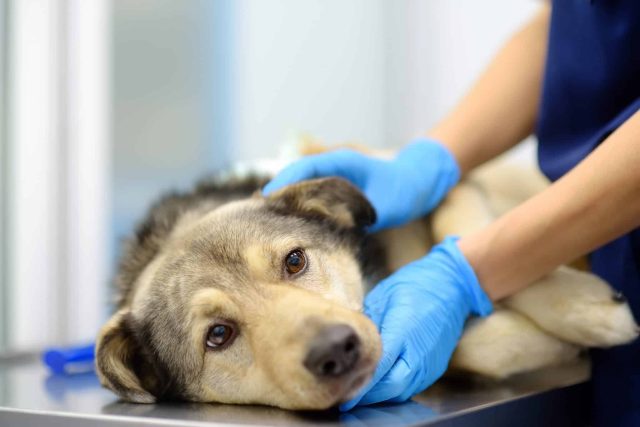
Over-Vaccination: Is It a Real Concern?
The term “over-vaccination” refers to administering vaccines more frequently than medically necessary. While vaccines are designed to stimulate the immune system, repeated stimulation without clear benefit may, in some dogs, contribute to immune-related issues.
Veterinary researchers have explored possible links between excessive vaccination and:
-
Chronic skin and ear conditions
-
Autoimmune disorders
-
Inflammatory diseases
-
Seizure disorders (in susceptible dogs)
It’s important to be clear: vaccines do not automatically cause these conditions, and most dogs receive regular vaccines without issue. However, growing evidence supports the idea that more is not always better, especially once immunity is already established.
This shift in understanding is why most major veterinary organizations now recommend extended vaccine intervals (every three years) for many core vaccines rather than annual boosters.
What Do Modern Veterinarians Believe?
Today’s veterinary landscape is more nuanced than ever. Many veterinarians:
-
Follow AAHA (American Animal Hospital Association) guidelines
-
Support risk-based vaccination protocols
-
Offer titers as an option
-
Tailor vaccine schedules to the individual dog
While perspectives may still vary, the profession as a whole is moving toward personalized preventive care, rather than automatic yearly vaccinations.

How Dog Parents Can Advocate for Their Dogs
Being an advocate doesn’t mean refusing vaccines—it means asking thoughtful questions and making informed choices.
Here’s how to approach vaccine decisions with confidence and respect:
✔ Ask About Risk
-
Which diseases are truly a risk in my area?
-
Does my dog’s lifestyle increase or reduce exposure?
✔ Discuss Titers
-
Are titers appropriate for my dog?
-
How often would you recommend testing?
✔ Review Your Dog’s History
-
Has my dog ever had a vaccine reaction?
-
Does my dog have chronic illness, immune issues, or advanced age?
✔ Space Vaccines When Possible
-
Can vaccines be given separately rather than all at once?
✔ Build a Trusted Partnership
-
Choose a veterinarian who welcomes questions and explains options clearly.
-
Second opinions are okay—collaboration leads to better care.
A Thoughtful Approach to Lifelong Health

Vaccines remain a powerful tool for protecting dogs—but like all medical interventions, they work best when used thoughtfully and intentionally. By staying informed, understanding your dog’s individual needs, and working with a veterinarian you trust, you can make choices that support both safety and long-term well-being.
Our dogs give us their whole hearts for far too short a time. Advocating for them—kindly, calmly, and with compassion—is one of the most loving things we can do.
 Toledo, United States.