
 Reviewed by:
Dog grooming does much more than keep your pup looking and smelling fresh. Regular brushing, bathing, nail trimming, and ear care can help protect your dog’s skin, coat, feet, and overall comfort. Grooming sessions also give you an opportunity to check your dog’s body for parasites, irritation, lumps, and other changes that might otherwise go unnoticed.
How often your dog needs to be groomed depends on their breed, coat type, lifestyle, and health. Long-haired and double-coated dogs may require frequent brushing, while short-haired dogs usually need less coat maintenance. However, every dog benefits from a consistent grooming routine.
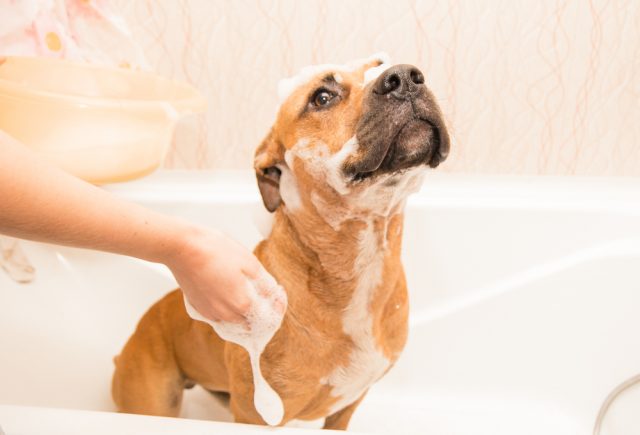
Whether you visit a professional groomer or groom your dog at home, these five health benefits make regular grooming an essential part of responsible dog care.
Related: The 9 Best Clippers for Grooming Your Dog at Home
#1. Helps You Spot Fleas and Ticks
Regular grooming gives you the chance to check your dog closely for fleas, ticks, flea dirt, bites, and irritated skin. These unwanted pests can sometimes remain hidden beneath thick or long fur, especially around the ears, neck, armpits, groin, and between the toes.
Bathing and brushing may help remove some fleas and debris, but grooming alone is not a substitute for an effective flea-and-tick preventive recommended for your dog. If you discover parasites, contact your veterinarian for guidance on safely treating your dog and protecting your home.
Finding fleas and ticks early can help reduce your dog’s discomfort and lower the risk of skin infections and certain pest-borne illnesses.
#2. Prevents Painful Mats and Skin Irritation
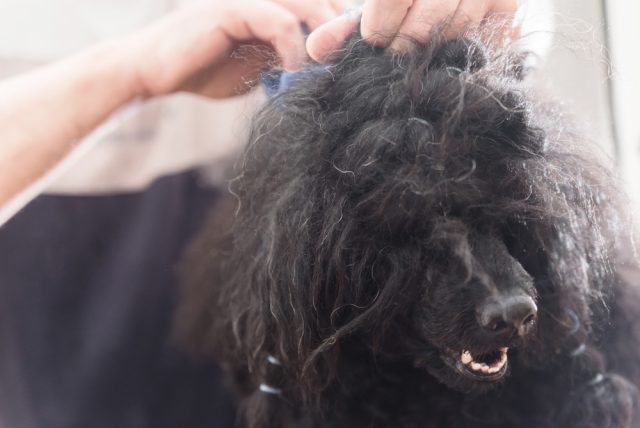
Brushing removes loose hair, dirt, and debris while helping distribute your dog’s natural skin oils throughout the coat. With the right dog brush, grooming can also feel like a gentle massage and become an enjoyable bonding experience for you and your pup.
Regular brushing is especially important for dogs with long, curly, silky, or double coats. Without proper care, loose hair can become tangled and form tight mats that pull painfully against the skin. Severe matting can trap moisture and debris, restrict movement, hide parasites, and contribute to sores or skin infections.
Small tangles may be manageable at home, but tightly matted fur should be addressed carefully. Trying to cut mats out with scissors can injure the skin underneath. Depending on the severity, a professional groomer or veterinarian may be the safest person to remove your dog’s mats.
#3. Protects the Feet, Posture, and Joints
Nail trimming is one of the most important—and frequently overlooked—parts of dog grooming. When a dog’s nails become too long, they can press against the ground and alter the way the paws make contact with the floor. Over time, this may make walking uncomfortable and place unnecessary strain on the toes, feet, and joints.
Overgrown nails are also more likely to split, snag, or break. In severe cases, curved nails, particularly dewclaws, can grow into the paw pads and cause significant pain or infection.
Your dog’s nails should be kept at a comfortable length that allows them to stand and walk naturally. If your dog is nervous about nail trims or has dark nails that make the quick difficult to see, ask a veterinarian or professional groomer for help. Gradual handling exercises, positive reinforcement, and high-value rewards can also make nail care less stressful.
#4. Supports Clean, Healthy Ears
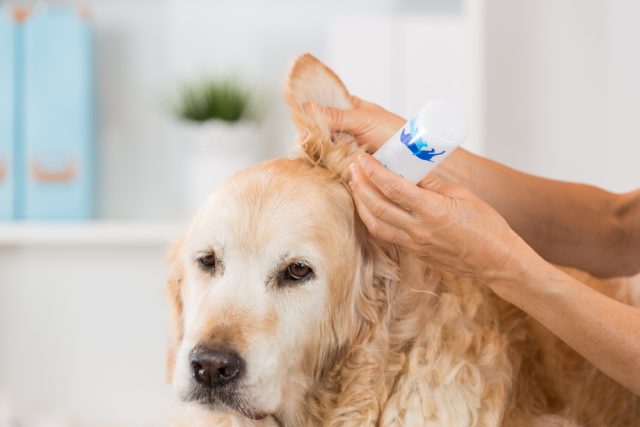
Checking your dog’s ears regularly can help you notice redness, swelling, discharge, odor, excess wax, or signs of discomfort before a problem becomes more serious. Dogs with floppy ears, allergies, frequent ear infections, or a love of swimming may require closer monitoring.
Not every dog needs frequent ear cleaning, and cleaning too aggressively can irritate the sensitive ear canal. Use a dog-safe ear cleaner only as directed, and never insert cotton swabs or other objects deep into your dog’s ears.
Some dogs grow a significant amount of hair inside their ear canals, but routine ear plucking is not appropriate for every dog and may cause irritation. Ask your veterinarian or groomer whether your dog’s ear hair actually needs to be removed.
Contact your veterinarian if you notice a strong odor, persistent scratching, head shaking, redness, pain, or unusual discharge. These symptoms may indicate an ear infection, mites, allergies, or another condition that grooming products alone cannot resolve.
#5. Helps You Detect Lumps, Bumps, and Other Changes
One of the greatest health benefits of grooming your dog is the opportunity to examine their entire body. As you brush, bathe, or dry your pup, you become familiar with what is normal for their skin and coat. This makes it easier to recognize changes when they appear.
During grooming, look and feel for:
- New or changing lumps and bumps
- Rashes, redness, scabs, or sores
- Areas of hair loss
- Unusual odors or discharge
- Tender or painful spots
- Changes in existing moles or skin growths
- Swelling between the toes
- Broken nails or irritated paw pads
Many lumps are harmless, but appearance alone cannot determine what they are. Let your veterinarian know about any new, growing, painful, bleeding, or otherwise concerning areas. Finding a change early may allow your dog to receive veterinary attention sooner.
Regular Dog Grooming Supports a Healthier, More Comfortable Life
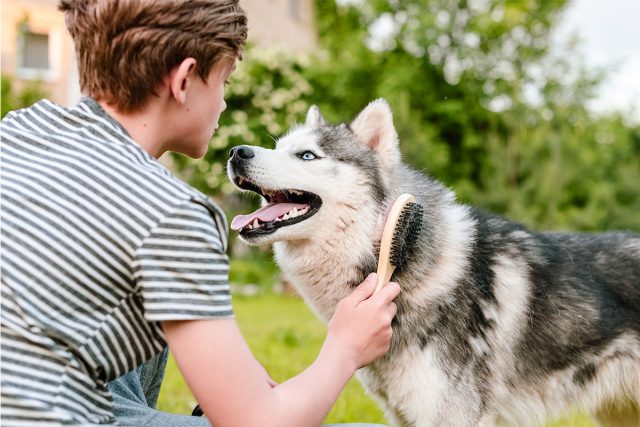
Grooming is an important part of preventive care for dogs of every breed, size, and coat type. A consistent routine can help prevent painful matting, protect your dog’s paws, support healthy skin and ears, reveal parasites, and alert you to physical changes that may require veterinary care.
Your dog’s ideal grooming schedule will depend on their individual needs. If you are unsure how often to brush, bathe, trim nails, or clean ears, ask your veterinarian or a trusted professional groomer for personalized advice.
Most importantly, keep grooming calm, gentle, and rewarding. With patience, praise, and plenty of treats, regular grooming can become more than a health necessity; it can also be a comforting routine that strengthens the bond you share with your dog
 Toledo, United States.