
Ear infections are the second most common reason dogs visit the veterinarian, making ear care an important part of your dog’s overall health routine. But when it comes to cleaning your dog’s ears at home, more isn’t always better. Cleaning too infrequently can allow wax, moisture, yeast, and bacteria to build up, while cleaning too often can strip away the protective wax your dog’s ears need, causing irritation and inflammation.
So, how often should you clean your dog’s ears? The answer depends on your individual dog.
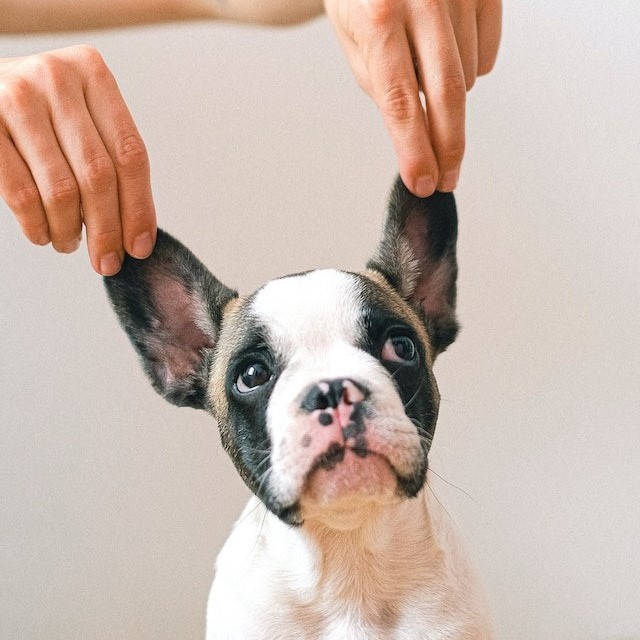
Healthy Dog Ears Don’t Need Constant Cleaning
It may seem surprising, but a small amount of ear wax is actually beneficial. Healthy wax lubricates the ear canal, traps dirt and debris, and helps protect the delicate skin inside the ear from bacteria, yeast, and other harmful organisms.
Because of this, veterinarians generally recommend cleaning your dog’s ears only when they become dirty, rather than following a strict weekly schedule.
For many dogs with healthy ears, once a month is a reasonable guideline. However, some dogs may go much longer between cleanings, while others need more frequent ear care.
Some Dogs Need Their Ears Cleaned More Often
How quickly a dog’s ears become dirty depends on several factors, including:
- Breed
- Ear shape (floppy vs. upright ears)
- Hair growing inside the ear canal
- Wax production
- Allergies
- Swimming or frequent bathing
- Humid climates
- Time spent outdoors
Dogs with floppy ears, such as Cocker Spaniels, Basset Hounds, and Labrador Retrievers, often trap more moisture and have less airflow inside the ear canal, making them more prone to infections. Likewise, dogs that swim regularly or love rolling through mud and tall grass may benefit from more frequent ear checks and cleanings.
On the other hand, many dogs with naturally upright ears and minimal wax production may only need occasional maintenance.
Check Your Dog’s Ears Regularly
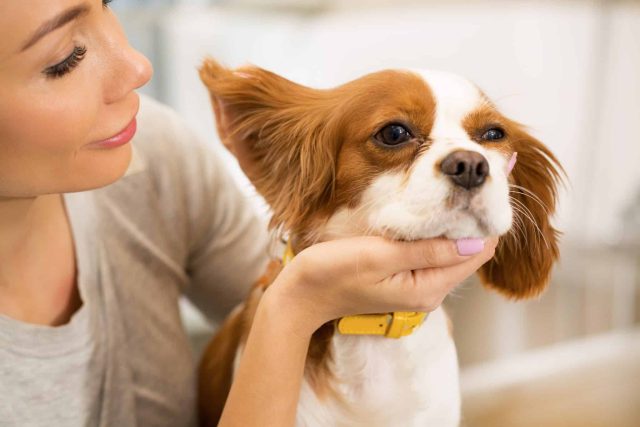
Rather than relying solely on the calendar, get into the habit of checking your dog’s ears every week. Bath time is an excellent opportunity, as is after swimming, hiking, or a trip to the dog park.
Healthy ears should:
- Be light pink on the inside
- Have little to no odor
- Contain only a small amount of light brown wax
- Be free of redness, swelling, or discharge
If the ears simply have a little dirt on the outer ear flap (pinna), a quick wipe is often all that’s needed. Moisten a cotton ball or soft gauze pad with a veterinarian-approved ear cleaner and gently clean the visible folds of the outer ear. Never insert cotton swabs deep into your dog’s ear canal, as this can push debris farther inside or damage the eardrum.
When It’s Time for a More Thorough Ear Cleaning
Lift your dog’s ear flap and look into the opening of the ear canal. If you notice visible dirt, debris, or excess brown wax near the entrance of the canal, it’s probably time for a more complete ear cleaning.
Using a veterinarian-approved canine ear cleanser, gently fill the ear canal according to the product directions, massage the base of the ear for 20 to 30 seconds, then allow your dog to shake their head. Wipe away the loosened debris from the outer ear with cotton or gauze.
Choosing the right product is just as important as cleaning correctly. Look for a veterinarian-recommended ear cleaner made specifically for dogs. A quality cleanser should gently dissolve wax and debris while helping maintain a healthy ear environment. If your dog has sensitive skin, choose an alcohol-free formula, and always consult your veterinarian before using any ear cleaner if your dog has chronic ear infections, severe pain, or a suspected ruptured eardrum.
Never Clean an Ear That May Be Infected
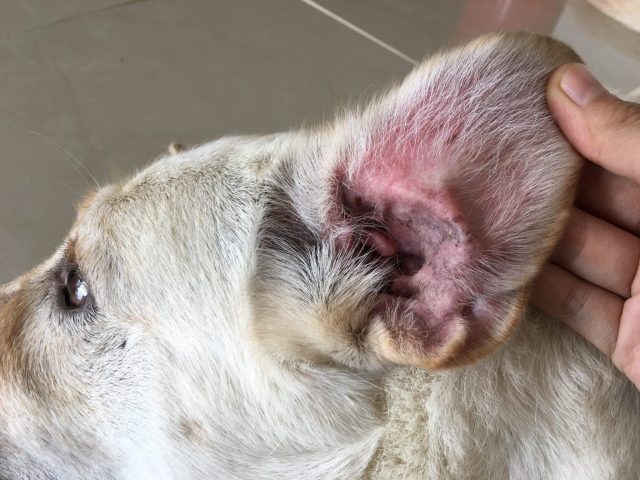
One of the biggest mistakes pet parents make is trying to clean ears that are already infected.
If your dog has an ear infection, flushing the ear can be painful and may even worsen the problem. Instead, schedule an appointment with your veterinarian if you notice any of the following signs:
- A strong or unpleasant odor coming from the ears
- Thick brown, yellow, green, or bloody discharge
- Excessive scratching, rubbing, or pawing at the ears
- Frequent head shaking or repeated ear flapping
- Redness or swelling inside the ear
- Pain or sensitivity when the ears are touched
- Loss of balance or tilting the head
- Changes in hearing or failure to respond to sounds
Your veterinarian can determine whether bacteria, yeast, ear mites, allergies, or another underlying condition is causing the problem and recommend the appropriate treatment.
Make Ear Cleaning a Positive Experience
Like nail trims and tooth brushing, ear cleaning is much easier when your dog learns that it’s nothing to fear. Introduce ear care gradually, offer plenty of praise and treats, and stop if your dog becomes overly anxious or painful.
By making ear checks a regular part of your grooming routine, you’ll be more likely to catch problems early—before they become painful infections that require veterinary treatment.
The Key to Lifelong Ear Health
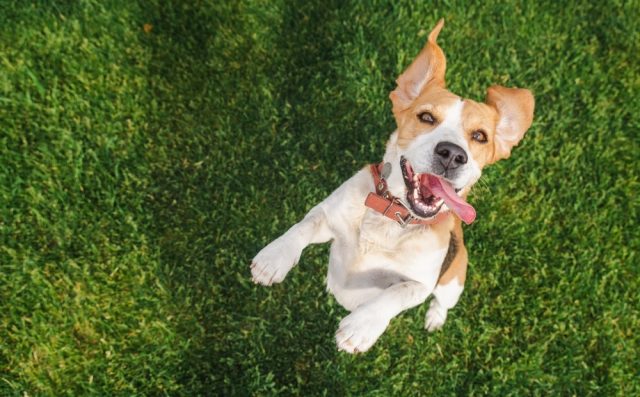
There is no one-size-fits-all answer to how often you should clean your dog’s ears. Most healthy dogs only need occasional cleanings, while dogs with floppy ears, allergies, or active outdoor lifestyles may require more frequent maintenance. The best approach is to check your dog’s ears regularly, clean them only when they’re dirty using a veterinarian-approved ear cleaner, and contact your veterinarian if you notice any signs of infection. A few minutes of preventive ear care can go a long way toward protecting your dog’s hearing, comfort, and long-term ear health.
 Toledo, United States.