
For years, Linda served as a military working dog, putting her energy, intelligence, and determination to work. But even after retiring from service, this Belgian Malinois never lost her enthusiasm for one of her favorite activities: chomping on her beloved rubber toy.
Then cataracts took away her sight, and something that once brought Linda so much happiness became frustrating. She could no longer see her toy during playtime, and when the game ended, she would continue searching for the rubber ball she loved so much.
Fortunately, Linda’s story was about to take a remarkable turn. With help from a nonprofit dedicated to military working dogs and a team of veterinary eye specialists, this deserving canine veteran received a procedure that restored her vision and gave her another opportunity to enjoy the little things that make retirement special.
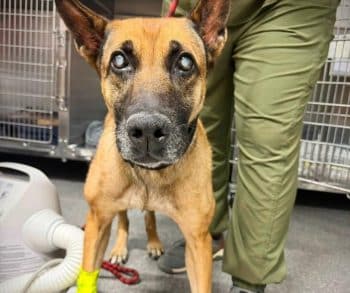
A Military Hero Misses Her Favorite Game
Linda may be retired, but she still has the energetic personality that makes Belgian Malinois such remarkable working dogs. According to Polar Eyes Veterinary Ophthalmology, she’s a high-drive dog who especially loves biting and chomping her rubber toy. For Linda, that toy was more than just something to carry around. It was a favorite way to play, stay engaged, and enjoy the energetic activities that still bring her happiness in retirement.
But after Linda developed cataracts and lost her vision, playtime became much more difficult. She couldn’t always tell when the game had ended and would continue searching for the ball, apparently expecting her favorite activity to resume.
Her veterinary team shared how much Linda missed being able to play the way she once had. Watching such an enthusiastic dog struggle to find something she loved made restoring her vision especially meaningful. And although many dogs adapt remarkably well to vision loss, Linda had an opportunity that could help her see again. Her veterinary team believed surgery could give this retired working dog a chance to return to the activities she enjoyed.
How Cataract Surgery Can Help Dogs See Again
Cataracts develop when the normally clear lens inside the eye becomes cloudy, making it increasingly difficult for light to reach the retina. Depending on their severity, cataracts can cause anything from mild vision changes to complete blindness. Dogs can develop cataracts for several reasons, including inherited conditions, diabetes, aging, and certain eye disorders. When cataracts significantly interfere with vision, a veterinary ophthalmologist may recommend surgery if the dog’s eyes and overall health make the procedure appropriate.
The most common surgical technique is called phacoemulsification. During the procedure, a veterinary eye specialist makes a small incision in the eye and uses ultrasonic energy to break apart the cloudy lens material before carefully removing it. Once the cataract is removed, the surgeon can often place an artificial intraocular lens inside the eye. This replacement lens helps focus light onto the retina, allowing the dog to regain useful vision.
Before surgery, specialists typically perform detailed eye examinations and additional testing to make sure the retina is functioning properly. An ocular ultrasound and a test called an electroretinogram may be used to determine whether removing the cataracts is likely to improve the dog’s sight.
For suitable candidates, the results can be remarkable. Veterinary specialists report that uncomplicated canine cataract surgery has a high success rate, although individual outcomes depend on the health of the eyes and other medical factors.
Linda Gets a New Pair of Lenses and a Brighter Future
Linda’s opportunity came through the generous financial support of NGO US War Dogs, an organization that helps military working dogs and their handlers. With that assistance, she received specialized care from Polar Eyes Veterinary Ophthalmology. Her veterinary team successfully removed her cataracts and implanted artificial lenses, restoring the vision she had lost. For a dog whose favorite pastime had become so difficult, the successful procedure represented an especially meaningful milestone.
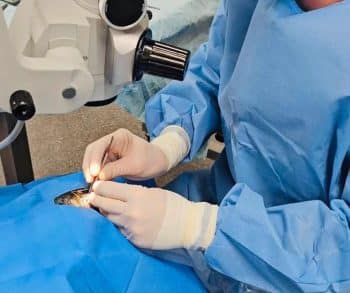
Polar Eyes shared before-and-after images of Linda, celebrating the transformation and the opportunity to help a retired canine hero. The veterinary team expressed how privileged they felt to care for a dog who had spent part of her life in military service. The clinic also celebrated Linda herself, praising her for doing so well through the experience. Their message reflected the affection and respect they felt for a dog who had already given so much during her working years.
For Linda, the biggest reward may be something wonderfully ordinary. Being able to see her surroundings again means she has the opportunity to enjoy the familiar sights and activities that make her days special. And somewhere near the top of that list is a certain rubber toy that has been waiting for its favorite chomping partner.
What Happens After a Dog Has Cataract Surgery?
Although successful cataract surgery can restore vision, the procedure is only one part of the recovery process. Dogs generally need careful monitoring, prescribed eye medications, and follow-up examinations to protect their eyes as they heal. Veterinary ophthalmologists commonly recommend protective collars to prevent dogs from rubbing their eyes, along with temporary restrictions on running, jumping, and rough play. Eye drops are often required several times a day during the early recovery period.
Follow-up visits are especially important because complications such as inflammation, elevated eye pressure, or retinal problems can occasionally develop. Some dogs also need ongoing eye medication and periodic examinations long after the initial healing period.
The American College of Veterinary Ophthalmologists explains that cataract surgery is the only established treatment that can restore vision lost because of cataracts. However, not every dog is a suitable candidate, and the decision should always be made with a veterinary ophthalmologist. Dogs who cannot undergo surgery can still enjoy fulfilling lives with appropriate care, environmental adjustments, and veterinary monitoring. The goal is always to support the individual dog’s comfort, health, and quality of life.
For Linda, Polar Eyes reported that her surgery was successful and her vision had returned. The clinic did not provide a detailed long-term recovery timeline, but the news was already a wonderful milestone for this deserving veteran.
A Well-Deserved Gift for a Retired Canine Hero
Military working dogs spend their careers performing demanding tasks alongside the people who depend on them. When they retire, they deserve opportunities to enjoy comfort, companionship, and the activities that make them happiest.
Linda’s story is a beautiful example of what can happen when people come together to support one of these hardworking animals. Through the generosity of NGO US War Dogs and the expertise of Polar Eyes Veterinary Ophthalmology, she received care that made a meaningful difference in her life.
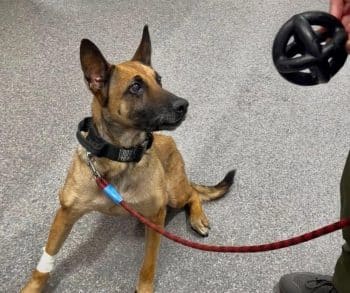
The veterinary team summed up the experience with a heartfelt message, expressing their hope that they had done right by Linda. After successfully restoring her sight, they had every reason to celebrate the progress of their very special patient.
And while the medical technology behind Linda’s surgery is extraordinary, the sweetest part of her story is surprisingly simple. A retired military dog who loves her rubber toy now has the chance to see it again.
After a lifetime of service, Linda deserves every happy moment retirement can offer. And if those moments involve a favorite ball, a little playtime, and plenty of enthusiastic chomping, that’s a pretty wonderful reward.
 Toledo, United States.