
Some dogs come running at the sound of a food bag opening. Others sniff their freshly filled bowl, give you a hopeful look, and walk away as though they’re waiting for the next course.
If your dog falls into the second group, mealtime can feel frustrating. You want them to enjoy their food, but you also want to be sure they’re getting the nutrition they need. It’s tempting to keep offering something tastier until they finally take a bite.
Before turning dinner into a daily buffet, take a closer look at your dog’s feeding routine, portions, and overall health. Once medical concerns have been ruled out, a few thoughtful changes may help make meals more predictable and appealing.

Before You Begin: Make Sure It’s Pickiness, Not a Health Problem
A dog who has always eaten selectively is different from one who suddenly loses interest in food. Dental pain, nausea, and other medical problems can affect appetite or make eating uncomfortable. Even a dog who accepts treats may still have an underlying health issue. Watch for dropping food, unusual drooling, vomiting, diarrhea, changes in thirst, or reduced energy, and discuss these signs with your veterinarian.
Don’t assume a dog who refuses food will eventually eat when they get hungry enough. Contact your veterinarian promptly about sudden appetite loss, apparent pain while eating, or continued refusal to eat. Puppies, seniors, and dogs with existing health conditions deserve particular caution. A diabetic dog who refuses a meal needs prompt veterinary guidance, especially when insulin is involved.
Tip #1: Get the Entire Family on the Same Feeding Plan
Consistency is much easier when everyone knows the rules. If one person measures meals while another slips the dog cheese, leftovers, and extra treats, it becomes difficult to tell how much your pup is actually eating.
Agree on the food, daily portions, feeding times, and treat allowance. Include children, visitors, and pet sitters in the plan so your dog’s routine doesn’t change depending on who is home.
For several days, record everything your dog eats, including dental chews, training rewards, and food used to give medication. Your veterinarian can use this information to help assess calorie intake and appropriate portions. Sometimes a dog who seems uninterested in dinner has already consumed more food than the family realizes.
A shared checklist or a container holding the day’s allotted treats can make the plan easier to follow. Once the container is empty, everyone knows the snack budget has been used.
Tip #2: Stop Serving Snacks From the Table
Those puppy dog eyes can be persuasive, especially when your dog has barely touched their own meal. But regularly offering bites of your dinner can establish an expectation that waiting near the table pays off.
Make family meals a predictable time for your dog to relax in their own spot. Ask household members to avoid sharing directly from their plates, and keep food within reach from becoming an accidental reward.
There’s also an important difference between a planned, dog-safe addition and whatever happens to be on your plate. Instead of improvising with leftovers, discuss suitable extras with your veterinarian and decide in advance what your dog can have.
The goal is to make meals consistent while keeping your dog’s nutrition complete. A collection of meat, vegetables, and grains does not automatically provide a balanced canine diet. If you want to feed home-cooked meals, work with a board-certified veterinary nutritionist on an appropriate recipe. Raw diets also carry foodborne illness risks and should not be treated as a simple solution to picky eating.
Tip #3: Give Your Dog Their Own Comfortable Dining Space
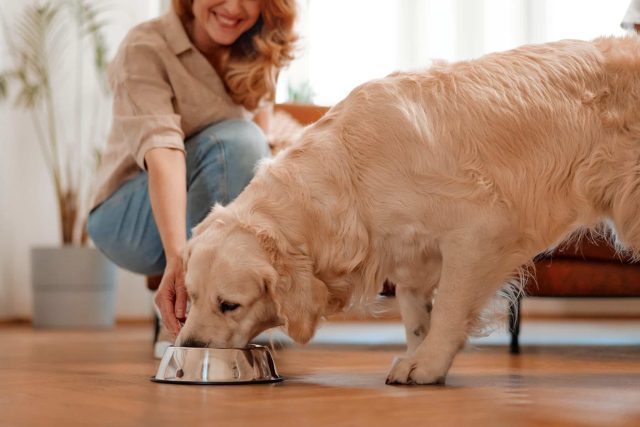
Serve your dog’s meals and planned additions in their own bowl, away from the family table. This gives you a clear routine to follow and makes it easier to track what goes into each meal.
Consider the surroundings, too. A busy walkway, noisy appliance, or another pet hovering nearby may make eating less comfortable. In a household with multiple animals, offer separate feeding areas so each dog can eat without competition. Experiment with bowl size or style if your dog seems uncomfortable using the current one.
Choose a spot where your dog can settle, then give them some space. Try to avoid following them around with the bowl or repeatedly encouraging each bite. A calm, familiar setting can help you observe their eating habits without making every meal an event.

Tip #4: Follow a Schedule That Fits Your Dog’s Needs
Rather than repeatedly refilling a bowl throughout the day, establish regular meal times and measure what you offer. A predictable schedule makes it easier to notice changes in appetite and distinguish meals from casual snacking.
Ask your veterinarian how often your dog should eat and what portions are appropriate for their age, body condition, activity level, and health. Feeding instructions on the package are a starting point; individual calorie needs vary.
If your veterinarian recommends offering food for a set period and then removing it, follow their instructions. Keep fresh water available, and follow the food manufacturer’s storage and handling directions.
A schedule should help you monitor your dog’s intake. It should never become a contest over how long they can go without eating. If they repeatedly skip meals or consume less than usual, check in with your veterinarian.
Tip #5: Choose a Nutritious Meal and Make Thoughtful Adjustments
You don’t need an endless menu, but you also don’t need to insist that every dog enjoy the same texture or formula.
Start with a food labeled complete and balanced for your dog’s life stage. Check the nutritional adequacy statement rather than relying only on appealing ingredients or marketing claims. Foods labeled for supplemental or intermittent feeding are not intended to provide a healthy dog’s entire diet.
Then consider a simple adjustment. Some dogs respond to a different texture, while others find gently warmed food more appealing because warming increases its aroma. A measured, veterinarian-approved topper may also help. Make one change at a time so you can tell what your dog actually prefers.
Avoid replacing a refused meal with increasingly elaborate alternatives each time. Choose an approach you can maintain, and keep your veterinarian involved if your dog remains reluctant to eat.
Related: 9 Best Dog Foods for Picky Eaters
Tip #6: Count Treats Without Giving Up Rewards
Treats can support training and make life more enjoyable, but they belong in your dog’s daily food budget.
As a general guideline, at least 90% of daily calories should come from complete and balanced food, with treats and other nutritionally incomplete extras making up no more than 10%. Count toppers, dental chews, table foods, and pill-hiding snacks together rather than giving each its own allowance. Dogs on therapeutic diets may need different restrictions.
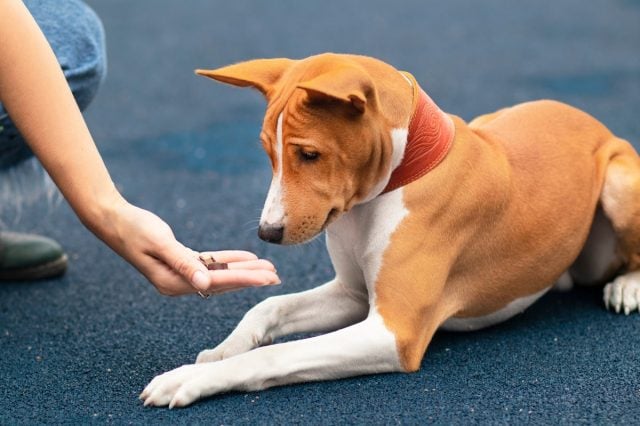
Use small rewards, and consider reserving some of your dog’s regular kibble for training if they enjoy it. You can also reward everyday behavior with a favorite game, a sniffing opportunity, or affection when those are things your dog values.
You don’t have to eliminate food rewards. The aim is to leave room for the balanced meals your pup needs.
Help Your Picky Dog Build Happier Mealtime Habits
Improving a picky dog’s eating habits starts with understanding what’s happening, then creating a routine that supports their health. Keep the family consistent, account for snacks, offer a comfortable feeding space, and choose balanced food your dog can enjoy. Be patient with preferences, but stay alert to changes in appetite. With a practical plan and veterinary guidance when needed, you can make mealtime less stressful and feel more confident that your best friend is getting the nourishment they need.
 Toledo, United States.