
As dogs grow older, they often face new health challenges that can affect their comfort, mobility, and quality of life. Based on our survey of senior dog owners, this guide highlights the top issues affecting senior dogs and shares practical steps you can take to help manage them. With the right care and early attention, you can support your senior dog’s health and help them enjoy their golden years.
1. Joint Pain/Arthritis

More than 1,000 responders noted that their senior dogs struggle with the painful effects of arthritic joints. The aging process causes damaged cartilage and a reduction in a dog’s joint fluid. As the bones of the joints glide past one another during activity, increased friction causes pain and inflammation.
Countless products claim to ease arthritis discomfort in dogs. Some, such as NSAID pain relievers, have undesirable side effects, while others fail to deliver on their promises.
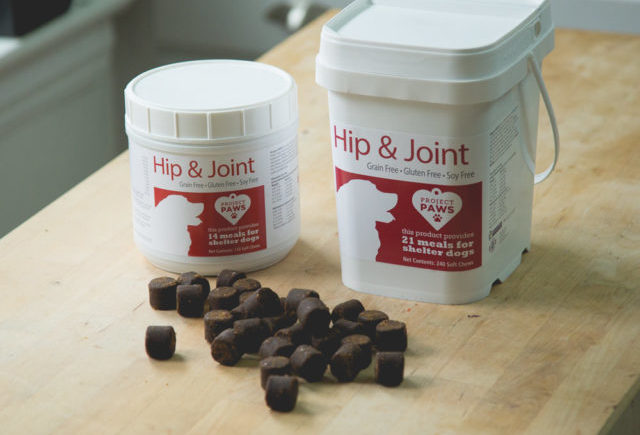
Hypoallergenic Hip & Joint Soft Chews by Project Paws® offer a powerful combination of ingredients to support normal joint function, flexibility, and healthy joint cartilage. They are grain-free, gluten-free, and soy-free, so they are safe for even the most sensitive pups. Best of all, these delicious chews help save shelter dogs by providing much-needed food to facilities in need.
2. Hearing Loss

Age-related hearing loss in dogs is most often caused by otosclerosis – the hardening of the tiny components that make up the inner ear. The loss of pliability in these auditory mechanisms decreases the ear’s ability to transmit sound.
It is important to seek veterinary attention if you suspect your dog has hearing loss. A failure to respond to your voice could also indicate canine cognitive dysfunction caused by aging changes in the brain. If this is the case, some medications can help.
While lost hearing usually cannot be restored, there are several ways to help your dog adjust:
- Teach visual cues to replace verbal commands
- Use a remote-controlled vibration collar to get his attention (these are not the same as shock collars)
- Use touch and body language to ensure that your dog still feels included
3. Skin Problems/Allergies
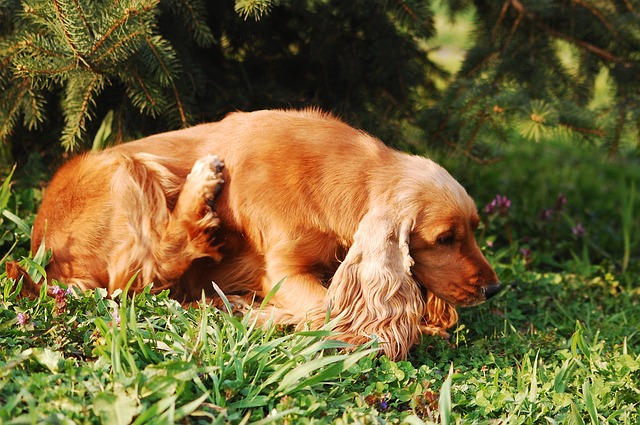
Itchy skin and allergies were our readers’ choice for the third most common issue facing their senior dogs. Atopic dermatitis – or skin allergies – is often caused by environmental factors like pollen, dander, plants, and insects, or ingested substances like certain food ingredients and medications.
Skin allergies can be extremely complicated, so veterinary attention is recommended. But if your older dog is experiencing age-related moisture loss leading to dryness and itching, omega fatty acids may help.
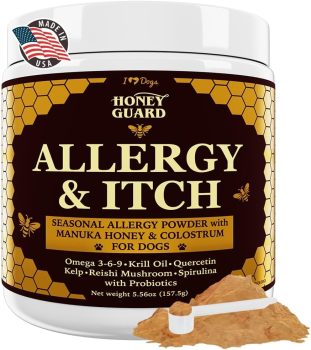
Honey Guard™ – Allergy & Itch Omega 3-6-9 Powder contains essential omega-3, omega-6, and omega-9 fatty acids to support a soft, silky coat, minimize normal shedding, and maintain the skin’s normal moisture content. The chews are safe, delicious, and contain levels of omega fatty acids that are not bioavailable in pet food.
4. Vision Loss

The most common cause of vision loss in senior dogs is cataracts, which are often confused with lenticular sclerosis. Both cause a cloudy white-to-bluish film to form over the eye, but while lenticular sclerosis does not affect sight at all, cataracts can cause significant vision loss.
Additional conditions such as glaucoma, macular degeneration, chronic dry eye, untreated infections, and diabetes may also lead to vision impairment. Because your dog’s eyes are so sensitive, it is best to see your veterinarian promptly if you suspect an ocular condition.
Signs of vision loss in dogs may include:
- Bumping into walls or furniture
- Trouble locating food or toys
- Decreased eye contact
- Reluctant to go up or down stairs or to jump on or off furniture
- Increased anxiety or clinginess
- Aggression when startled
Some causes of visual impairment may improve with treatment, while in other cases it is permanent. If your senior is struggling with vision loss there are many things you can do to improve his safety and quality of life:
- Keep the environment familiar – do not rearrange furniture or leave clutter lying around
- Gate off dangerous areas, such as staircases
- Use secured carpet runners on slick floors
- Be sure to alert your dog with sound before touching to prevent startling him
5. Dental Problems

According to the American Veterinary Dental College (AVDC), most dogs over the age of three already have some degree of periodontal disease. This statistic only gets worse as our pups age. Senior dogs are at an increased risk of tooth loss and oral cancers, as well as serious internal health problems caused by untreated dental infections, tartar, and plaque.
iHeartDogs offers several fun, yet functional toys, treats, and chews designed to scrub pups’ teeth while they play. The FlossyTossy™ Natural Cotton & Rubber Rope Drum Toy is great for bouncing, tossing, tugging, and gnawing – either independently or with a favorite human. Your dog will be too busy having fun to realize the sturdy, woven rope strands are flossing his teeth!

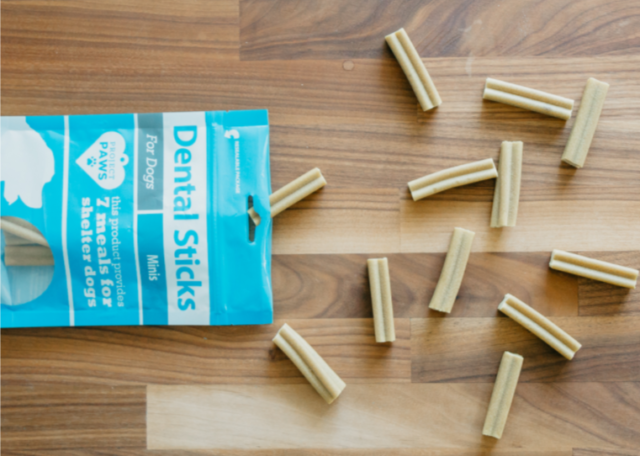
If your pooch is more of a foodie, try our Grain Free Triple Enzyme Dental Sticks. They fight plaque, control tartar, and freshen breath with their powerful combination of enzymes. They also contain the flavonoid curcumin, which helps support periodontal health. Dogs love the amazing flavor and unique, tooth-scrubbing shape of these grain-free, gluten-free, low-calorie chews!
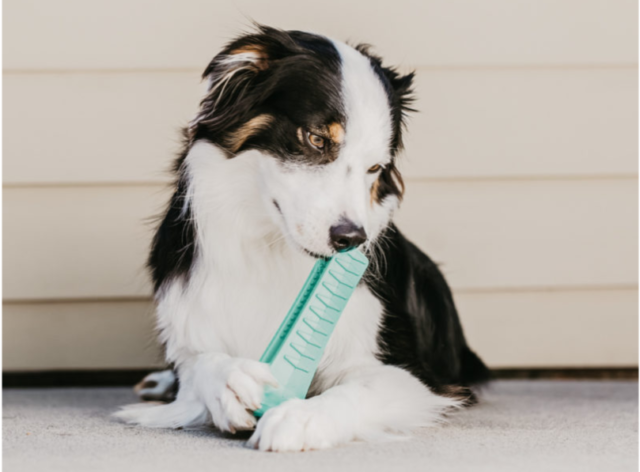
For powerful chewers, the Brite Bite Brushing Stick offers strength, durability, and two mouth-freshening options for your dog to enjoy. The distinctive design features rigid bristles to grind away plaque and loosen tartar in hard-to-reach places, and the side grooves can be filled with pet-safe toothpaste for an extra dose of cleaning power!
Remember, the best treatment for age-related health problems is early detection! See your vet regularly and monitor your pet vigilantly for signs and symptoms.
Helping Your Senior Dog Thrive at Every Age
Understanding the most common health concerns in senior dogs is the first step toward providing better care. By recognizing changes early and making thoughtful adjustments to your dog’s routine, you can improve their comfort, happiness, and overall well-being. Every small effort adds up to helping your loyal companion enjoy a healthier and more fulfilling life.
These statements have not been evaluated by the Food and Drug Administration. This product is not intended to diagnose, treat, cure, or prevent any disease. The information on this website is not intended to replace a one-on-one relationship with a qualified healthcare professional.
