
iHeartDogs is reader-supported. When you buy via links on our site, we may earn an affiliate commission at no extra cost to you.
Dogs get sunburned. It happens more than most owners realize, and the results can be painful, peeling skin on the nose, cracked ear tips, and red, irritated bellies. Breeds with thin coats, light-colored fur, or hairless patches are especially at risk, but honestly, any dog spending time outside during peak sun hours can get burned.
That’s where dog sunscreen comes in. Just like you’d slather SPF on yourself before heading to the beach, your pup deserves the same protection. We’ve put together this list of the best dog sunscreen products for 2026 to help you find one that actually works, and that’s safe if your dog decides to lick it off (because they will).
Talk to your vet before picking one, especially if your dog has sensitive skin or any existing skin conditions.
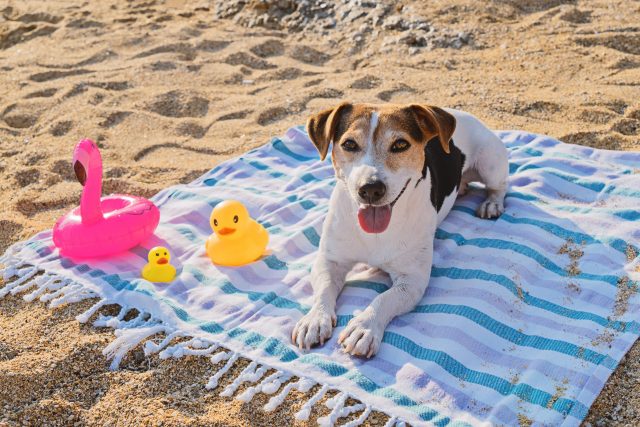
Why Sun Safety for Dogs Matters More Than You Think
Here’s a fact that catches a lot of pet parents off guard: dogs can develop skin cancer from UV exposure, just like people. The Veterinary Cancer Society notes that squamous cell carcinoma, one of the most common skin cancers in dogs, is directly linked to sun damage. Breeds with white or light pink skin, like Dalmatians, Bull Terriers, Pit Bulls, and Boxers, face higher risk.
Sunburn in dogs looks a lot like it does on human skin: redness, peeling, tenderness, and sometimes blistering. The most vulnerable spots are the nose, ear tips, around the eyes, the belly (especially if your dog likes to sunbathe on their back), and any areas where the fur is sparse.
🌞 Dogs Most at Risk for Sunburn
- Light-colored breeds: Dalmatians, Bull Terriers, White Boxers, Pit Bulls
- Hairless breeds: Chinese Crested, Xoloitzcuintli, American Hairless Terrier
- Short-coated breeds: Greyhounds, Whippets, Weimaraners
- Dogs with thin belly fur: Most breeds when lying on their backs
- Recently shaved dogs: Post-grooming = more exposed skin
Beyond sunscreen, good sun safety includes limiting outdoor time between 10 a.m. and 4 p.m. when UV rays peak, providing shaded rest areas, and keeping fresh water available. Sunscreen is one layer of protection, not the only one.
How to Pick the Best Dog Sunscreen: Buyer’s Guide
Not all sunscreens are created equal, and products made for people can be dangerous for your dog. Here’s what to focus on before buying.
Safety First
The biggest rule: avoid zinc oxide and PABA. Both are common in human sunscreens and toxic to dogs if ingested. Your dog will lick themselves. Count on it. That’s why you need a formula specifically made for pets, ideally one labeled non-toxic if ingested.
UVA and UVB Protection
Look for broad-spectrum coverage. UVA rays cause long-term skin damage and aging. UVB rays are responsible for sunburn. You want a product that blocks both, not just one.
Application Type
Dog sunscreens come as sprays, balms, sticks, and wipes. Sprays cover large areas fast, so they work well for full-body application on short-coated dogs. Sticks and balms are better for targeted spots like the nose and ears. Wipes are great for reapplication when you’re on the go.
Water Resistance
If your dog swims, plays in sprinklers, or drools heavily, water resistance matters. No sunscreen is 100% waterproof, but water-resistant formulas last longer before you need to reapply.
Ingredient Quality
The best dog sunscreens use natural, non-toxic ingredients. Shea butter, coconut oil, and aloe vera are common additions that moisturize while protecting. Avoid artificial fragrances and parabens when possible.
9 Best Dog Sunscreen Products (2026)
1. Epi-Pet K-9 Care Sunscreen
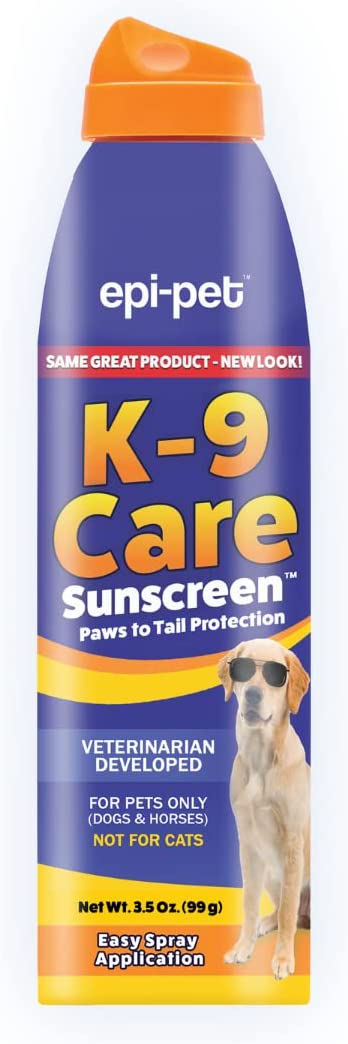
- Veterinarian-developed
- Approved by the FDA
- Protects against UVA and UVB rays
- Non-greasy, quick-drying spray
- Safe to ingest
Epi-Pet’s K-9 Care Sunscreen is the only pet sunscreen with FDA approval. That alone puts it at the top of the list. Developed by veterinarians, it’s a non-greasy spray that dries quickly and shields against both UVA and UVB rays. It won’t damage your dog’s skin or coat, and it’s safe if licked. For dogs who spend a lot of time outdoors, this is the gold standard.
2. Emmy’s Best Pet Products Sun Skin Protector Spray
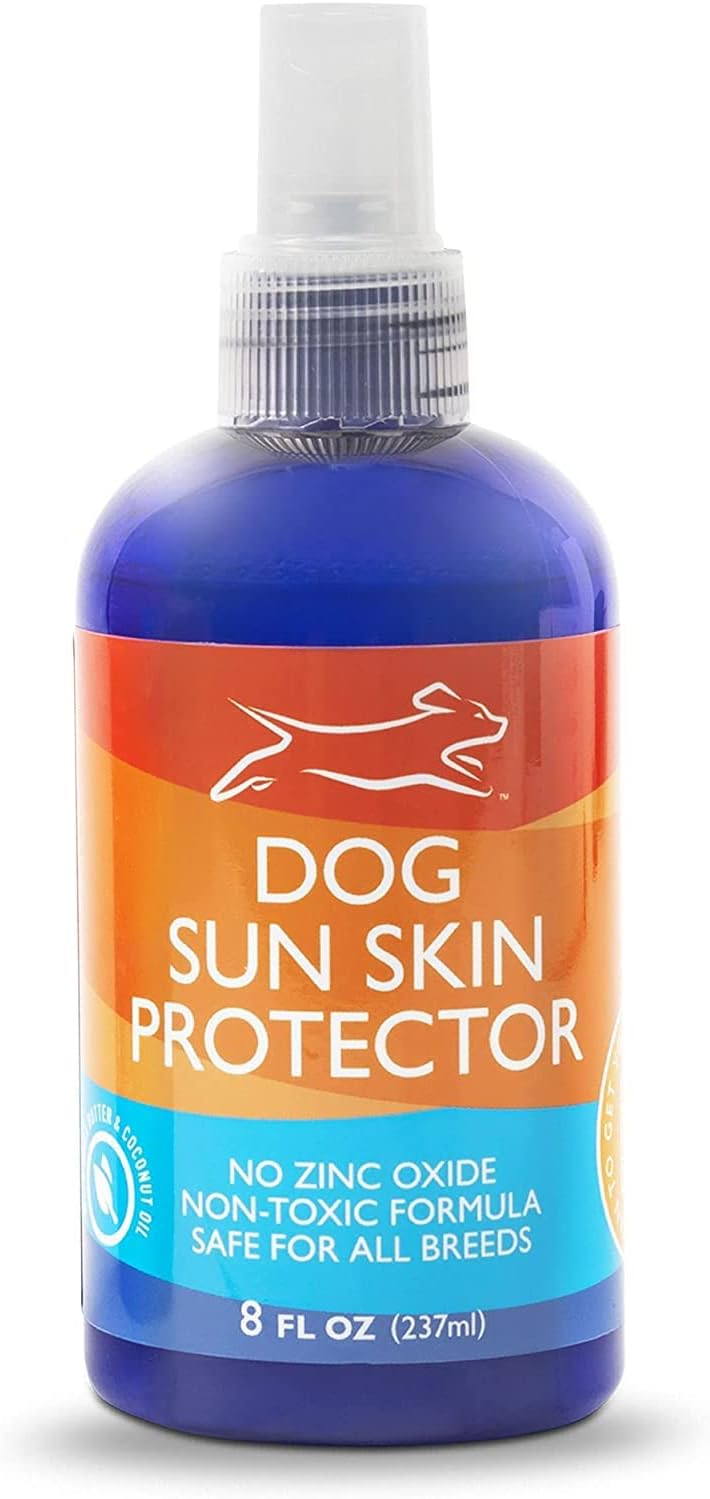
- Moisturizes using shea butter and coconut oil
- Protects from UVA and UVB rays
- Non-greasy spray
- Safe to ingest
Emmy’s Sun Skin Protector blocks UVA and UVB rays while keeping your dog’s skin hydrated with shea butter and coconut oil. The spray formula goes on fast, even on furry dogs, and it doesn’t leave a greasy residue. It’s non-toxic too, so you don’t need to worry about licking. A solid pick for everyday outdoor use.
3. My Dog Nose It Moisturizing Sun Protection Balm
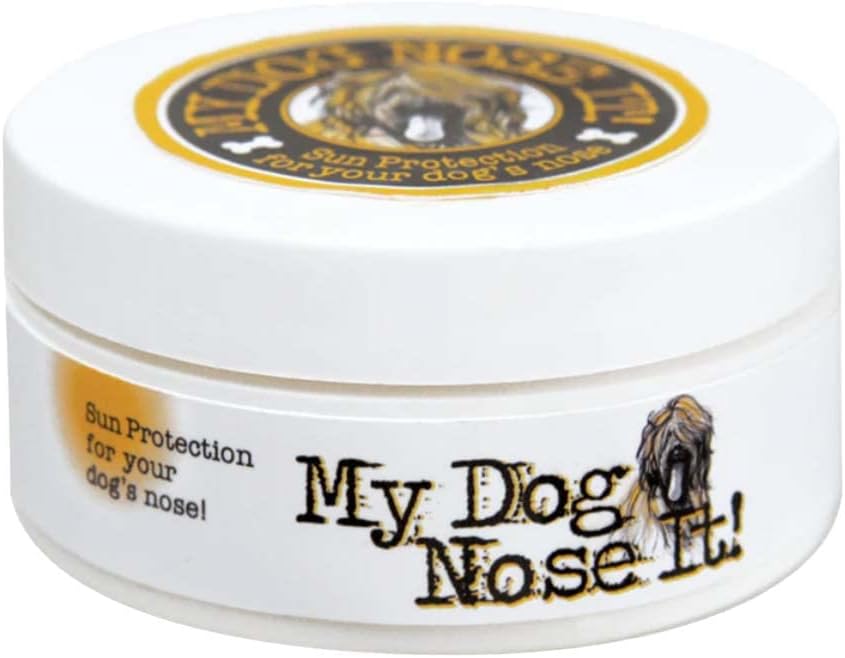
- Balm designed to protect the nose
- Reflects harmful UVA and UVB rays
- Dries quickly
- Water-resistant
- Helps soothe dry noses
This balm was designed specifically for the nose, which is one of the most sunburn-prone spots on any dog. It reflects UVA and UVB rays, dries fast, and is water-resistant. If your dog’s nose gets dry, cracked, or flaky from sun exposure, this product pulls double duty as a moisturizer and sunblock. Works on ears and bellies too.
4. Petkin Dog Sunscreen Sunstick

- Compact and convenient option
- Shields from UVA and UVB radiation
- Moisturizes the skin
- Veterinarian-approved
- Not greasy or sticky
The Sunstick from Petkin is small enough to toss in your bag and take anywhere. It protects against UVA and UVB rays while moisturizing the skin underneath. Not greasy, not sticky, and vet-approved. It’s perfect for touching up ears, noses, and other exposed spots during long walks or hikes. Rinses off easily when you’re done for the day.
5. Warren London Dog Sunscreen Spray
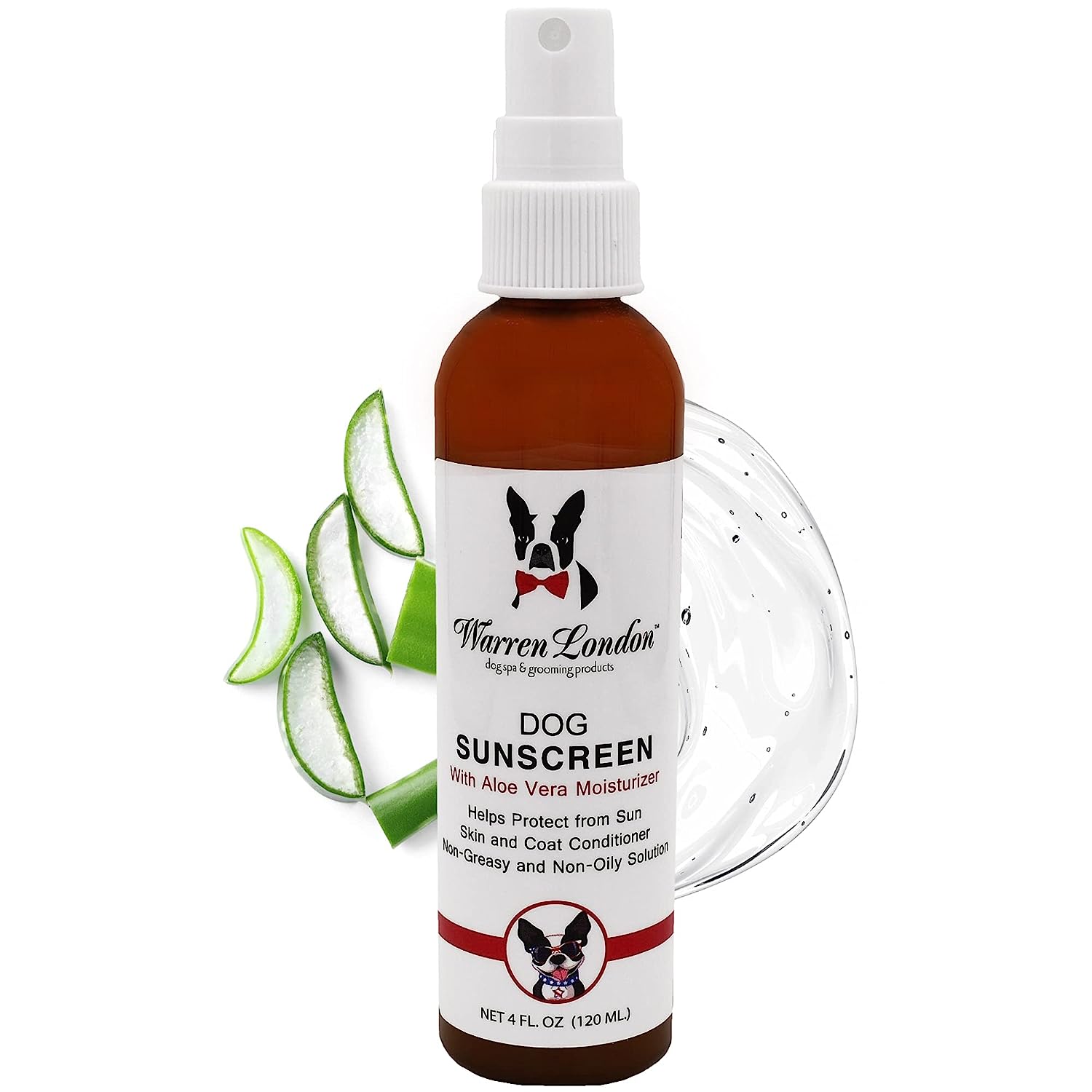
- Non-oily and non-irritating
- Dries within seconds
- Nourishes your dog's skin with aloe vera
- Has a pleasant citrus scent
- Protects from harmful UVA and UVB rays
Warren London’s spray is non-oily and non-irritating. It dries in seconds after rubbing it into your dog’s coat. The aloe vera in the formula helps nourish dry skin, and unlike most sunscreens, this one actually smells pleasant, a light citrus scent instead of that typical chemical smell. Good choice if your dog has sensitive, easily irritated skin.
6. Bodhi Dog Sunscreen
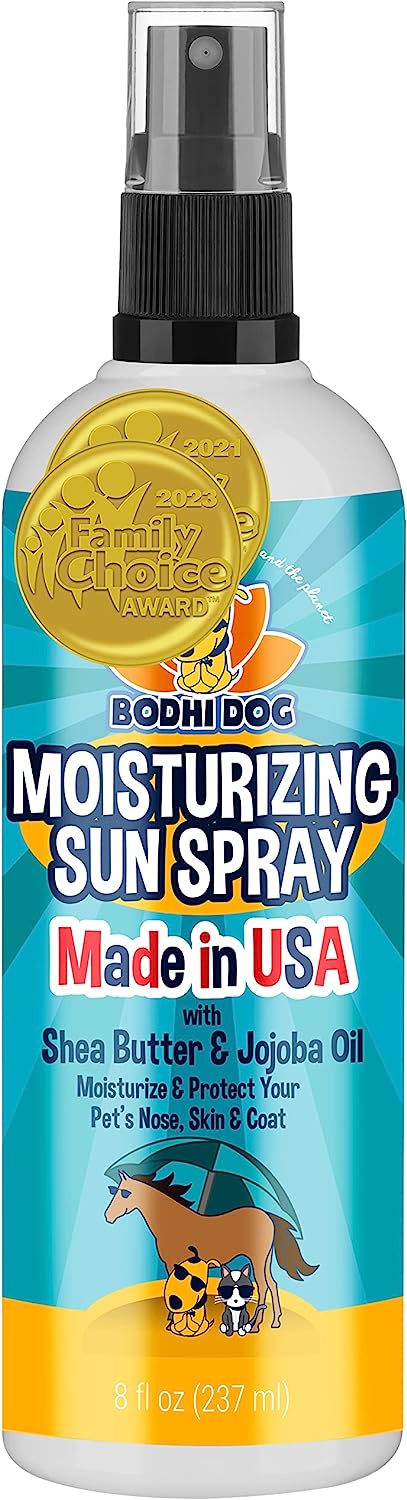
- Non-toxic, paraben-free spray
- Protects from UVA and UVB rays
- Moisturizes your pet's skin and coat
- Non-greasy
Bodhi Dog makes a paraben-free, non-toxic spray that works for dogs, cats, and even horses. It protects against UVA and UVB rays and adds a nice shine to the coat. Apply it about 15 minutes before going outside for best results. It’s especially helpful for hairless breeds and dogs with exposed noses and ears. No greasy feeling afterward.
7. My Dog Nose It Organic Sunscreen and Moisturizer
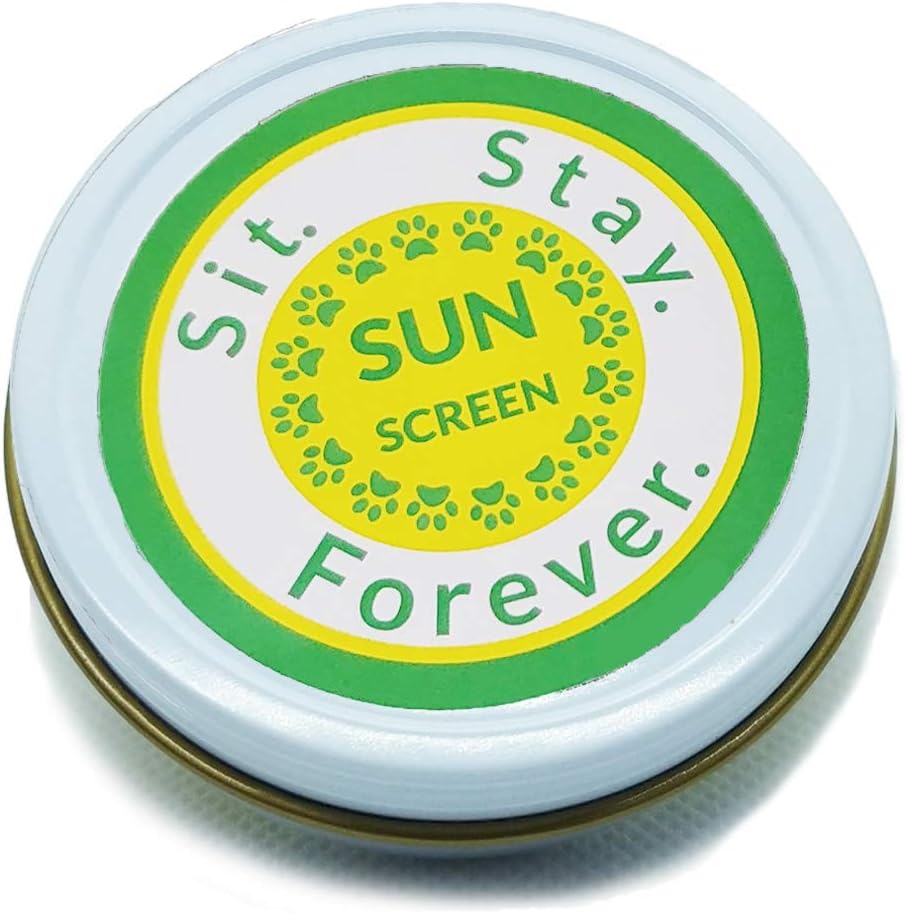
- Organic, all-natural, and hypoallergenic
- Waterproof balm
- Moisturizes the skin and coat
- Protects from harmful UVA and UVB rays
- Safe to ingest
This one is certified organic and hypoallergenic, which makes it a smart pick for dogs with allergy-prone skin. The all-natural ingredients are completely safe if licked or ingested. The balm formula is easy to apply on noses, ears, and bellies. It’s also waterproof, so it holds up during swim sessions. If you’re particular about ingredient quality, this is your best bet.
8. Petkin Dog Sunscreen Sunwipes

- Easy-to-use wipes
- Non-greasy and residue-free
- Guards against UVA and UVB rays
- Veterinarian-approved
- Has a pleasant vanilla coconut scent
Sunscreen wipes are brilliant for reapplication. You can stuff a few in your pocket and use them mid-walk or at the dog park without any mess. These wipes guard against UVA and UVB rays and work especially well on short-haired dogs or for spot-applying on noses and ears. They’re non-greasy, vet-approved, and smell like vanilla coconut. Dogs don’t seem to mind them one bit.
9. Handy Hound SnoutScreen
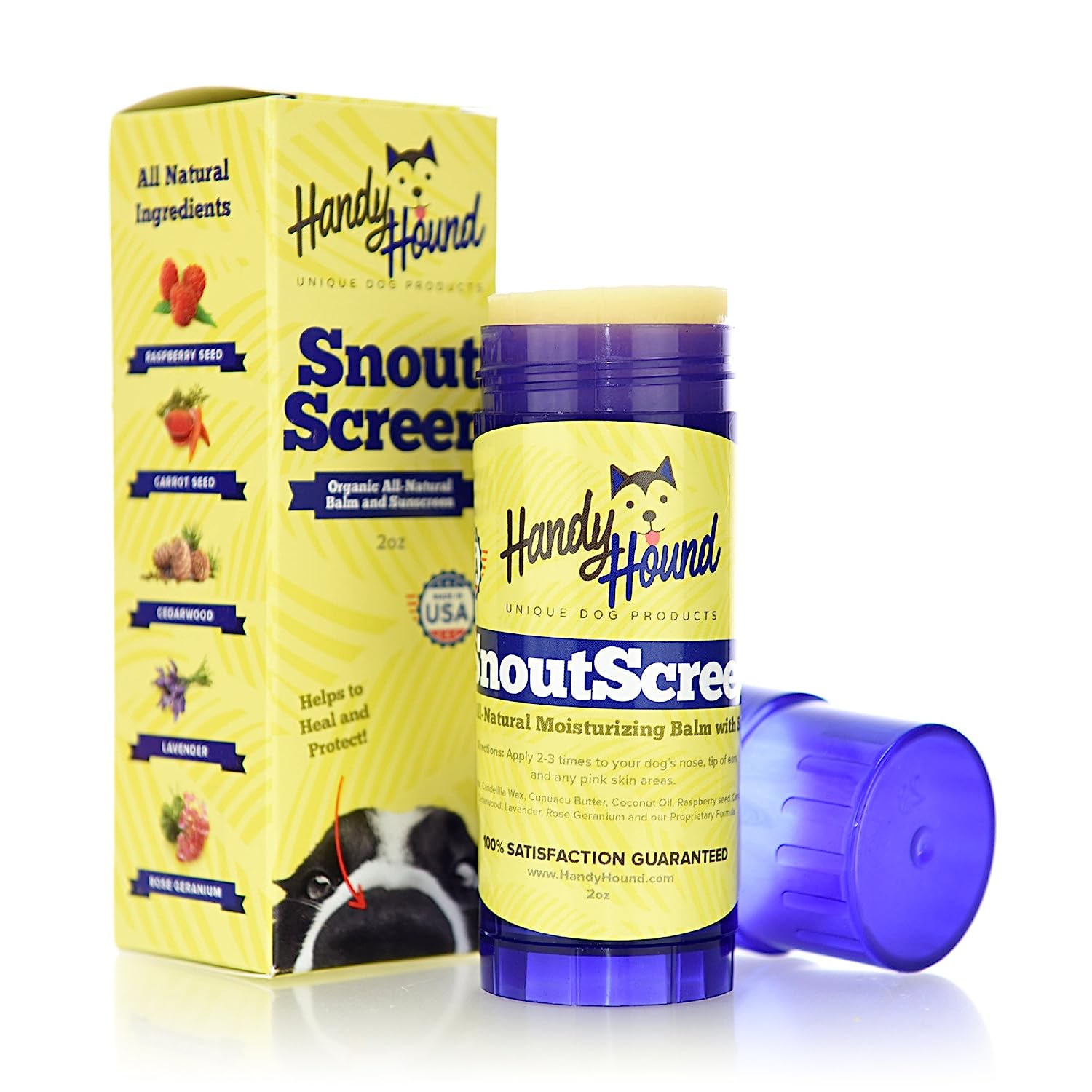
- Made using natural, organic ingredients
- Reflects harmful UVA and UVB rays
- Convenient balm stick
- Hydrates your dog's skin
- Safe to ingest
SnoutScreen is a balm stick made from organic coconut oil and shea butter, specifically designed for dog noses. It creates a physical barrier that reflects UV rays while keeping the nose moisturized. Natural ingredients mean it’s safe if licked off. If your dog’s nose tends to get dry or cracked in summer, this product handles both problems at once. Great for year-round use, not just sunny days.
How to Apply Dog Sunscreen the Right Way
Getting sunscreen on a dog can feel like wrestling a greased pig, but a few tips make it easier.
Apply sunscreen about 15 to 20 minutes before your dog goes outside. That gives it time to absorb. Focus on the nose, ear tips, belly, around the eyes, and any spots where the fur is thin or missing. For sprays, apply a generous amount and rub it in with your hands. For balms and sticks, apply directly to the skin.
Reapply every 2 to 4 hours, or sooner if your dog has been swimming or rolling around in wet grass. And here’s a trick: distract your dog with a treat or chew toy right after application so they don’t immediately lick it all off. Five minutes is usually enough for it to absorb.
✅ Dog Sunscreen Application Checklist
- Apply 15-20 minutes before sun exposure
- Cover the nose, ears, belly, and thin-fur areas
- Rub spray formulas into the coat, don’t just mist
- Reapply every 2-4 hours or after water exposure
- Distract your dog after applying so they don’t lick it off
- Don’t forget recently shaved or clipped areas
Other Ways to Protect Your Dog from the Sun
Sunscreen is one tool, but it works best as part of a bigger plan.
Provide shade. A covered patio, a tree, an umbrella, even a pop-up canopy at the beach. If your dog can’t get out of direct sunlight, they’ll overheat and burn faster.
Limit midday exposure. Between 10 a.m. and 4 p.m., UV rays are at their strongest. Try scheduling walks and outdoor play for early morning or evening instead.
Use UV-protective clothing. Lightweight dog shirts and vests designed to block UV rays are available for dogs with thin coats or recently shaved fur. They’re not a fashion statement (well, maybe a little). They actually work.
Keep water accessible. Dehydration and heatstroke are as dangerous as sunburn. Fresh, cool water should always be within reach.
Frequently Asked Questions About Dog Sunscreen
1. Do dogs need sunscreen?
Yes, many dogs do. Dogs with short, thin, or light-colored coats are most at risk, but any dog can get sunburned on exposed areas. The nose, ears, and belly are the most common burn spots. Repeated sun damage raises the risk of skin cancer over time.
2. Can I use human sunscreen on my dog?
No. Most human sunscreens contain zinc oxide or PABA, both of which are toxic to dogs. Even “natural” human formulas may have ingredients your dog shouldn’t ingest. Stick with sunscreens specifically formulated for pets.
3. How do you apply dog sunscreen?
Spread it evenly over exposed skin, focusing on the nose, ears, underbelly, and any thin-fur or bald spots. For sprays, rub the product into the coat with your hands. Give it 15-20 minutes to absorb before your dog goes outside. Distract them with a toy or treat so they don’t lick it off right away.
4. How often should I reapply dog sunscreen?
Every 2 to 4 hours is the general rule, but check the label on your specific product. Always reapply after swimming, getting sprayed with water, or heavy drooling. Some water-resistant formulas last longer, but none are truly permanent.
5. What areas on a dog are most likely to get sunburned?
The nose, ear tips, around the mouth and eyes, the belly, and any areas where the fur is thin or missing. Dogs who lie on their backs in the sun frequently get belly burns. Hairless breeds need full-body coverage.
6. Does sunscreen affect a dog’s sense of smell?
Not in any meaningful way. The product goes on the skin and fur, not inside the nostrils. A strongly scented sunscreen might temporarily distract your dog’s nose, but it won’t impair their ability to smell things around them.
7. Can I put sunscreen on a puppy?
Check with your vet first. Puppies have more sensitive skin than adult dogs, and some ingredients may cause irritation. Your vet can recommend a gentle, puppy-safe option based on your dog’s breed and skin type.
8. What if my dog licks the sunscreen off?
Most pet sunscreens are non-toxic in small amounts. Licking reduces the sunscreen’s effectiveness though, so try to distract your dog after applying. A chew toy or a quick training session works well. If your dog ingests a large amount and shows vomiting or diarrhea, call your vet.
9. Is dog sunscreen waterproof?
Some are water-resistant, but none are fully waterproof. Swimming, sprinkler play, rain, and even heavy drooling can wash sunscreen off. Check the label for water-resistance claims and reapply after any water exposure.

Keeping Your Pup Safe All Summer Long
Sun protection for dogs doesn’t have to be complicated. Grab a sunscreen that’s made for pets, focus on the exposed areas, reapply regularly, and make sure your dog has shade and water. That covers most of the bases.
The products on this list all do the job well. Whether you go with an FDA-approved spray, a nose-specific balm, or convenient wipes for on-the-go protection, you’re already doing right by your dog just by thinking about it.
Summer is supposed to be fun for both of you. A little sunscreen goes a long way toward making sure it stays that way.
Dog Product Reviews
 Toledo, United States.