
As dogs age, their bodies naturally change—but not all changes should be chalked up to “just getting older.” One of the most common, yet frequently overlooked, conditions in senior dogs is arthritis, a progressive joint disease that causes inflammation, pain, and decreased mobility. Arthritis doesn’t always present with obvious signs like limping. In fact, many symptoms are subtle and easily mistaken for normal aging or personality shifts.
Understanding the early warning signs of arthritis is crucial to ensuring your dog remains happy, active, and pain-free for as long as possible. The good news? Arthritis is highly manageable with the right support from your veterinarian. If your dog is showing any of the following signs, it’s time for a conversation with your vet.
1. Difficulty Rising from Rest
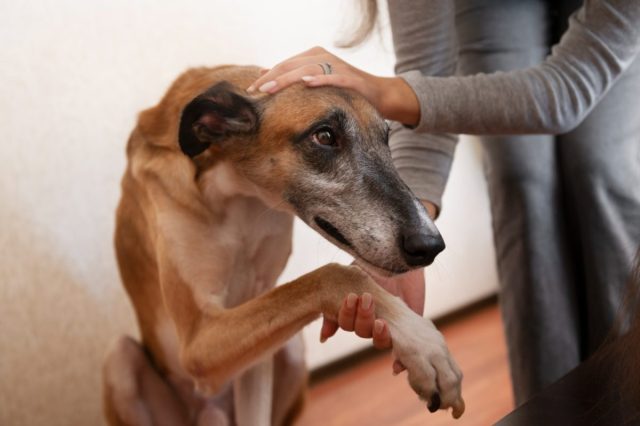
One of the first signs dog owners often notice is a sluggishness or struggle when their dog rises from a sitting or lying position. This is especially common after long naps or first thing in the morning. Arthritic joints become stiff when inactive, making initial movement painful. This can result in your dog taking several attempts to stand or rising slowly and cautiously. Although weakness or muscle loss may also cause these symptoms, pain from joint inflammation is often the underlying culprit. Your veterinarian can help determine the root cause through a physical exam and possibly X-rays.
2. Reluctance to Use Stairs
Stairs require strength, balance, and a full range of motion in the hips, knees, and shoulders—areas often affected by arthritis. Dogs with joint pain may hesitate at the base of the staircase, attempt to avoid stairs altogether, or descend much more slowly than usual. You may even notice your dog skipping steps or using an abnormal gait to compensate for discomfort. If your dog once bounded up the stairs and now needs encouragement (or avoids them entirely), arthritis could be to blame.
3. Limping or Favoring a Leg
Limping is perhaps the most obvious symptom, yet many pet owners overlook it if it seems to come and go. Dogs with arthritis may appear stiff or limp when they first get up, then improve as they move around. This “warming up” effect can be misleading, but it’s a classic hallmark of arthritis: motion increases blood flow and temporarily reduces inflammation. However, intermittent limping—especially when recurring on the same leg—should never be ignored. Arthritis isn’t the only cause, so a veterinary exam is key to ruling out more serious conditions like ligament injuries or bone tumors.
4. Stumbling or Falling
A dog who suddenly becomes clumsy may be dealing with more than old age. Painful joints can cause dogs to shift weight unevenly or move with unnatural hesitation, throwing off their balance. This leads to increased tripping, stumbling, or even falls, especially on uneven terrain or slippery floors. While neurological issues or inner ear disorders are also possibilities, arthritis should be a top consideration, particularly if other symptoms are present. Dogs that fall frequently are at risk for additional injuries, so it’s critical to seek veterinary evaluation.
5. Trouble on Slick Floors
Hardwood and tile floors can become obstacle courses for arthritic dogs. These surfaces offer little traction, and dogs in pain may lack the confidence or strength to navigate them safely. If your pup avoids walking on slick floors, frequently slips, or struggles to get traction—especially around the food and water bowls or near furniture—arthritis may be affecting their joint stability. To help, consider adding rubber-backed rugs or traction mats in common areas and use yoga mats under their dishes for extra grip.
6. Increased Resting or Withdrawal
Dogs with arthritis often become less active—not because they’re lazy, but because they’re hurting. If your dog starts skipping walks, ignoring playtime, or isolating more than usual, don’t assume it’s just a senior slowdown. Pain can lead to depression, behavioral changes, and a lack of interest in once-loved activities. You might also notice irritability or growling when touched near sensitive joints. Many pet parents are amazed at the difference in personality and energy once their dog receives treatment for joint pain. Don’t let discomfort rob your dog of joy—talk to your vet.
7. Skin Lesions, Sores, or Signs of Fleas
This surprising symptom often flies under the radar. Dogs that lie down for long periods may develop pressure sores on their elbows or hips, especially large or bony breeds. You may also see patches of irritated skin or excessive licking around joints, a self-soothing behavior linked to discomfort. In some cases, decreased mobility makes a dog an easy target for fleas, as they’re less likely to move or scratch. If you spot unusual skin issues combined with the other symptoms above, don’t overlook the possibility of arthritis playing a role.
When to See Your Vet
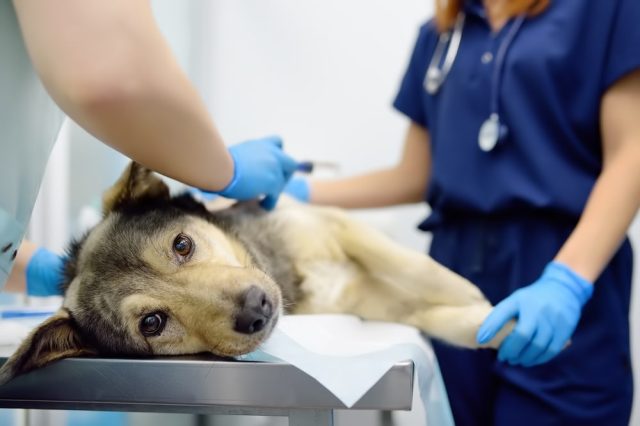
Arthritis may be common, but that doesn’t mean your dog has to suffer in silence. Thanks to advances in veterinary medicine, there are more options than ever for managing joint pain—from supplements and prescription medications to physical therapy and laser treatments. Some dogs even benefit from simple lifestyle changes, such as weight loss, orthopedic bedding, and modified exercise routines.
If your dog is middle-aged or older—or has a history of injury—monitor them closely for these subtle clues. Early detection and intervention can dramatically improve quality of life and help your furry friend feel like a pup again.
 Toledo, United States.