
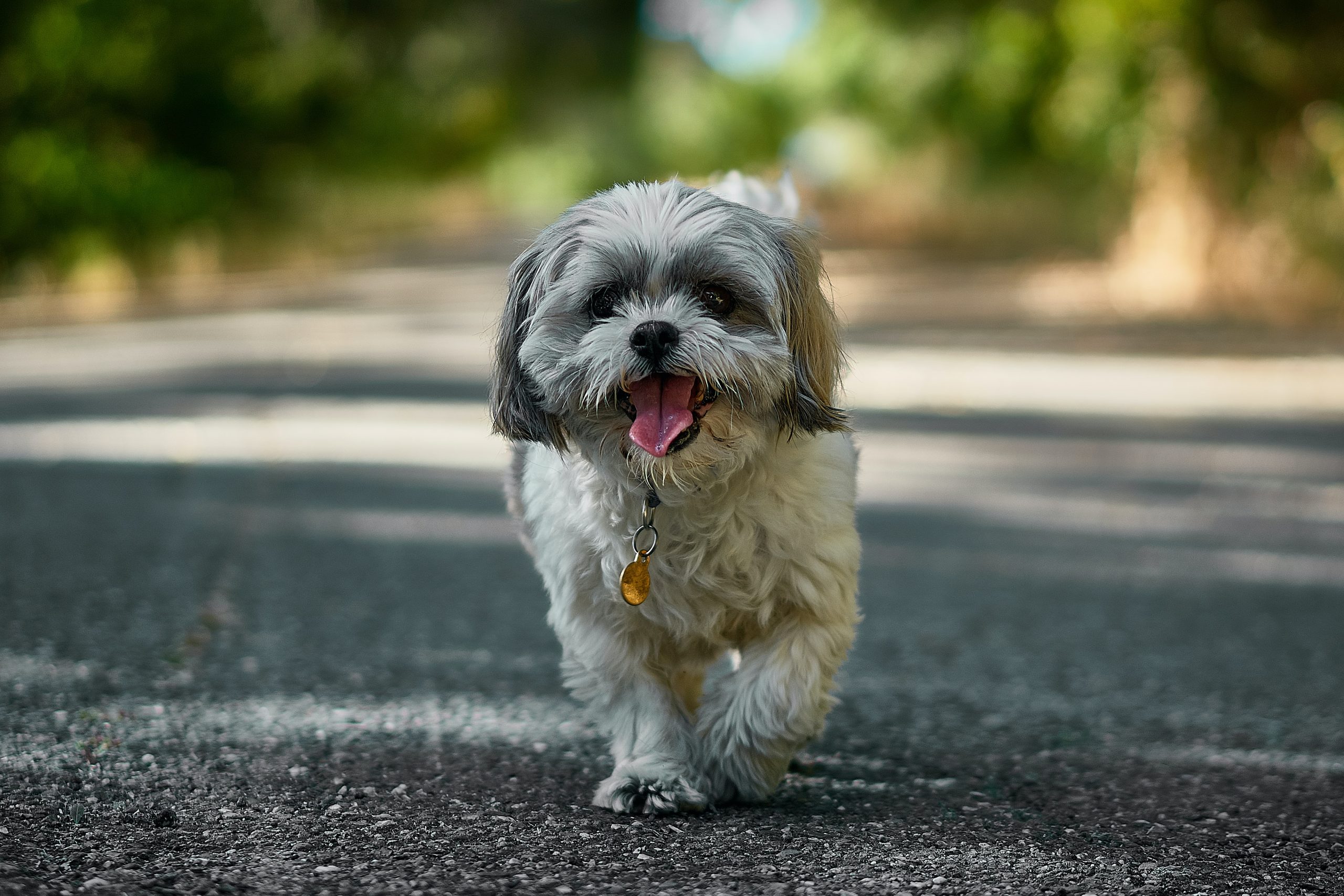
Don’t let the silky hair and smushed little face fool you. The Shih Tzu may be one of the most lovable lap dogs around, but it’s still a dog with real teeth and a jaw that can absolutely make itself known. So what’s the actual bite force of a Shih Tzu, and does it hurt if they bite you?
Short answer: yes, it can hurt. But the longer answer is way more interesting than that.
Shih Tzu Bite Force: Quick Facts (2026)
- Estimated bite force: 70–90 PSI
- Average human bite force: 120–140 PSI
- German Shepherd bite force (for comparison): ~238 PSI
- Rottweiler bite force (for comparison): ~328 PSI
- Shih Tzu temperament: Companion breed, low aggression instinct
- Most common bite trigger: Fear, pain, or poor socialization
- Tooth type: Small, sharp — can puncture skin despite low PSI
What Is the Shih Tzu Bite Force in PSI?
Bite force is measured in PSI, or pounds per square inch. It’s how hard a dog can clamp down when they bite. For Shih Tzus, there’s no single lab-tested number because researchers don’t typically put toy breeds through bite force studies. But based on their jaw structure, muscle mass, and comparison with similar small breeds, the estimate lands around 70–90 PSI.
That’s actually less than a human bite. Adults typically bite at around 120–140 PSI, so your Shih Tzu can’t outbite you in a raw force contest. But here’s the catch: their teeth are surprisingly sharp for their size. PSI tells you the pressure, not the pain. A small, pointed tooth concentrating that force on a narrow point of skin can absolutely break the surface and leave a mark.
Think of it like this: a stiletto heel delivers far more pressure per square inch than a work boot, even though the boot weighs more. Same idea.
Bite Force Comparison: Where Does the Shih Tzu Rank?
Here’s how the Shih Tzu stacks up against other breeds most people are familiar with. These are widely reported estimates — exact PSI figures vary by study and methodology, but the relative ranking is consistent.
| Breed | Estimated Bite Force (PSI) | Size Category |
|---|---|---|
| Shih Tzu | 70–90 | Toy |
| Chihuahua | 100–180 | Toy |
| Beagle | ~235 | Small/Medium |
| Labrador Retriever | ~230 | Large |
| German Shepherd | ~238 | Large |
| Rottweiler | ~328 | Large |
| Kangal | ~743 | Giant |
| Human (adult) | 120–140 | N/A |
The Shih Tzu sits at the low end of the spectrum. Even among toy breeds, they’re on the gentler side. A Chihuahua — which is actually a spunky little dog with a stubborn streak — likely bites harder relative to size. But again, the number only tells part of the story.
Why Jaw Structure Matters for Shih Tzus
Shih Tzus are a brachycephalic breed, which means they have a shortened skull and pushed-in face. You can see it in their flat nose, wide-set eyes, and underbite. That smushed profile is adorable, but it does affect how their jaw works.
Because the lower jaw often protrudes slightly forward (called a prognathic bite), Shih Tzus don’t have the same mechanical advantage as breeds with longer muzzles. A longer jaw = more leverage = more bite force. The Shih Tzu’s compact jaw simply doesn’t generate the same mechanical power. Their bite muscles (the masseter and temporalis) are proportionally smaller than in working or guard breeds.
So while they can bite with real intent, the anatomy works against extreme force. That’s actually by design — Shih Tzus were bred for thousands of years as companion dogs, not for work, hunting, or protection. Their small size and gentle breeding history shaped both their temperament and their physical capabilities.
Does a Shih Tzu Bite Actually Hurt?
Yes. Let’s be honest here.
70–90 PSI is not nothing. And as mentioned, those small, pointy teeth concentrate that force into a very small area. If your Shih Tzu bites with genuine intent — not a soft mouth play nip, but a real bite out of fear or pain — it can break skin, cause bruising, and leave a mark that’s sore for days.
The area bitten matters a lot. Fingers, especially near the knuckles, are particularly sensitive. A bite on a fleshy part of the arm may sting and bruise without breaking skin. A bite on the face, hands, or feet of a child is a different matter.
The intent matters just as much as the force. A Shih Tzu in full defensive mode biting down hard is more dangerous than a playful nip even if the PSI is similar. Watch the body language — a bite that comes with a stiff posture, growling, or a warning snap is different from mouthing during play.
Why Shih Tzus Bite: The Real Reasons
Shih Tzus don’t bite because they’re mean. They bite for reasons that make complete sense from their perspective. Understanding those reasons is the first step to preventing it.
Fear is the most common cause. A Shih Tzu cornered, restrained too tightly, or approached by a stranger too quickly may snap as a last resort. They’ve already tried to escape. Biting is what happens when that doesn’t work.
Pain. An older Shih Tzu with arthritis, dental disease, or an injury may bite when touched in a sensitive area. This isn’t aggression — it’s communication. If your normally sweet dog suddenly snaps when you pick them up, a vet visit should come before any behavior training.
Resource guarding — protecting food, toys, or their favorite spot — can also trigger biting, especially in dogs that weren’t taught as puppies that giving up things is safe and rewarding.
Poor socialization. A Shih Tzu that wasn’t properly exposed to different people, children, sounds, and environments before age 16 weeks may be more reactive and more likely to bite when startled.
Puppy mouthing. All puppies go through a phase where they explore with their mouths. Shih Tzu puppies are no exception. This isn’t true biting — it’s developmental — but it needs to be redirected before it becomes a habit.
Shih Tzu Temperament and Aggression: What the Research Shows
Overall, Shih Tzus are not a breed associated with significant bite risk. Studies on dog bite statistics consistently show that larger breeds cause more severe bites simply due to size and force. Toy breeds like the Shih Tzu are rarely the subject of dangerous bite incidents that end up in emergency rooms or news reports.
That said, small dog aggression is often undertreated precisely because people assume small dogs can’t do real damage. They can — especially with children and elderly owners with thinner skin. A bite that a healthy adult barely notices can seriously injure a toddler.
Shih Tzus are ranked among the most polite and gentle small breeds, which is a fair characterization. But no dog is bite-proof. They’re animals with natural instincts, and those instincts can override their sweet temperament under the right (wrong) circumstances.
Training a Shih Tzu to Stop Biting
The good news: Shih Tzus are smart, people-pleasing dogs who respond well to positive reinforcement. If you’re dealing with biting — whether in a puppy or an adult — there are concrete steps you can take.
For puppies (nipping and mouthing):
- Yelp or say “ouch” in a sharp tone when they bite too hard, then stop all play for 30-60 seconds
- Redirect immediately to a chew toy — give them something appropriate to bite
- Never use your hands or feet as play objects. Ever.
- Rotate toys to keep things interesting. Bored puppies mouth more.
- Enroll in a puppy class — the socialization alone is worth it
For adult dogs with a biting habit:
- Rule out pain first — vet checkup before behavior modification
- Identify the trigger: what consistently happens before the bite?
- Work with a certified professional dog trainer (CPDT-KA) if bites are frequent or breaking skin
- Never punish after the bite — it increases anxiety and makes biting more likely next time
- Manage situations: if your Shih Tzu bites when picked up, train a “pick me up” cue before reaching for them
Consistent, patient training works. These are companion dogs — they want to get along with you. They just need the right guidance.
What to Do If Your Shih Tzu Bites Someone
Stay calm. Panicking makes the dog more anxious and the situation worse.
Address the injury first. Wash any wound immediately with soap and water for several minutes. Watch for signs of infection over the next few days: increasing redness, swelling, warmth, or pus. Dog bites can introduce bacteria, and even a small puncture can become a serious infection if ignored.
Seek medical attention if the bite is deep, bleeding heavily, on the face, or if there’s any question about the dog’s vaccination status. A shallow wound on a healthy adult from a fully vaccinated dog is lower risk, but don’t skip the cleaning step.
Then look at what triggered the bite. Was it a one-time situation (kid grabbed the dog’s tail without warning) or a pattern? A single incident in a clear context is different from repeated biting. If it’s the latter, get professional help now — it won’t resolve on its own.
You can also check out our top Shih Tzu food recommendations — proper nutrition, especially in puppies, supports both physical development and behavioral stability.
Protecting Children and Other Pets
Kids and Shih Tzus can absolutely coexist. Millions of families have both without any issues. But it requires supervision and education — for the kids, not just the dog.
Children often move fast, make loud noises, and grab without warning. From a small dog’s perspective, this is genuinely terrifying. Teach children to approach the dog calmly, let the dog sniff first, and never reach over the dog’s head. Always supervise interactions between dogs and kids under age 7, regardless of how gentle the dog seems.
With other pets, early and gradual introduction is key. Shih Tzus generally do well with other small dog breeds and cats when introduced properly. They’re not typically dog-aggressive, but a poorly managed introduction can cause lasting anxiety.
Dental Health and Bite Force in Shih Tzus
Here’s something most people don’t think about: a Shih Tzu’s oral health directly affects their bite behavior. Dental disease is extremely common in small breeds, and it’s painful. A dog with a tooth abscess or severe gum disease may bite defensively when their mouth is touched — or just when they’re in chronic pain and less tolerant overall.
Shih Tzus need regular teeth brushing (daily if possible), dental chews, and annual professional cleanings starting in middle age. Feeding a quality diet also supports dental health in Shih Tzus. A healthier mouth means a more comfortable dog — and a more comfortable dog is less likely to bite.
Also worth noting: brachycephalic breeds like the Shih Tzu often have crowded teeth because a short jaw doesn’t give full-size teeth much room to grow straight. This crowding can accelerate tartar buildup and gum disease. Your vet may recommend dental X-rays to spot problems before they become severe.
You can check the Shih Tzu growth chart by age if you’re tracking development milestones, including when adult teeth fully come in.
Frequently Asked Questions About Shih Tzu Bite Force
How many PSI can a Shih Tzu bite?
The estimated bite force of a Shih Tzu is around 70–90 PSI. That’s lower than most dog breeds and lower than the average human bite force (120–140 PSI). The small jaw and compact skull of this brachycephalic breed limit how much force they can generate.
Can a Shih Tzu bite hard enough to break skin?
Yes. Even at 70–90 PSI, sharp teeth can puncture skin, especially on sensitive areas like fingers or hands. A motivated bite from a scared or pain-stressed Shih Tzu can absolutely break skin and draw blood.
Are Shih Tzus aggressive biters?
Not typically. Shih Tzus are a companion breed with low inherent aggression. They’re much more likely to retreat or bark when stressed than to bite. When biting does occur, it’s almost always triggered by fear, pain, or resource guarding rather than true aggression.
Why does my Shih Tzu bite me but not other people?
This usually means your dog has formed a specific association with you around a trigger — maybe you’re the one who handles them during nail trims or baths, which they dislike. It can also indicate resource guarding of space or a specific person. A trainer can help identify the pattern and address it.
What age does a Shih Tzu stop biting?
Puppy mouthing usually peaks around 3–5 months and decreases as adult teeth come in (around 6–7 months). But the underlying habit can persist into adulthood without consistent training. Start bite inhibition work the day you bring your puppy home.
Do male or female Shih Tzus bite more?
There’s no strong evidence that sex predicts biting behavior in Shih Tzus. Socialization, training, and individual temperament are far bigger factors than whether the dog is male or female.
Can separation anxiety cause biting in Shih Tzus?
Yes. A Shih Tzu experiencing severe separation anxiety may become agitated and bite when restrained or when someone tries to leave. Managing the anxiety through gradual desensitization, routine, and sometimes vet-prescribed medication is the solution — not punishment.
What should I do immediately after a Shih Tzu bite?
Wash the wound with soap and water immediately. Apply antibiotic ointment and cover the wound. Watch for infection over the next 2–3 days. If the wound is deep, won’t stop bleeding, or is on the face, seek medical care promptly. Document the bite and the trigger so you can address the behavior with a trainer.
The Bottom Line on Shih Tzu Biting
The Shih Tzu’s bite force — roughly 70–90 PSI — is modest by dog standards. You’re not dealing with a guard dog jaw. But that doesn’t mean a bite from one of these little dogs is nothing. Sharp teeth, concentrated pressure, and the wrong trigger can result in a real injury, even from a dog that weighs less than 15 pounds.
The more important takeaway is this: biting in Shih Tzus is almost always preventable. Good early socialization, consistent bite inhibition training, regular vet care to catch pain early, and respecting your dog’s communication signals — these things eliminate the vast majority of biting incidents before they ever happen.
Your Shih Tzu isn’t trying to be difficult. They’re doing their best with the tools they have. Give them the training, the health care, and the patient handling they deserve, and you’ll have a dog that greets everyone with a wagging tail instead of a warning snap. Also check out more fluffy companion breeds if you’re considering adding another dog to the family.
 Toledo, United States.