
Most dog owners know that dogs love to chew. Puppies gnaw on anything they can find while teething, adult dogs chew to stay occupied, and even senior dogs enjoy the occasional chew session. While destructive chewing can be frustrating, chewing itself is a completely natural and beneficial behavior that should be encouraged with safe, appropriate dog chews.
From supporting dental health to providing mental stimulation, dog chews offer a wide range of physical and emotional benefits. Understanding why dogs chew can help you choose the right products and create healthy habits that keep both you and your pup happy.
1. Chewing Is a Natural Instinct for Dogs

Chewing is hardwired into canine behavior. Wild canids, such as wolves and coyotes, spend time chewing on bones and other natural materials as part of their daily lives. Domestic dogs have retained this instinct, even though they no longer need to hunt for food.
For puppies, chewing is especially important. Just as human babies experience discomfort when teething, puppies chew to relieve sore gums and ease the pressure of incoming adult teeth. This is one reason young dogs often seem determined to chew everything within reach.
Rather than punishing your dog for wanting to chew, it’s better to redirect that behavior toward safe and appropriate chew toys or treats. When dogs are given acceptable outlets for their natural instincts, they’re less likely to target furniture, shoes, or household items.
2. Dog Chews Support Better Oral Health

One of the biggest benefits of dog chews is their ability to promote healthy teeth and gums.
As dogs chew, the repetitive gnawing action helps scrape away plaque and tartar buildup that can lead to bad breath, gingivitis, and periodontal disease. Some chews are specifically designed to support dental health, making them an easy addition to your dog’s daily routine.
Chewing also exercises the jaw muscles, helping keep them strong and healthy throughout your dog’s life. For teething puppies, chewing can provide soothing relief while encouraging healthy oral development.
Dental disease is one of the most common health problems seen in dogs. While dog chews should never replace regular veterinary dental care, they can be an effective tool for supporting cleaner teeth and healthier gums between professional cleanings.
3. Dog Chews Provide Valuable Mental Stimulation
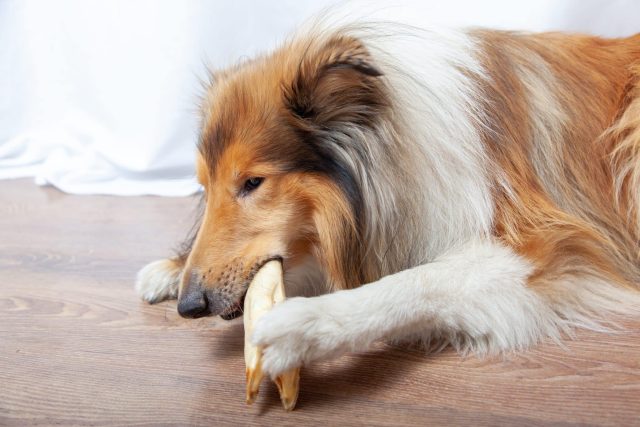
Physical exercise is important, but mental exercise is equally essential for a dog’s well-being.
Chewing requires concentration and focus. Whether your dog is working on a durable chew toy or enjoying a long-lasting treat, they’re actively engaging their brain. This mental stimulation can help prevent boredom and reduce the likelihood of unwanted behaviors.
Dogs that lack sufficient enrichment often create their own entertainment by digging, barking excessively, or chewing on inappropriate items. Providing safe dog chews gives them a productive way to channel their energy and satisfy their need for mental engagement.
Long-lasting chews can be especially useful during quiet times, helping dogs stay occupied while their owners work, cook, or relax.
4. Chewing Can Help Reduce Stress and Anxiety

Many dogs find chewing naturally calming. The repetitive motion can help relieve stress and promote relaxation, much like people may turn to hobbies or fidget tools to unwind.
This can be particularly helpful for dogs dealing with separation anxiety, changes in routine, travel, or other stressful situations. Giving your dog an appropriate chew during these moments may help them feel more comfortable and secure.
While chewing won’t solve severe anxiety issues on its own, it can be an important part of a broader stress-management strategy.
5. Dog Chews Can Help Prevent Destructive Behavior

Dogs that don’t have appropriate chewing outlets often find their own alternatives. Unfortunately, that may mean furniture legs, remote controls, pillows, shoes, or other household belongings.
Providing high-quality dog chews helps satisfy your dog’s natural urge to gnaw, making them less likely to seek out inappropriate items. This is especially important for puppies and young dogs who are still learning what is and isn’t acceptable to chew.
When paired with consistent training and supervision, dog chews can significantly reduce destructive behaviors around the home.
Choosing the Right Dog Chew

Not all dog chews are created equal. The best option depends on your dog’s size, age, chewing style, and individual preferences.
When selecting a chew, consider:
- Your dog’s breed and size
- Whether your dog is a light, moderate, or aggressive chewer
- The chew’s digestibility and ingredient quality
- Age-specific needs, such as puppy teething or senior dental support
- Veterinary recommendations for your dog’s health status
Always supervise your dog when introducing a new chew and replace products that become small enough to present a choking hazard.
Why Every Dog Can Benefit From Safe Chewing Opportunities

Chewing is much more than a favorite pastime for dogs. It’s a natural behavior that supports dental health, mental stimulation, stress relief, and overall well-being. By providing safe, appropriate chews that match your dog’s needs and chewing habits, you can help satisfy their instincts while reducing boredom and destructive behavior.
For pet parents looking for a long-lasting chew, ProHide® Chews from PetSmart use an advanced manufacturing process designed to improve digestibility while maintaining the durability and texture dogs enjoy. Made with all-natural ingredients and available in a variety of flavors and formats, ProHide can help satisfy a dog’s natural urge to chew while providing the mental enrichment and engagement that make chewing such an important part of canine wellness.
Whether you have a teething puppy, an energetic adult dog, or a laid-back senior, the right dog chew can provide hours of healthy enrichment and contribute to a happier, healthier life.
 Toledo, United States.